Aluminium Casting Manufacturers: Precision Die-Cast Parts for EV & Electronics

Aluminium Casting Manufacturers High-Quality Aluminum Parts for Automotive & Electronics

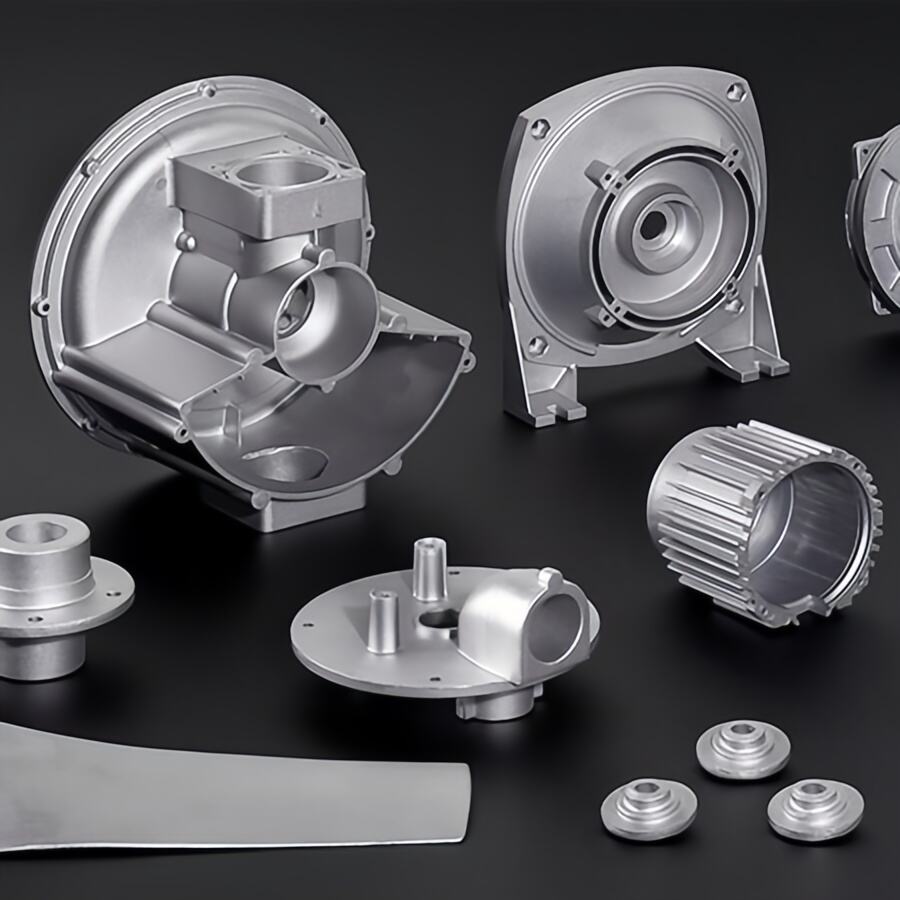
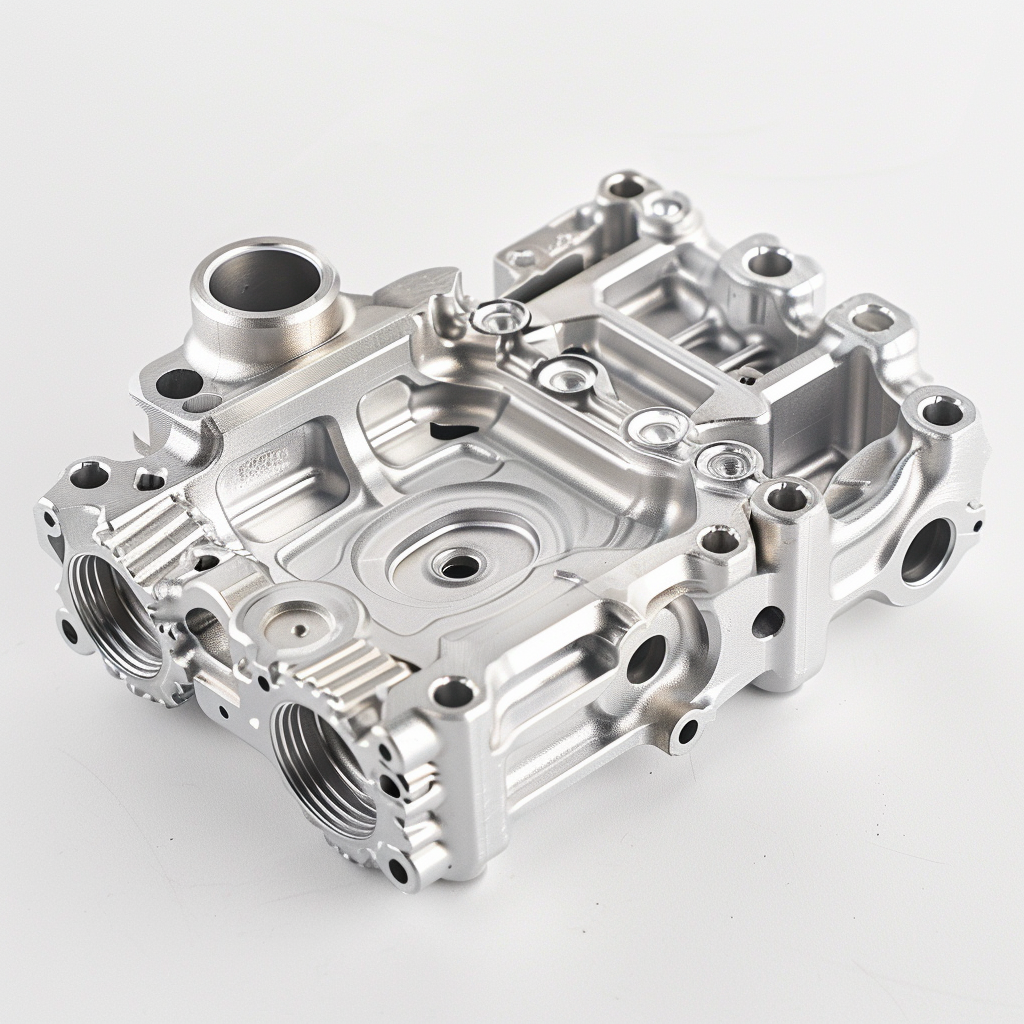
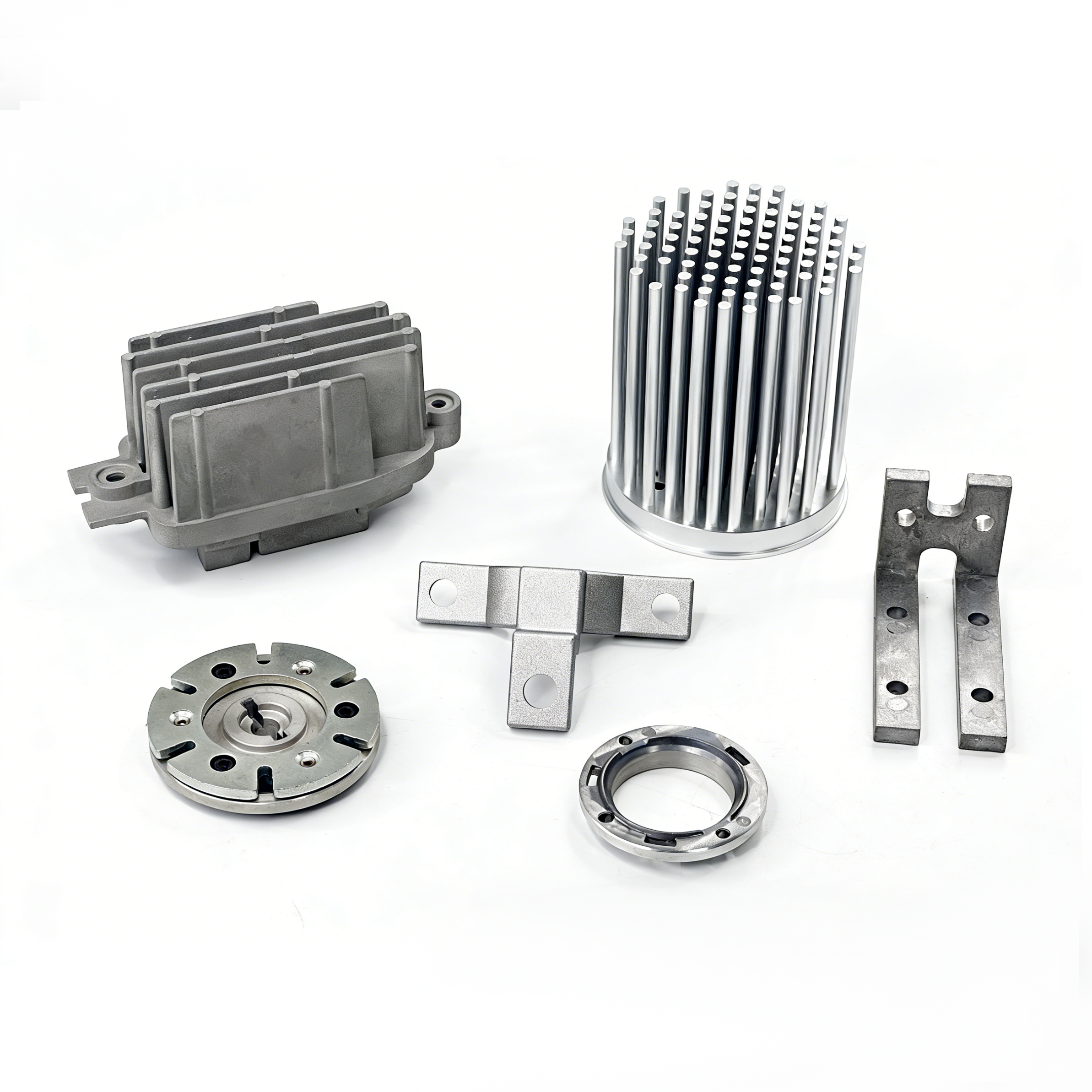
Leading aluminium casting manufacturers specialize in transforming aluminum alloys into high-performance, net-shape components essential for modern industry. This process, encompassing techniques like high-pressure die casting, gravity casting, and sand casting, leverages aluminum's exceptional properties—light weight, high strength-to-weight ratio, superior thermal and electrical conductivity, and excellent corrosion resistance. For B2B clients in sectors such as automotive, aerospace, consumer electronics, and industrial machinery, partnering with a proficient manufacturer means accessing the ability to produce complex, thin-walled parts with high dimensional accuracy (e.g., IT11-13 tolerances) and excellent surface finishes. These manufacturers provide more than just parts;
Get A Quote

Aluminium Casting Manufacturers

Choosing the right aluminium casting manufacturer is a strategic decision that directly impacts product performance, cost structure, and time-to-market. The foremost advantages of partnering with an expert manufacturer revolve around three interconnected pillars: Superior Material Performance and Design Freedom, Exceptional Production Efficiency and Consistency, and Holistic Engineering Support and Supply Chain Integration. A proficient manufacturer doesn't just fill molds; they engineer solutions. They possess the deep materials knowledge to select the optimal alloy (A380, ADC12, A360, etc.) for specific mechanical, thermal, or corrosion-resistance needs. Their expertise in process selection—be it high-pressure die casting for volume and complexity or gravity casting for integrity—enables unparalleled design freedom, allowing for part consolidation, intricate geometries, and integrated features that reduce assembly and weight.

Unmatched Design Flexibility and Part Consolidation

Expert aluminium casting manufacturers enable the production of highly complex, near-net-shape components that are impossible or prohibitively expensive with other methods. This allows for significant part consolidation. For example, an assembly comprising multiple stamped, machined, and fastened pieces can often be integrated into a single, robust aluminium casting. This capability reduces the bill of materials, minimizes assembly labor and time, lowers potential failure points, and improves overall structural integrity. Manufacturers achieve this through advanced mold design and process control, capable of producing thin walls down to 0.5mm, intricate ribs, bosses, and even cast-in threads or logos. The result is a lighter, stronger, and more reliable component manufactured at a highly competitive unit cost, especially for volumes exceeding 10,000+ pieces.

High-Volume Production with Guaranteed Precision and Repeatability

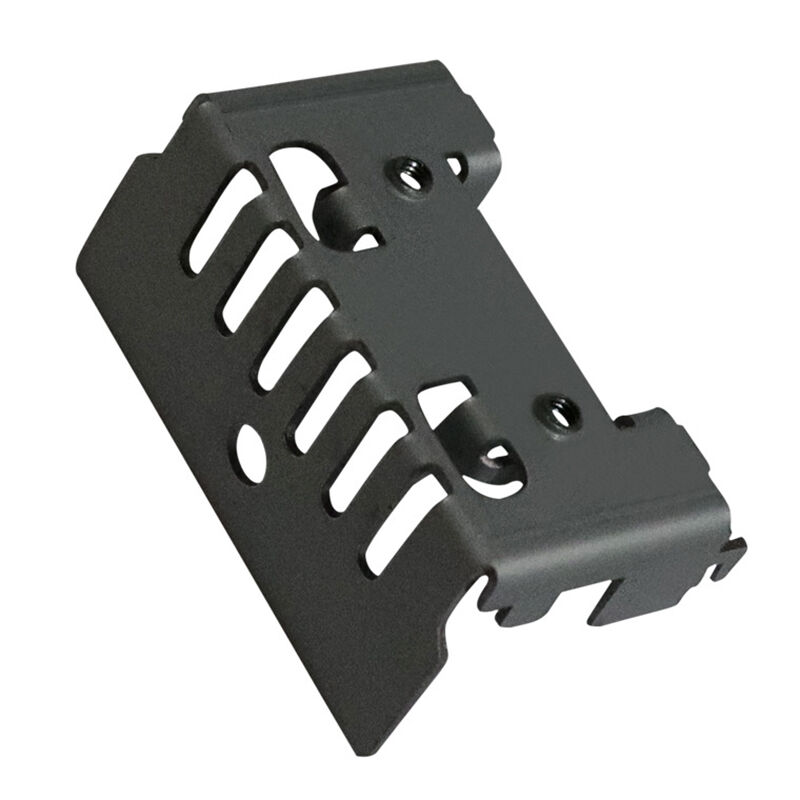
For industries like automotive and consumer electronics, consistent quality at high volumes is non-negotiable. Reputable aluminium casting manufacturers achieve this through automated, high-pressure die casting processes with cycle times measured in seconds. By utilizing precision-engineered steel molds and tightly controlled process parameters (injection pressure, temperature, and velocity), they ensure exceptional dimensional accuracy, typically holding tolerances within IT11 to IT13 grades (approximately ±0.1mm to ±0.25mm on critical features). This level of repeatability is validated through Statistical Process Control (SPC) and first-article inspections using Coordinate Measuring Machines (CMM).

Comprehensive In-House Services for Streamlined Supply Chain Management

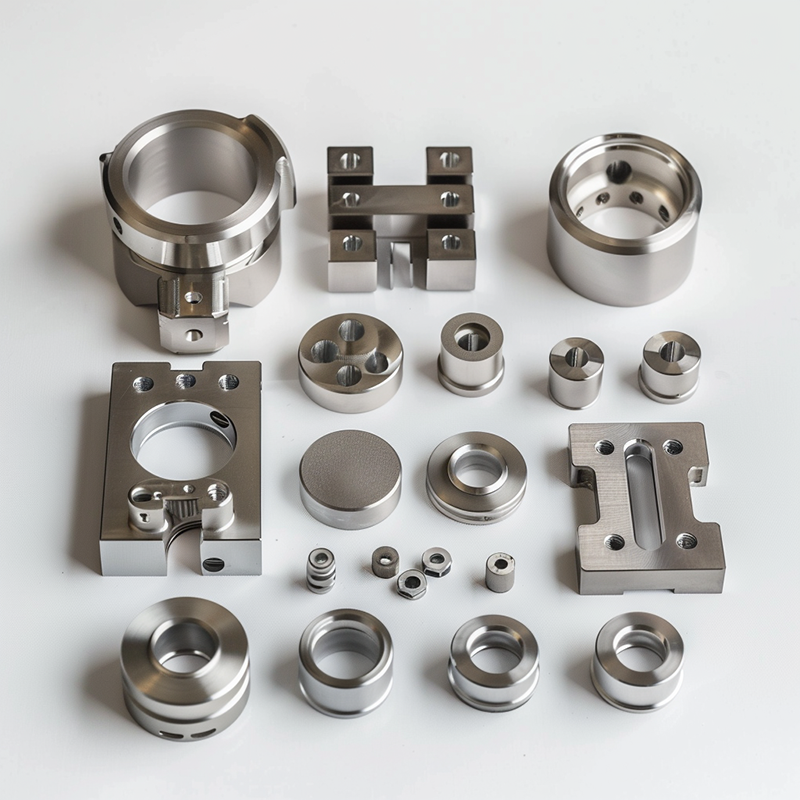
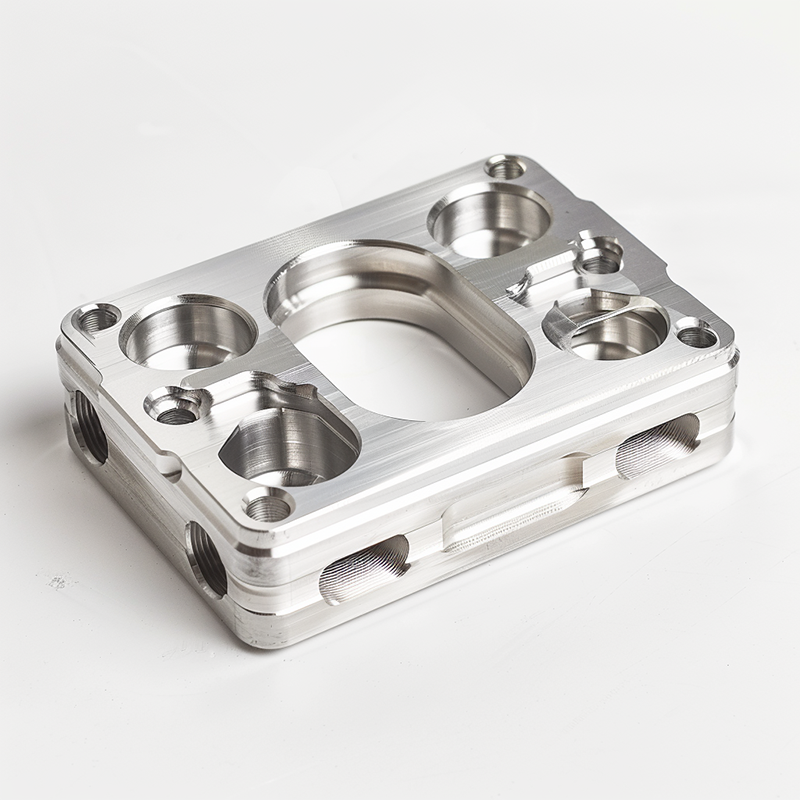
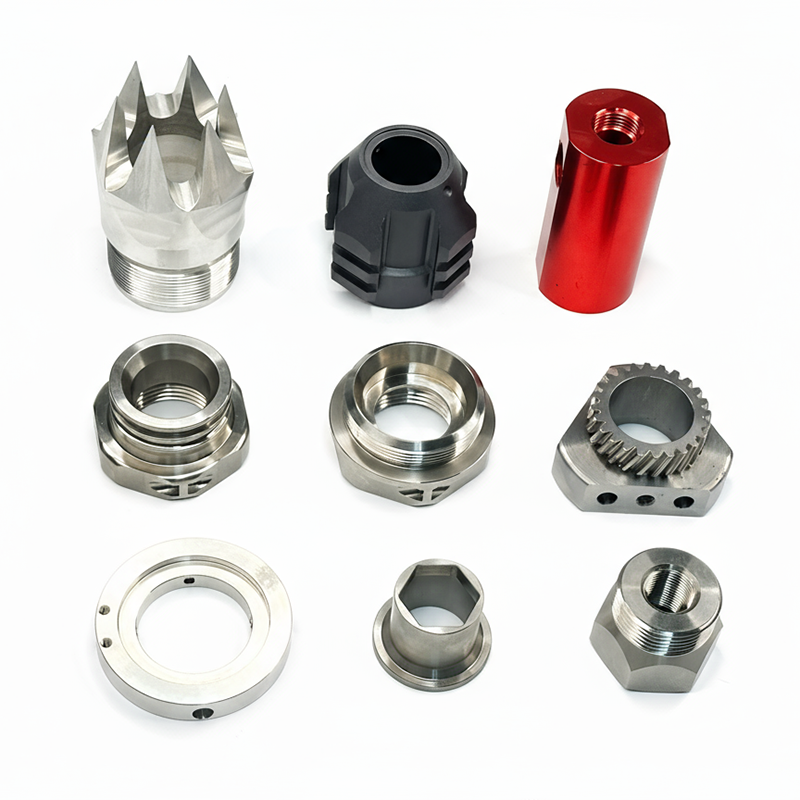
Leading manufacturers differentiate themselves by offering vertically integrated, one-stop solutions. This means that beyond casting, they provide all necessary secondary operations under one roof. Services typically include precision CNC machining for critical bores and faces, automated deburring, and a full suite of surface treatments such as anodizing (Type II & III per MIL-A-8625), powder coating, chemical conversion coating (Alodine), and polishing. This integration drastically simplifies the supply chain for B2B clients, reducing coordination overhead, minimizing logistics costs, and shortening lead times.

Related Products

"As a Tier-2 supplier for electric vehicle powertrains, we faced a challenge with a complex inverter housing. The design required high structural rigidity, excellent thermal dissipation, and a leak-tight seal for dielectric fluid, all while minimizing weight. We engaged with BIE Hardware as our aluminium casting manufacturer. Their engineering team performed a detailed DFM analysis, recommending a switch from a sand-cast prototype to a vacuum-assisted high-pressure die-cast production part using alloy A365. This move allowed for thinner walls (1.5mm vs. 3mm previously) and integrated cooling channels directly into the casting. The first samples were impeccable. CMM reports confirmed all mounting flange flatness within 0.1mm and critical bore diameters within a 0.025mm tolerance. Most crucially, the 100% helium leak test performed on the first production batch showed a leak rate better than 1x10^-6 mbar·l/s, far exceeding our specification.

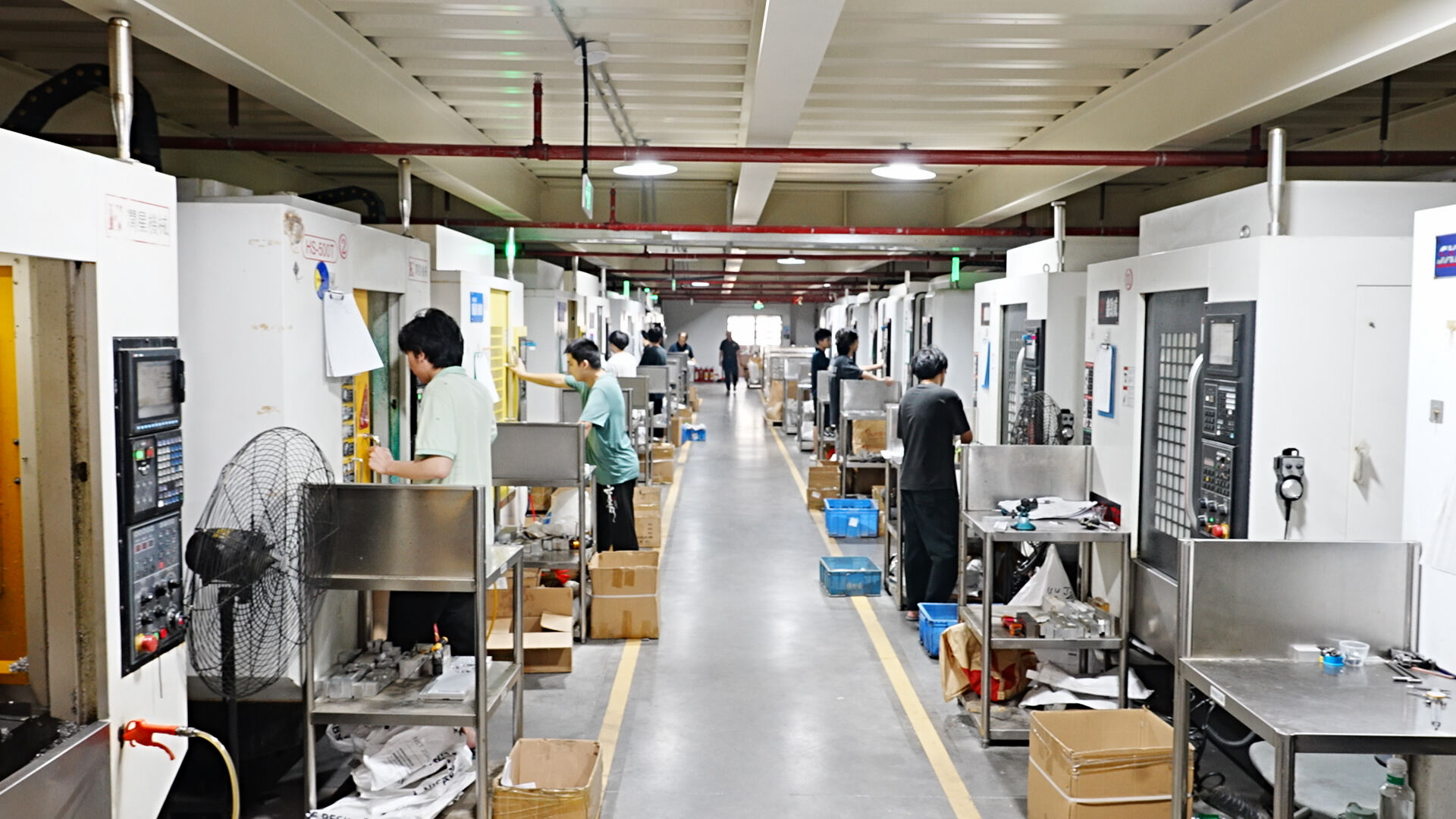
Dongguan BIE Hardware Co., Ltd. stands as a prominent and technically adept aluminium casting manufacturer, delivering precision-engineered aluminum components to a global clientele. Since our establishment in 2017, we have focused on building deep manufacturing expertise, centered on the transformative potential of aluminum casting. Our 3,000-square-meter advanced production facility in Fenggang Town, Dongguan, is engineered as a seamless workflow, integrating everything from molten metal processing to finished part shipment, serving as a reliable offshore manufacturing partner for companies in Europe and North America.

Technical Prowess and Manufacturing Philosophy:
Our core identity is defined by our mastery of aluminum casting processes. We operate a versatile fleet of casting equipment to match project requirements:

  • High-Pressure Die Casting (HPDC): Our battery of cold chamber die casting machines, with clamping forces from 280 to 2500 tons, forms the backbone of our high-volume production. For critical structural applications, we employ vacuum-assisted systems that reduce cavity pressure below 80 mbar, dramatically minimizing porosity and enabling the production of components suitable for T5 heat treatment and welding—a key requirement for automotive structural parts.

  • Gravity & Low-Pressure Permanent Mold Casting: For components where superior metallurgical integrity and elongation are paramount (such as certain aerospace or hydraulic components), we offer gravity and low-pressure casting. These processes yield parts with denser microstructures, higher ductility (elongation often exceeding 10% for alloys like A356), and better pressure tightness, ideal for lower-volume, high-performance applications.

Our material expertise is rigorous. We work with a certified range of aluminum alloys, including A380, ADC12, A360, A390, and A356, each selected for specific properties like fluidity, strength, or corrosion resistance. Every batch of incoming ingot is verified via optical emission spectrometry to ensure chemical composition conformity to ASTM or GB standards.

Vertical Integration and Uncompromising Quality Assurance:
What distinguishes BIE as a manufacturer is our complete control over the production chain. Our process is holistic:

  1. Collaborative Engineering: The journey begins with our engineering team conducting a thorough DFM analysis using flow and thermal simulation software (e.g., MAGMAsoft). This virtual prototyping optimizes the gating, venting, and cooling system design before tooling is commissioned, preventing defects and reducing development time by an estimated 30%.

  2. Precision Tooling: We design and build our own molds in a dedicated tool room. Utilizing premium H13 steel, high-speed CNC machining, and EDM, we craft molds capable of sustaining production runs exceeding 150,000 shots for aluminum. Advanced techniques like conformal cooling channel design are employed to ensure uniform thermal management and cycle time optimization.

  3. Full Secondary Processing: We provide complete post-casting services. This includes precision CNC machining on 3/4/5-axis mills, automated robotic deburring, and a comprehensive surface finishing department offering anodizing (up to MIL-A-8625 Type III hard coat), powder coating (with salt spray testing exceeding 500 hours), e-coating, and mechanical polishing.

  4. Certified Quality System: Our commitment is underpinned by ISO 9001:2015, IATF 16949:2016 for automotive, and ISO 14001:2015 certifications. Our in-house quality laboratory is equipped with a 3-axis CMM for dimensional validation, X-ray inspection for internal defect analysis per ASTM E505, crack detection with dye penetrant testing, and mechanical testing for hardness and tensile strength. We maintain detailed control plans and perform PPAP (Production Part Approval Process) for all automotive projects, ensuring full traceability from raw material to final shipment.

FAQ

What types of aluminium casting processes do you offer, and how do I choose?

We primarily offer High-Pressure Die Casting (HPDC) and Gravity/Permanent Mold Casting. The choice depends on your volume, part complexity, and performance requirements. HPDC is ideal for high-volume production (typically >10,000 pieces) of complex, thin-walled parts (as thin as 0.5mm) with excellent dimensional repeatability. It is the most cost-effective for mass production and excels in applications like automotive brackets, electronics housings, and power tool bodies. Gravity Casting is better suited for medium volumes or parts requiring superior mechanical properties, pressure tightness, and a denser microstructure with less internal gas. It can handle thicker sections and is often used for components like aircraft fittings, hydraulic valve bodies, or architectural hardware. Our engineering team will analyze your part's geometry, material specs, and application needs to recommend the most technically sound and economical process for your project.
Quality assurance is a multi-layered system embedded in our entire operation. It starts with preventive controls: advanced mold flow simulation and DFM to design out potential defects. During production, we employ process controls: real-time monitoring and logging of all critical parameters (metal temperature, shot speed, pressure) on our die casting machines. For verification, we have inspection controls: First-Article Inspections using CMM, routine dimensional checks with go/no-go gauges, and periodic destructive/non-destructive testing. Key to our system is certification and standards: we operate under IATF 16949 and ISO 9001 frameworks, which mandate strict procedures for control plans, measurement system analysis (MSA), and statistical process control (SPC). For critical automotive or aerospace components, we can provide full PPAP documentation, including material certificates, performance test results, and sample parts. This systematic approach ensures every batch meets the same
Lead time varies based on project complexity but generally follows this timeline: Prototyping (using existing mold bases or 3D printed sand molds) can take 2-4 weeks. For full production tooling and first samples, the lead time is typically 8-12 weeks. This period encompasses final DFM, mold design, steel procurement, precision machining of the mold, trial casting, and first-article inspection. Once the mold is approved, mass production ramp-up is very rapid due to our automated processes. For subsequent production runs, lead times are typically 4-6 weeks from order confirmation to shipment, depending on order quantity and finishing requirements. We maintain transparent communication throughout, providing regular progress updates and critical milestone reviews to ensure the project stays on track for your product launch schedule.

More Posts

What is the Typical Lead Time for cnc lathe machining parts? How to Shorten Production Time

31

Jan

What is the Typical Lead Time for cnc lathe machining parts? How to Shorten Production Time

In global manufacturing supply chains, lead time is no longer a secondary commercial term—it has become a core competitiveness indicator. For buyers sourcing cnc lathe machining parts, especially in cross-border projects, delivery speed directl...
View More
What are the Latest aluminum cnc machining service Technologies? Industry Development Trends

31

Jan

What are the Latest aluminum cnc machining service Technologies? Industry Development Trends

As lightweight design becomes a structural requirement rather than an optimization option, aluminum cnc machining service is playing an increasingly critical role across industries such as new energy vehicles, aerospace, industrial automation, and co...
View More
What are the Key Indicators for Judging injection molded plastic parts Quality? Testing Methods

31

Jan

What are the Key Indicators for Judging injection molded plastic parts Quality? Testing Methods

Dongguan BIE Hardware Co., Ltd has decades of experience in supplying high-quality injection molded plastic parts for industries ranging from automotive to electronics and medical devices. Despite their prevalence, ensuring consistent quality remains...
View More
What are the Latest aluminium casting manufacturers Technologies? Industry Development Trends

31

Jan

What are the Latest aluminium casting manufacturers Technologies? Industry Development Trends

As a seasoned project manager overseeing precision manufacturing projects, I’ve observed that partnering with the right aluminium casting manufacturers is critical for achieving both high-quality components and cost efficiency. In today’s...
View More

Customer Reviews

David Muller, Head of Procurement

"Partnering with BIE Hardware for the aluminium housing of our new industrial drone has been a revelation. We needed a part that was incredibly light yet stiff enough to handle high vibration, with precise mounting points for sensors. Their suggestion to use vacuum die casting with alloy A360 allowed us to achieve a wall thickness of 0.6mm in complex areas, saving 300 grams per unit. The mechanical properties were certified by their in-house lab, showing a yield strength of 220 MPa, which exceeded our requirement. Over 50,000 units in, we have had zero failures related to the casting. Their ability to deliver such consistent quality at our volume has made them a strategic supplier for us."

Elena Rossi, Project Manager

"In the luxury automotive sector, surface quality is as important as dimensional accuracy. We tasked BIE with a complex interior trim bezel, a large, thin part with a Class-A visible surface. The challenge was achieving a flawless as-cast surface to minimize polishing before chrome plating. Their mold-making team executed a stunning mirror-polish on the cavity. The first off-tool samples had a surface roughness (Ra) of 0.4µm, which was better than specification. Their strict process control meant no flow lines or blemishes across the entire production run of 80,000 pieces. They managed the entire process from casting to precision machining and pre-plate polishing, simplifying our logistics immensely. The quality has been impeccable."

Michael Brown, Operations Director

"As a manufacturer of commercial HVAC systems, we redesigned a critical compressor manifold from a welded steel assembly to a single aluminium casting for weight and corrosion benefits. BIE's engineers were instrumental in the redesign for gravity casting, suggesting rib placements and material transitions we hadn't considered. The final A356-T6 cast part passed a 500-hour salt spray test with no significant corrosion and a hydrostatic pressure test at 50 bar without failure. This one change reduced the part weight by 40% and eliminated five welding and inspection steps from our line. Their technical support and commitment to solving manufacturing challenges are first-rate."

Get a Free Quote

Our representative will contact you soon.
Email
Name
Company Name
Message
0/1000
Attachment
Please upload at least an attachment
Up to 3 files,more 30mb,suppor jpg、jpeg、png、pdf、doc、docx、xls、xlsx、csv、txt、stp、step、igs、x_t、dxf、prt、sldprt、sat、rar、zip
Breakthrough in Thin-Wall Structural Casting for Electronics

Breakthrough in Thin-Wall Structural Casting for Electronics

In a project for a next-generation tablet rugged case, the design called for a unibody frame that was both lightweight and could withstand 1.5-meter drop tests. Using our high-pressure die casting process with a specialized high-fluidity aluminium alloy, we successfully produced a part with an average wall thickness of 0.7mm and critical structural ribs as thin as 0.5mm. This was a significant achievement, pushing the boundaries of typical HPDC capabilities. Material analysis confirmed the integrity of the thin sections, with no cold shuts or filling defects. The final component weighed only 85 grams, achieving a 40% weight reduction compared to the previous two-piece CNC machined design. The part was anodized per MIL-A-8625 Type II, and subsequent assembly and drop testing at the client's facility resulted in zero failures in a batch of 10,000 units, validating the structural robustness of the thin-wall casting and meeting MIL-STD-810G standards for shock resistance.
Deliver Leak-Tight Battery Trays with Vacuum Die Casting Technology

Deliver Leak-Tight Battery Trays with Vacuum Die Casting Technology

For an electric vehicle startup, we manufactured a large, integrated battery tray enclosure with a projected area of 0.75m². The key challenge was achieving leak-tightness to IP67 standard to protect battery modules. We employed our 2500-ton clamping force press equipped with a high-vacuum system, reducing the cavity pressure to 60 mbar during injection. This drastically minimized porosity. The part, cast in AlSi10Mg alloy, underwent a full T5 heat treatment cycle to enhance strength without blistering. Post-treatment, it achieved a tensile strength of 280 MPa. Every single tray was subjected to a 100% helium mass spectrometer leak test. The results consistently showed leak rates below 1x10^-5 mbar·l/s, far exceeding the IP67 requirement.
Solve Thermal Management with High-Conductivity Alloy Die Cast Heat Sinks

Solve Thermal Management with High-Conductivity Alloy Die Cast Heat Sinks

A client developing a high-power 5G base station amplifier needed a heat sink that could dissipate 300W of thermal load in a compact form factor. We recommended and cast the part using a high-purity aluminium alloy with a certified thermal conductivity of 220 W/m·K, significantly higher than standard die-casting alloys. The design featured complex, thin fins (1.2mm thick, 25mm tall) that were only feasible through precision casting. Thermal simulation was validated with physical testing. Under a 300W steady-state load in a wind tunnel, our cast heat sink maintained the critical semiconductor junction temperature at 88°C, which was 22°C lower than their previous extruded and machined solution. The performance was documented and certified by an independent lab per JESD51-14 standards. This not only improved device reliability but also allowed the client to increase power density, giving them a competitive edge in the market.

Copyright © Dongguan BIE Hardware Co., Ltd  -  Privacy policy