Top Die Casting Suppliers for EV Battery Trays & Mega-Casting

Precision Die Casting: The Ultimate Solution for Complex, High-Strength Metal Parts

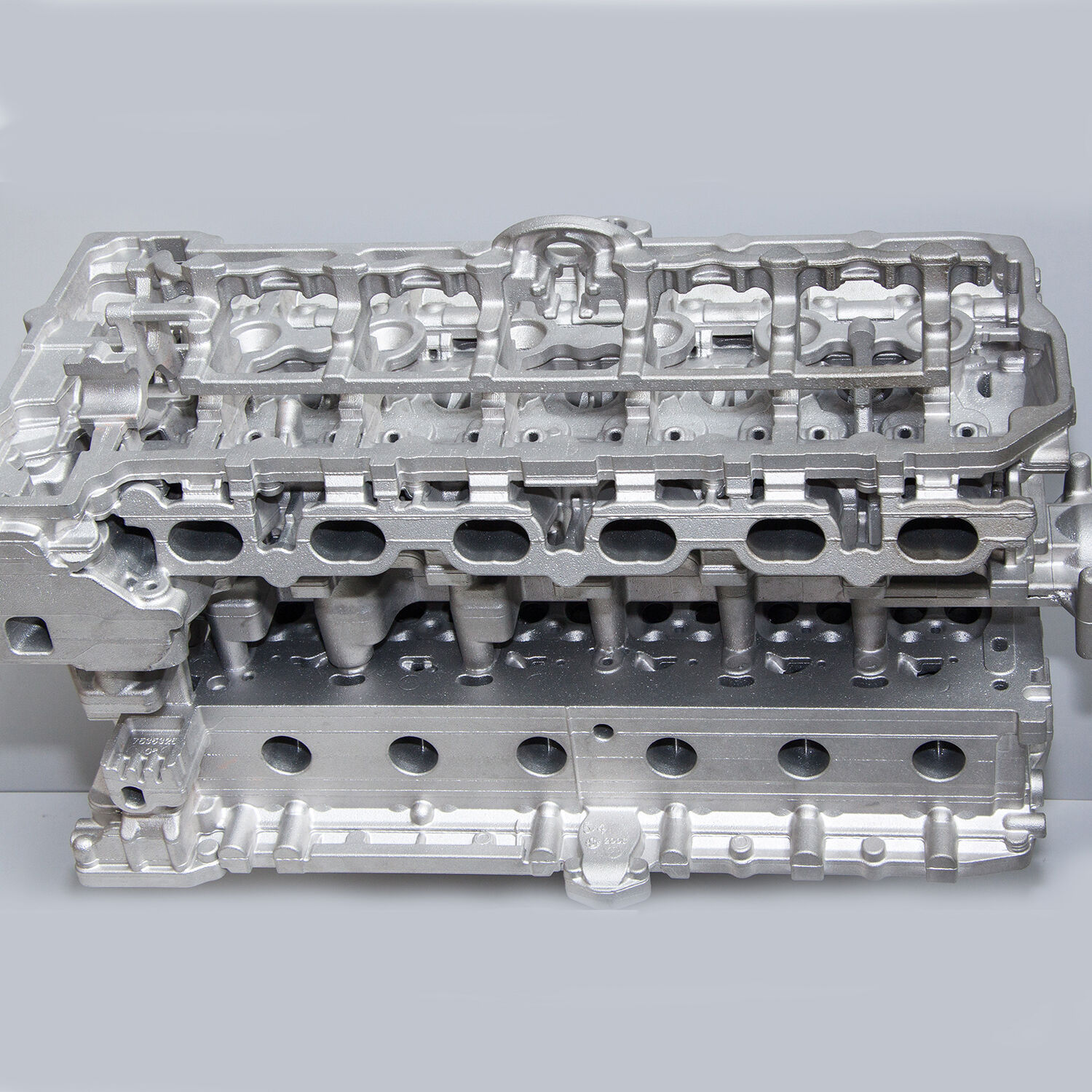
Precision die casting is an advanced, high-pressure metal forming process that produces dimensionally accurate, complex, and high-integrity metal components with exceptional surface finish. It is the manufacturing method of choice for industries where part complexity, mechanical performance, and volume scalability converge. By forcing molten metal alloys—primarily aluminum, zinc, and magnesium—into a precision-engineered steel mold under high pressure, this process yields net-shape parts with thin walls, intricate details, and excellent consistency. At Dongguan BIE Hardware Co., Ltd., we leverage state-of-the-art cold and hot chamber die casting machines, supported by rigorous process control and quality management systems (ISO 9001:2015, IATF 16949 standards), to deliver components that are foundational to automotive innovation, consumer electronics durability, and industrial equipment reliability.
Get A Quote

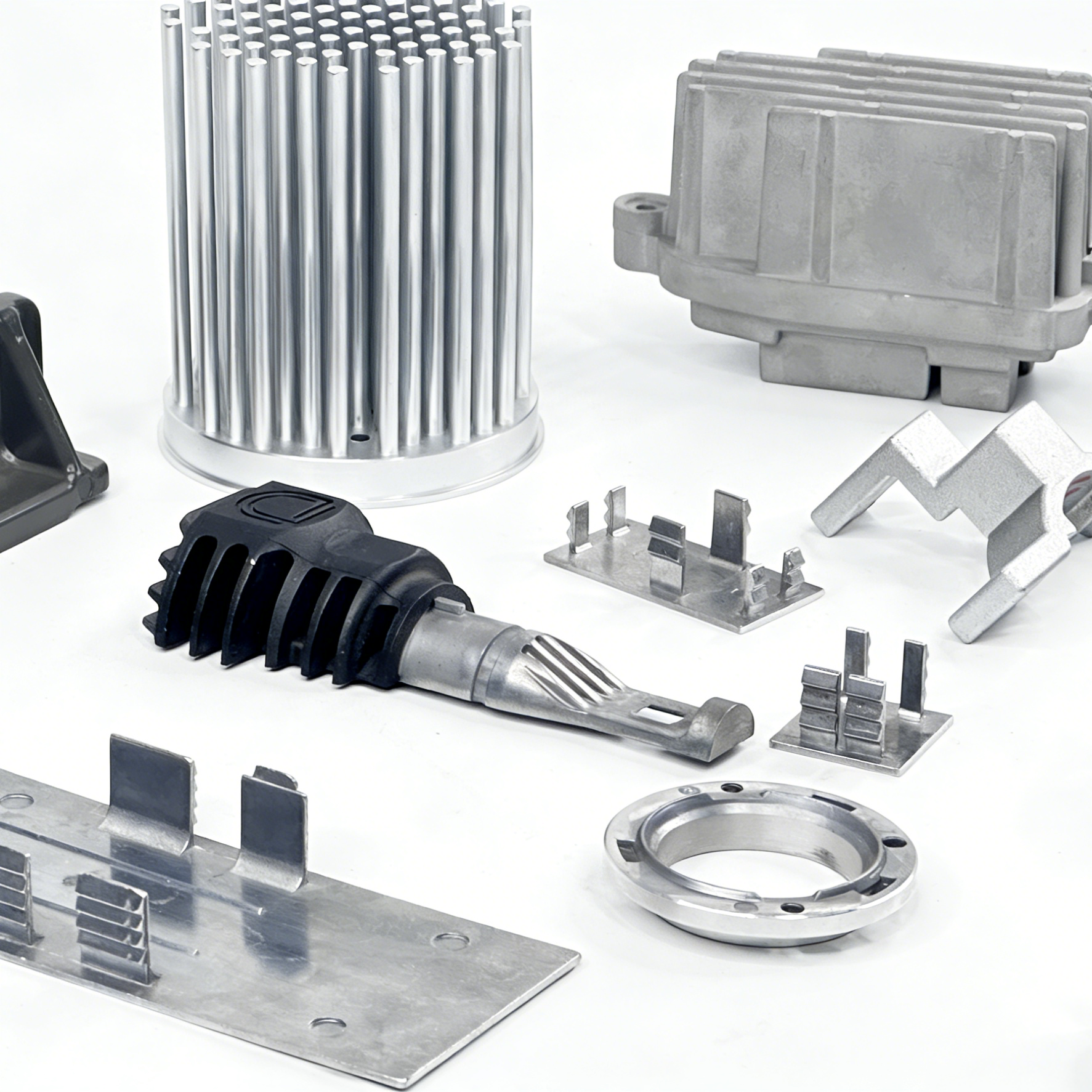
Precision Die Cast

Precision die casting stands as a superior manufacturing paradigm by synthesizing material science with high-volume production engineering. Its core advantages stem from the synergistic effect of using high-performance alloys and a controlled, high-pressure injection process. This combination unlocks a triad of critical benefits for OEMs and designers: unparalleled Design Complexity and Integration, which allows for the consolidation of multiple parts into a single, robust casting, reducing assembly and weight; exceptional Dimensional Accuracy and Repeatability, ensured by hardened steel molds and precise process parameters, delivering IT11-13 tolerances and million-part consistency; and superior Material and Performance Versatility, offering a portfolio of alloys like A380 aluminum or AZ91D magnesium to meet specific needs for strength-to-weight ratio, thermal conductivity, or EMI shielding.

Unmatched Design Freedom for Part Consolidation

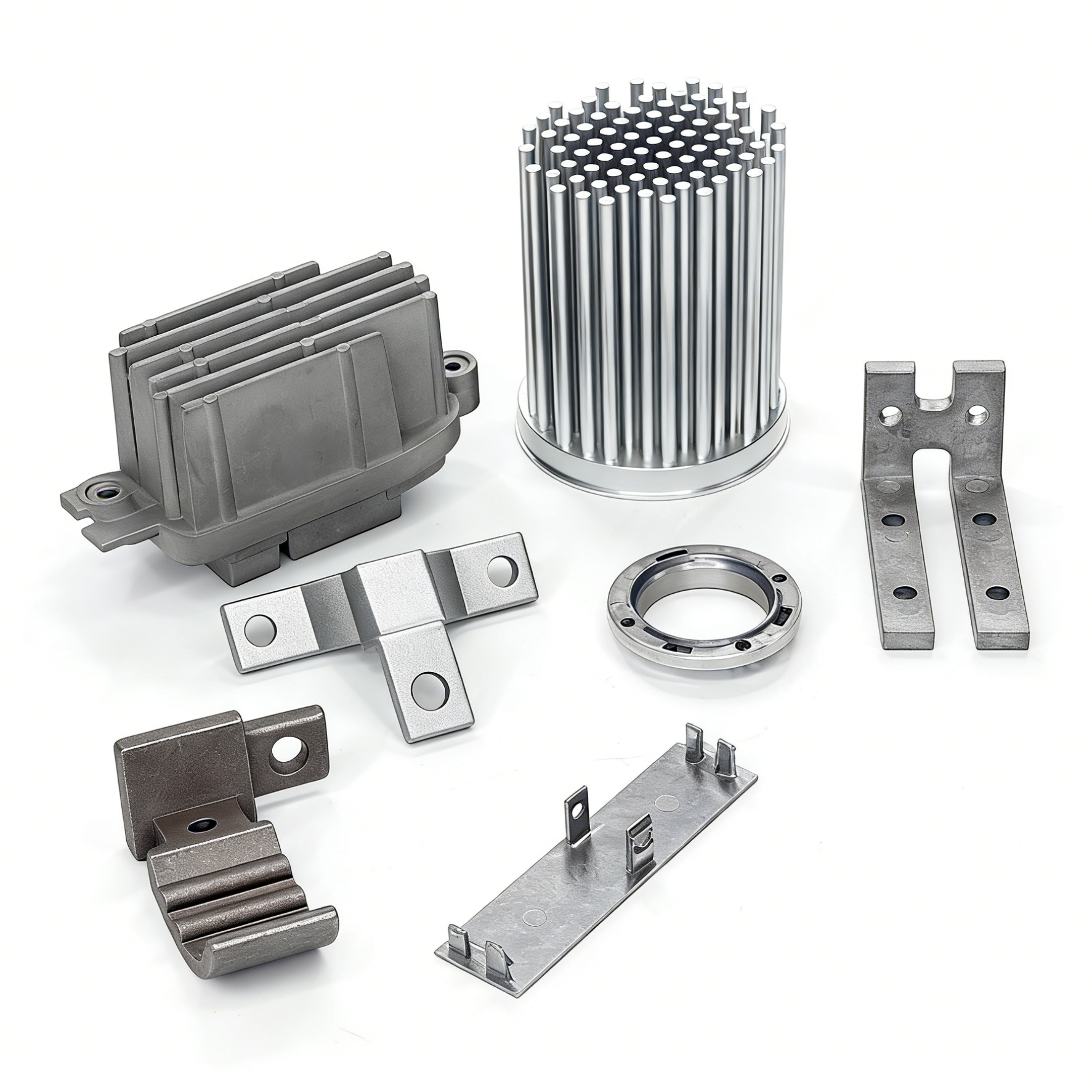
Precision die casting excels at producing highly complex, near-net-shape parts that are impossible or prohibitively expensive with other methods. It enables the integration of multiple features—such as bosses, ribs, hinges, and even threaded inserts—directly into a single component. For instance, a traditionally assembled assembly of 5-10 stamped and machined parts can often be consolidated into one die-cast piece. This drastically reduces assembly time, lowers inventory and logistics costs, minimizes potential failure points, and improves overall structural integrity. Our capabilities include producing thin walls as fine as 0.5mm for aluminum and 0.3mm for magnesium, with draft angles as low as 1-2 degrees, empowering designers to push the limits of lightweighting and functional integration.

Exceptional Dimensional Stability and Production Consistency

The process guarantees outstanding dimensional accuracy and repeatability, critical for automated assembly and interchangeability. Utilizing high-grade H13 steel molds and controlled parameters (injection pressure of 400-1000+ bar, precise temperature profiles), we achieve consistent tolerances to international standards IT11 to IT13 (equivalent to approximately ±0.1mm to ±0.25mm on critical dimensions). For example, a connector housing produced in volumes over 500,000 units will exhibit virtually no measurable variance, ensuring seamless fit and function in every batch. This consistency is underpinned by statistical process control (SPC) and regular CMM inspections, guaranteeing that every part, from the first to the millionth, meets the exact same blueprint specifications.

Superior Material Properties and Performance Characteristics

Precision die cast parts inherit the intrinsic benefits of their metal alloys, offering a performance envelope far beyond plastics. Aluminum alloys (e.g., ADC12, A380) provide an excellent strength-to-weight ratio, good corrosion resistance, and thermal conductivity around 90-100 W/m·K, making them ideal for heat dissipation. Magnesium alloys (e.g., AZ91D) offer even greater lightweighting with a density of 1.8 g/cm³ and high specific strength. Zinc alloys deliver high hardness, excellent EMI shielding (>60 dB at 1 GHz), and superior fluidity for fine details. These properties are quantifiable: our die-cast aluminum housings for 5G base stations demonstrate a 40% improvement in heat dissipation over plastic equivalents, while our magnesium laptop chassis components achieve a 30% weight reduction compared to aluminum, directly enhancing product performance and battery life.

Related Products

In our latest electric vehicle battery tray project, transitioning from a multi-piece aluminum stamping and welding assembly to a single, large-scale precision die-cast component was a game-changer. Partnering with BIE's engineering team, we utilized their 2500-ton cold chamber casting cell equipped with vacuum assist technology. The result was a monolithic tray with integrated cooling channels, mounting bosses, and reinforced ribbing, all cast in one shot using a high-silicon aluminum alloy. The dimensional accuracy was remarkable—all 200+ mounting hole locations were within a 0.2mm positional tolerance, eliminating fixture issues during module assembly. The part's inherent stiffness eliminated several welding-induced distortions we faced before. Most importantly, the high-pressure die casting process, combined with vacuum, yielded a part with porosity levels below ASTM E505 Level 2, which was crucial for achieving the required leak-tightness for battery safety.

Dongguan BIE Hardware Co., Ltd. stands as a premier provider of advanced precision manufacturing solutions, with a specialized and deeply integrated expertise in precision die casting. Established in 2017 and strategically located in Dongguan, a global manufacturing hub, we have rapidly evolved from a startup into a trusted partner for international OEMs. Our modern, 3,000-square-meter production facility is not just a factory but a technology center dedicated to transforming raw metal alloys into critical, high-performance components.

Core Expertise and Technological Foundation:
Our die casting division is built on a foundation of technological investment and process mastery. We operate a battery of state-of-the-art cold chamber die casting machines (ranging from 280 to 2500 tons of clamping force) and hot chamber machines for zinc and magnesium, allowing us to select the optimal process for each project. This is complemented by auxiliary equipment from renowned brands, including fully automated molten metal dosing furnaces with precise temperature control (±5°C), automatic ladling systems, and in-line quenching tanks. To tackle the industry challenge of porosity, we employ vacuum-assisted die casting systems on key machines, which evacuate air from the mold cavity before and during injection, significantly enhancing part density and making components suitable for subsequent heat treatment (T5/T6) and welding—a critical requirement for structural automotive applications.

End-to-End Process Control and Quality Assurance:
Manufacturing excellence at BIE is governed by a vertically integrated process and an uncompromising quality management system certified to ISO 9001:2015, ISO 14001:2015, and ISO 45001:2018. Our process begins with collaborative DFM (Design for Manufacturability) analysis, where our engineers use advanced simulation software (such as MAGMAsoft) to simulate mold filling, thermal gradients, and potential defect formation, optimizing the gating system and cooling lines before a single tool is cut. This digital prototyping minimizes costly mold rework and ensures right-first-time production.

In-house tooling is managed in a dedicated mold shop equipped with high-speed CNC machining centers, EDM (Electrical Discharge Machining), and deep-hole drilling for conformal cooling channels. We maintain strict control over our mold steel supply chain, using premium grades like 1.2344 (H13) for core longevity, with typical mold life exceeding 150,000 shots for aluminum with proper maintenance.

On the production floor, every critical parameter—metal temperature, shot speed, intensification pressure, and cycle time—is monitored in real-time and logged for full traceability. Our quality lab is equipped with a 3-axis Coordinate Measuring Machine (CMM) for first-article and routine dimensional inspection, X-ray inspection systems for internal defect analysis (capable of detecting porosity per ASTM E505), and spectrometers for raw material alloy verification. Every production batch is accompanied by a detailed Certificate of Conformance (CoC) and Process Data Report.

Industry Applications and Client Partnership:
Our precision die-cast components are integral to demanding applications worldwide. In the automotive sector, we produce transmission housings, structural brackets, and new energy vehicle (NEV) battery pack components, adhering to IATF 16949 standards. For consumer electronics, we manufacture high-strength, heat-dissipating frames and housings for laptops and mobile devices. Our parts are also found in industrial robotics (gearbox housings), telecommunications (5G antenna bases), and high-power LED lighting (heat sinks). Over 70% of our clientele are based in Europe and North America, a testament to our ability to meet international quality, communication, and logistics standards.

Commitment to Sustainable and Scalable Manufacturing:
We recognize our responsibility in the manufacturing ecosystem. Our die casting process is inherently sustainable, with sprue, runners, and rejected parts being 100% recyclable within our foundry, leading to a material utilization rate exceeding 90%. We are actively investing in energy-efficient melting technologies and exploring the use of recycled aluminum alloys. Our "one-stop" service model—encompassing die casting, secondary CNC machining, deburring, and a wide range of surface finishes (anodizing, powder coating, plating)—ensures seamless project management, reduced lead times, and single-point accountability for our clients, from prototype to mass production of millions of parts.

FAQ

What is the main difference between precision die casting and standard die casting?

The key distinction lies in the level of process control, tolerance capability, and intended application. While both use similar machinery, precision die casting emphasizes extreme dimensional accuracy, superior surface finish, and enhanced mechanical properties. It achieves this through several focused practices: the use of higher-grade mold steels and more meticulous mold polishing to achieve surface finishes as smooth as Ra 0.8µm; the implementation of advanced process controls like vacuum assistance to reduce internal porosity, allowing for potential heat treatment; and the application of real-time monitoring and post-process validation using tools like CMMs and X-ray. Standard die casting may prioritize cost and speed for less critical components, often with wider tolerances (IT14-16) and more permissible defect levels.
The most common and suitable alloys are Aluminum, Zinc, and Magnesium, each with distinct advantages. Aluminum Alloys (e.g., A380, ADC12, A360) offer the best balance of strength, weight, corrosion resistance, and thermal conductivity. They are the workhorse for automotive, aerospace, and electronics (e.g., heat sinks). Zinc Alloys (e.g., Zamak 3, Zamak 5) have excellent fluidity, allowing for the thinnest walls and most intricate details, high hardness, and superior EMI shielding. They are ideal for small, complex parts like connectors and decorative hardware. Magnesium Alloys (e.g., AZ91D, AM60B) provide the highest strength-to-weight ratio, excellent damping characteristics, and good machinability, perfect for lightweight portable electronics and automotive interior components.
Successful precision die casting starts with Design for Manufacturability (DFM). Key considerations include: Draft Angles: Incorporating adequate draft (typically 1°-3° on external walls, more on internal features) is essential for part ejection and preventing drag marks. Uniform Wall Thickness: Aim for consistent wall thickness (e.g., 2.5mm ±0.5mm for Al) to promote even cooling and prevent sinks or warpage. Ribs can be used to strengthen thin walls instead of making them thicker. Fillets and Radii: All sharp corners should have radii (minimum 0.5-1.0mm) to reduce stress concentration, improve metal flow, and extend mold life. Parting Line and Gate Location: Collaborate with your supplier early to determine the optimal parting line and gate locations to minimize cosmetic impact and control filling dynamics.

More Posts

What Should Be Noted When Purchasing cnc turned components manufacturer Cross-Border? Logistics and Customs Guide

31

Jan

What Should Be Noted When Purchasing cnc turned components manufacturer Cross-Border? Logistics and Customs Guide

A Practical Logistics and Customs Guide for Global Buyers In today’s global manufacturing environment, sourcing precision parts across borders has become a strategic necessity rather than a simple cost-saving option. For international buyers, c...
View More
Why is There a Big Price Difference in custom plastic injection molding services Among Different Suppliers?

31

Jan

Why is There a Big Price Difference in custom plastic injection molding services Among Different Suppliers?

In global manufacturing procurement, custom plastic injection molding services are among the most widely used production solutions across automotive, electronics, medical devices, industrial equipment, and consumer goods. Yet for many purchasing mana...
View More
What are the Key Indicators for Judging injection molded plastic parts Quality? Testing Methods

31

Jan

What are the Key Indicators for Judging injection molded plastic parts Quality? Testing Methods

Dongguan BIE Hardware Co., Ltd has decades of experience in supplying high-quality injection molded plastic parts for industries ranging from automotive to electronics and medical devices. Despite their prevalence, ensuring consistent quality remains...
View More
What are the Latest aluminium casting manufacturers Technologies? Industry Development Trends

31

Jan

What are the Latest aluminium casting manufacturers Technologies? Industry Development Trends

As a seasoned project manager overseeing precision manufacturing projects, I’ve observed that partnering with the right aluminium casting manufacturers is critical for achieving both high-quality components and cost efficiency. In today’s...
View More

Customer Reviews

Markus Fischer, Lead Mechanical Engineer

"Working with BIE on our new drone motor housing was a textbook example of engineering partnership. We needed a lightweight yet rigid magnesium component with extremely tight tolerances for bearing seats and complex internal cooling fins. Their team suggested a minor design modification to the fin geometry that dramatically improved mold fill and reduced machining needs. The first article inspection report from their CMM showed all critical dimensions were within 0.03mm of spec. We've now run over 200,000 pieces, and the consistency is phenomenal—our assembly line has seen a zero defect rate related to dimensional issues. Their precision die casting didn't just give us a part; it gave us reliability."

Dr. Sarah Chen, Director of Procurement

"As a medical device manufacturer, our standards for biocompatibility, cleanliness, and part integrity are non-negotiable. We tasked BIE with producing a complex aluminum casing for a portable diagnostic device. They not only selected an appropriate aluminum alloy but also implemented a specialized high-vacuum die casting process to achieve porosity levels that passed our stringent helium leak test. The as-cast surface finish was so good that it required minimal polishing before anodizing. Their ISO 13485 aligned quality system and detailed material traceability documentation made our FDA audit process smooth. They have become an extension of our supply chain."

: Robert "Bob" Kline, Senior Product Manager

"In the competitive automotive lighting sector, innovation is key. We designed a multi-chamber LED headlight heat sink that was too complex for extrusion. BIE's precision die casting team took on the challenge. They produced a single, monolithic aluminum part that integrated the heat sink, mounting points, and connector housing. The thermal performance exceeded simulations, dropping our LED junction temperature by 15°C compared to the previous assembly. This directly translates to longer LED life and higher allowable luminous output. The project was delivered from tooling kick-off to mass production in under 14 weeks. Their technical prowess and project management are top-tier."

Get a Free Quote

Our representative will contact you soon.
Email
Name
Company Name
Message
0/1000
Attachment
Please upload at least an attachment
Up to 3 files,more 30mb,suppor jpg、jpeg、png、pdf、doc、docx、xls、xlsx、csv、txt、stp、step、igs、x_t、dxf、prt、sldprt、sat、rar、zip
Enabling Mega-Casting Innovation for Automotive Lightweighting

Enabling Mega-Casting Innovation for Automotive Lightweighting

We are at the forefront of the industry shift towards mega- or giga-casting, producing large, structural automotive components in a single shot. Utilizing our 2500-ton clamping force press integrated with a high-vacuum system (capable of achieving cavity pressures below 50 mbar), we manufacture components like battery trays and rear subframes. This process yields parts with a dense, homogeneous microstructure. For a recent EV battery tray project (projected area: 0.8m², weight: 11.5kg), we achieved a tensile strength of 280 MPa and a yield strength of 150 MPa in the as-cast condition (AlSi10Mg alloy), with elongation over 3.5%. X-ray analysis confirmed internal porosity controlled to ASTM E505 Level 2 or better, which was validated by a 100% leak test where the part held a 5 mbar pressure differential for 60 seconds without failure. This one-piece design replaced over 30 individual stamped and welded parts, reducing weight by 18% and cutting assembly time by 40 hours per vehicle.
Micro-Precision for Miniature Connectors and Components

Micro-Precision for Miniature Connectors and Components

For the electronics and micro-mechanics sectors, our mastery of hot-chamber zinc die casting delivers unparalleled detail replication. Using high-fluidity Zamak alloys, we routinely produce parts with wall thicknesses down to 0.3mm and feature details like fine pins and logos with exceptional accuracy. A prime example is a multi-pin electrical connector housing measuring 12mm x 8mm. The part incorporates 24 pin slots with positional tolerances of ±0.025mm and a cast-in manufacturer logo with a feature height of 0.15mm. Surface finish straight from the mold measures Ra 0.8 - 1.2µm. Batch consistency is verified using automated vision inspection systems, which check 100% of parts for critical dimensions at a rate of 15,000 pieces per hour, maintaining a CpK value >1.67.
Optimized Thermal Management for High-Power Electronics

Optimized Thermal Management for High-Power Electronics

Our precision die-cast aluminum enclosures are engineered solutions for thermal management in 5G infrastructure, power converters, and LED arrays. By employing alloys like A383 with a thermal conductivity of 96 W/m·K and optimizing the design with integrated fins and heat-spreading surfaces, we maximize passive cooling efficiency. In a side-by-side test with a CNC-machined aluminum block of the same footprint, our optimized die-cast enclosure for a 5G RRU (Remote Radio Unit) demonstrated a 22% lower thermal resistance (Rth) from the heat source to ambient. This was achieved by casting fins with a 1.2mm thickness and 8mm height in a dense array that would be cost-prohibitive to machine. The part also integrated mounting bosses and cable ports, reducing assembly steps.

Copyright © Dongguan BIE Hardware Co., Ltd  -  Privacy policy