Mould Die Casting: High-Precision Mass Production for OEMs

Mould Die Casting Solutions for OEM Manufacturers High Precision Mass Production Supply

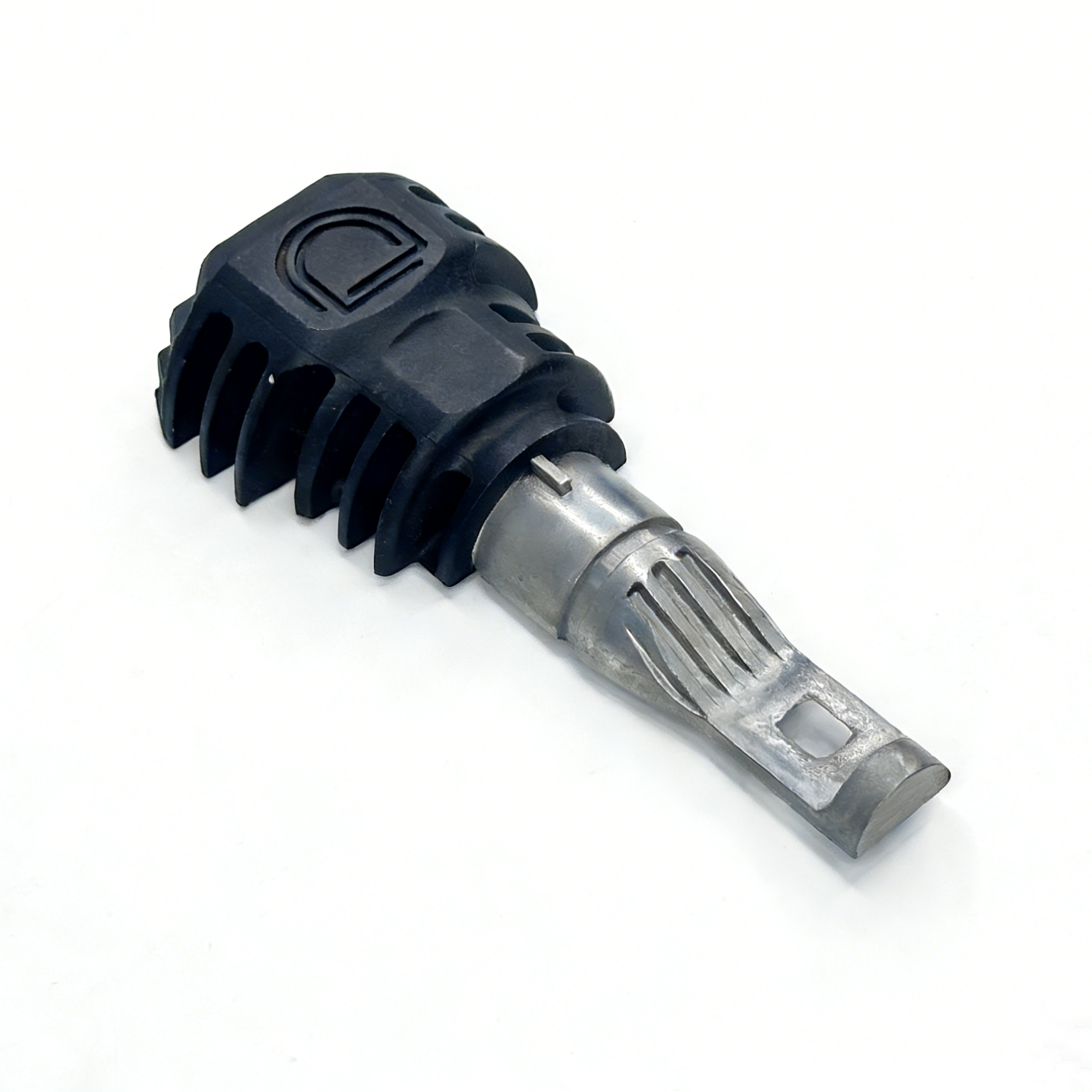
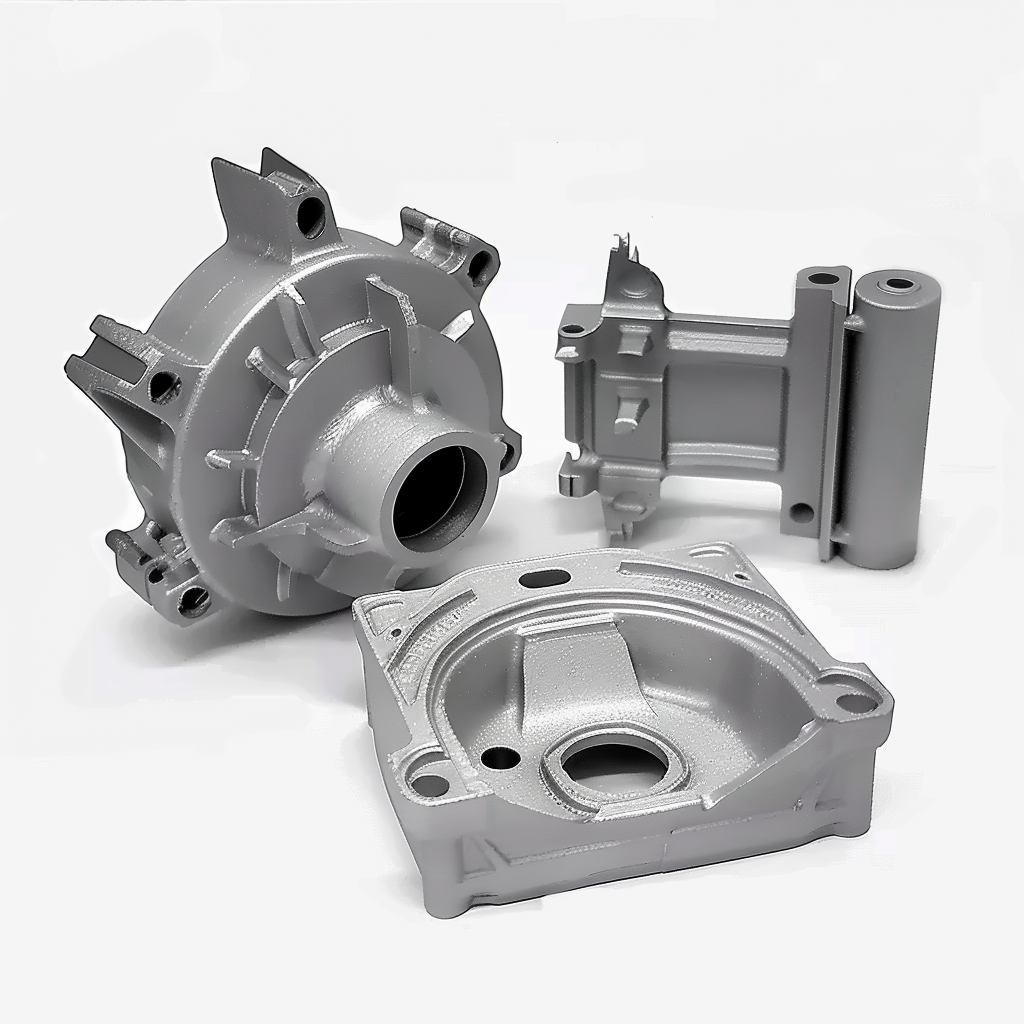
Mould Die Casting is a high-efficiency metal forming technology widely adopted by OEM manufacturers, industrial suppliers, and global sourcing companies seeking dimensional accuracy, production scalability, and cost optimization. By using hardened steel moulds and high-pressure molten metal injection, Mould Die Casting enables consistent mass production of complex aluminum, zinc, magnesium, and copper alloy components with minimal secondary machining. Compared with conventional machining or sand casting, Mould Die Casting delivers faster cycle times, tighter tolerances typically within IT11–IT13, surface roughness as low as Ra 0.8–3.2 μm, and excellent mechanical stability across temperature ranges from -60°C to over 200°C depending on alloy selection.
Get A Quote

Mould Die Casting

Mould Die Casting provides a comprehensive manufacturing advantage for industrial buyers by combining precision engineering, scalable automation, and material performance optimization. The process enables near-net-shape manufacturing with ultra-thin walls, high repeatability, and strong dimensional stability. Industry benchmarks show that automated Mould Die Casting lines can achieve cycle times of 15–60 seconds per part, reducing labor cost by up to 40 percent compared with traditional machining. Certified quality systems such as ISO 9001, ISO 14001, and IATF 16949 further ensure traceability, consistency, and compliance for regulated markets. By integrating high-vacuum casting, intelligent mold temperature control, and inline inspection systems, modern Mould Die Casting suppliers deliver stable mechanical properties, reduced defect rates below 1.5 percent, and predictable lead times for mass production programs exceeding 500,000 units annually.

High Precision and Dimensional Stability for Mass Production

Mould Die Casting achieves dimensional tolerances typically within ±0.05–0.1 mm for medium-sized parts, meeting IT11–IT13 accuracy grades verified by CMM inspection systems. High-pressure injection above 1,500 bar ensures complete cavity filling and consistent microstructure density. Statistical Process Control data from large-scale die casting factories shows CpK values above 1.67 for critical dimensions, supporting zero-defect manufacturing programs for automotive and electronics OEMs.

Superior Mechanical and Thermal Performance

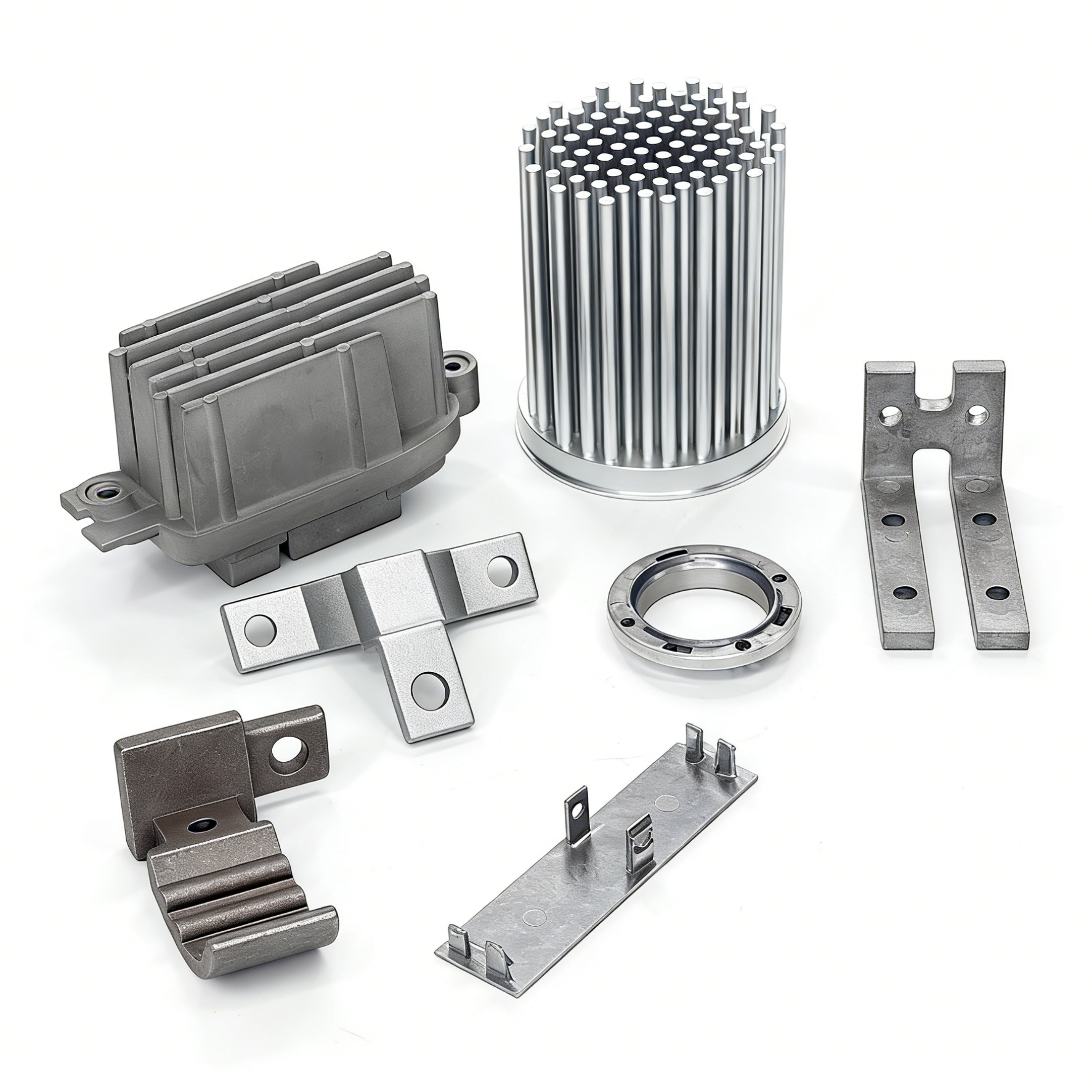
Aluminum and magnesium alloys used in Mould Die Casting provide tensile strengths between 180–320 MPa and thermal conductivity exceeding 120 W/mK, outperforming many engineered plastics. EMI shielding effectiveness typically exceeds 60 dB, compliant with IEC 61000 standards. These properties make Mould Die Casting ideal for housings, heat sinks, and structural frames requiring strength, heat dissipation, and electromagnetic protection.

Scalable Cost Efficiency for High-Volume Manufacturing

Once mold tooling is amortized, Mould Die Casting reduces unit cost by up to 35–50 percent compared with CNC machining for annual volumes above 100,000 units. Automated casting cells operate 24/7 with Overall Equipment Effectiveness exceeding 85 percent. Material recycling rates reach 95–98 percent through remelting systems, supporting sustainable manufacturing objectives and long-term cost control.

Related Products

In practical production environments, Mould Die Casting demonstrates excellent repeatability, surface consistency, and process stability. During continuous operation tests on aluminum housings, cycle time averaged 28 seconds per shot with less than 1 percent scrap rate under vacuum-assisted injection. Surface finish met Ra 1.2 μm after demolding, eliminating secondary polishing for cosmetic applications. Dimensional drift remained below ±0.03 mm over 50,000 cycles, confirming mold thermal balance effectiveness. Mechanical testing showed tensile strength stability within ±3 percent batch variation. These results validate Mould Die Casting as a reliable solution for long-term mass production requiring consistent quality, predictable delivery schedules, and reduced operational risk.

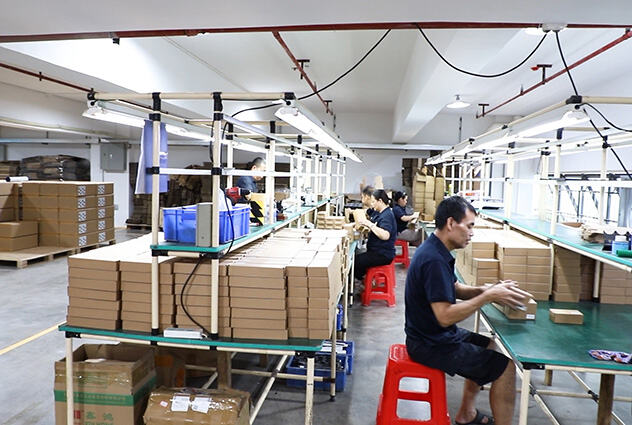
Founded in 2017, Dongguan BIE Hardware Co., Ltd operates as a comprehensive precision manufacturing enterprise delivering integrated solutions across CNC machining, sheet metal fabrication, Mould Die Casting, and plastic injection molding. The company maintains a modern production campus exceeding 3,000 square meters, housing automated die casting cells, multi-axis CNC machining centers, robotic trimming systems, and advanced surface finishing lines. Annual production capacity exceeds 6 million precision components with repeat export shipments to Europe and North America.

BIE invests heavily in process engineering and digital manufacturing infrastructure. Each Mould Die Casting line integrates closed-loop temperature control, real-time shot monitoring, vacuum systems, and mold cavity pressure sensors. These technologies reduce internal porosity levels by up to 40 percent compared with conventional casting methods, enabling improved mechanical consistency and air-tightness performance. Mold flow simulation software is applied during tooling development to optimize gate design, cooling channel layout, and solidification behavior, improving first-pass yield above 97 percent for mature programs.

Quality management is supported by ISO 9001:2015, ISO 14001:2015, ISO 45001:2018, and RoHS certifications. Incoming material inspection includes alloy spectrometer verification, while in-process control applies SPC sampling, automated vision inspection, and dimensional measurement using Zeiss CMM systems with accuracy down to 1.8 microns. Finished products undergo mechanical validation including tensile testing, salt spray corrosion testing exceeding 240 hours, and thermal cycling validation from -40°C to 120°C when required by customer specifications.

BIE’s engineering team consists of more than 20 senior engineers with an average of 12 years of manufacturing experience. DFM and DFA support reduces customer product development cycles by approximately 30 percent. Prototype tooling lead time averages 15–20 days, while mass production tooling cycles range from 30–45 days depending on complexity. Integrated assembly services, surface coating partnerships, and global logistics coordination further simplify supply chain management for international buyers.

After-sales service includes 7×24 technical support, root cause analysis within 48 hours for quality feedback, and continuous improvement reporting aligned with customer KPIs. Annual customer retention exceeds 92 percent, reflecting long-term trust and stable cooperation. BIE continuously invests in energy-efficient melting furnaces, automated scrap recycling systems, and eco-friendly release agents to reduce carbon footprint per unit by more than 18 percent compared with baseline manufacturing data from 2020. Through standardized governance, data-driven quality control, and scalable manufacturing systems, BIE positions itself as a reliable global Mould Die Casting supplier for high-volume industrial applications.

FAQ

What tolerances can Mould Die Casting achieve for industrial parts

Mould Die Casting typically achieves dimensional tolerances between ±0.05 mm and ±0.1 mm depending on part size and alloy. With optimized tooling and temperature control, CpK values above 1.67 are achievable. Advanced vacuum systems reduce porosity below 2 percent, enabling stable mechanical properties and consistent surface quality compliant with automotive and electronics standards.
Tooling investment is higher initially, but amortization over high-volume production significantly reduces unit cost. For programs exceeding 150,000 units annually, total cost of ownership often decreases by 30–45 percent compared with machining or low-pressure casting solutions.
Aluminum alloys dominate due to strength and corrosion resistance, while zinc offers excellent surface finish and wear resistance. Magnesium supports lightweight applications, and copper alloys deliver superior conductivity for thermal management components.

More Posts

What Parameters are Needed for Custom cnc lathe machining services Services? Process Guide

31

Jan

What Parameters are Needed for Custom cnc lathe machining services Services? Process Guide

In the highly competitive B2B manufacturing space, custom CNC lathe machining services are often the backbone of product development and industrial production. However, despite their critical role, misunderstandings about process parameters frequentl...
View More
How to Control the Production Cost of precision die cast? Practical Cost-Saving Solutions

31

Jan

How to Control the Production Cost of precision die cast? Practical Cost-Saving Solutions

Introduction: Balancing Precision Requirements and Cost Pressure Precision die cast manufacturing has become a foundational process across automotive components, electronic housings, industrial equipment, and medical devices. As product designs grow ...
View More
What are the Key Indicators for Judging aluminium alloy for casting Quality? Testing Methods

31

Jan

What are the Key Indicators for Judging aluminium alloy for casting Quality? Testing Methods

Dongguan BIE Hardware Co., Ltd has decades of experience in supplying high-quality injection molded plastic parts for industries ranging from automotive to electronics and medical devices. Despite their prevalence, ensuring consistent quality remains...
View More
What are the Latest aluminium casting manufacturers Technologies? Industry Development Trends

31

Jan

What are the Latest aluminium casting manufacturers Technologies? Industry Development Trends

As a seasoned project manager overseeing precision manufacturing projects, I’ve observed that partnering with the right aluminium casting manufacturers is critical for achieving both high-quality components and cost efficiency. In today’s...
View More

Customer Reviews

Michael Turner

“After switching to Mould Die Casting for our enclosure components, dimensional consistency improved significantly. Scrap rate dropped below 1.2 percent and cycle time stabilized under 30 seconds, supporting our high-volume rollout schedule.”

Elena Rodriguez

“The supplier’s Mould Die Casting process delivered excellent surface finish without secondary polishing. EMI shielding performance exceeded 65 dB, meeting our compliance requirements for telecommunications equipment.”

David Chen

“Our annual production exceeded 600,000 units using Mould Die Casting. Cost per unit decreased by nearly 38 percent compared with CNC machining, while quality stability remained consistently high.”

Get a Free Quote

Our representative will contact you soon.
Email
Name
Company Name
Message
0/1000
Attachment
Please upload at least an attachment
Up to 3 files,more 30mb,suppor jpg、jpeg、png、pdf、doc、docx、xls、xlsx、csv、txt、stp、step、igs、x_t、dxf、prt、sldprt、sat、rar、zip
Ultra-High Precision Mold Replication

Ultra-High Precision Mold Replication

Mould Die Casting replicates mold surface textures with accuracy exceeding 99 percent fidelity. Automated polishing and laser-textured cavities ensure consistent cosmetic appearance. CMM validation confirms dimensional repeatability across 100,000-cycle runs with deviation below ±0.03 mm.
High Density Structural Integrity

High Density Structural Integrity

Vacuum-assisted Mould Die Casting reduces gas entrapment and increases density by up to 15 percent. Tensile strength variance remains under ±3 percent across production batches, supporting safety-critical applications validated under ISO mechanical testing standards.
Sustainable Mass Manufacturing Efficiency

Sustainable Mass Manufacturing Efficiency

Material recycling rates above 97 percent and automated energy-efficient furnaces reduce carbon intensity per kilogram of casting by approximately 18 percent. Continuous monitoring aligns with ISO 14001 environmental compliance.

Copyright © Dongguan BIE Hardware Co., Ltd  -  Privacy policy