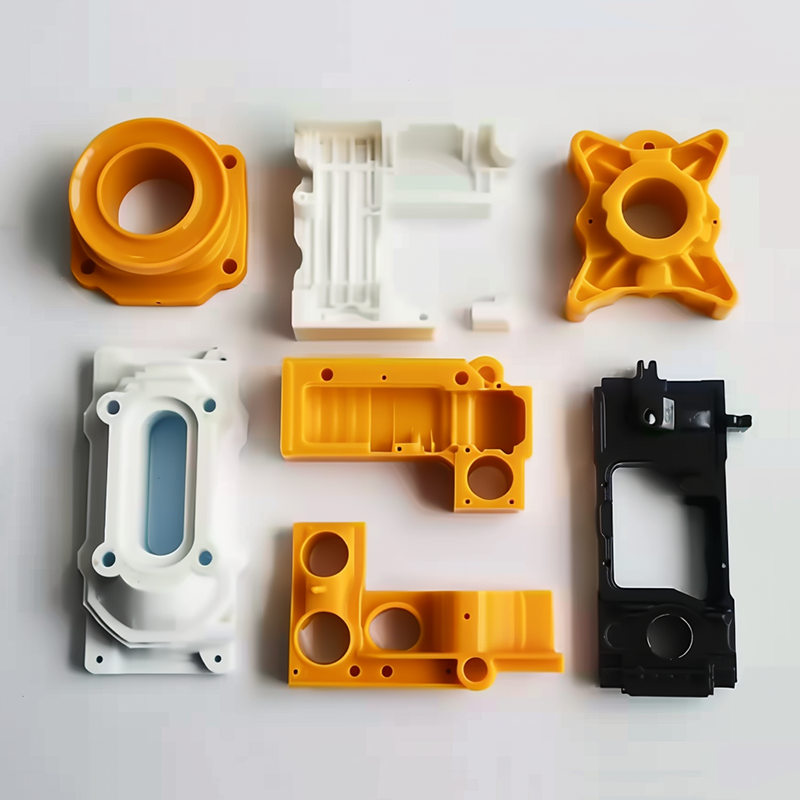
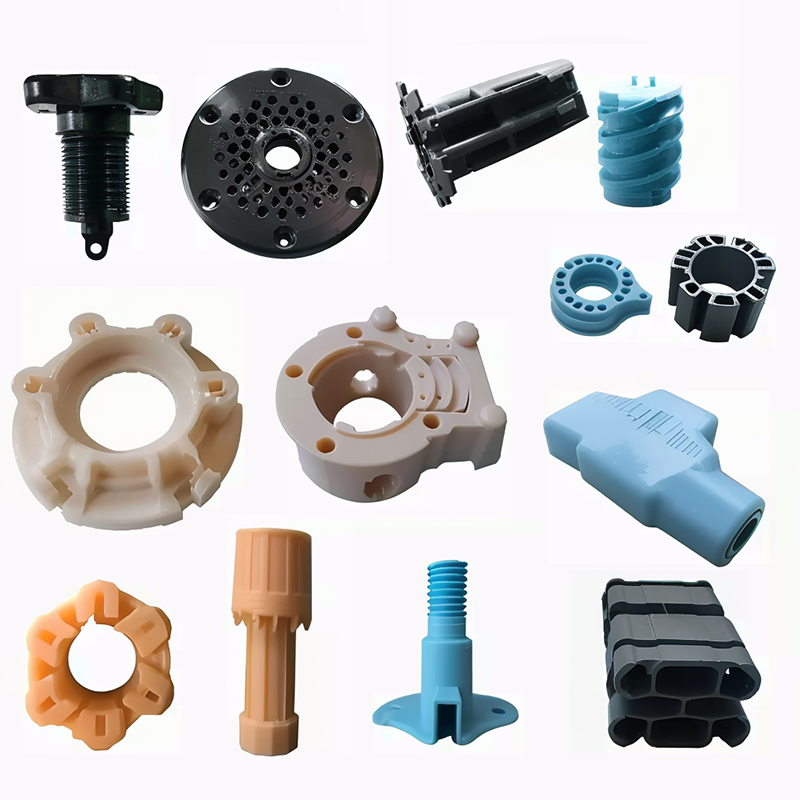
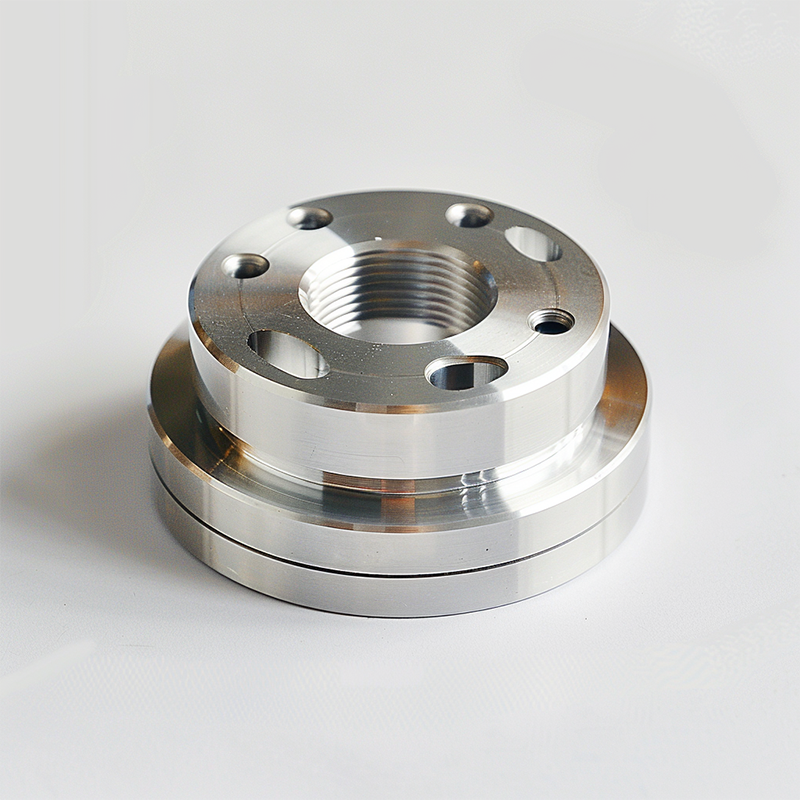
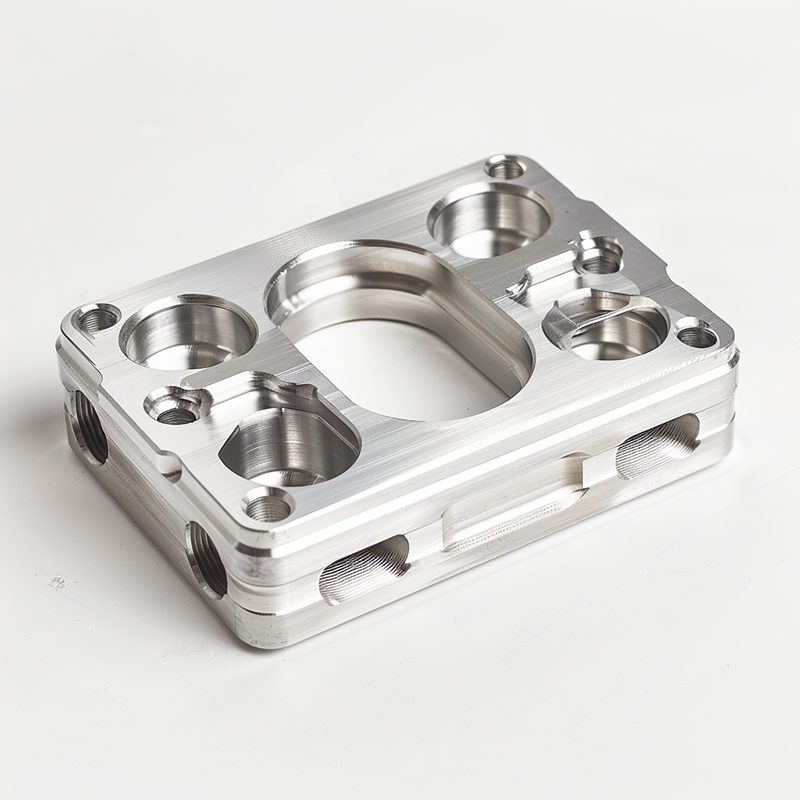
Aluminum Die Casting Company Providing High Precision Metal Parts Worldwide

Aluminum Die Casting Manufacturer for High Precision OEM Industrial Components

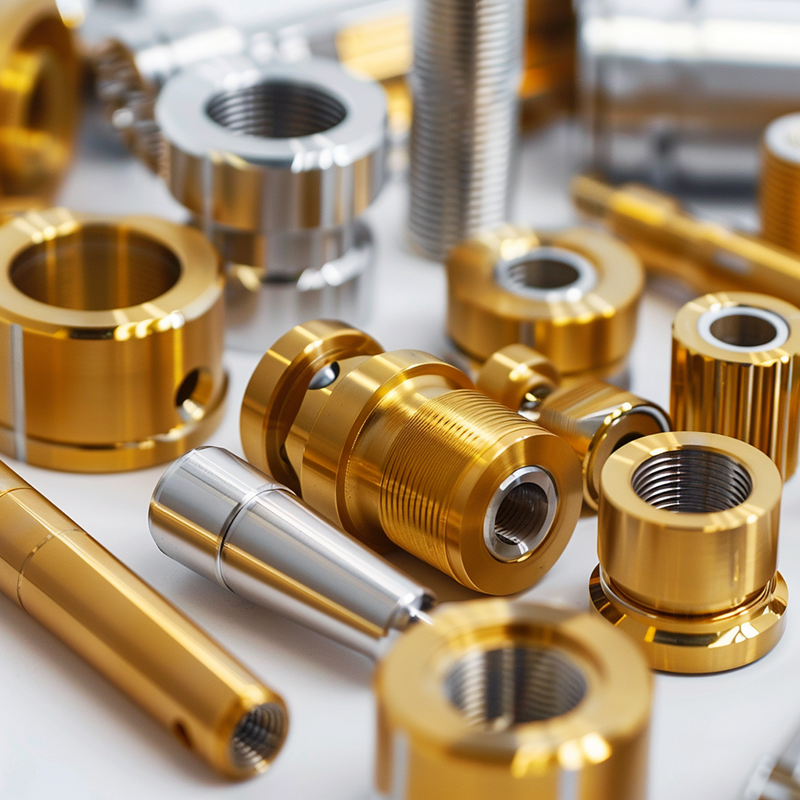
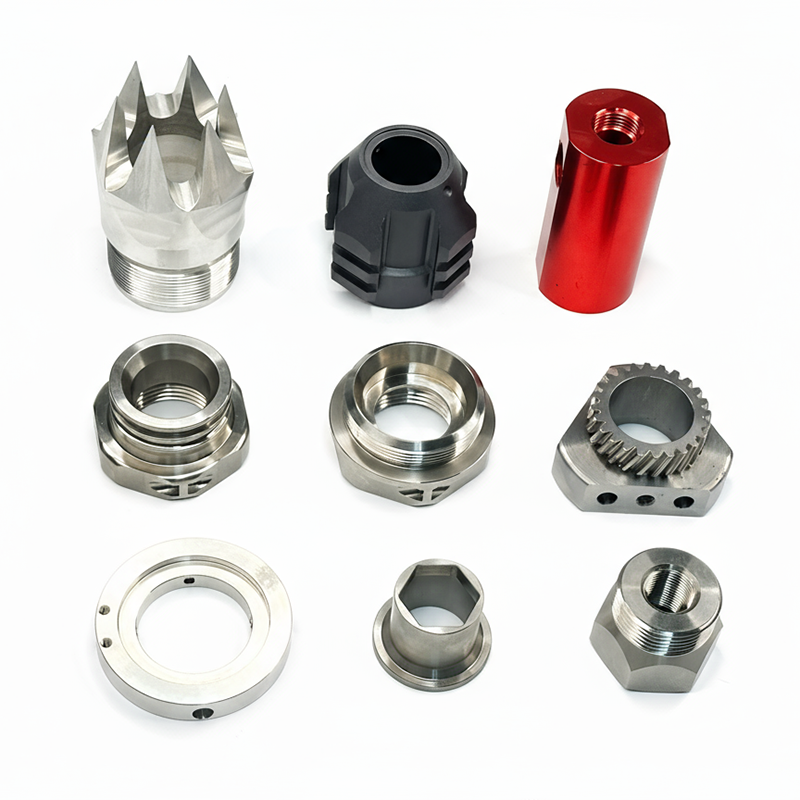
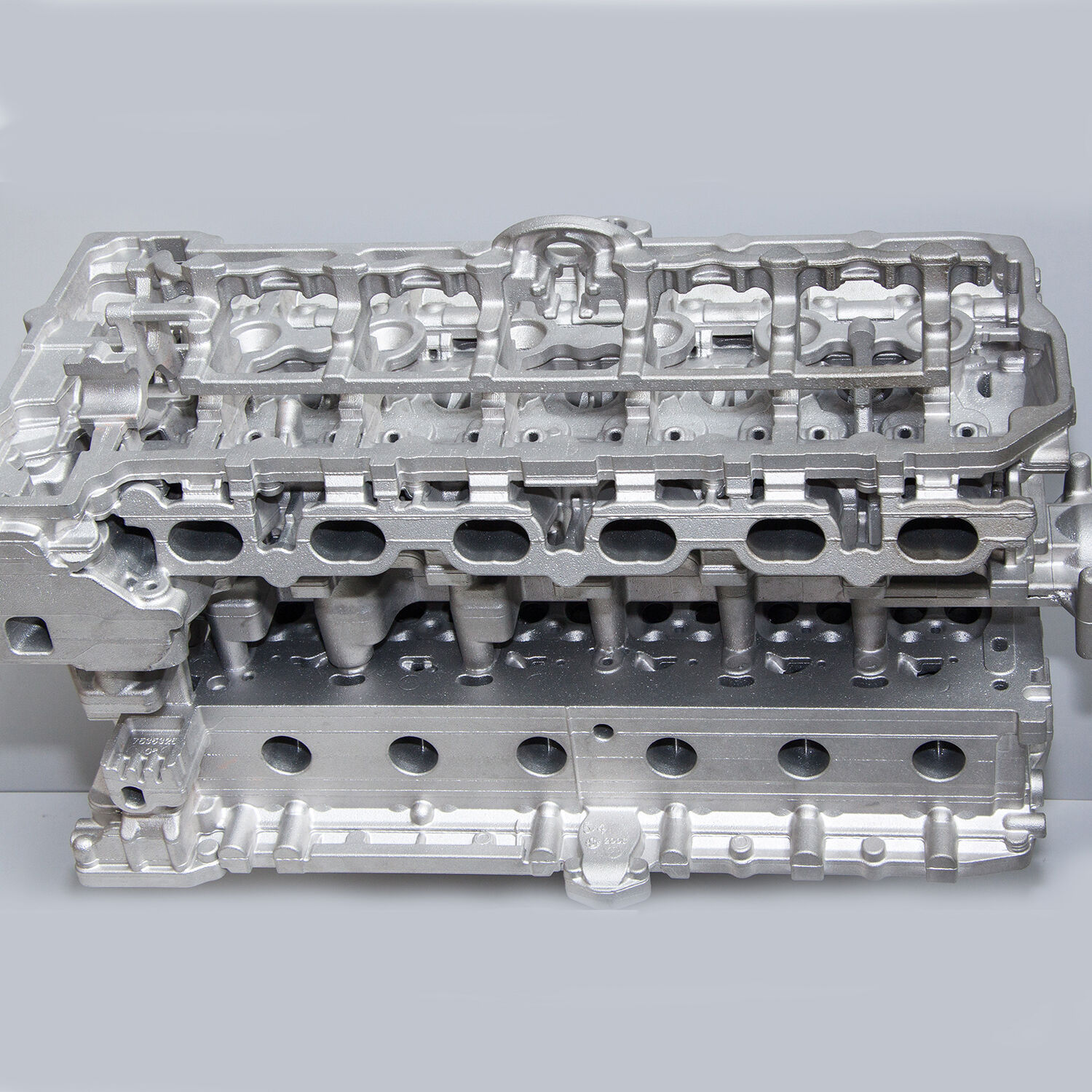
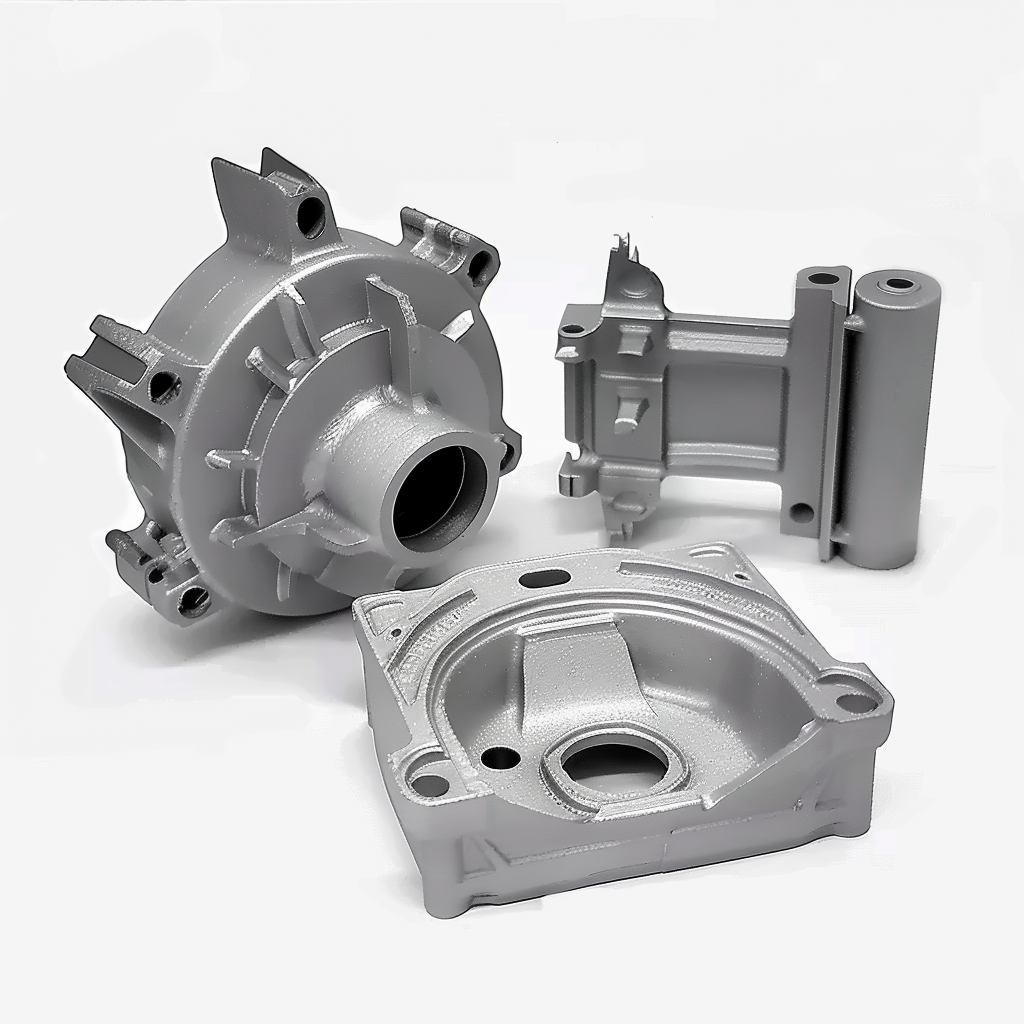
Aluminum die casting is a highly efficient manufacturing process designed to produce complex metal components with exceptional dimensional accuracy, surface consistency, and mechanical performance at scale. By injecting molten aluminum alloys into hardened steel molds under high pressure, aluminum die casting enables near net shape production with thin wall capability as low as 0.5 mm while maintaining stable tolerances within IT11–IT13. For OEMs and industrial buyers, aluminum die casting delivers superior strength-to-weight ratio, excellent thermal conductivity above 150 W/m·K, strong EMI shielding, and long-term dimensional stability across temperature ranges from -60°C to over 200°C depending on alloy selection. Modern aluminum die casting integrates vacuum technology, automated casting cells, and inline quality monitoring to reduce porosity, enhance part density, and ensure repeatable production quality.
Get A Quote

Aluminum Die Casting

Aluminum die casting combines high-pressure metal injection, precise temperature control, and hardened steel tooling to produce components with stable mechanical properties and excellent repeatability. Typical injection pressure ranges from 40 to 120 MPa, enabling rapid cavity filling and fine feature replication. Dimensional tolerance commonly reaches ±0.05–0.10 mm depending on part geometry, meeting ISO IT11–IT13 accuracy classes. Surface roughness typically falls between Ra 0.8–3.2 μm, significantly reducing secondary finishing. Automated aluminum die casting lines operate with cycle times of 25–80 seconds and achieve overall equipment effectiveness above 85 percent. Inline X-ray inspection, SPC monitoring, and traceability systems support compliance with ISO 9001, IATF 16949, and RoHS requirements. For B2B buyers, aluminum die casting provides predictable quality performance, long-term supply stability, and competitive unit economics in high-volume manufacturing environments.

High Strength-to-Weight Ratio for Structural Optimization

Aluminum die casting alloys such as ADC12 and A380 deliver tensile strength between 250–320 MPa while maintaining low density around 2.7 g/cm³. This enables weight reductions of 30–60 percent compared with steel assemblies while preserving load capacity and impact resistance. Fatigue testing commonly exceeds 1 million cycles under automotive vibration standards, supporting structural reliability for chassis components, enclosures, and brackets certified under ISO and OEM validation protocols.

Excellent Thermal Conductivity and EMI Shielding Performance

Aluminum die casting provides thermal conductivity exceeding 150–200 W/m·K, enabling rapid heat dissipation for LED lighting housings, power electronics, and battery systems. Electromagnetic shielding effectiveness commonly surpasses 60 dB across industrial frequency ranges, meeting IEC electromagnetic compatibility requirements. These properties allow aluminum die casting to replace plastic or multi-part metal assemblies while improving thermal stability and electronic protection.

High Dimensional Accuracy and Mass Production Consistency

High clamping force machines exceeding 800–3,000 tons ensure mold stability and repeatable cavity alignment. Aluminum die casting routinely achieves CpK values above 1.67 for critical dimensions when SPC control is implemented. Automated extraction and trimming reduce handling variation, improving batch-to-batch consistency by over 20 percent compared with gravity casting. This consistency supports large-scale procurement programs and stable assembly integration.

Related Products

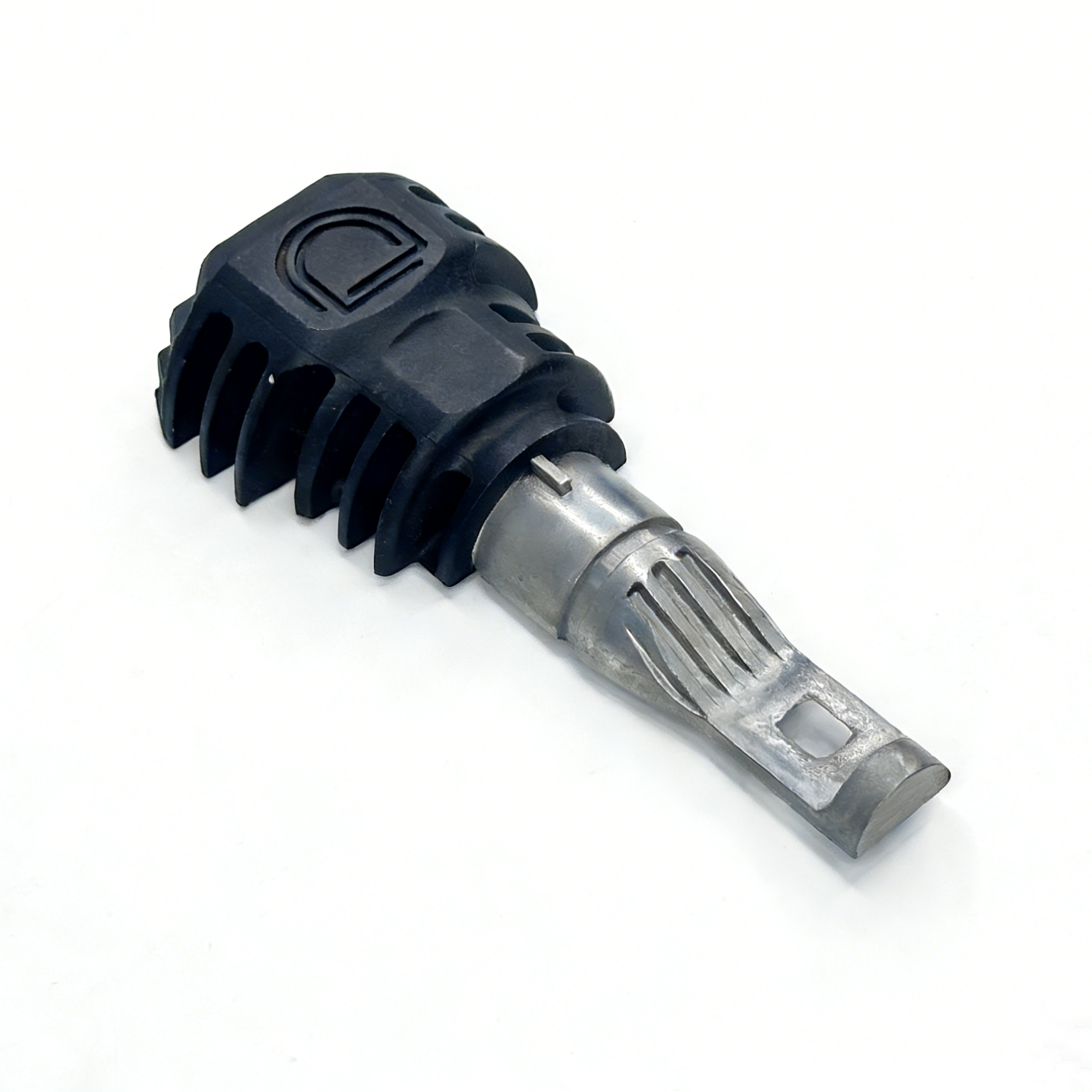
During continuous production validation, aluminum die casting components demonstrated stable filling behavior with minimal turbulence when optimized gate design and vacuum assistance were applied. X-ray inspection confirmed internal porosity reduction by approximately 35 percent compared with conventional casting. Dimensional inspection across 10,000-piece pilot batches showed variation below ±0.06 mm for critical features. Surface coating adhesion passed ISO 2409 Class 0 testing after anodizing and powder coating. Thermal cycling between -40°C and 180°C showed no measurable dimensional drift or microcracking. Assembly yield exceeded 99.4 percent, validating aluminum die casting as a reliable solution for precision industrial production.

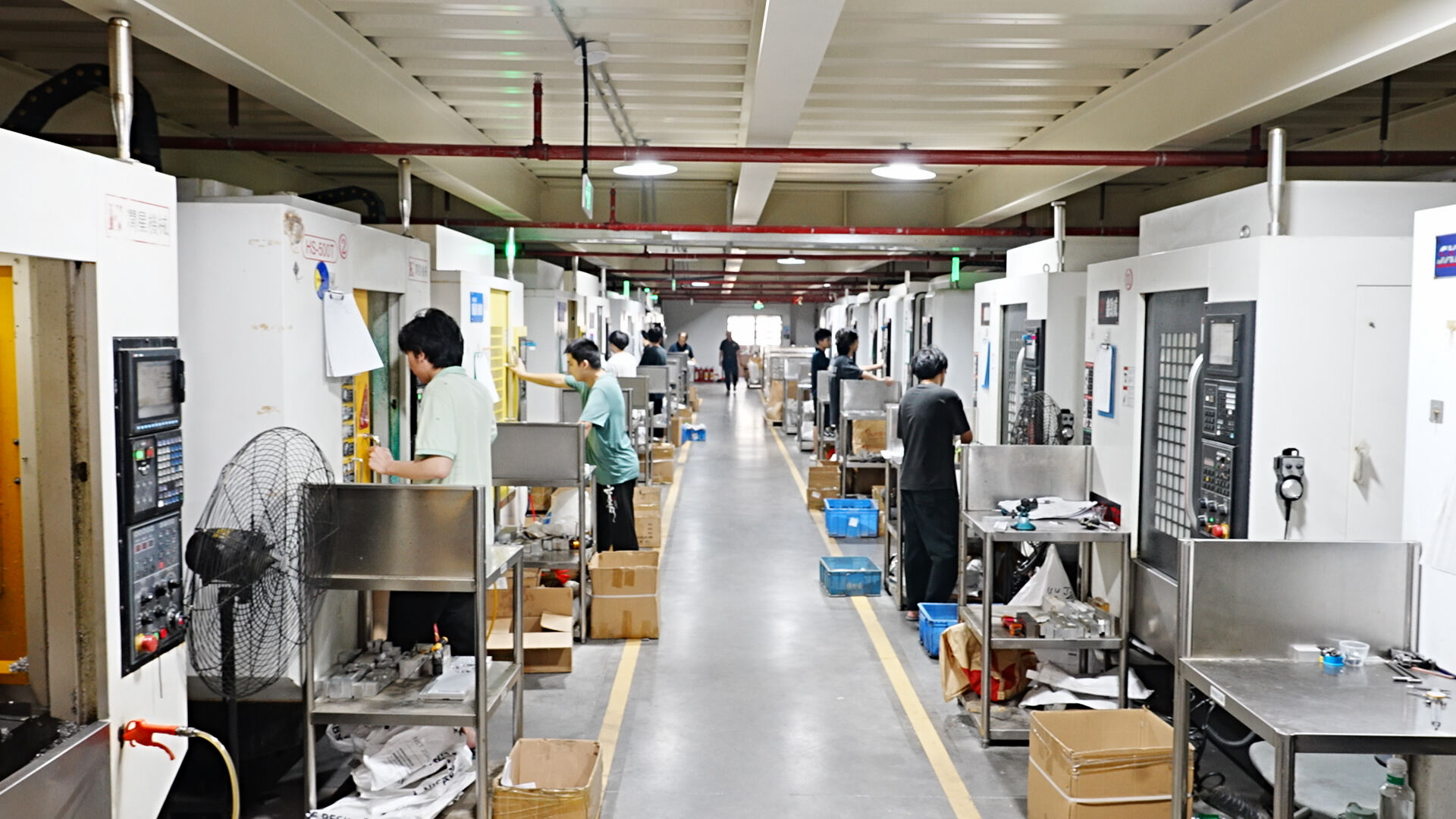
Founded in 2017, Dongguan BIE Hardware Co., Ltd has grown into a vertically integrated precision manufacturing enterprise serving global OEM and industrial customers. Located in Fenggang Town, Dongguan, within one of China’s most mature manufacturing clusters, the company operates a modern production facility exceeding 3,000 square meters, equipped with automated aluminum die casting lines, CNC machining centers, sheet metal fabrication systems, and plastic injection molding capabilities.

BIE maintains a diversified equipment portfolio including aluminum die casting machines ranging from 180T to 1,000T, multi-axis machining centers, robotic trimming stations, automated deburring lines, and in-line inspection cells. This configuration supports full project execution from tooling development, prototype validation, pilot production, volume manufacturing, surface finishing, and final assembly. Annual production capacity exceeds several million components, ensuring stable supply capability for long-term industrial programs.

Engineering competence is a strategic advantage. BIE applies mold flow simulation, thermal balancing analysis, and structural validation during product development to optimize gating systems, minimize porosity risk, and extend mold life beyond 500,000 shots depending on alloy selection. Digital production management systems monitor shot speed, temperature, pressure, and cycle stability in real time, reducing defect rates by more than 25 percent year-over-year.

Quality management systems comply with ISO 9001:2015, ISO 14001:2015, ISO 45001:2018, and RoHS directives. The inspection laboratory integrates coordinate measuring machines, optical measurement systems, spectrometers, salt spray chambers, and mechanical testing equipment. Statistical process control ensures CpK stability above 1.33 for critical dimensions across serial production. Traceability systems allow complete batch tracking from raw material to shipment.

Sustainability practices emphasize closed-loop aluminum recycling, achieving material utilization above 95 percent. Energy-efficient melting furnaces reduce electricity consumption per ton by approximately 20 percent. Water recycling systems minimize environmental discharge while maintaining cooling stability.

Customer service integrates engineering consultation, rapid quoting within 24 hours, prototype delivery within 7–15 working days, PPAP documentation support, and 24/7 technical response. Strategic logistics partnerships support stable delivery to Europe and North America. By continuously investing in automation, digital quality infrastructure, and workforce training, BIE positions itself as a reliable aluminum die casting manufacturing partner delivering scalable quality and long-term value.

FAQ

What production volumes justify aluminum die casting tooling investment?

Aluminum die casting becomes economically advantageous when annual volumes exceed approximately 50,000 units. Tooling amortization improves significantly above 100,000 units, delivering stable unit cost reduction and consistent quality output.
Vacuum-assisted aluminum die casting reduces porosity below 1 percent, supporting leak-tight housings and weldable components when validated by X-ray and helium testing.
Aluminum alloys exhibit minimal creep at ambient temperature. Combined with hardened steel tooling and closed-loop process control, dimensional drift remains below ±0.05 mm across long production cycles.

More Posts

Why is There a Big Price Difference in cnc turned parts manufacturer Among Different Suppliers?

31

Jan

Why is There a Big Price Difference in cnc turned parts manufacturer Among Different Suppliers?

In the world of precision machining, procurement professionals often encounter a puzzling scenario: the same part drawing receives wildly different quotes from multiple suppliers. Last week, an engineer sent a 3D CAD file of a connecting shaft to thr...
View More
What is the Typical Lead Time for cnc lathe machining parts? How to Shorten Production Time

31

Jan

What is the Typical Lead Time for cnc lathe machining parts? How to Shorten Production Time

In global manufacturing supply chains, lead time is no longer a secondary commercial term—it has become a core competitiveness indicator. For buyers sourcing cnc lathe machining parts, especially in cross-border projects, delivery speed directl...
View More
What are the Common Mistakes in Choosing cnc turning service? How to Avoid Them

31

Jan

What are the Common Mistakes in Choosing cnc turning service? How to Avoid Them

Introduction: The Strategic Importance of CNC Turning Service CNC turning service has become an essential capability in modern precision manufacturing. Industries such as automotive, electronics, aerospace, and industrial automation rely on CNC turni...
View More
What are the Latest aluminium casting manufacturers Technologies? Industry Development Trends

31

Jan

What are the Latest aluminium casting manufacturers Technologies? Industry Development Trends

As a seasoned project manager overseeing precision manufacturing projects, I’ve observed that partnering with the right aluminium casting manufacturers is critical for achieving both high-quality components and cost efficiency. In today’s...
View More

Customer Reviews

Jonathan Reed – Automotive Program Manager

Aluminum die casting allowed us to integrate three machined parts into a single housing, reducing assembly labor by 32 percent while improving dimensional repeatability.

Isabella Chen – Electronics Manufacturing Director

Thermal management improved by 27 percent after switching to aluminum die casting enclosures, enabling higher power density designs.

Martin Keller – Supply Chain Manager

Delivery consistency and SPC transparency reduced incoming inspection failures by over 40 percent within six months.

Get a Free Quote

Our representative will contact you soon.
Email
Name
Company Name
Message
0/1000
Attachment
Please upload at least an attachment
Up to 3 files,more 30mb,suppor jpg、jpeg、png、pdf、doc、docx、xls、xlsx、csv、txt、stp、step、igs、x_t、dxf、prt、sldprt、sat、rar、zip
High-Density Vacuum Aluminum Die Casting for Structural Integrity

High-Density Vacuum Aluminum Die Casting for Structural Integrity

Vacuum aluminum die casting reduced internal gas porosity to below 0.8 percent verified through X-ray CT scanning. Tensile strength consistently exceeded 290 MPa, meeting automotive structural requirements. Leak testing achieved <1×10⁻³ mbar·L/s performance. These metrics support pressure-bearing and weldable aluminum die casting components.
Ultra-Thin Wall Precision and Surface Consistency

Ultra-Thin Wall Precision and Surface Consistency

Aluminum die casting achieved stable wall thickness down to 0.5 mm with surface roughness averaging Ra 1.4 μm. Dimensional CpK exceeded 1.67 across 200,000 production cycles, reducing secondary machining by 28 percent.
Scalable Automation and Sustainable Production Efficiency

Scalable Automation and Sustainable Production Efficiency

Automated aluminum die casting cells delivered cycle times under 45 seconds. Scrap recovery exceeded 95 percent, reducing material cost volatility. Energy consumption per ton decreased by 18 percent through furnace optimization.

Copyright © Dongguan BIE Hardware Co., Ltd  -  Privacy policy