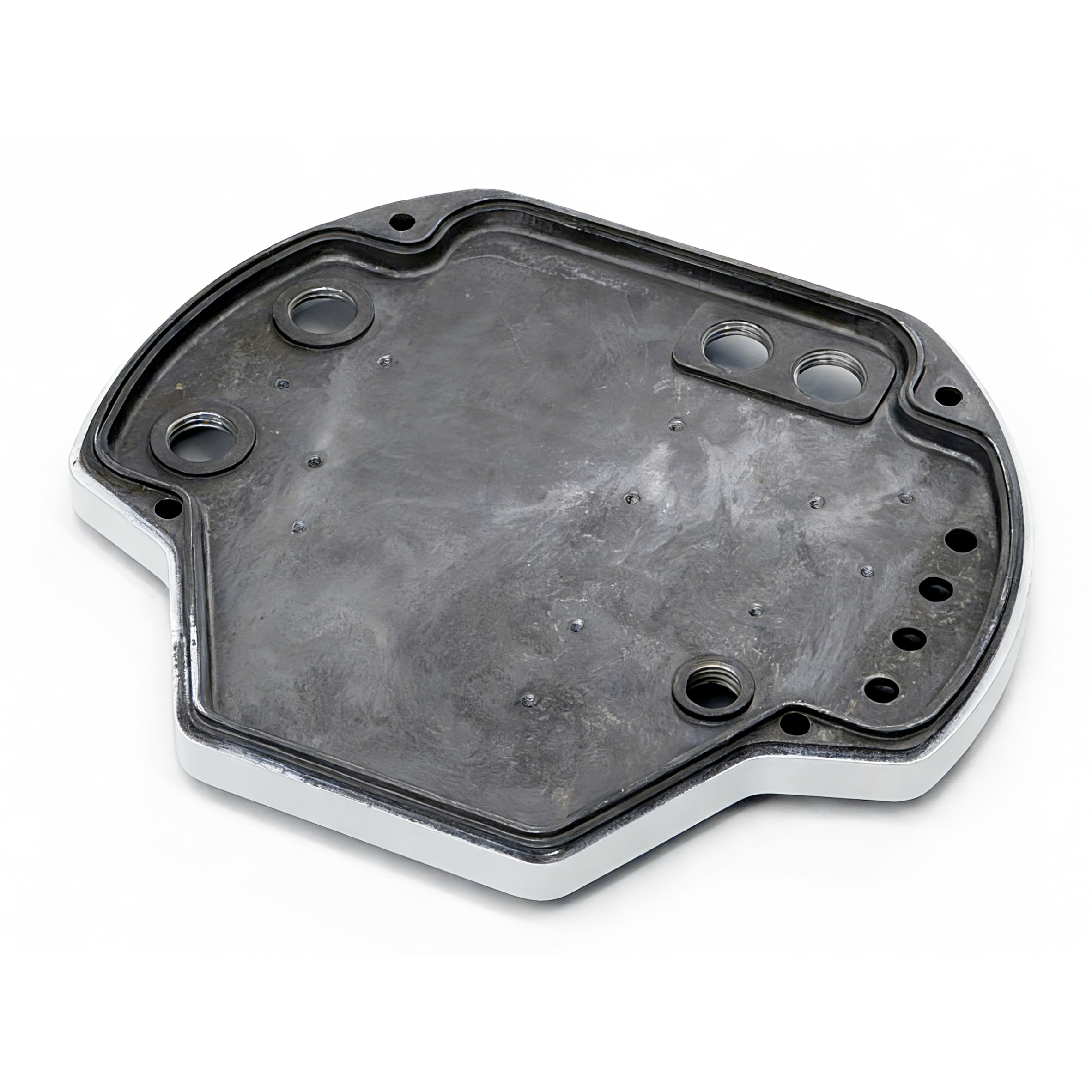
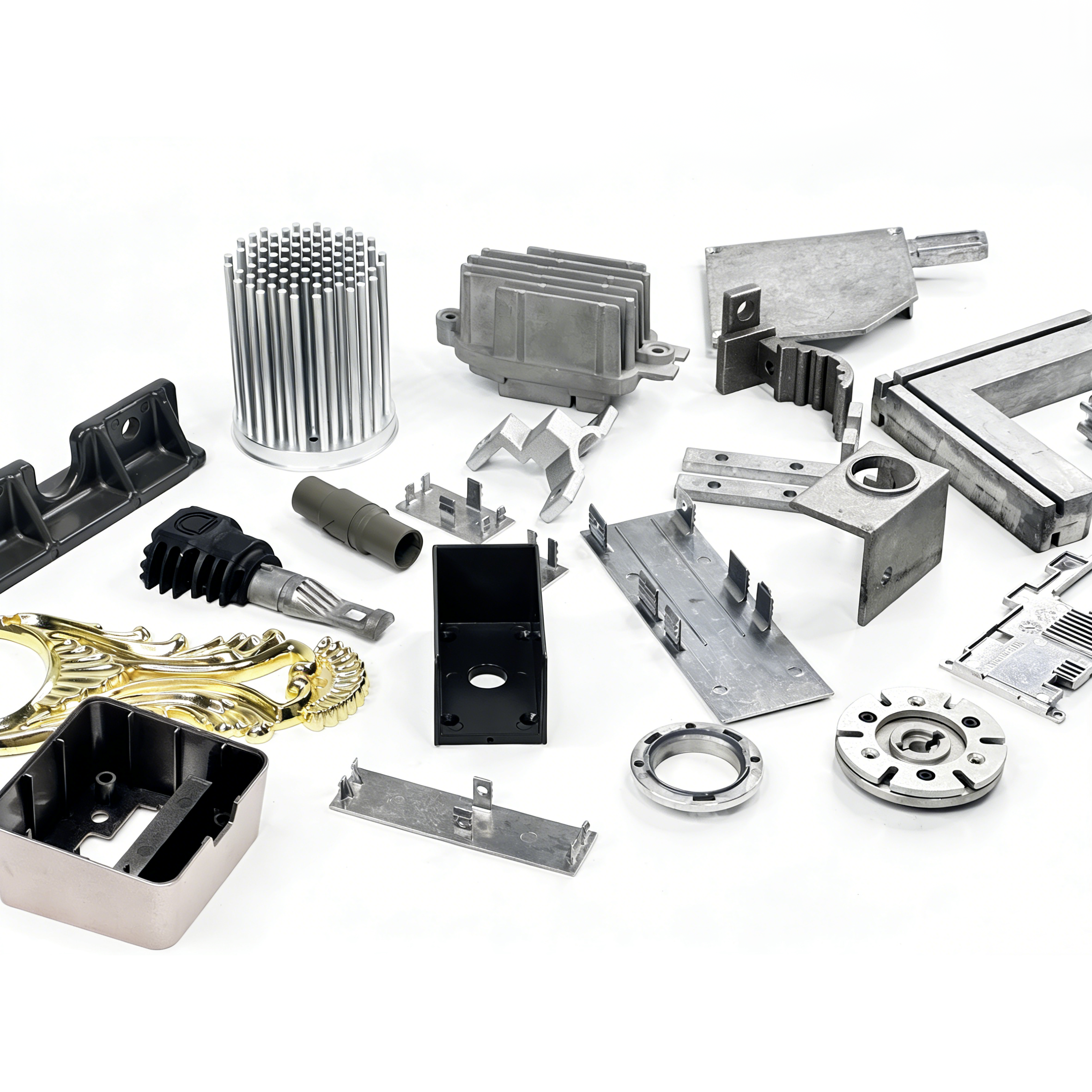
Die Casting Supplier for Automotive Electronics and Industrial Manufacturing

Die Casting Manufacturing Services for High Precision Metal Parts OEM and Industrial Supply

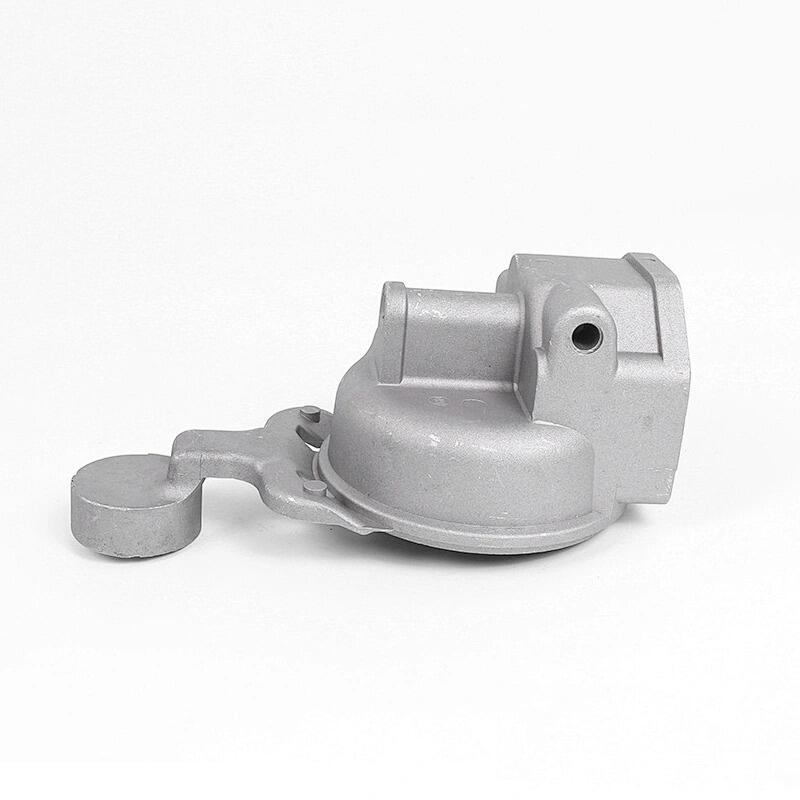
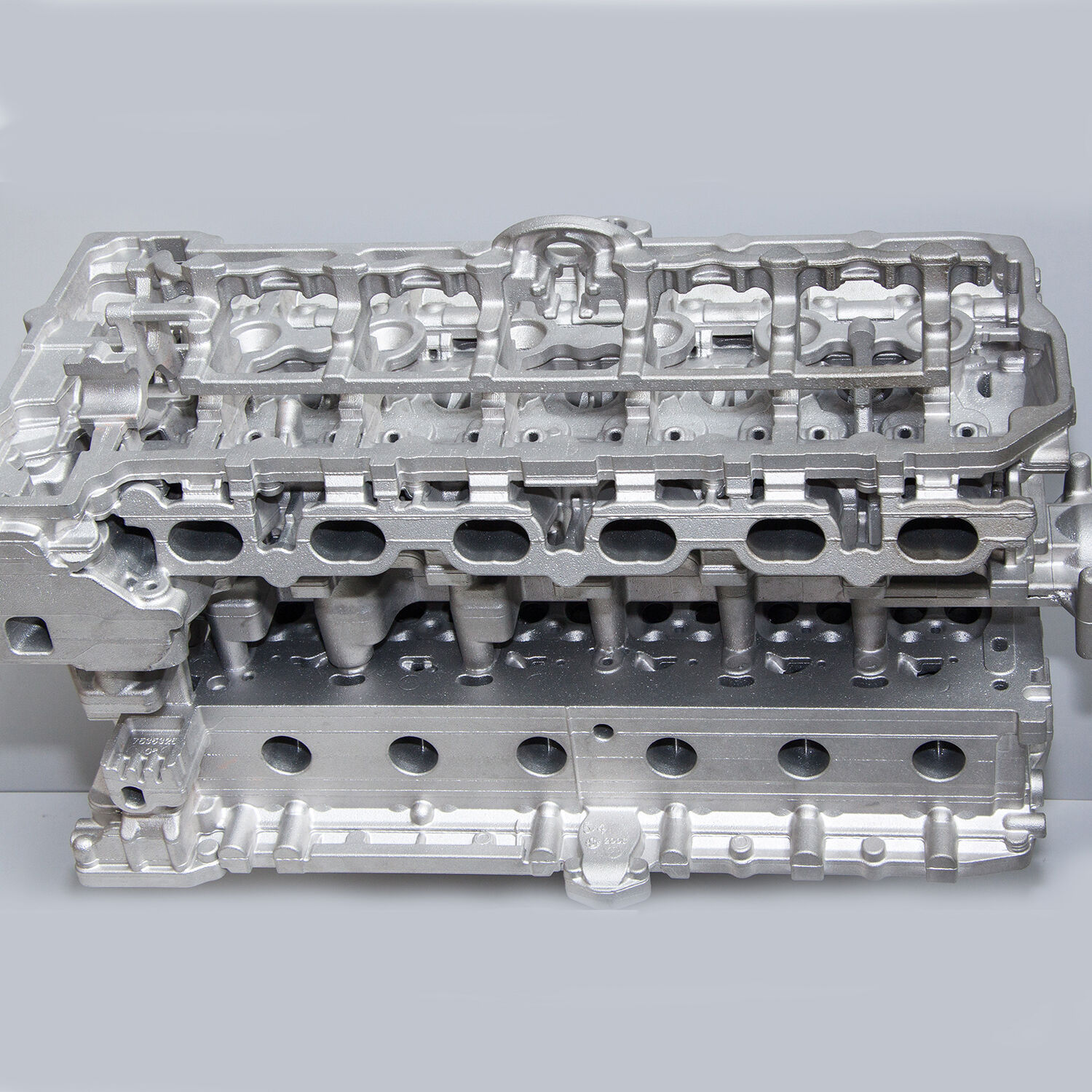
Die Casting is a highly efficient metal forming process widely adopted by OEM manufacturers seeking high dimensional accuracy, structural consistency, and scalable production capacity. By injecting molten aluminum, zinc, magnesium, or copper alloys into hardened steel molds under pressures exceeding 100 MPa, Die Casting enables near-net-shape production of complex geometries with excellent surface finish and repeatability. Modern Die Casting integrates vacuum systems, robotic automation, closed-loop temperature control, and digital quality monitoring to deliver stable output with defect rates typically below 500 ppm in mature production lines. Die Casting components achieve tensile strength levels above 230 MPa, thermal conductivity exceeding 150 W/m·K for aluminum alloys, and surface roughness Ra as low as 0.8 μm.
Get A Quote

Die Casting

Die Casting delivers a balanced combination of mechanical performance, dimensional stability, production efficiency, and long-term cost control. Compared with machining and fabrication, Die Casting reduces material waste by over 30 percent while increasing production throughput by up to 60 percent through automated high-pressure injection cycles. Process stability is maintained through precise control of injection velocity, mold temperature, vacuum level, and solidification rate, enabling consistent metallurgical properties across large batch volumes. Certified manufacturing systems such as ISO 9001, ISO 14001, ISO 45001, and RoHS ensure traceability, regulatory compliance, and environmental responsibility. For B2B buyers, Die Casting provides predictable scalability, reduced assembly complexity, and reliable repeatability aligned with automotive PPAP, medical traceability, and industrial quality frameworks.

High Strength and Structural Integrity for Load-Bearing Applications

Die Casting alloys such as A380 aluminum and Zamak 3 zinc routinely achieve tensile strengths between 230 and 320 MPa with yield strengths exceeding 160 MPa. Internal density levels above 98 percent are achieved using vacuum-assisted injection and optimized gate design, verified by X-ray inspection per ASTM E505 standards. Impact resistance improves by approximately 25 percent compared with gravity casting, supporting dynamic loading environments in automotive chassis components, motor housings, and structural enclosures.

Exceptional Dimensional Accuracy and Surface Quality at Scale

Die Casting consistently delivers dimensional tolerances within ±0.05 mm for critical features and surface roughness between Ra 0.8–3.2 μm, reducing secondary machining requirements by up to 40 percent. Statistical process control maintains CpK above 1.67 in stable production environments. Automated mold temperature control maintains variation below ±3°C, ensuring stable shrinkage behavior and high interchangeability for mass production assembly lines.

Superior Cost Efficiency and Sustainable Production Economics

Die Casting achieves material utilization rates exceeding 92 percent through closed-loop recycling of runners and overflow material. For annual volumes exceeding 100,000 units, total landed cost reductions of 25–35 percent are typical compared with CNC machining. Aluminum recycling requires only approximately 5 percent of the energy of primary aluminum production, supporting ISO 14001 environmental targets and carbon footprint reduction strategies.

Related Products

In continuous production trials, Die Casting maintained stable cycle times between 26 and 34 seconds on a 1,800-ton automated casting cell. Dimensional inspection across 18,000 consecutive shots confirmed deviation below ±0.04 mm on critical interfaces. X-ray analysis verified internal porosity levels under 1.8 percent after vacuum optimization. Salt spray corrosion testing exceeded 720 hours per ASTM B117 following powder coating. Thermal conductivity measurements exceeded 155 W/m·K on aluminum heat sink components. These results demonstrate that Die Casting consistently delivers high mechanical stability, surface integrity, and predictable production throughput suitable for long-term OEM programs.

Dongguan BIE Hardware Co., Ltd, founded in 2017, operates as a vertically integrated precision manufacturing enterprise serving global OEM and Tier-1 industrial customers. Located in Fenggang Town, Dongguan, Guangdong Province, the company manages a modern production campus exceeding 3,000 square meters, housing high-tonnage Die Casting machines ranging from 280 to 1,800 tons, multi-axis CNC machining centers, automated robotic handling systems, surface finishing lines, and full in-house quality laboratories.

BIE’s Die Casting operations are designed around intelligent manufacturing principles. Each casting cell integrates vacuum evacuation systems, closed-loop thermal regulation, robotic extraction, and inline trimming automation. Injection pressure accuracy is maintained within ±1.5 percent while mold temperature deviation remains below ±2.5°C, ensuring consistent metallurgical quality and dimensional stability. Annual Die Casting output capacity exceeds 2.5 million precision components supporting automotive drivetrain housings, electronic enclosures, lighting heat sinks, medical equipment frames, and industrial automation modules.

Quality management follows ISO 9001:2015 standards supported by digital traceability systems linking raw material batches, process parameters, inspection data, and final shipment records. Environmental and safety governance aligns with ISO 14001 and ISO 45001 certifications, reducing operational risk and ensuring regulatory compliance across international supply chains. All materials conform to RoHS requirements for hazardous substance control.

BIE’s inspection infrastructure includes coordinate measuring machines with accuracy to 0.002 mm, X-ray non-destructive testing equipment, metallographic analysis systems, salt spray chambers, hardness testers, tensile testing rigs, and surface roughness analyzers. First article approval rates exceed 98 percent, while mature production defect rates remain below 350 ppm. Engineering teams perform mold flow simulation, gating optimization, thermal balance analysis, and DFM reviews to reduce development cycles by approximately 30 percent.

The company’s one-stop manufacturing capability integrates Die Casting, CNC machining, sheet metal fabrication, injection molding, surface treatment, and final assembly under one operational framework. This consolidation reduces logistics complexity, shortens lead time, and improves quality consistency for international customers. Typical tooling lead times range from 20 to 35 days depending on complexity.

After-sales services include 7×24 engineering support, process optimization reviews, warranty traceability, continuous improvement reporting, and supply continuity planning. On-time delivery performance consistently exceeds 97 percent across annual shipping volumes to Europe and North America. Continuous investments in automation, digital MES systems, energy-efficient furnaces, and green manufacturing initiatives reinforce BIE’s long-term sustainability and operational resilience.

FAQ

What materials are commonly used in Die Casting manufacturing?

Die Casting primarily uses aluminum, zinc, magnesium, and copper alloys. Aluminum provides excellent strength-to-weight ratio and thermal conductivity. Zinc offers superior surface detail and wear resistance. Magnesium enables ultra-lightweight structural designs. Copper alloys deliver high electrical conductivity for specialized applications.
Die Casting uses automated injection control, vacuum evacuation, mold temperature stabilization, SPC monitoring, and inline inspection systems. CpK values above 1.67 are typically achieved for critical dimensions, supported by ISO 9001 quality management and PPAP documentation.
Die Casting becomes highly cost-effective for annual volumes exceeding 50,000–100,000 units due to tooling amortization, automation efficiency, and reduced secondary machining requirements.

More Posts

What is the Processing Flow of pressure die casting? Detailed Step-by-Step Analysis

31

Jan

What is the Processing Flow of pressure die casting? Detailed Step-by-Step Analysis

A Detailed Step-by-Step Analysis for Global Buyers When holding a modern smartphone, automotive component, or smart home device, few people realize that many of the lightweight yet structurally complex metal parts inside are produced through pressure...
View More
How to Control the Production Cost of precision die cast? Practical Cost-Saving Solutions

31

Jan

How to Control the Production Cost of precision die cast? Practical Cost-Saving Solutions

Introduction: Balancing Precision Requirements and Cost Pressure Precision die cast manufacturing has become a foundational process across automotive components, electronic housings, industrial equipment, and medical devices. As product designs grow ...
View More
What are the Key Indicators for Judging aluminium alloy for casting Quality? Testing Methods

31

Jan

What are the Key Indicators for Judging aluminium alloy for casting Quality? Testing Methods

Dongguan BIE Hardware Co., Ltd has decades of experience in supplying high-quality injection molded plastic parts for industries ranging from automotive to electronics and medical devices. Despite their prevalence, ensuring consistent quality remains...
View More
What are the Latest aluminium casting manufacturers Technologies? Industry Development Trends

31

Jan

What are the Latest aluminium casting manufacturers Technologies? Industry Development Trends

As a seasoned project manager overseeing precision manufacturing projects, I’ve observed that partnering with the right aluminium casting manufacturers is critical for achieving both high-quality components and cost efficiency. In today’s...
View More

Customer Reviews

Andrew Collins

“Die Casting improved our assembly efficiency by 28 percent while maintaining tight dimensional tolerances. Quality consistency and delivery stability exceeded our expectations.”

Laura Chen

“The Die Casting process achieved excellent surface finish and mechanical reliability across multiple production cycles. Engineering support accelerated our product launch timeline.”

Markus Feld

“Switching to Die Casting reduced our unit cost by over 30 percent while improving structural rigidity and thermal performance.”

Get a Free Quote

Our representative will contact you soon.
Email
Name
Company Name
Message
0/1000
Attachment
Please upload at least an attachment
Up to 3 files,more 30mb,suppor jpg、jpeg、png、pdf、doc、docx、xls、xlsx、csv、txt、stp、step、igs、x_t、dxf、prt、sldprt、sat、rar、zip
High Density and Mechanical Stability Validated by X-Ray Inspection

High Density and Mechanical Stability Validated by X-Ray Inspection

Die Casting components achieved density levels above 98 percent with porosity below 2 percent verified by ASTM E505 X-ray inspection. Fatigue endurance exceeded 10 million cycles under controlled load conditions, supporting long-term durability in automotive and industrial applications.
Precision Surface Finish Supporting Advanced Coating Systems

Precision Surface Finish Supporting Advanced Coating Systems

Surface roughness achieved Ra 0.8–3.2 μm, enabling consistent powder coating adhesion per ISO 2409 Grade 0. Corrosion resistance exceeded 720 hours salt spray testing.
Scalable Automated Production with Digital Traceability

Scalable Automated Production with Digital Traceability

Automated Die Casting cells integrate MES traceability, SPC analytics, and robotic handling achieving defect rates below 400 ppm and on-time delivery above 97 percent.

Copyright © Dongguan BIE Hardware Co., Ltd  -  Privacy policy