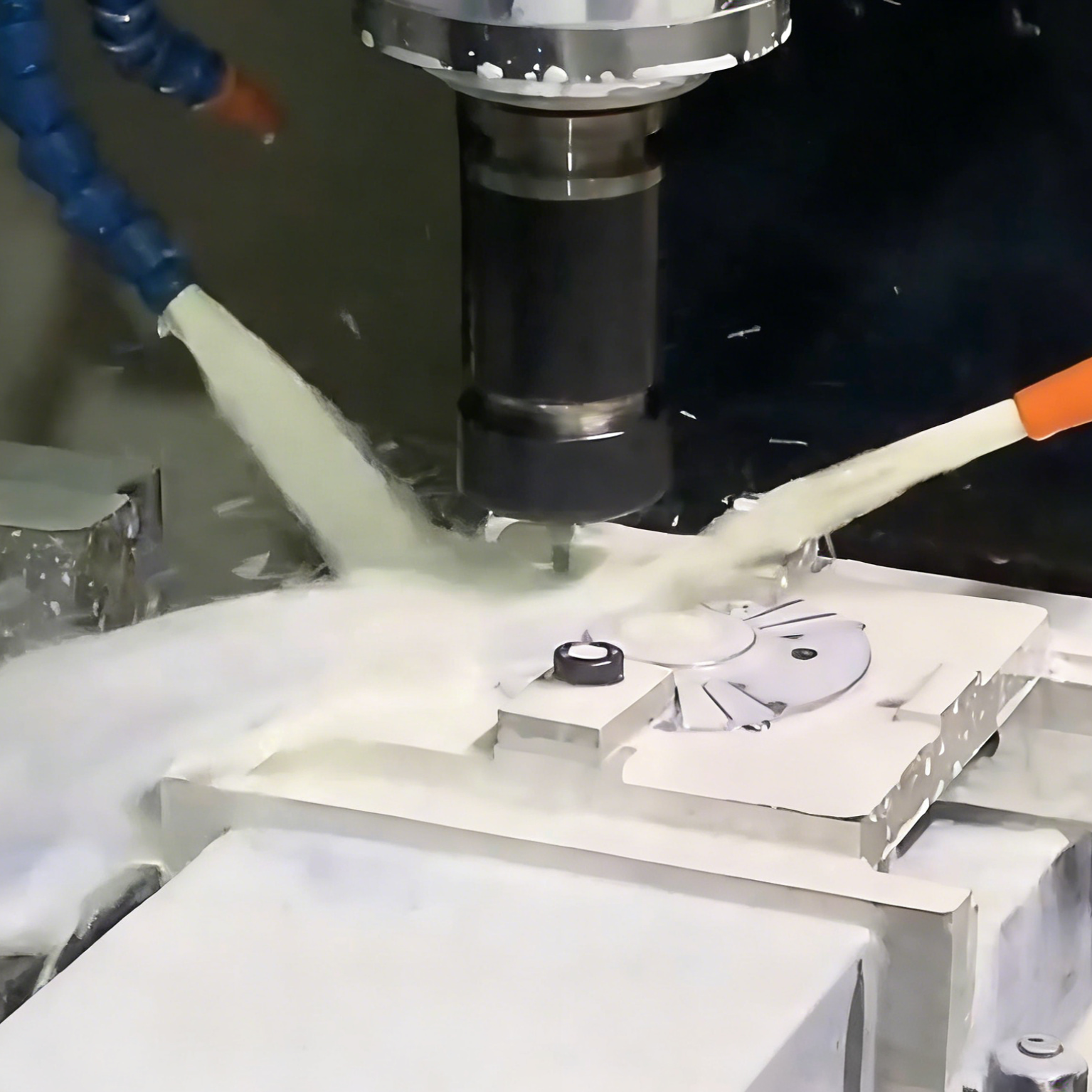
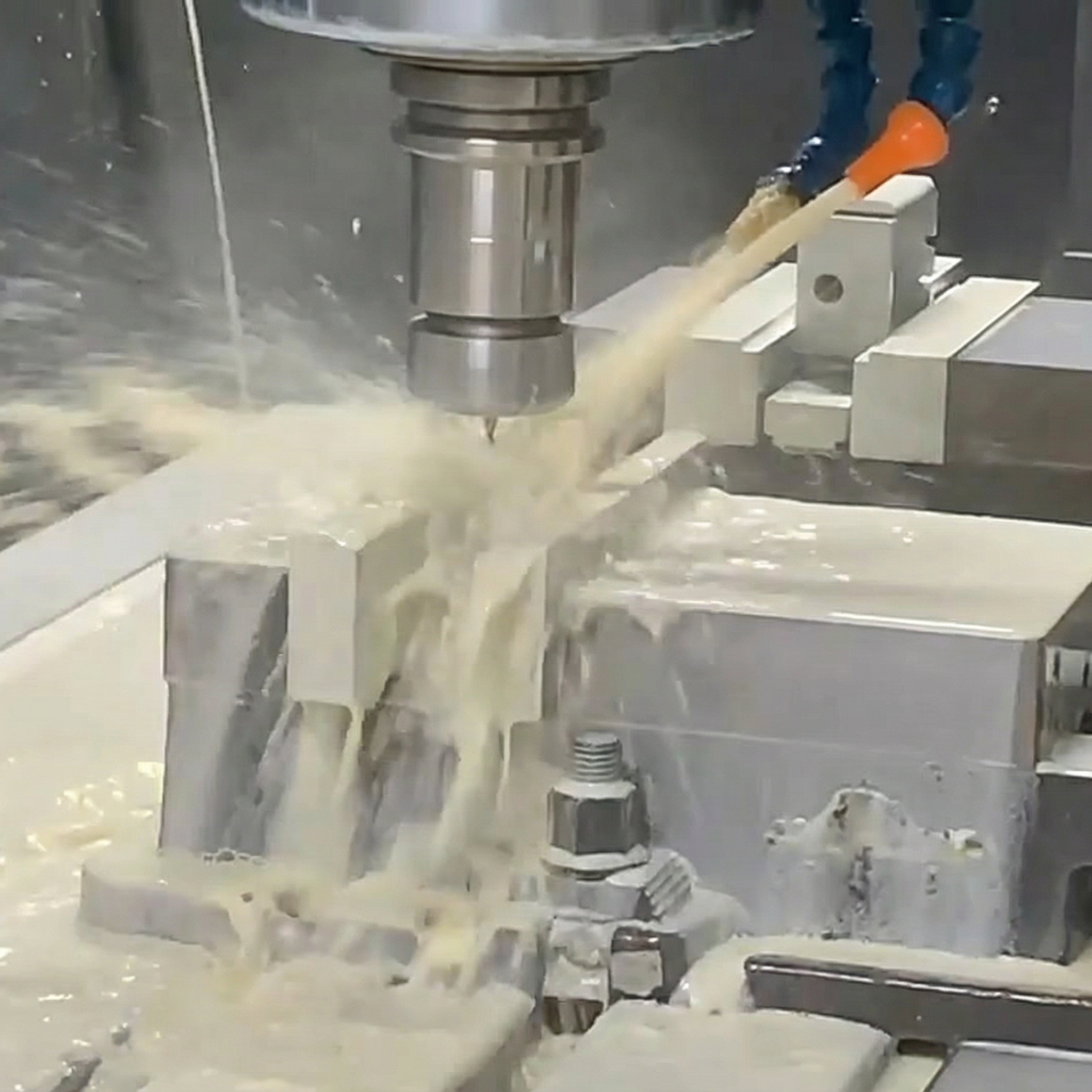
CNC Horizontal Machining: 22% Faster Cycle Times & ±1μm Precision

CNC Horizontal Machining Solutions for High-Precision Industrial Manufacturing

CNC Horizontal Machining has become a cornerstone technology for manufacturers seeking ultra-high precision, scalable productivity, and long-term process stability in demanding industrial environments. By combining rigid horizontal spindle architecture, multi-axis automation, and intelligent process control, CNC Horizontal Machining enables micron-level tolerances, exceptional surface integrity, and consistent batch repeatability across complex geometries. From aerospace structural components and automotive housings to medical implants and energy equipment, CNC Horizontal Machining supports both prototyping and high-volume production with predictable quality and optimized cost efficiency. Modern CNC Horizontal Machining platforms integrate high-speed spindles, adaptive control systems, automated tool changers, digital twin simulation, and predictive maintenance technologies to minimize downtime and maximize throughput.
Get A Quote

CNC Horizontal Machining

CNC Horizontal Machining delivers a balanced combination of structural rigidity, thermal stability, automation scalability, and digital manufacturing intelligence. Compared with conventional vertical machining platforms, CNC Horizontal Machining allows heavier cutting loads, improved chip evacuation, superior multi-face machining efficiency, and reduced repositioning errors. Advanced five-axis integration and hybrid turning-milling functionality enable single-setup production for complex parts, significantly improving geometric accuracy and reducing cumulative tolerance stack-up. Industry benchmarks demonstrate that high-end CNC Horizontal Machining centers achieve positioning accuracy of ±2 μm, repeatability within ±1 μm, spindle speeds exceeding 18,000 rpm, and material removal rates 20–35% higher than traditional three-axis machines.

Ultra-High Precision and Repeatability

CNC Horizontal Machining systems utilize symmetrical machine structures, high-rigidity guideways, and thermally compensated ball screws to achieve consistent micron-level accuracy. Industrial validation data shows repeat positioning accuracy within ±1 μm over 24-hour continuous operation. Integrated laser calibration and closed-loop feedback maintain dimensional stability even under heavy cutting loads and thermal variation. This precision is essential for aerospace brackets, medical implant interfaces, and high-tolerance gearbox housings that require Cpk ≥1.67 in mass production.

Complex Multi-Axis Capability with Single Setup

With five-axis linkage and rotary table integration, CNC Horizontal Machining enables complete machining of multi-surface parts in a single clamping cycle. This reduces fixture dependency by up to 40% and eliminates cumulative alignment errors typically caused by multiple setups. CAM-driven toolpath optimization supports impeller blades, mold cavities, and contoured structural components with surface roughness reaching Ra ≤0.4 μm. Productivity studies show cycle time reduction of 18–30% compared with sequential repositioning workflows.

Intelligent Automation and Predictive Stability

CNC Horizontal Machining platforms integrate adaptive feed control, tool life monitoring, vibration sensors, and MES connectivity. Real-time spindle load analysis automatically adjusts cutting parameters to extend tool life by 20–25% and stabilize surface consistency. Predictive maintenance analytics reduce unplanned downtime by approximately 35%, according to smart factory benchmarks. Automated pallet changers and robotic loading enable 24/7 lights-out manufacturing while maintaining ISO-compliant traceability and production documentation.

Related Products

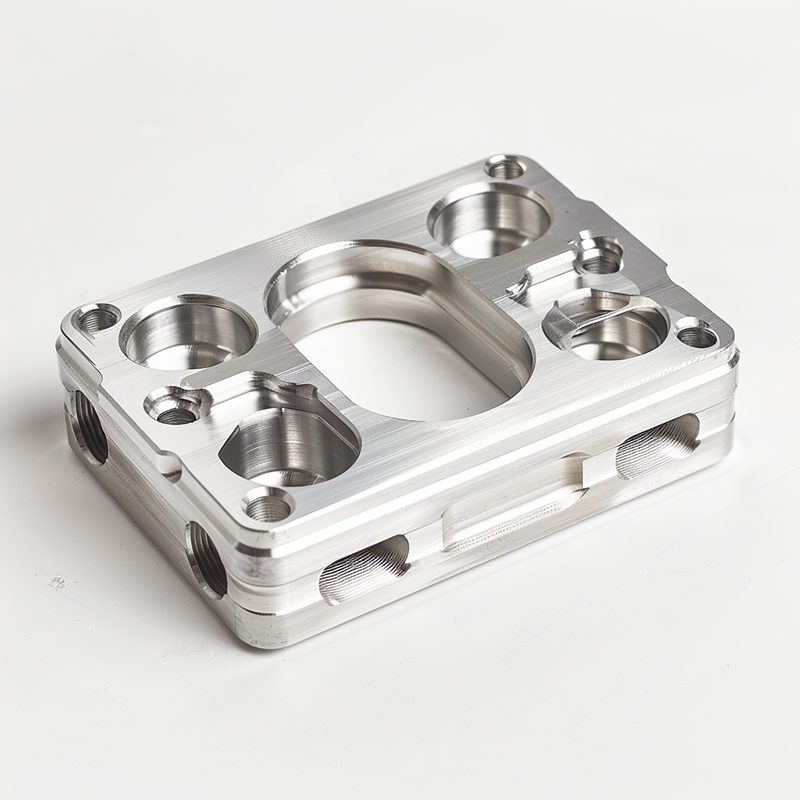
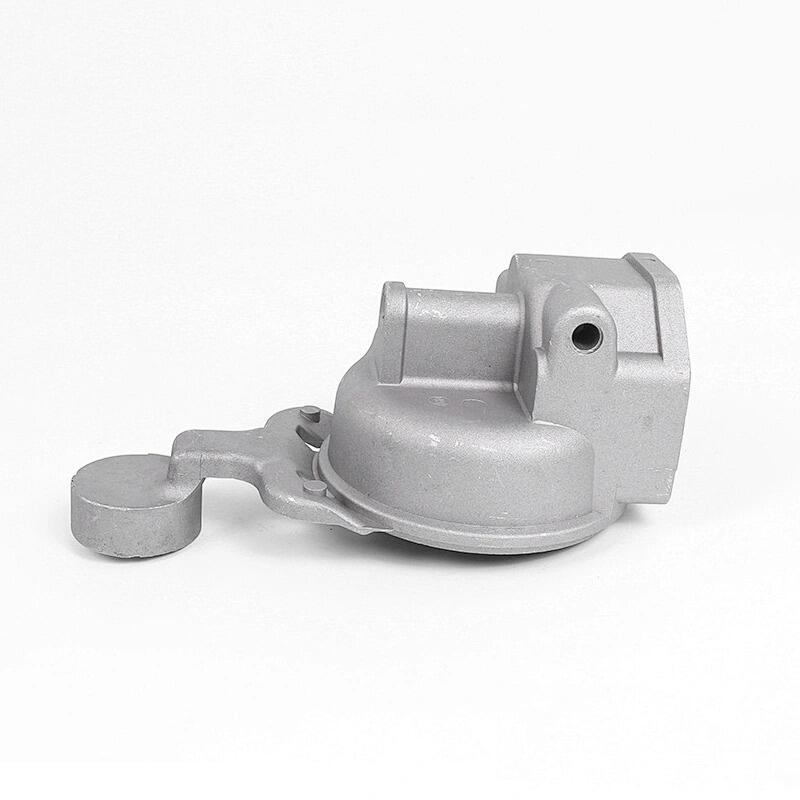
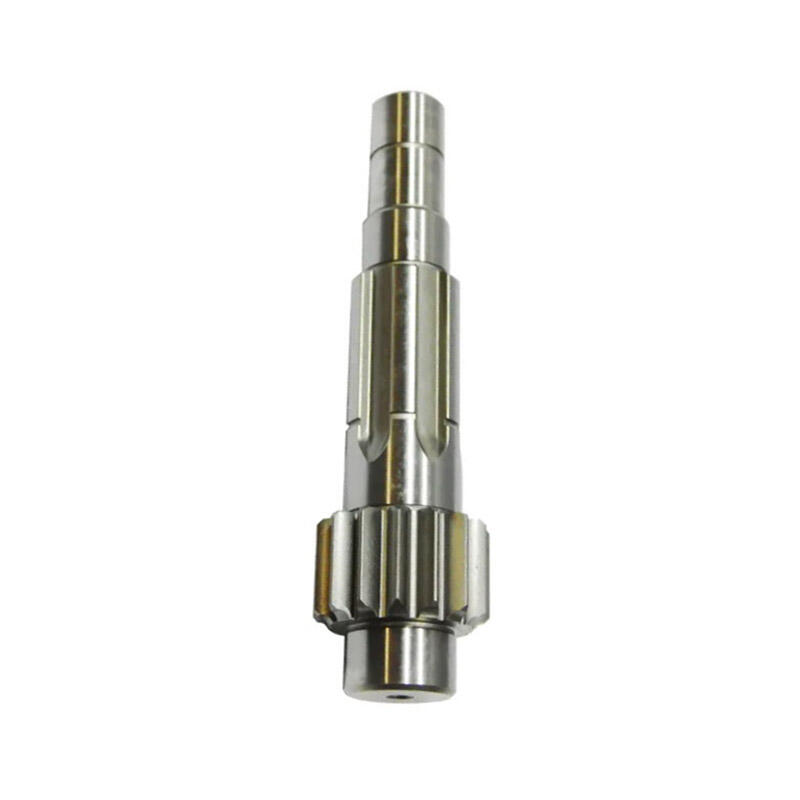
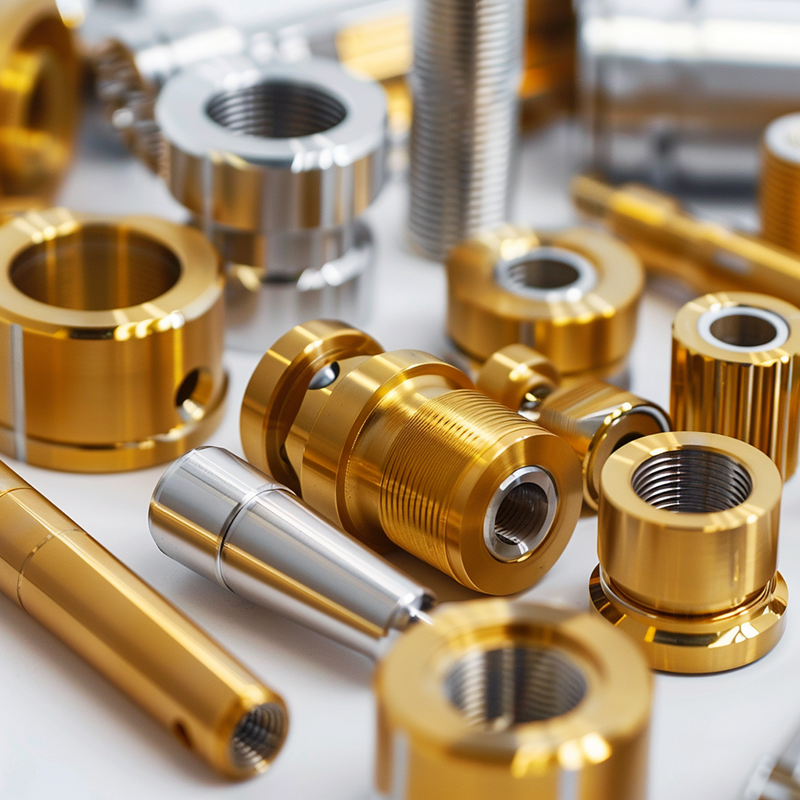
During production trials using CNC Horizontal Machining for aluminum gearbox housings and hardened steel tooling plates, the process demonstrated exceptional dimensional consistency and surface quality stability. Multi-face machining was completed in a single setup using five-axis linkage, eliminating secondary alignment operations. Average cycle time decreased by 22% compared with legacy vertical platforms, while surface roughness stabilized at Ra 0.45 μm without post-polishing. Chip evacuation efficiency improved due to horizontal spindle orientation, reducing tool wear and thermal distortion. Adaptive feed control maintained stable spindle load fluctuations within ±6%, improving tool life predictability. Overall, CNC Horizontal Machining delivered measurable gains in throughput, accuracy consistency, and operational reliability across mixed-material production scenarios.

Founded in 2017, Dongguan BIE Hardware Co., Ltd has evolved into a high-capability precision manufacturing enterprise serving global industrial markets from its modern 3,000 square meter production facility in Fenggang Town, Dongguan, Guangdong. The company operates a vertically integrated manufacturing model that consolidates CNC machining, sheet metal fabrication, die casting, plastic injection molding, surface finishing, and mechanical assembly under one coordinated production system. This integrated workflow significantly reduces handoff delays, minimizes quality variation between suppliers, and shortens total project lead time for international customers.

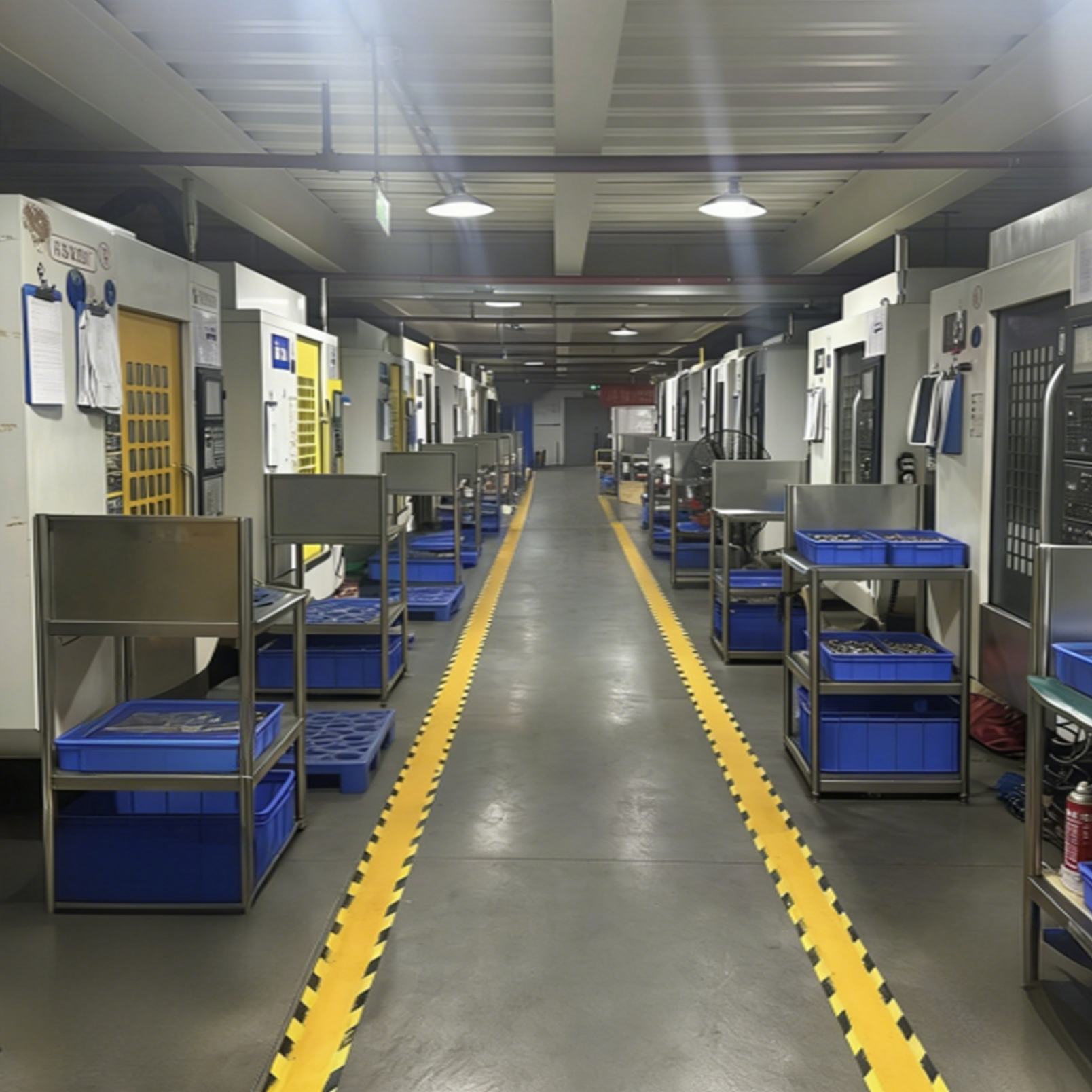
BIE has continuously invested in advanced machining infrastructure, including multi-axis CNC machining centers, CNC Horizontal Machining platforms, automated pallet systems, precision grinding equipment, and digital metrology instruments such as CMMs, optical comparators, and laser measurement systems. These investments enable the company to achieve consistent micron-level tolerances, repeatable batch quality, and reliable surface integrity across aluminum alloys, stainless steels, titanium alloys, engineering plastics, and composite materials.

The engineering team consists of experienced mechanical engineers, CAM programmers, quality specialists, and production planners with an average of more than 10 years of industry experience. Process development follows standardized APQP and PPAP methodologies to ensure risk mitigation, design validation, and controlled scalability from prototype to mass production. Digital production records and statistical process control dashboards provide traceable manufacturing data for audit-ready compliance.

BIE holds ISO 9001:2015 for quality management, ISO 14001:2015 for environmental management, ISO 45001:2018 for occupational safety, and RoHS compliance certifications. These certifications ensure that every manufacturing process adheres to internationally recognized standards for safety, sustainability, and operational integrity. Internal quality inspection protocols include incoming material verification, in-process dimensional sampling, automated probing verification, and final inspection reporting with full lot traceability.

The company serves customers across automotive, aerospace, medical devices, industrial automation, lighting, and consumer electronics sectors, with export markets primarily in Europe and North America. Annual production capacity exceeds several million precision components, supported by lean manufacturing practices and continuous improvement programs that consistently reduce scrap rate below 1.2% and improve on-time delivery above 98%.

After-sales support includes engineering change management, continuous process optimization, spare part traceability, and 24/7 technical response capabilities. BIE’s operational philosophy emphasizes integrity, long-term partnership development, transparent communication, and measurable performance accountability. By leveraging CNC Horizontal Machining and advanced digital manufacturing infrastructure, BIE enables customers to achieve scalable production reliability, reduced total cost of ownership, and accelerated product commercialization.

FAQ

What industries benefit most from CNC Horizontal Machining?

CNC Horizontal Machining is particularly beneficial for aerospace, automotive, medical device manufacturing, energy equipment, and high-precision tooling industries where tight tolerances, multi-face machining, and batch consistency are critical. The technology supports both complex geometries and scalable production reliability.
By enabling single-setup multi-surface machining, automated pallet change, and adaptive cutting optimization, CNC Horizontal Machining reduces repositioning errors, shortens cycle time by up to 30%, and supports continuous unattended production, improving equipment utilization and throughput.
Yes. With high-rigidity machine structures and specialized tooling, CNC Horizontal Machining can directly process hardened steels above HRC 60, titanium alloys, and advanced composites while maintaining stable surface integrity and predictable tool life.

More Posts

What are the Latest cnc manufacturing Technologies? Industry Development Trends

31

Jan

What are the Latest cnc manufacturing Technologies? Industry Development Trends

From Traditional CNC to Smart Manufacturing: A Project Manager’s Perspective As a project manager overseeing product development in a competitive industrial landscape, keeping pace with the latest CNC manufacturing technologies is critical. No ...
View More
What is the Processing Flow of pressure die casting? Detailed Step-by-Step Analysis

31

Jan

What is the Processing Flow of pressure die casting? Detailed Step-by-Step Analysis

A Detailed Step-by-Step Analysis for Global Buyers When holding a modern smartphone, automotive component, or smart home device, few people realize that many of the lightweight yet structurally complex metal parts inside are produced through pressure...
View More
What are the Common Mistakes in Choosing types of cnc machining? How to Avoid Them

31

Jan

What are the Common Mistakes in Choosing types of cnc machining? How to Avoid Them

In today’s precision-driven manufacturing landscape, types of CNC machining play a decisive role in determining product quality, production efficiency, and total manufacturing cost. From automotive components and industrial equipment to aerospa...
View More
What are the Common Mistakes in Choosing cnc turning service? How to Avoid Them

31

Jan

What are the Common Mistakes in Choosing cnc turning service? How to Avoid Them

Introduction: The Strategic Importance of CNC Turning Service CNC turning service has become an essential capability in modern precision manufacturing. Industries such as automotive, electronics, aerospace, and industrial automation rely on CNC turni...
View More

Customer Reviews

Daniel Morris – Manufacturing Director

Our adoption of CNC Horizontal Machining significantly improved dimensional consistency across aluminum structural components. Scrap rate dropped by 32%, and average cycle time improved by 21%. The automation stability allowed overnight unmanned operation with consistent output quality.

Linda Chen – Quality Manager

The traceability and closed-loop inspection supported by CNC Horizontal Machining simplified our ISO audit process. Repeatability stayed within ±1.5 μm across long production runs, strengthening our regulatory confidence.

Robert Klein – Procurement Manager

Supplier reliability improved after migrating critical components to CNC Horizontal Machining. Delivery stability increased above 98% on-time performance while unit cost decreased due to reduced rework and labor dependency.

Get a Free Quote

Our representative will contact you soon.
Email
Name
Company Name
Message
0/1000
Attachment
Please upload at least an attachment
Up to 3 files,more 30mb,suppor jpg、jpeg、png、pdf、doc、docx、xls、xlsx、csv、txt、stp、step、igs、x_t、dxf、prt、sldprt、sat、rar、zip
Micron-Level Stability

Micron-Level Stability

Validated positioning accuracy of ±2 μm across 48-hour continuous operation with laser calibration and thermal compensation compliant with ISO 230-2 standards.
Lights-Out Automation Capability

Lights-Out Automation Capability

Robotic pallet systems support 24/7 production cycles with MES connectivity and predictive maintenance analytics reducing downtime by over 35%.
Multi-Material Processing Flexibility

Multi-Material Processing Flexibility

Successfully processes aluminum, stainless steel, titanium, and composites with verified surface roughness below Ra 0.5 μm across standardized tooling protocols.

Copyright © Dongguan BIE Hardware Co., Ltd  -  Privacy policy