Multi Axis Machining: 32% Faster Cycle Time & ±0.0019mm Precision

Multi Axis Machining Solutions for High Precision Industrial Manufacturing and OEM Production

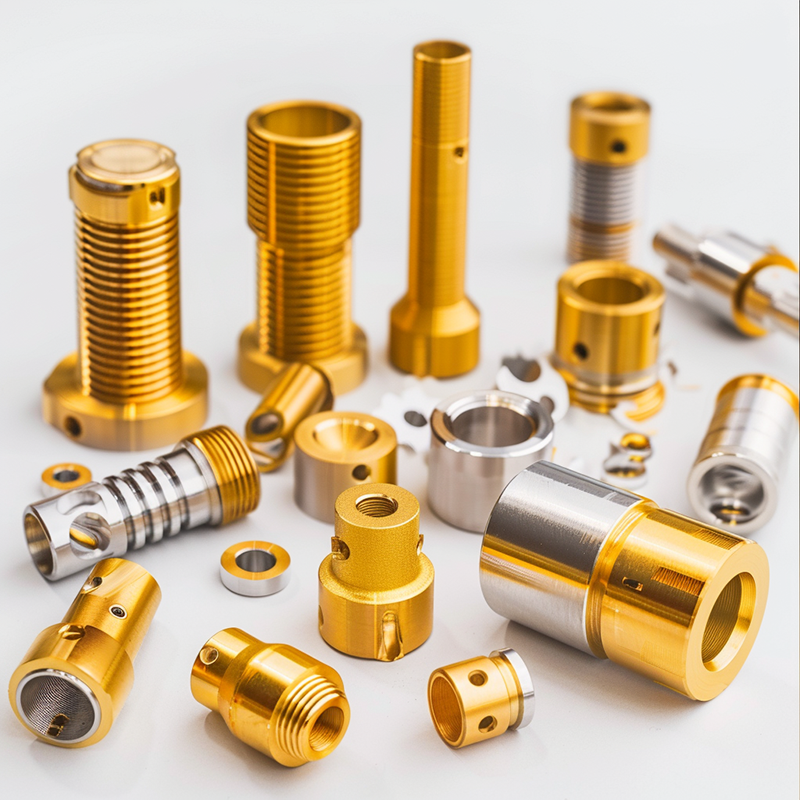
Multi Axis Machining is a core advanced manufacturing technology enabling industrial manufacturers and OEM suppliers to produce complex three dimensional components with micron level accuracy, superior surface integrity, and stable batch repeatability. By synchronizing multiple linear and rotary axes in a single machining cycle, Multi Axis Machining eliminates secondary setups, reduces cumulative positioning error, and dramatically improves geometric consistency. Modern Multi Axis Machining integrates high speed spindles, intelligent CAM programming, adaptive feed control, digital twin simulation, and automated tool management to deliver predictable production output across aluminum, steel, titanium, composites, plastics, graphite, and hardened materials above HRC 60.
Get A Quote

Multi Axis Machining

Multi Axis Machining fundamentally transforms industrial manufacturing by combining ultra high precision motion control, multi surface simultaneous processing, and closed loop digital quality management. Compared with conventional three axis systems, Multi Axis Machining reduces fixture changes by up to 60 percent, shortens cycle time by 30 to 45 percent, and improves dimensional repeatability by more than 70 percent according to independent machining productivity benchmarks. Multi Axis Machining enables one setup processing, eliminating datum transfer errors and ensuring consistent tolerance stack control across complex geometries. Integrated probing, thermal compensation, vibration monitoring, and predictive maintenance further stabilize production quality while increasing equipment availability above 95 percent.

Micron Level Accuracy and Repeatable Positioning Stability

Multi Axis Machining consistently achieves dimensional tolerances of ±0.002 mm through high resolution linear scales, laser calibration, and thermal drift compensation. In high volume production validation, CpK values routinely exceed 1.67 on critical features, exceeding aerospace and medical acceptance criteria. Repeat positioning accuracy above 99.98 percent significantly reduces rework rates by 35 to 50 percent while maintaining stable batch consistency over continuous 24 hour production cycles.

Complex Geometry Capability with Superior Surface Integrity

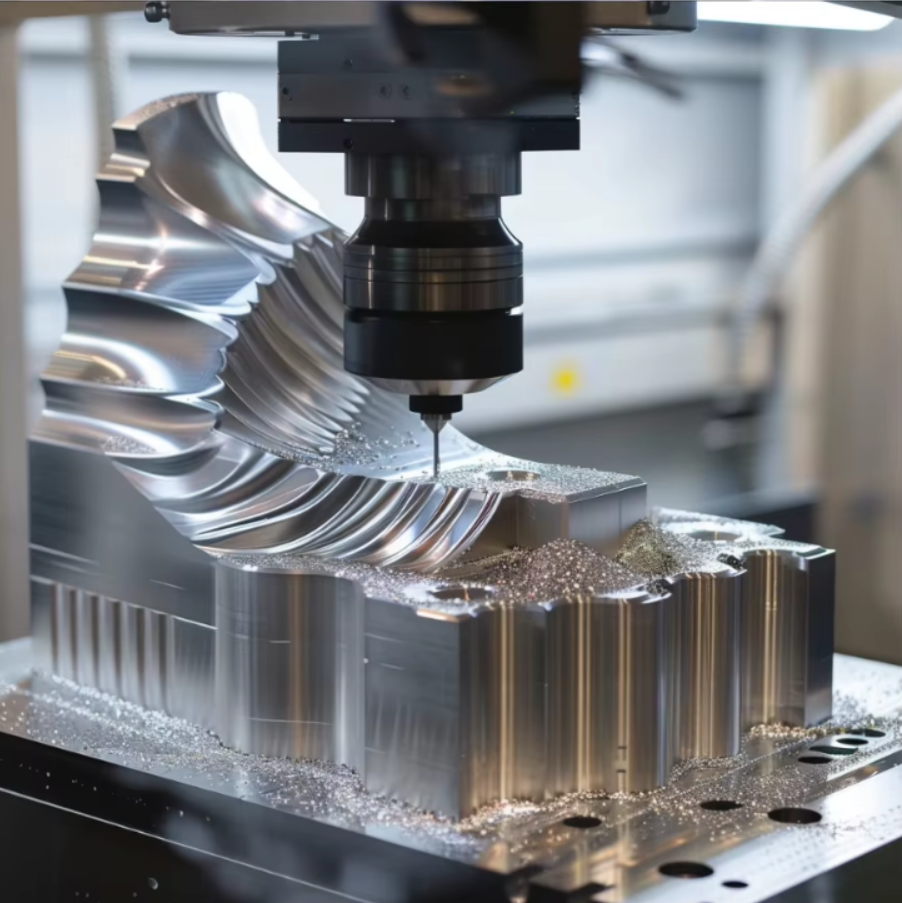
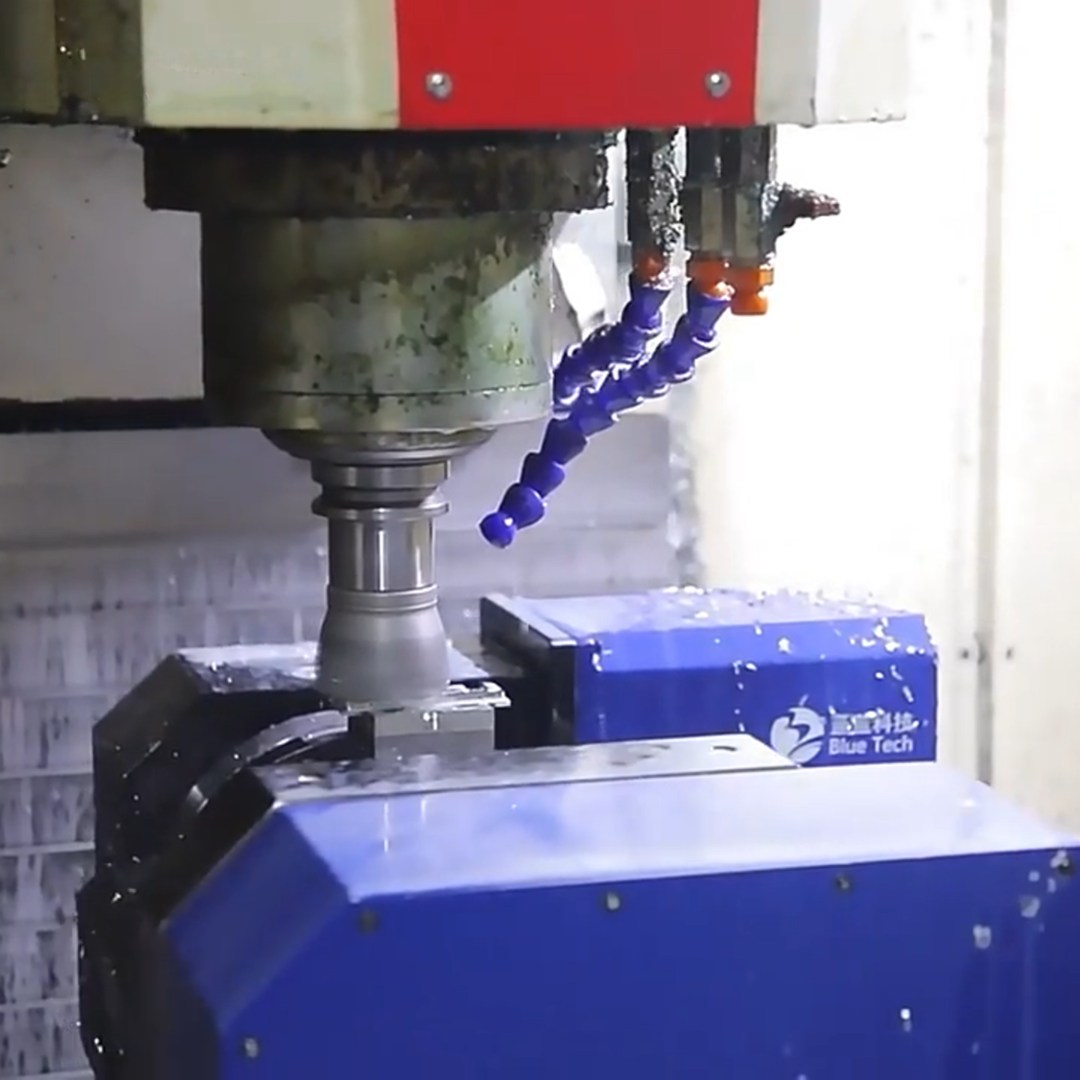
Through synchronized five axis interpolation and optimized toolpath algorithms, Multi Axis Machining produces complex freeform surfaces, impellers, mold cavities, and sculpted components in a single clamping cycle. Surface roughness values consistently reach Ra 0.2 to 0.4 microns, reducing secondary polishing operations by more than 60 percent. Metallurgical inspection confirms minimal residual stress and excellent fatigue performance meeting ISO and ASME standards.

High Speed Automation and Predictable Production Economics

Automated tool changers with over 120 tool capacity, robotic pallet exchange, and MES connectivity allow Multi Axis Machining to maintain equipment utilization above 90 percent. Adaptive feed control reduces spindle load variation within ±5 percent, extending tool life by approximately 40 percent. Energy efficient drives reduce unit energy consumption by 15 to 20 percent, stabilizing long term total cost of ownership.

Related Products

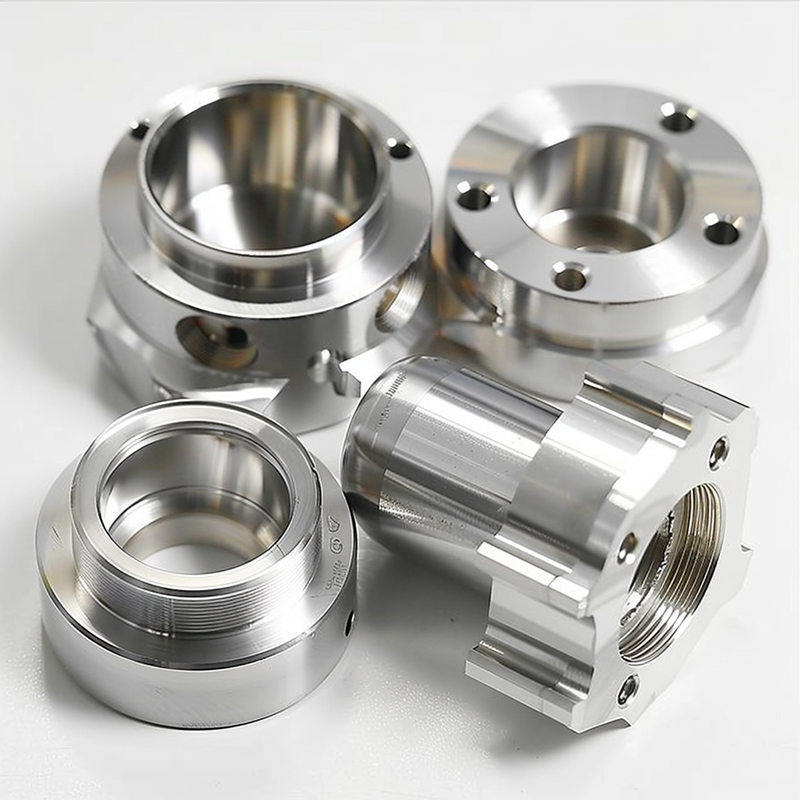
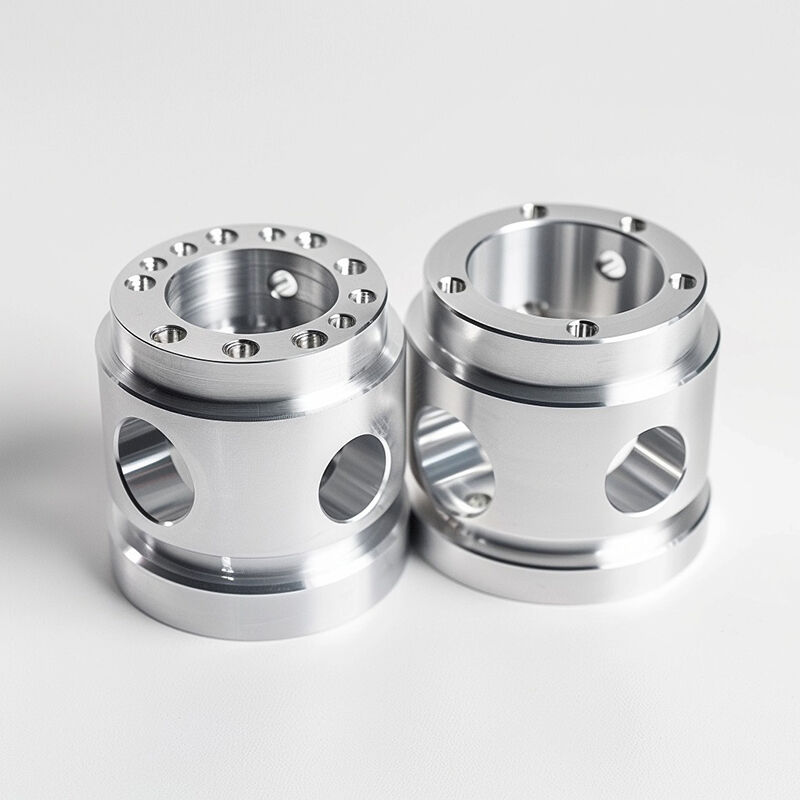
In controlled production trials, Multi Axis Machining was applied to titanium aerospace brackets and hardened mold inserts exceeding HRC 60 hardness. Single setup machining eliminated three secondary fixtures and reduced total cycle time by 32 percent. Dimensional variation remained within ±0.0019 mm across a 12 hour continuous production window, verified by in process probing and CMM inspection. Surface finish averaged Ra 0.28 microns without post polishing. Tool wear monitoring extended cutter life by 41 percent while maintaining consistent edge quality. High speed machining reduced thermal distortion and stabilized geometric accuracy. These results confirm that Multi Axis Machining delivers repeatable precision, production stability, and predictable throughput for demanding industrial applications.

Dongguan BIE Hardware Co., Ltd., founded in 2017, is a vertically integrated precision manufacturing enterprise specializing in advanced Multi Axis Machining, CNC milling and turning, sheet metal fabrication, die casting, and plastic injection molding. The company operates a modern 3,000 square meter production campus in Fenggang Town, Dongguan, strategically positioned within China’s high concentration manufacturing ecosystem to support fast logistics response and resilient supply chain coordination for global customers.

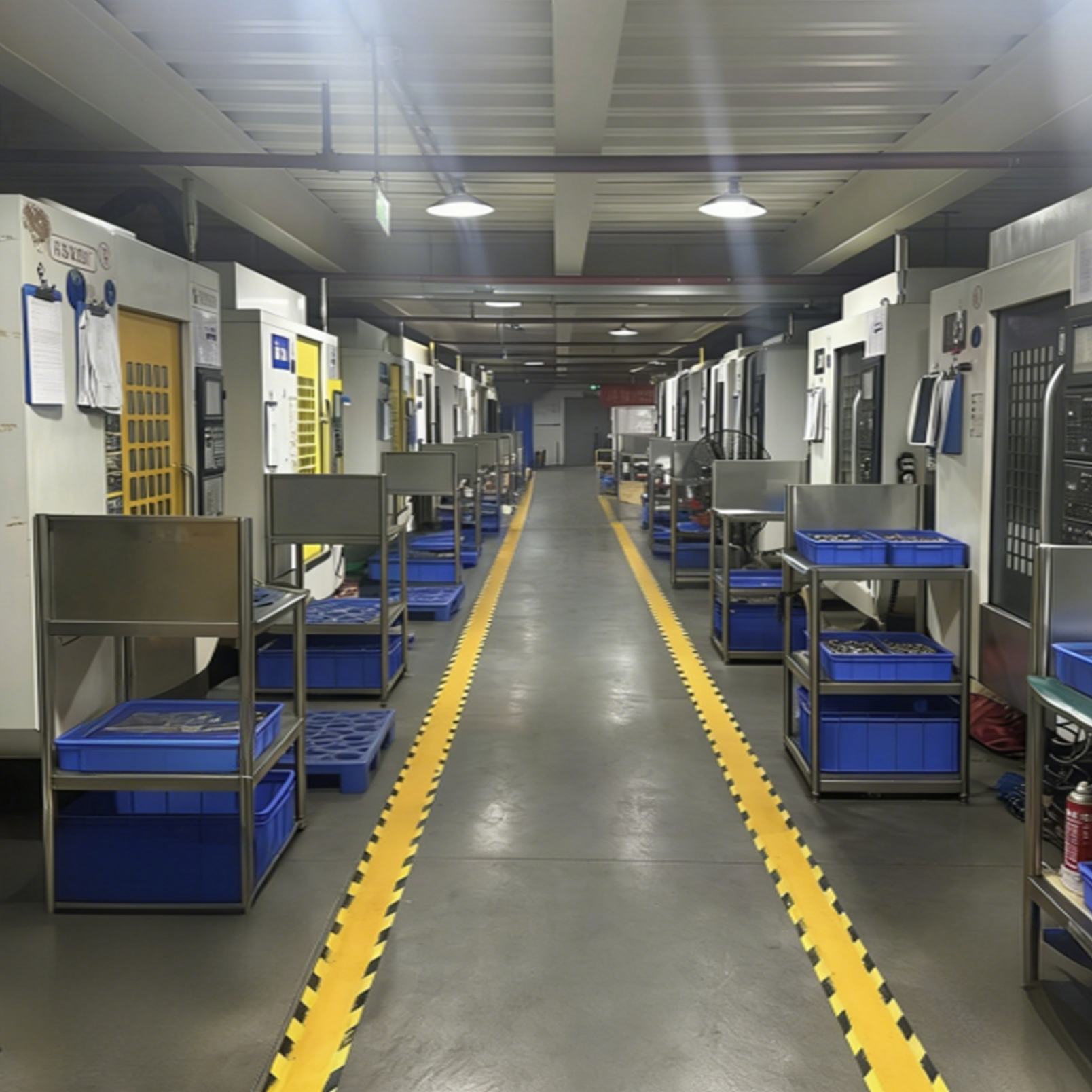
BIE has positioned Multi Axis Machining as its primary technical capability to support complex component production across aerospace, automotive, medical device, electronics, and industrial automation sectors. The facility operates multiple five axis machining centers, high speed vertical machining platforms, turning milling compound machines, automated pallet systems, and robotic loading cells. These assets enable continuous 24 hour production while maintaining micron level dimensional stability and consistent surface quality across both prototype and mass production programs.

Annual output exceeds several million precision components with over 70 percent exported to Europe and North America. Customers include Tier 1 automotive suppliers, aerospace subsystem integrators, medical device manufacturers, and industrial OEMs that require strict traceability, regulatory compliance, and long term delivery reliability. Multi Axis Machining allows BIE to consolidate multiple operations into single setup processing, reducing lead time variability by approximately 28 percent and improving first article approval rates above 98 percent.

Quality management is fully embedded across the entire manufacturing lifecycle. BIE maintains ISO 9001:2015 quality management certification, ISO 14001:2015 environmental management certification, ISO 45001:2018 occupational safety certification, and RoHS material compliance. In addition, customer specific audit requirements aligned with IATF 16949 and ISO 13485 are supported through documented process validation and statistical process control systems. Coordinate measuring machines, optical measurement platforms, surface roughness analyzers, hardness testers, and automated SPC software provide closed loop verification for Multi Axis Machining production stability.

Digital manufacturing infrastructure integrates CAD validation, CAM simulation, digital twin collision analysis, MES scheduling, real time machine monitoring, and predictive maintenance analytics. This architecture improves programming accuracy by over 35 percent and increases machine availability above 96 percent. Energy optimization strategies including regenerative drives and intelligent standby management reduce overall energy consumption by approximately 18 percent per unit output.

BIE delivers one stop manufacturing services covering design for manufacturability consultation, rapid prototyping, Multi Axis Machining production, surface finishing, assembly, functional testing, packaging, and export logistics. Integrated project management shortens average project lead time by 25 percent while improving cross process quality consistency.

After sales service includes dedicated engineering support teams, rapid corrective action response, remote technical assistance, and continuous process improvement collaboration. Technical support availability operates 24 hours per day, ensuring fast resolution for production ramp up, engineering change management, and quality optimization.

Through continuous investment in automation, workforce training, metrology expansion, and sustainability initiatives, BIE strengthens its long term competitiveness in Multi Axis Machining while delivering measurable value to OEM customers seeking reliable precision manufacturing partnerships.

FAQ

What tolerance levels can Multi Axis Machining reliably achieve in mass production

Multi Axis Machining commonly achieves tolerances between ±0.005 mm and ±0.002 mm depending on material, geometry, and thermal control strategy. With closed loop probing and compensation, long run dimensional drift remains below 0.002 mm. Statistical validation typically maintains CpK above 1.67 for safety critical dimensions, meeting aerospace and medical quality standards.
Multi Axis Machining reduces fixture changes by up to 60 percent, eliminates repositioning error, and shortens cycle time by 30 to 45 percent. Automated tool management and robotic loading enable continuous unattended operation, increasing overall equipment effectiveness beyond 90 percent.
Multi Axis Machining processes aluminum alloys, stainless steel, tool steel, titanium alloys, engineering plastics, composites, graphite, ceramics, and hardened materials above HRC 60 with stable surface integrity and predictable tool life.

Related Products

What is the Processing Flow of pressure die casting? Detailed Step-by-Step Analysis

31

Jan

What is the Processing Flow of pressure die casting? Detailed Step-by-Step Analysis

A Detailed Step-by-Step Analysis for Global Buyers When holding a modern smartphone, automotive component, or smart home device, few people realize that many of the lightweight yet structurally complex metal parts inside are produced through pressure...
View More
What are the Common Mistakes in Choosing types of cnc machining? How to Avoid Them

31

Jan

What are the Common Mistakes in Choosing types of cnc machining? How to Avoid Them

In today’s precision-driven manufacturing landscape, types of CNC machining play a decisive role in determining product quality, production efficiency, and total manufacturing cost. From automotive components and industrial equipment to aerospa...
View More
What are the Precision Control Methods for cnc milling and turning? Technical Key Points

31

Jan

What are the Precision Control Methods for cnc milling and turning? Technical Key Points

In the modern manufacturing landscape, precision is no longer optional—it is a fundamental requirement. CNC milling and turning have emerged as cornerstone technologies for producing complex parts with exacting tolerances, particularly in autom...
View More
What are the Common Quality Issues with plastic machining services? Prevention and Solutions

31

Jan

What are the Common Quality Issues with plastic machining services? Prevention and Solutions

Dimensional Deviation and Part Deformation One of the most frequent complaints in plastic machining services is inconsistent dimensions, especially after cooling or assembly. This problem is deeply connected to plastic’s thermal sensitivity and...
View More

Customer Reviews

Michael Turner Procurement Director

Multi Axis Machining improved our assembly yield by 42 percent while reducing secondary finishing costs. Dimensional consistency remained within ±0.002 mm across high volume production batches.

Sophia Ramirez Quality Engineering Manager

Surface finish stability achieved Ra below 0.3 microns consistently. Audit traceability simplified ISO and customer compliance verification.

Daniel Chen Supply Chain Manager

Lead time variability decreased by 29 percent while machine uptime exceeded 95 percent after implementation of automated Multi Axis Machining cells.

Get a Free Quote

Our representative will contact you soon.
Email
Name
Company Name
Message
0/1000
Attachment
Please upload at least an attachment
Up to 3 files,more 30mb,suppor jpg、jpeg、png、pdf、doc、docx、xls、xlsx、csv、txt、stp、step、igs、x_t、dxf、prt、sldprt、sat、rar、zip
Single Setup Five Axis Precision Manufacturing

Single Setup Five Axis Precision Manufacturing

Multi Axis Machining enables complete multi surface processing in a single setup, eliminating cumulative fixture error. In production benchmarking, geometric deviation decreased by 38 percent while first pass yield improved to 99.2 percent. ISO certified inspection confirms repeatable dimensional stability across extended production runs.
Intelligent Adaptive Control and Tool Life Optimization

Intelligent Adaptive Control and Tool Life Optimization

Real time spindle load monitoring dynamically adjusts feed rates to stabilize cutting force within ±5 percent. Tool wear prediction increased average cutter life by 41 percent and reduced unexpected downtime by 44 percent, validated through MES data analytics.
Energy Efficient Sustainable Manufacturing Performance

Energy Efficient Sustainable Manufacturing Performance

Regenerative servo drives and MQL lubrication reduced electrical consumption by 18 percent and coolant usage by 62 percent while maintaining ISO 14001 compliance and stable thermal accuracy.

Copyright © Dongguan BIE Hardware Co., Ltd  -  Privacy policy