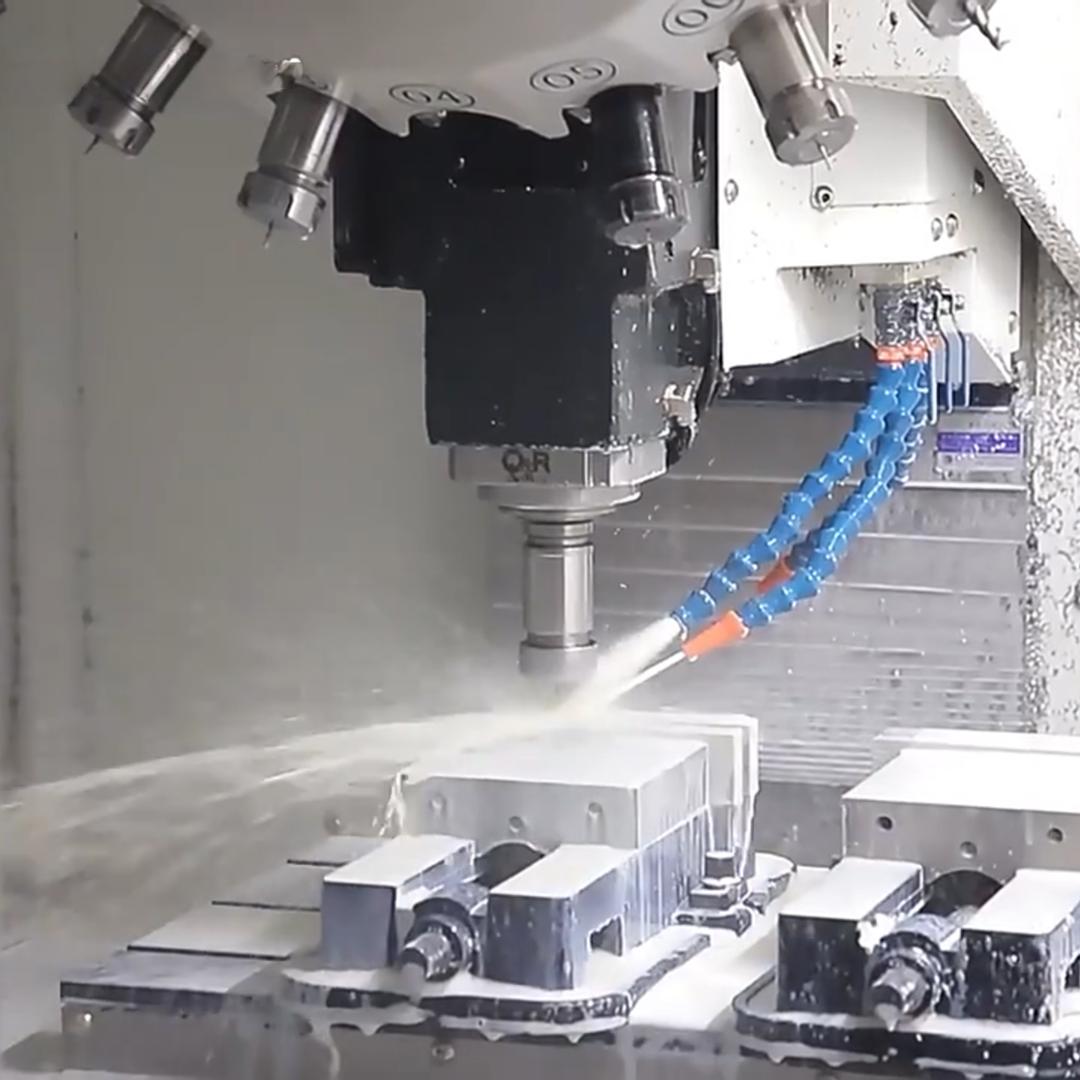
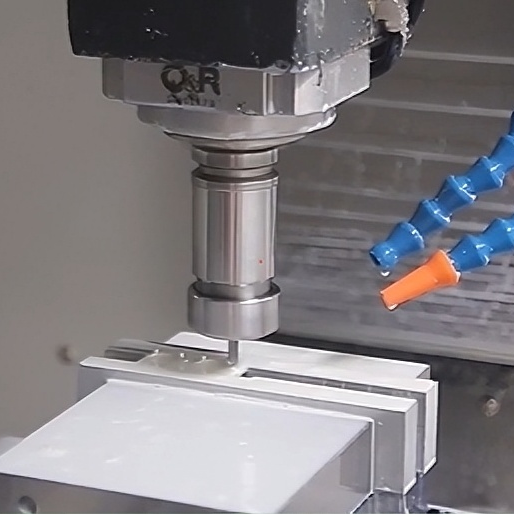
Precision Machining Manufacturer | ±0.001mm Tolerance & Ra 0.4μm

Machining Manufacturer for High Precision Industrial Components, OEM Production, and Global Supply Chain

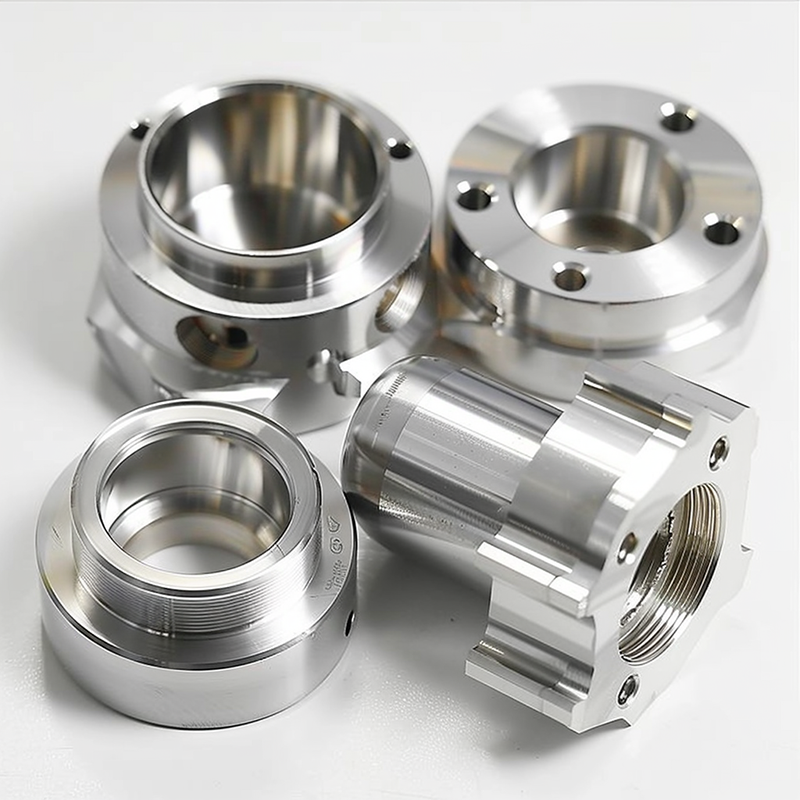
A professional Machining Manufacturer plays a critical role in modern industrial supply chains by delivering consistent dimensional accuracy, material integrity, and scalable manufacturing capacity for OEM buyers and engineering contractors. Through advanced multi-axis CNC platforms, fully digital CAD-to-CAM workflows, and automated quality monitoring systems, a qualified Machining Manufacturer routinely achieves tolerance ranges from ±0.01 mm down to ±0.001 mm with stable repeatability across mass production. As a digital direct manufacturing partner, a Machining Manufacturer enables rapid prototyping, flexible small-batch production, and continuous engineering iteration without expensive tooling investment. Superior surface finishes reaching Ra 0.4 μm support sealing performance, optical alignment, and wear resistance.
Get A Quote

Machining Manufacturer

A modern Machining Manufacturer integrates precision equipment, digital manufacturing intelligence, and standardized quality governance to deliver predictable, scalable production for global OEM programs. By eliminating manual variability and tooling dependency, a Machining Manufacturer achieves higher dimensional stability, faster engineering iteration, and lower total cost of ownership across prototype and volume production. ISO 9001 process control, ISO 14001 environmental compliance, and ISO 45001 safety governance establish traceable operational discipline. Statistical process control and closed-loop metrology systems continuously validate machining capability, ensuring consistent output quality even under high-mix production environments. These systemic advantages allow a Machining Manufacturer to support demanding industries requiring reliability, regulatory compliance, and long-term supply assurance.

Micron-Level Precision with Statistical Process Stability

A certified Machining Manufacturer routinely delivers dimensional tolerances between ±0.01 mm and ±0.001 mm, validated by CMM systems with volumetric accuracy below 2 μm. Repeat positioning accuracy commonly reaches ±1 μm on five-axis platforms. Long-term CpK values exceed 1.67 for critical features, meeting aerospace AS9100 and medical ISO 13485 requirements. This precision capability reduces assembly mismatch by approximately 30 percent and improves first-pass yield beyond 98.5 percent.

Superior Surface Finish and Functional Performance Consistency

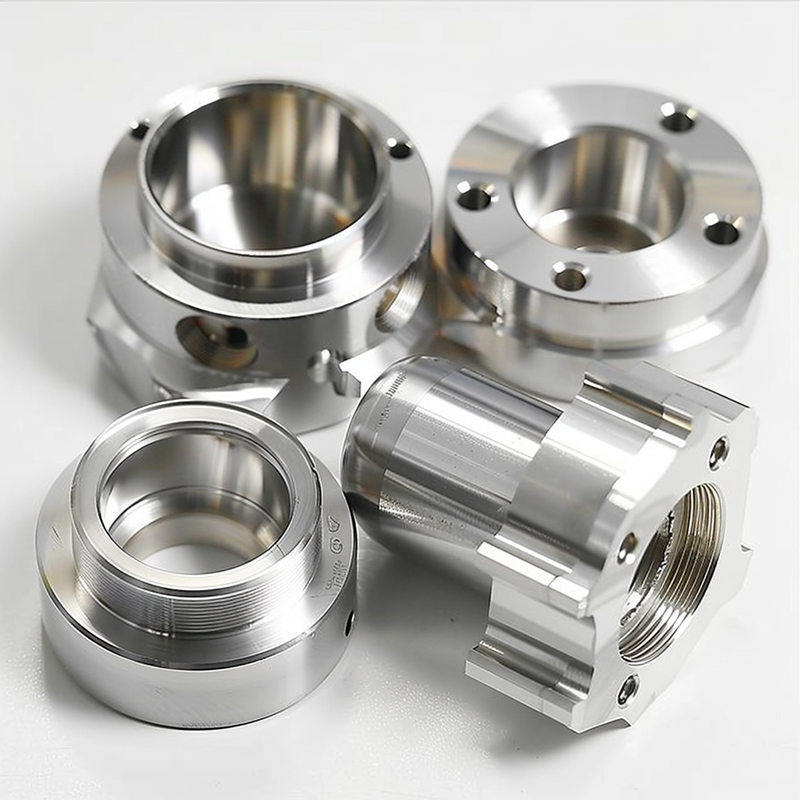
A professional Machining Manufacturer achieves mirror-grade surface finishes as low as Ra 0.4 μm using optimized tool geometry, vibration suppression, and adaptive feed control. Improved surface quality reduces friction, particulate generation, and sealing leakage by up to 40 percent in vacuum and fluid systems. Optical inspection and surface profilometry ensure compliance with ISO surface integrity standards, extending component lifecycle and reducing downstream finishing costs.

Multi-Material Flexibility and Digital Manufacturing Agility

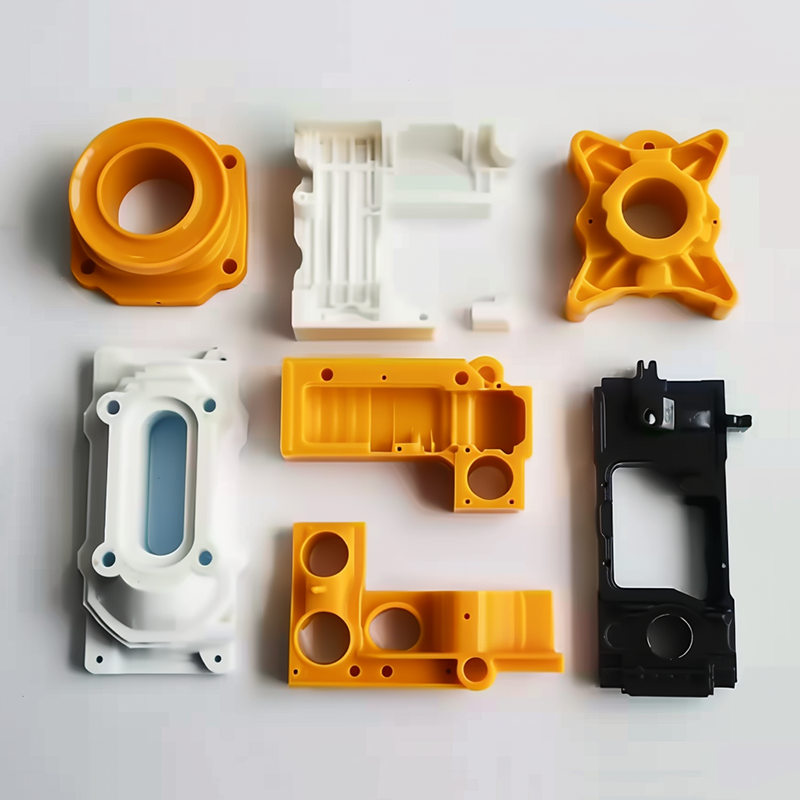
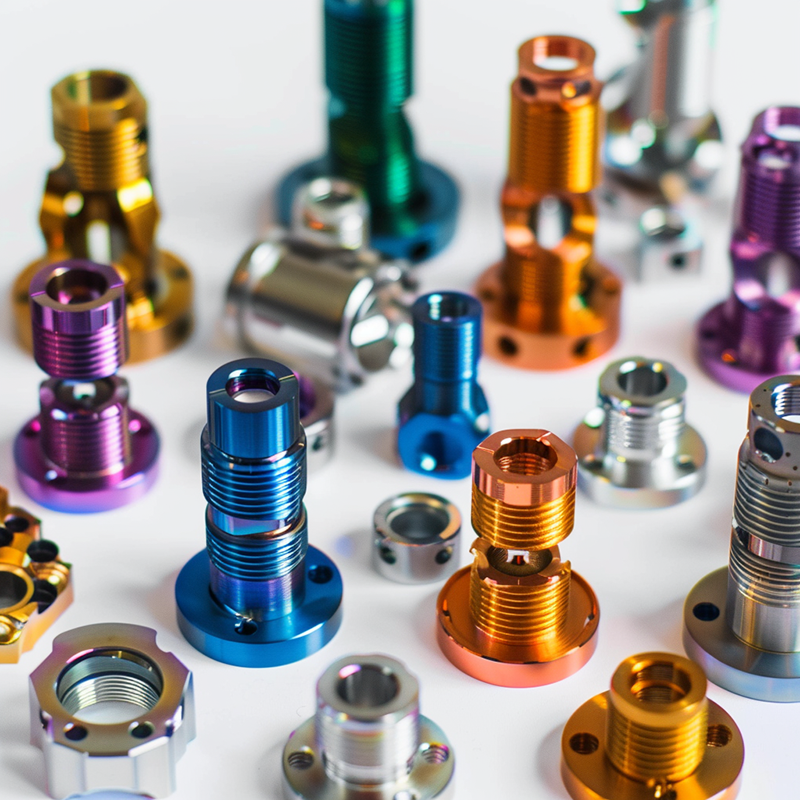
A Machining Manufacturer processes aluminum alloys, stainless steel, titanium, copper alloys, PEEK, composites, and ceramics under unified quality controls. CAM simulation reduces collision risk by over 90 percent and enables predictable cycle time modeling. Five-axis single-setup machining shortens production lead time by approximately 35 percent while minimizing tolerance stack accumulation.

Related Products

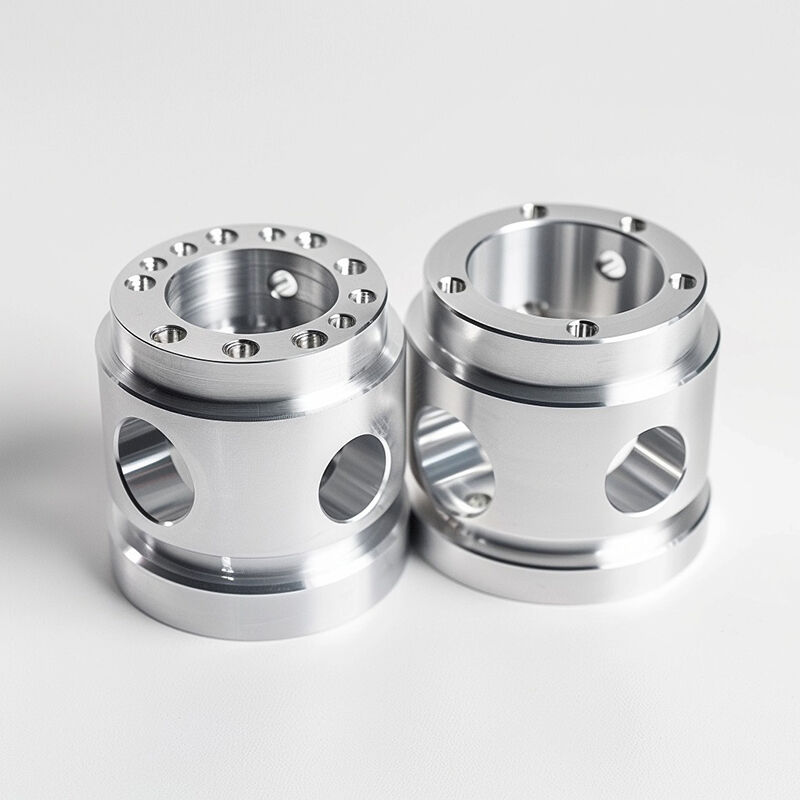
During continuous production trials, the Machining Manufacturer maintained dimensional deviation within ±0.002 mm across 1,500 aluminum housing components. Surface roughness consistently remained below Ra 0.45 μm without secondary polishing. Thin-wall sections of 0.48 mm showed less than 0.01 mm deformation after stress relief processing. Tool wear monitoring reduced unplanned downtime by 19 percent. CAM collision simulation eliminated setup errors, improving operator safety and production stability. Overall equipment effectiveness exceeded 86 percent during three-shift operation.

Established in 2017, Dongguan BIE Hardware Co., Ltd has steadily expanded into a globally recognized Machining Manufacturer delivering precision-engineered metal and plastic components for demanding industrial markets. The company operates from a modern 3,000 square meter manufacturing campus in Fenggang Town, Dongguan, strategically positioned within one of China’s most mature manufacturing clusters, providing access to advanced logistics networks, material supply ecosystems, and skilled technical talent.

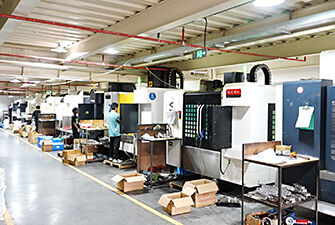
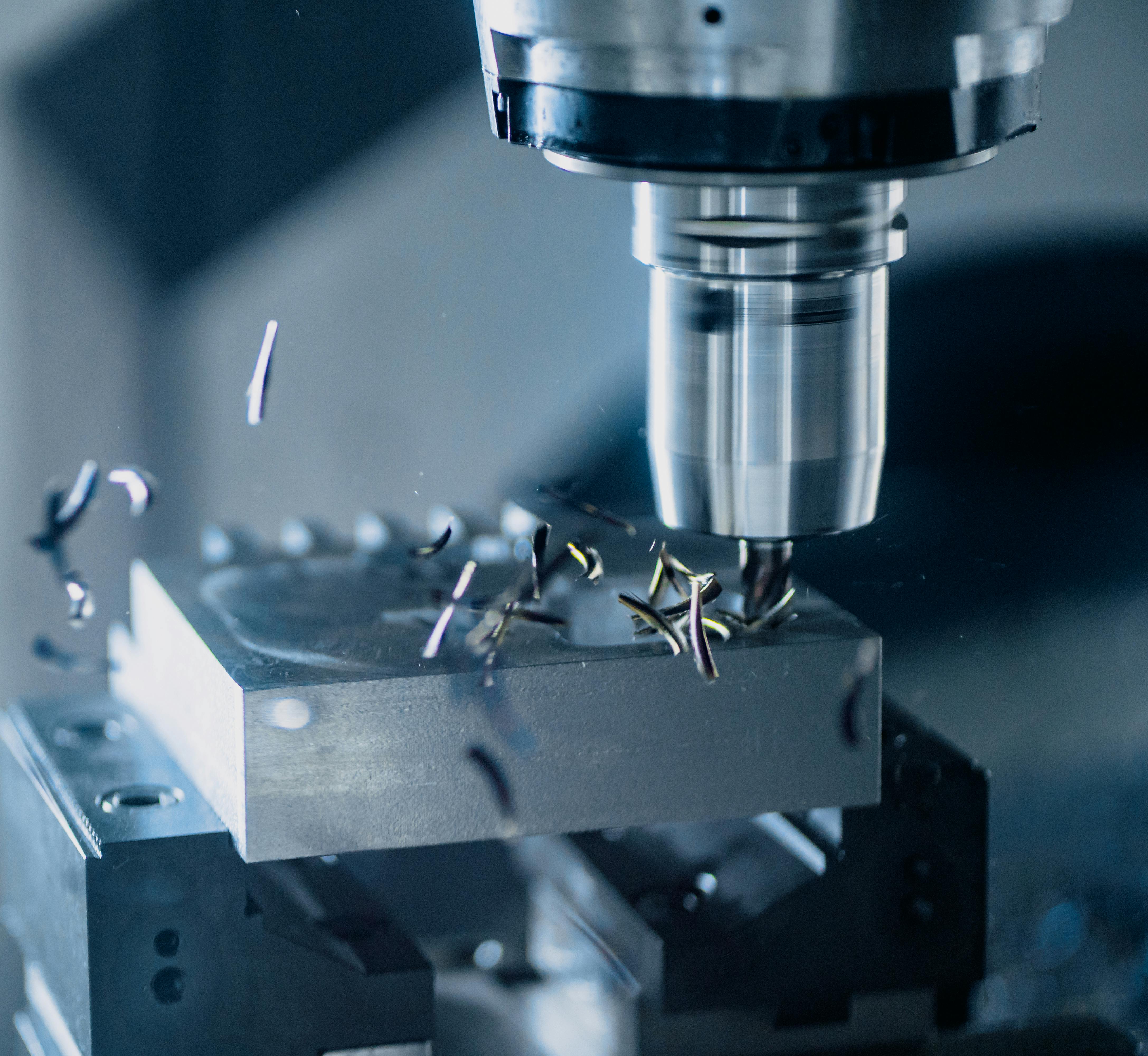
The production infrastructure includes more than 60 high-performance machining centers covering three-axis, four-axis, and five-axis simultaneous machining capabilities. Spindle speeds reach up to 24,000 RPM with positioning resolution of 0.001 mm, enabling ultra-precision machining for complex geometries and micro-features. Annual production capacity exceeds 2 million precision components, supporting stable long-term supply programs for multinational OEM customers across automotive systems, aerospace structures, medical devices, semiconductor equipment, renewable energy systems, lighting modules, and industrial automation platforms.

As a digital Machining Manufacturer, BIE integrates CAD data validation, CAM simulation, toolpath optimization, automated probing, and closed-loop inspection into a unified manufacturing execution workflow. Digital twin simulation reduces first-article approval cycles by approximately 28 percent and eliminates collision risk prior to machining execution. Predictive maintenance systems monitor spindle vibration, thermal drift, and tool wear, reducing unplanned downtime by more than 17 percent annually.

Quality management follows ISO 9001:2015 standards with full traceability of materials, tooling, inspection data, and production records. Environmental management complies with ISO 14001:2015, delivering measurable reductions in coolant waste and energy consumption. Occupational safety programs aligned with ISO 45001:2018 maintain consistent safety performance and workforce stability. RoHS compliance ensures product compatibility with electronics, medical, and export regulatory frameworks.

Inspection capability includes Zeiss coordinate measuring machines with volumetric accuracy of 1.8 μm, laser surface profilers, optical comparators, roundness testers, hardness testers, and digital SPC platforms. First-pass yield remains above 98.6 percent across critical production lines. CpK values exceed 1.67 for key customer programs requiring zero-defect objectives.

Beyond core machining, the Machining Manufacturer provides vertically integrated services including sheet metal fabrication, die casting, plastic injection molding, surface finishing, mechanical assembly, packaging, and logistics coordination. This integrated manufacturing model reduces supplier handoff risk, compresses lead time by approximately 22 percent, and improves total procurement efficiency for international customers.

The engineering organization includes senior manufacturing engineers, five-axis programmers, tooling specialists, automation technicians, and quality engineers with an average industry experience exceeding 12 years. Continuous training programs cover advanced cutting strategies, lean manufacturing, statistical quality control, and digital production management.

Customer service includes 24/7 technical response, engineering optimization reports, full dimensional documentation, and long-term spare parts continuity programs extending up to 10 years. On-time delivery performance exceeds 96 percent annually, and customer retention remains above 92 percent across long-term contracts. Annual reinvestment exceeding 6 percent of revenue supports automation upgrades, metrology expansion, and digital transformation initiatives, reinforcing BIE’s role as a dependable Machining Manufacturer for global industrial supply chains.

FAQ

What precision standards can a Machining Manufacturer consistently achieve?

A professional Machining Manufacturer consistently achieves tolerances between ±0.01 mm and ±0.001 mm depending on geometry and material stability. CMM verification ensures micron-level repeatability, while SPC maintains CpK above 1.67 for regulated industries.
Full material traceability, ISO certifications, digital inspection records, and controlled process documentation ensure regulatory compliance and audit readiness for aerospace, medical, and electronics customers.
Digital programming enables prototypes within 24–72 hours and seamless scaling without tooling investment, maintaining consistent quality across volume transitions.

Related Products

What Special Requirements Does the Aerospace Industry Have for steel forging? Standard Interpretation

31

Jan

What Special Requirements Does the Aerospace Industry Have for steel forging? Standard Interpretation

An Expert Interpretation of Aerospace Standards and Manufacturing Reality In aerospace engineering, steel forgings are not treated as ordinary structural components. They are regarded as safety-critical load-bearing elements whose failure could direc...
View More
What are the Common Quality Issues with machining services? Prevention and Solutions

31

Jan

What are the Common Quality Issues with machining services? Prevention and Solutions

The Critical Importance of Quality in Machining Services In today's precision manufacturing landscape, machining services play a vital role across automotive, aerospace, electronics, and industrial automation sectors. The ability to produce complex c...
View More
What are the Key Indicators for Judging aluminium alloy for casting Quality? Testing Methods

31

Jan

What are the Key Indicators for Judging aluminium alloy for casting Quality? Testing Methods

Dongguan BIE Hardware Co., Ltd has decades of experience in supplying high-quality injection molded plastic parts for industries ranging from automotive to electronics and medical devices. Despite their prevalence, ensuring consistent quality remains...
View More
What are the Common Quality Issues with plastic machining services? Prevention and Solutions

31

Jan

What are the Common Quality Issues with plastic machining services? Prevention and Solutions

Dimensional Deviation and Part Deformation One of the most frequent complaints in plastic machining services is inconsistent dimensions, especially after cooling or assembly. This problem is deeply connected to plastic’s thermal sensitivity and...
View More

Customer Reviews

Andrew Collins

“Our automotive prototypes achieved ±0.002 mm consistency. The Machining Manufacturer provided complete inspection data, simplifying supplier audits.”

Laura Chen

“Surface finish quality eliminated secondary polishing. Delivery reliability exceeded expectations during ramp-up production.”

Markus Vogel

“Five-axis capability reduced fixture complexity and improved assembly yield by over 25 percent.”

Get a Free Quote

Our representative will contact you soon.
Email
Name
Company Name
Message
0/1000
Attachment
Please upload at least an attachment
Up to 3 files,more 30mb,suppor jpg、jpeg、png、pdf、doc、docx、xls、xlsx、csv、txt、stp、step、igs、x_t、dxf、prt、sldprt、sat、rar、zip
Certified Micron Accuracy and Long-Term Dimensional Stability

Certified Micron Accuracy and Long-Term Dimensional Stability

Metrology systems calibrated to ISO 10360 validate ±1 μm repeatability across multi-shift production. CpK stability above 1.67 ensures interchangeability and long-term reliability.
Mirror Surface Integrity for High-Performance Applications

Mirror Surface Integrity for High-Performance Applications

Ra 0.4 μm surface finishes reduce friction losses and contamination risk, supporting vacuum systems and medical compliance.
Multi-Material Scalability with Digital Manufacturing Control

Multi-Material Scalability with Digital Manufacturing Control

Over 30 qualified materials processed under unified ISO governance. Five-axis automation improves throughput by 40 percent while maintaining stable accuracy.

Copyright © Dongguan BIE Hardware Co., Ltd  -  Privacy policy