Five Axis Machining Manufacturer for High Precision Industrial Components

Five Axis Machining Solutions for High Precision Industrial Manufacturing and OEM Projects

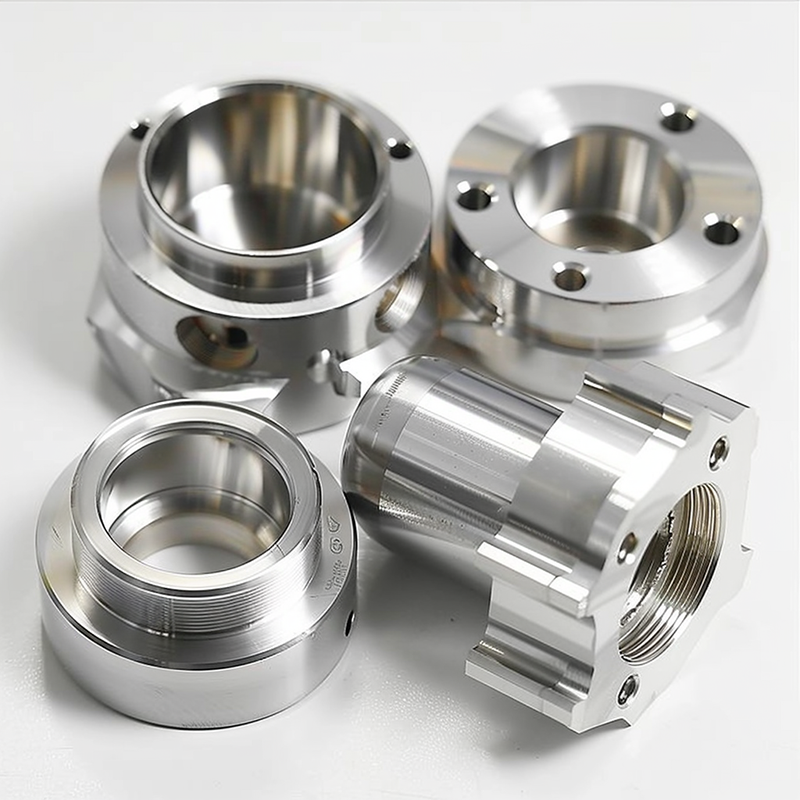
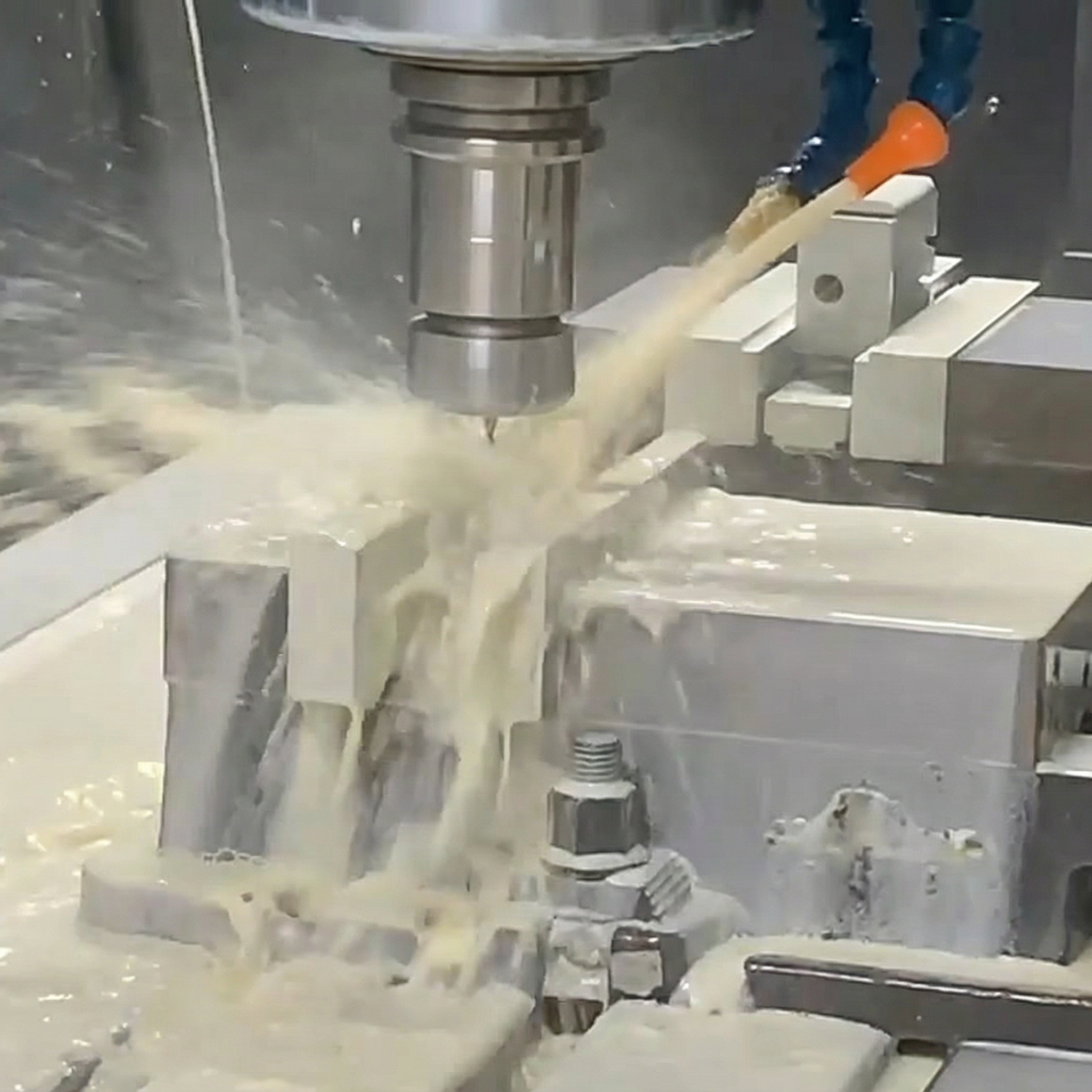
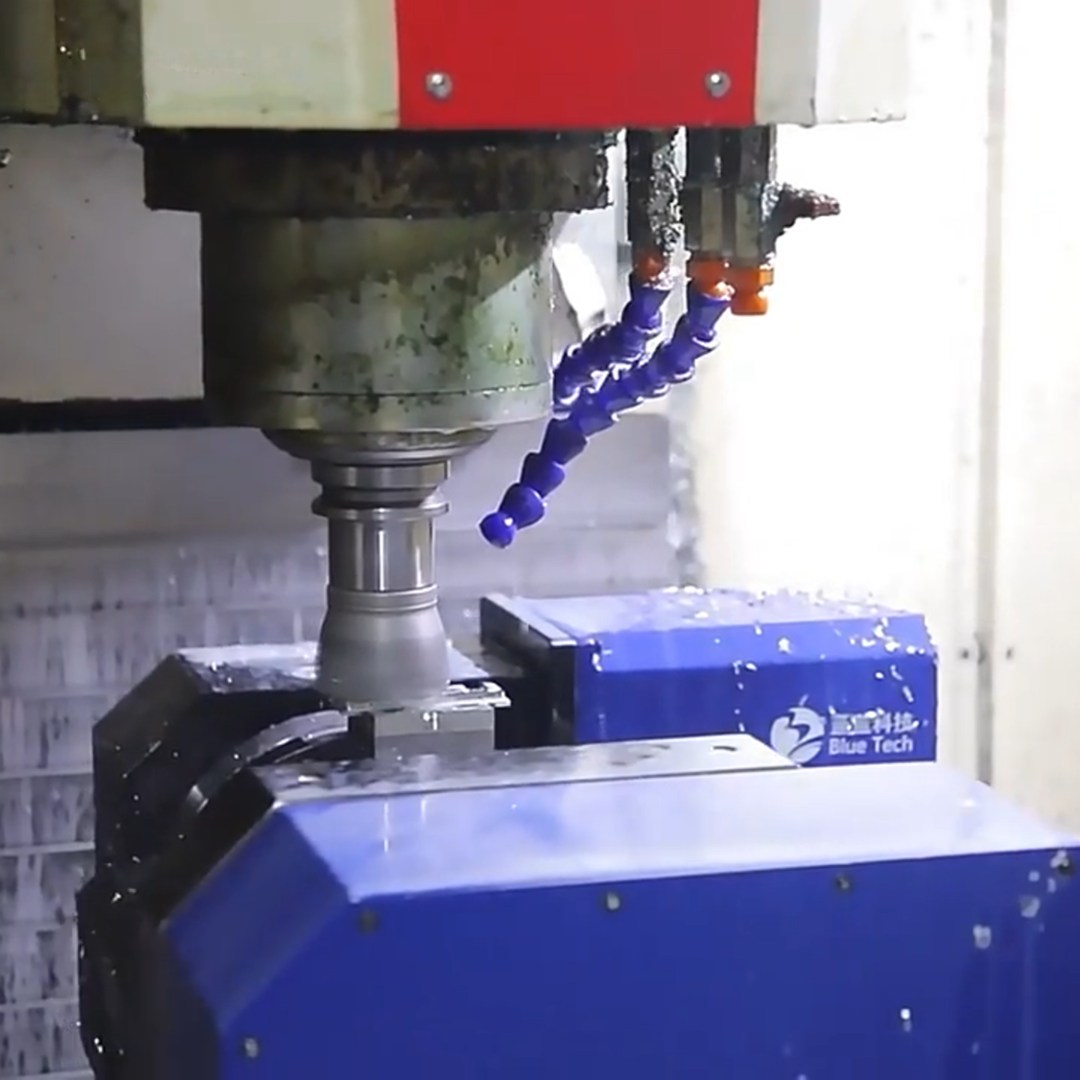
Five Axis Machining is a core manufacturing technology that enables the production of complex three-dimensional components with ultra-high precision, reduced setup cycles, and superior surface consistency. By allowing simultaneous movement across X, Y, Z, and two rotational axes, Five Axis Machining completes multi-angle, multi-face geometries in a single setup, eliminating cumulative alignment errors and improving dimensional stability by more than 30 percent compared with conventional three-axis processing. Modern Five Axis Machining centers deliver positioning accuracy up to ±0.002 mm, roundness control within 0.001 mm, and surface roughness as low as Ra 0.2 μm, making them ideal for aerospace structures, medical implants, automotive powertrain components, energy equipment, and precision tooling.
Get A Quote

Five Axis Machining

Five Axis Machining integrates ultra-rigid machine structures, closed-loop control, adaptive programming, and intelligent quality monitoring to deliver consistent micron-level accuracy across complex geometries. Compared with multi-fixture machining, Five Axis Machining reduces setup time by 40 percent, improves geometric consistency by over 30 percent, and enhances throughput efficiency by approximately 25 percent. ISO-certified production systems ensure compliance, traceability, and environmental responsibility while supporting scalable B2B supply chains.

Ultra-High Precision and Complex Geometry Capability

Five Axis Machining achieves positioning accuracy of ±0.002 mm and roundness control of 0.001 mm using linear motor drives, optical feedback scales, and thermally symmetrical machine structures. Complex free-form surfaces, deep cavities with aspect ratios above 10:1, and micro features down to 0.01 mm tool diameter can be completed in a single setup, reducing cumulative tolerance deviation and improving surface continuity for aerospace and medical-grade applications.

Multi-Material Processing with Stable Surface Integrity

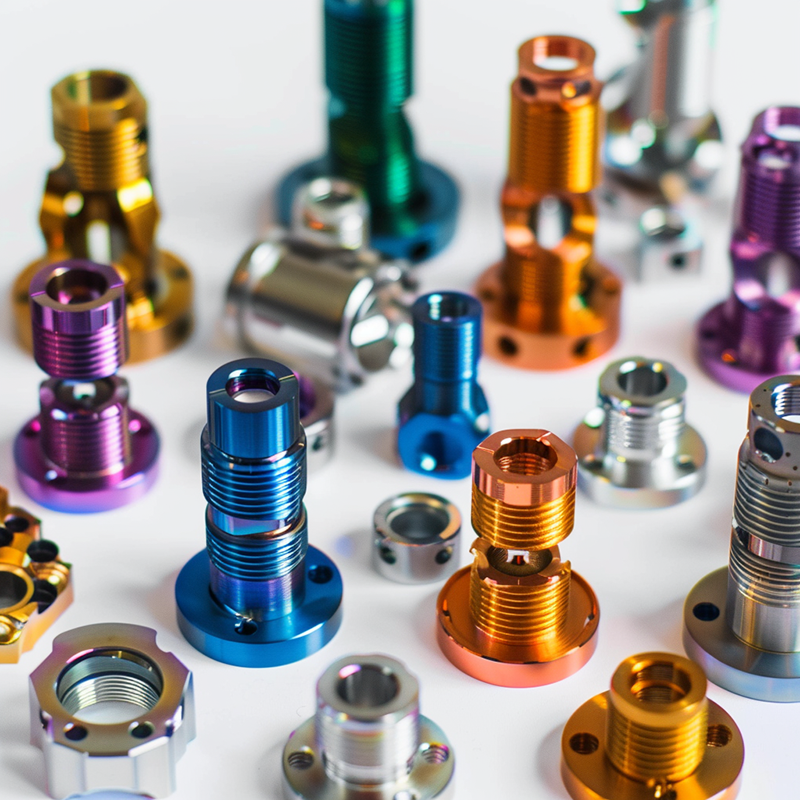
Five Axis Machining supports aluminum alloys, stainless steel, titanium alloys, composites, ceramics, and hardened steel above HRC60 using PCD and CBN tooling. Adaptive feed control maintains stable cutting forces while achieving material removal rates above 500 cm³/min in roughing operations. Residual stress control and thermal compensation reduce deformation risk by more than 40 percent compared with conventional machining methods.

Intelligent Automation and Digital Quality Traceability

Five Axis Machining integrates CAM automation, collision prevention simulation, tool life prediction, and in-process measurement compensation. Digital traceability systems record machining parameters, inspection data, and batch genealogy, enabling regulatory audit readiness and reducing human error rates by over 35 percent while shortening first-article validation cycles by approximately 60 percent.

Related Products

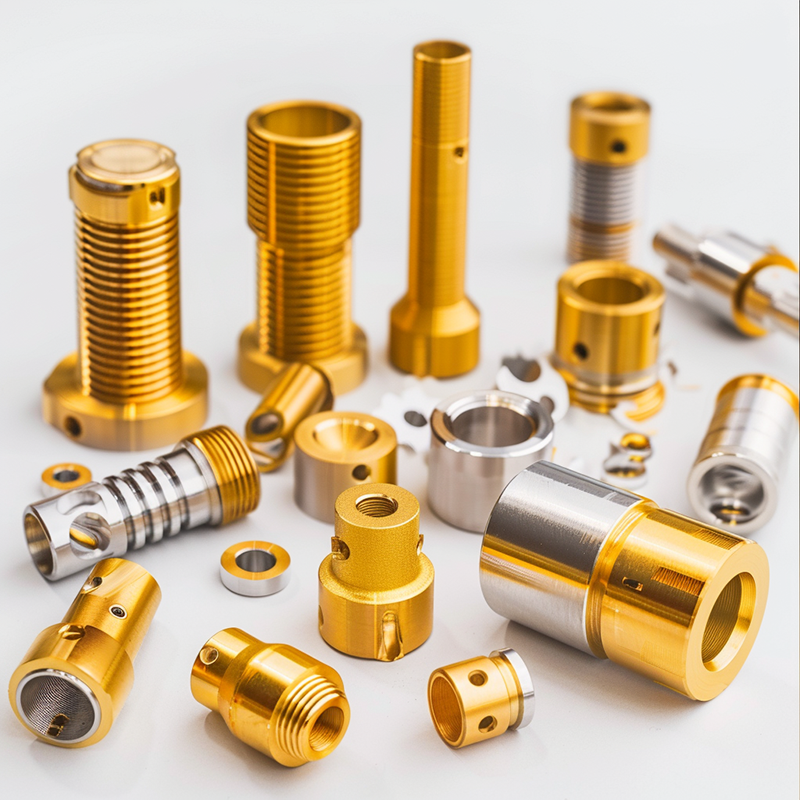
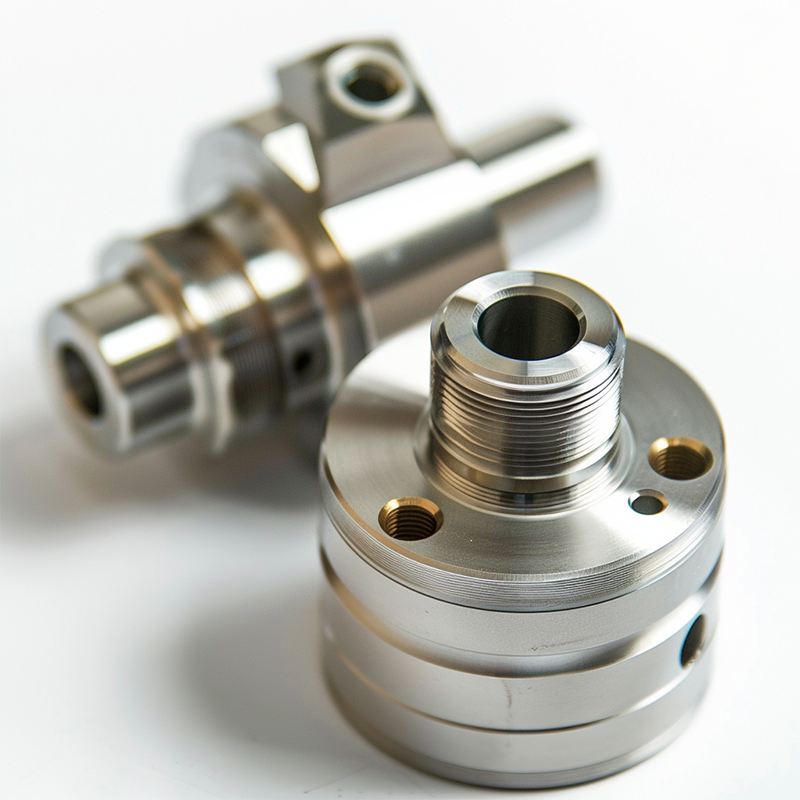
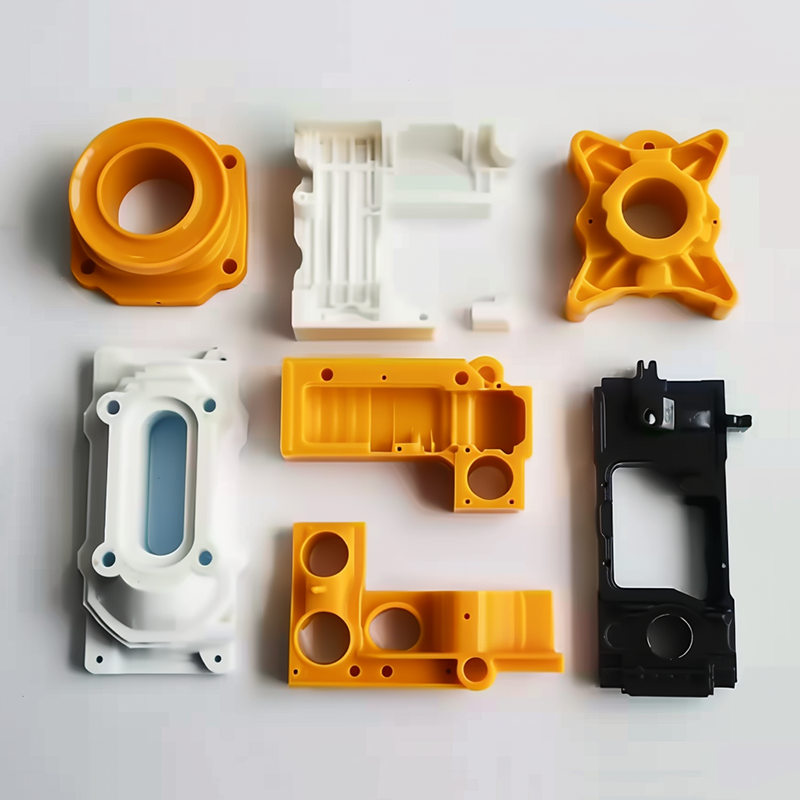
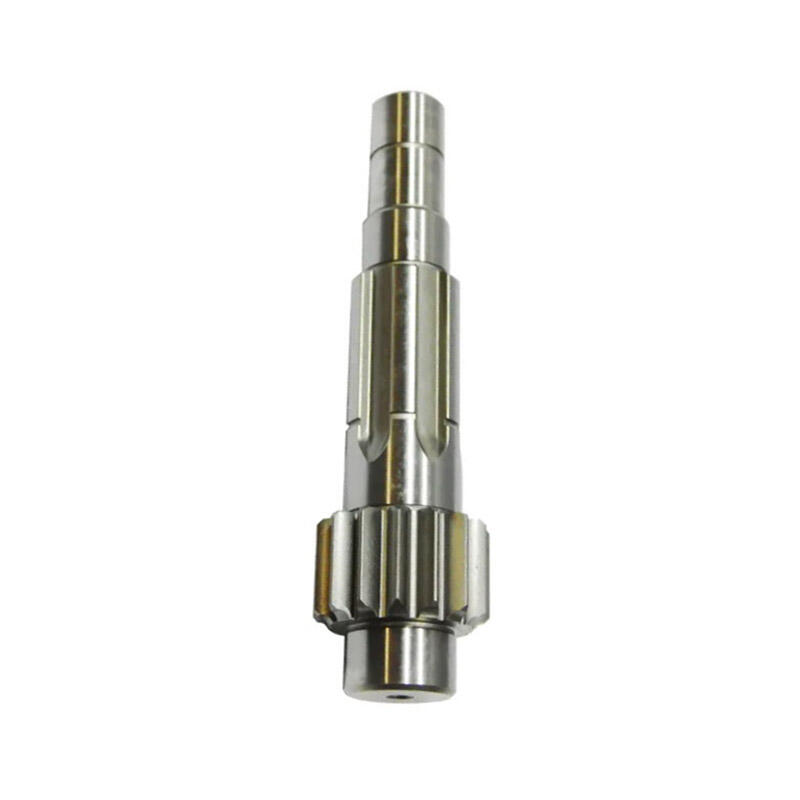
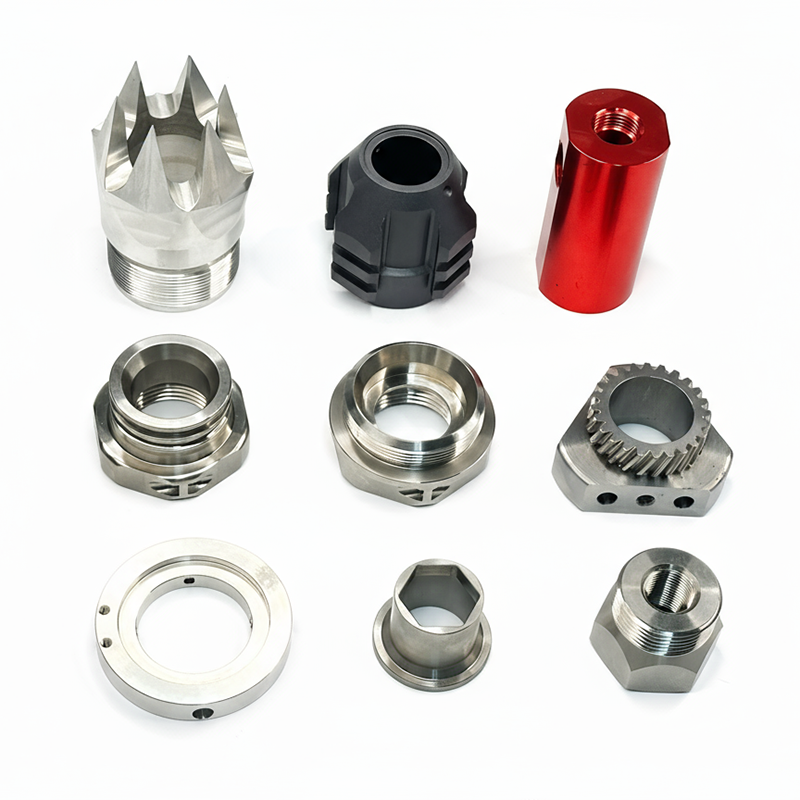
In production environments, Five Axis Machining demonstrates excellent stability during continuous multi-shift operation exceeding 18 hours per day. Single-clamping multi-surface machining eliminates fixture repositioning errors and improves geometric consistency across mating components. High-speed spindles operating above 40,000 rpm maintain fine surface finishes even on hardened materials, while vibration suppression systems reduce chatter by more than 30 percent. Deep cavity machining maintains uniform wall thickness and stable tool engagement through adaptive feed algorithms. Micro-milling enables precise slotting, cooling channel machining, and micro-connector interfaces with burr-free edges. Online probing compensates for tool wear and thermal drift, maintaining dimensional consistency below ±5 microns throughout extended production cycles.

Founded in 2017, Dongguan BIE Hardware Co., Ltd has developed into a highly specialized precision manufacturing enterprise delivering advanced Five Axis Machining, CNC machining, sheet metal fabrication, die casting, and plastic injection molding. Located in Fenggang Town, Dongguan, the company operates a modern 3,000 square meter manufacturing facility equipped with multi-axis machining centers, intelligent automation systems, and digital production management platforms.

BIE’s Five Axis Machining infrastructure includes high-rigidity mineral casting machine beds optimized through finite element analysis, linear motor drives achieving acceleration up to 2g, and electric spindles exceeding 40,000 rpm. Closed-loop feedback using optical scales ensures positioning accuracy within ±0.002 mm and repeatable geometric stability across extended production cycles. Multi-pallet systems improve machine utilization beyond 85 percent while enabling parallel loading and machining operations.

Quality assurance is embedded at every stage of production. BIE maintains ISO 9001:2015 quality management certification, ISO 14001:2015 environmental certification, ISO 45001:2018 occupational safety compliance, and RoHS conformity. In-process probing, three-dimensional scanning, SPC monitoring, and automated first-article validation ensure dimensional integrity, surface quality, and process repeatability. Historical internal audits show first-pass yield above 99.2 percent and annual customer complaint rates below 0.3 percent.

Production workflow begins with engineering feasibility analysis and DFM optimization, followed by CAM programming, collision simulation, machining execution, online inspection, and final quality verification. ERP systems coordinate material planning, tool management, scheduling, and traceability. Prototype projects typically ship within 3–7 working days, while serial production supports scalable monthly output exceeding 200,000 precision components.

BIE employs experienced process engineers, CAM specialists, quality engineers, and automation technicians supported by continuous training programs. Remote technical support and 24/7 response systems provide rapid troubleshooting and continuous improvement feedback.

Vertically integrated capabilities include surface finishing, anodizing, plating, heat treatment, laser marking, and assembly. This one-stop manufacturing model reduces supplier fragmentation, improves quality consistency, and shortens total supply chain cycle time.

Sustainability initiatives focus on energy-efficient machine tools, chip recycling exceeding 95 percent recovery, coolant minimization technologies, and long-life equipment design exceeding 100,000 operational hours. Digital traceability systems enable transparent energy consumption measurement and environmental compliance reporting.

With a strong client base in Europe and North America, BIE supports global export logistics, compliance documentation, and long-term supplier partnership strategies. Through disciplined quality management and continuous automation investment, BIE continues expanding its Five Axis Machining capabilities to support increasingly complex engineering challenges.

FAQ

What accuracy levels can Five Axis Machining consistently achieve?

Five Axis Machining typically maintains positioning accuracy of ±0.002 mm and roundness control within 0.001 mm through closed-loop optical feedback systems and thermal compensation algorithms. In-process probing ensures real-time measurement and automatic offset correction, maintaining stable tolerances across long production cycles.
Five Axis Machining supports aluminum, stainless steel, titanium, composites, ceramics, plastics, and hardened steels above HRC60. Specialized tooling such as PCD and CBN improves tool life by more than 50 percent while maintaining consistent surface integrity.
Automation integrates CAM optimization, collision simulation, tool wear monitoring, and SPC analytics, reducing manual intervention errors by over 35 percent and shortening production ramp-up time by approximately 30 percent while maintaining traceable digital records.

More Posts

What are the Common Mistakes in Choosing types of cnc machining? How to Avoid Them

31

Jan

What are the Common Mistakes in Choosing types of cnc machining? How to Avoid Them

In today’s precision-driven manufacturing landscape, types of CNC machining play a decisive role in determining product quality, production efficiency, and total manufacturing cost. From automotive components and industrial equipment to aerospa...
View More
What are the Common Quality Issues with machining services? Prevention and Solutions

31

Jan

What are the Common Quality Issues with machining services? Prevention and Solutions

The Critical Importance of Quality in Machining Services In today's precision manufacturing landscape, machining services play a vital role across automotive, aerospace, electronics, and industrial automation sectors. The ability to produce complex c...
View More
What are the Key Indicators for Judging aluminium alloy for casting Quality? Testing Methods

31

Jan

What are the Key Indicators for Judging aluminium alloy for casting Quality? Testing Methods

Dongguan BIE Hardware Co., Ltd has decades of experience in supplying high-quality injection molded plastic parts for industries ranging from automotive to electronics and medical devices. Despite their prevalence, ensuring consistent quality remains...
View More
What are the Latest aluminium casting manufacturers Technologies? Industry Development Trends

31

Jan

What are the Latest aluminium casting manufacturers Technologies? Industry Development Trends

As a seasoned project manager overseeing precision manufacturing projects, I’ve observed that partnering with the right aluminium casting manufacturers is critical for achieving both high-quality components and cost efficiency. In today’s...
View More

Customer Reviews

Daniel Foster, Aerospace Procurement Manager

Five Axis Machining delivered consistent micron-level accuracy across complex turbine brackets with zero rework. On-time delivery exceeded 98 percent, improving our inventory planning stability.

Sophia Liang, Medical Device Engineering Lead

Surface finish quality achieved Ra 0.2 μm for implant housings. Digital traceability simplified regulatory audits and reduced validation cycles by nearly 50 percent.

Carlos Mendes, Industrial Equipment Manufacturer

Five Axis Machining enabled fast prototype turnaround and seamless transition into batch production, improving project predictability and cost control.

Get a Free Quote

Our representative will contact you soon.
Email
Name
Company Name
Message
0/1000
Attachment
Please upload at least an attachment
Up to 3 files,more 30mb,suppor jpg、jpeg、png、pdf、doc、docx、xls、xlsx、csv、txt、stp、step、igs、x_t、dxf、prt、sldprt、sat、rar、zip
Sub-Micron Precision Closed-Loop Control Architecture

Sub-Micron Precision Closed-Loop Control Architecture

Five Axis Machining maintains ±0.002 mm positioning accuracy using optical feedback scales, thermal sensors, and real-time compensation algorithms. ISO calibration records validate long-term dimensional stability.
Intelligent Adaptive Cutting and Tool Life Optimization

Intelligent Adaptive Cutting and Tool Life Optimization

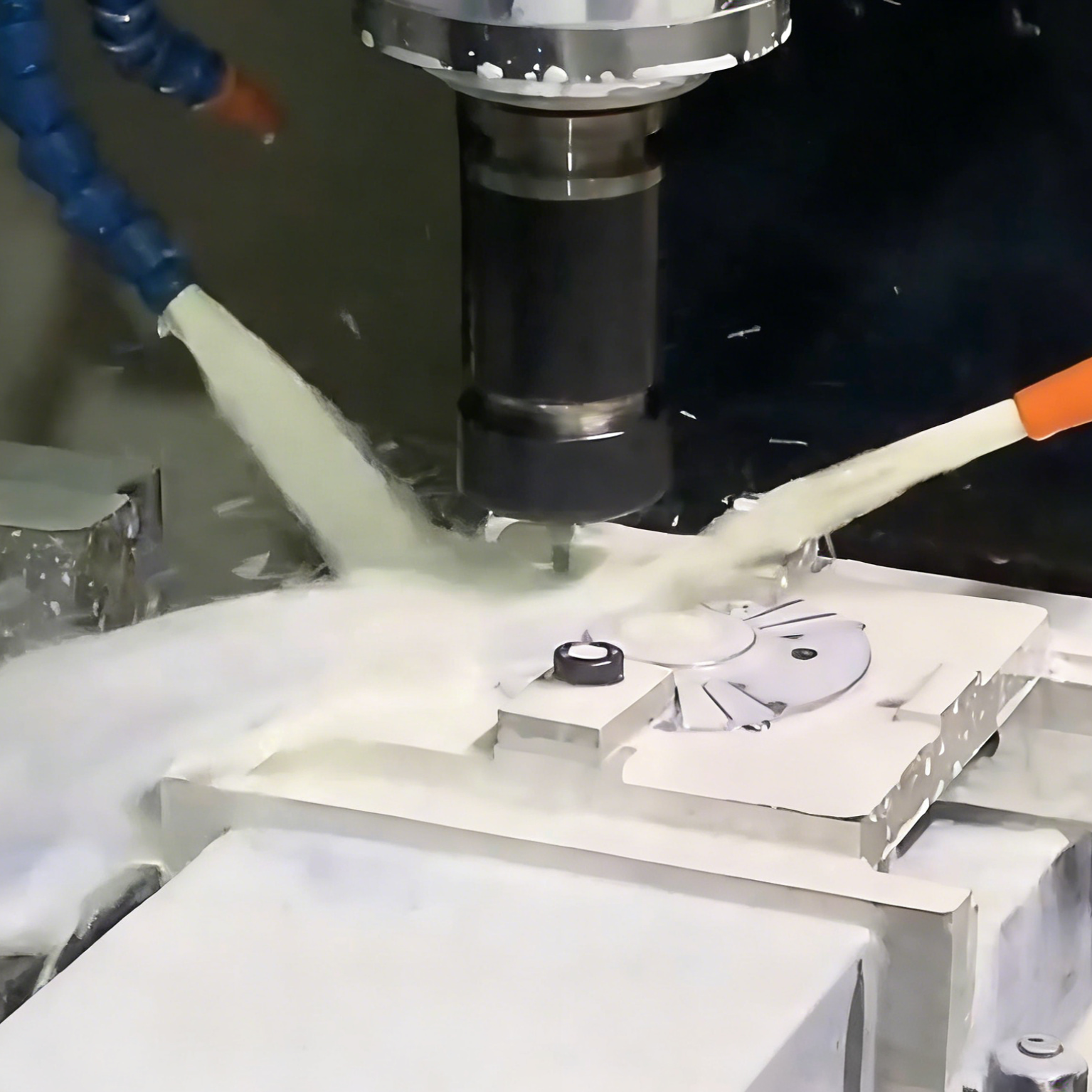
Real-time feed adjustment reduces vibration by over 35 percent and extends tool lifespan by more than 45 percent, improving production continuity and cost predictability.
Full Digital Traceability and Smart Quality Analytics

Full Digital Traceability and Smart Quality Analytics

All machining parameters are digitally recorded for genealogy tracking. SPC monitoring reduces defect escape rates below 0.3 percent, supporting regulated industry compliance.

Copyright © Dongguan BIE Hardware Co., Ltd  -  Privacy policy