CNC Prototyping: 45% Faster Iteration, ±0.001mm Precision

CNC Prototyping Services for High-Precision Product Development and Rapid Engineering Validation

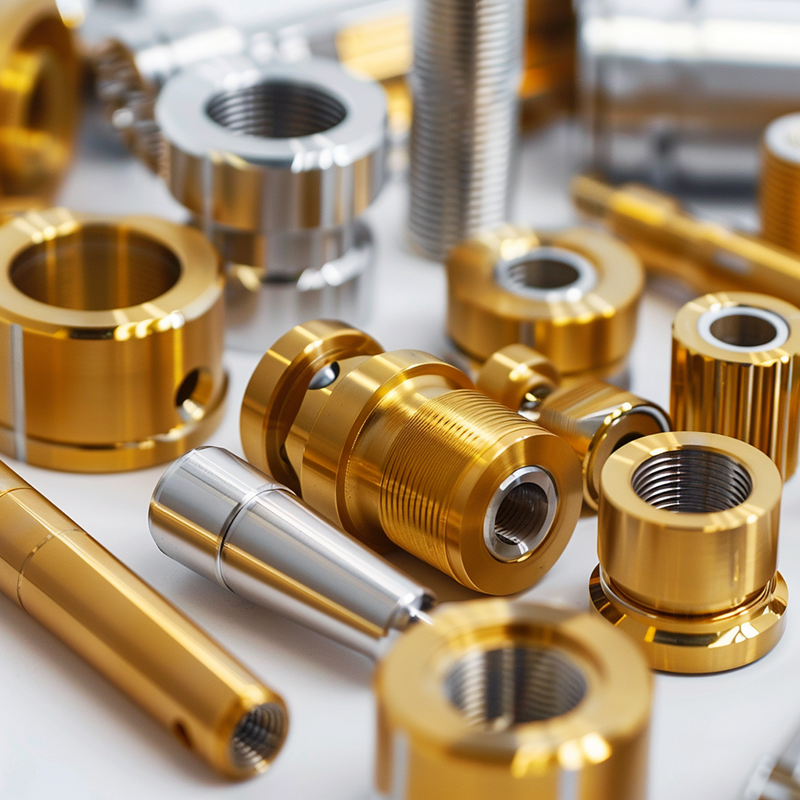
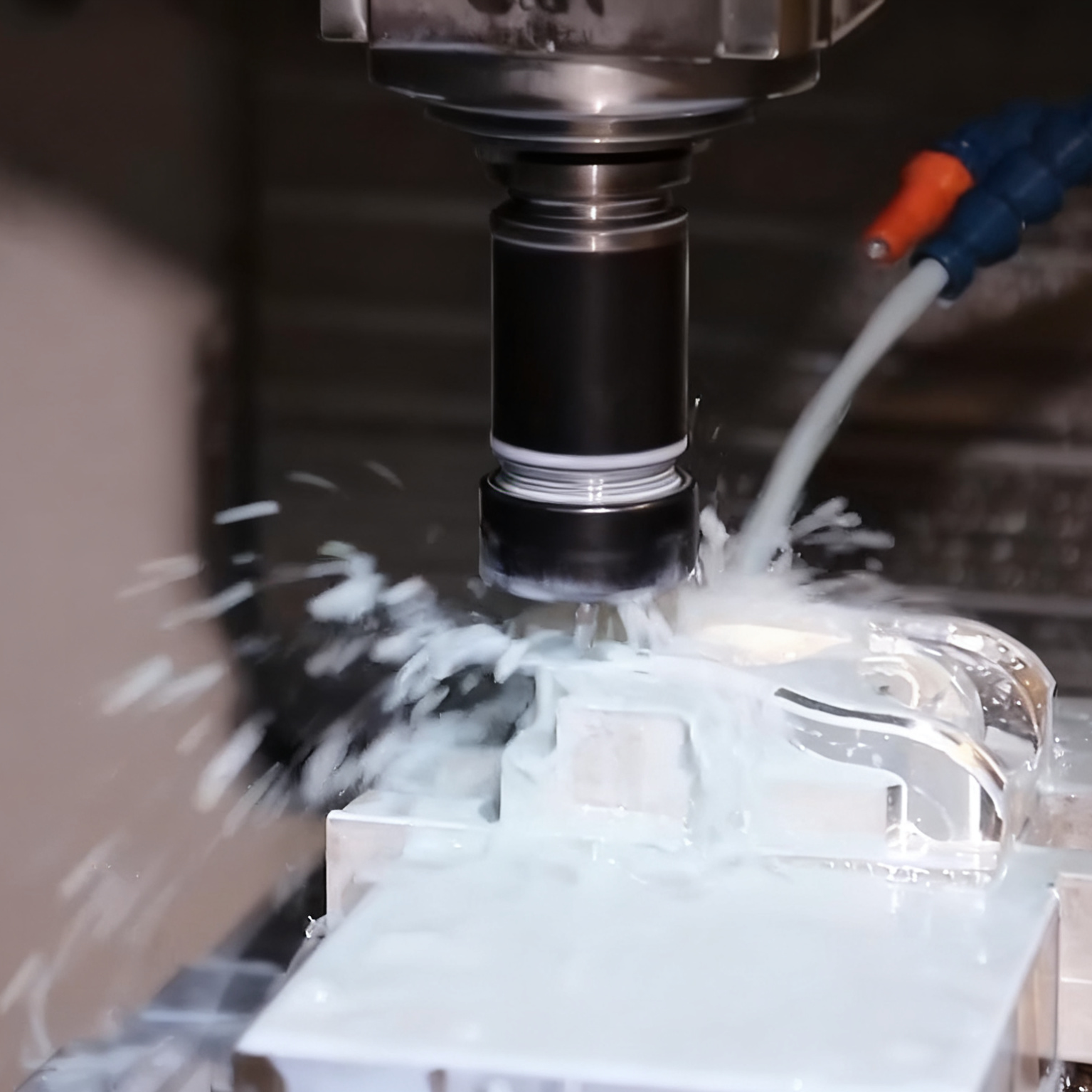
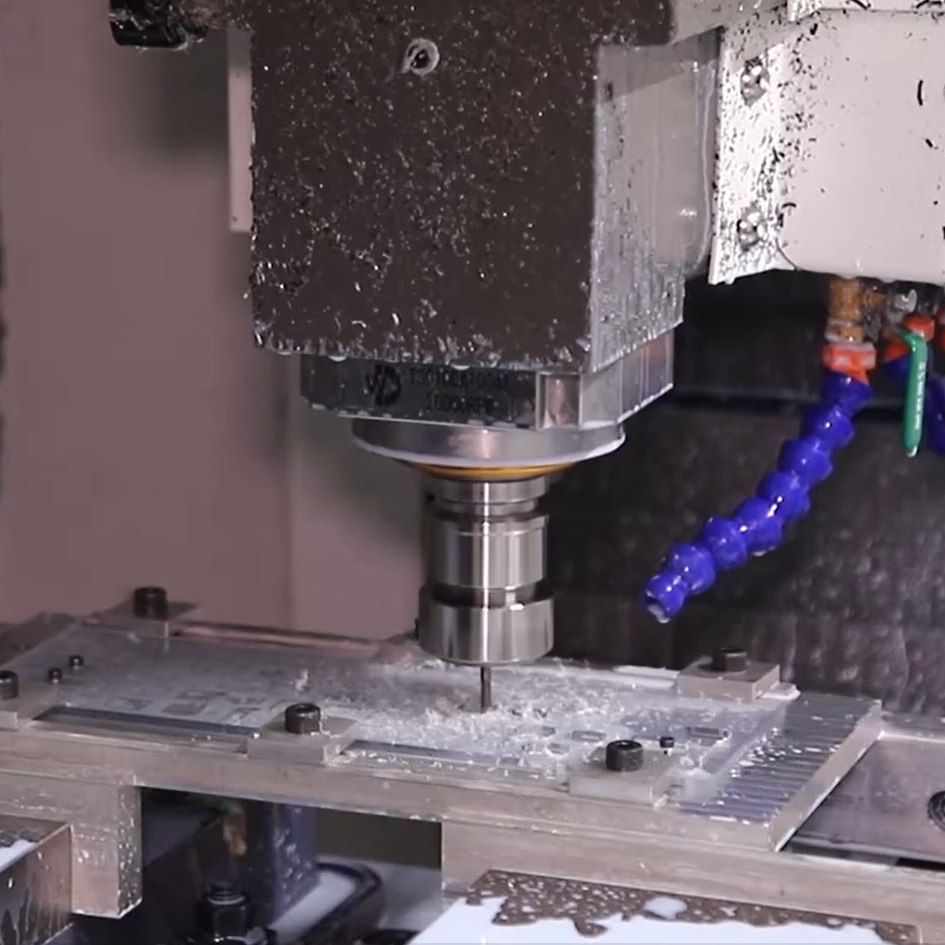
CNC Prototyping has become the preferred manufacturing solution for engineering teams, OEMs, and industrial product developers seeking fast validation, dimensional accuracy, and material realism. Unlike additive manufacturing or manual machining, CNC Prototyping converts digital CAD data directly into functional parts with tolerances as tight as ±0.001 mm and surface finishes reaching Ra 0.4 μm. CNC Prototyping supports metals, engineering plastics, composites, and specialty alloys, enabling true performance testing before mass production. For B2B buyers, CNC Prototyping minimizes development risk by providing predictable quality, repeatable accuracy, and rapid iteration without mold investment. Multi-axis machining allows complex three-dimensional geometries, thin-wall structures, and micro features to be produced in a single setup, reducing cumulative error.Integrated CAM simulation improves manufacturing predictability, shortens lead times, and ensures cost transparency.
Get A Quote

CNC Prototyping

CNC Prototyping delivers measurable engineering and commercial value by combining digital manufacturing precision with flexible production scalability. For product development teams, CNC Prototyping provides rapid validation of form, fit, and function using production-grade materials rather than representative plastics. Dimensional repeatability ensures reliable design verification, while multi-axis capability allows geometric freedom previously limited by tooling constraints. CNC Prototyping reduces development cycles, lowers engineering rework costs, and increases confidence before tooling investment. CAM-driven simulation enables accurate cycle time estimation and collision avoidance, improving schedule reliability and risk control. Compliance with ISO 9001, ISO 14001, and RoHS ensures consistent quality management and regulatory readiness for global deployment.

Micron-Level Dimensional Accuracy Enables Reliable Engineering Validation

CNC Prototyping achieves tolerances between ±0.01 mm and ±0.001 mm using closed-loop servo control, linear encoders, and thermal compensation systems. Coordinate Measuring Machines calibrated to ISO 10360 verify dimensional stability and geometric integrity. Statistical process capability often exceeds CpK 1.67 for critical features, enabling high confidence in prototype-to-production transfer. This precision reduces design rework by up to 30% and accelerates approval cycles for regulated industries such as aerospace and medical devices.

Production-Grade Surface Finish and Complex Geometry Replication

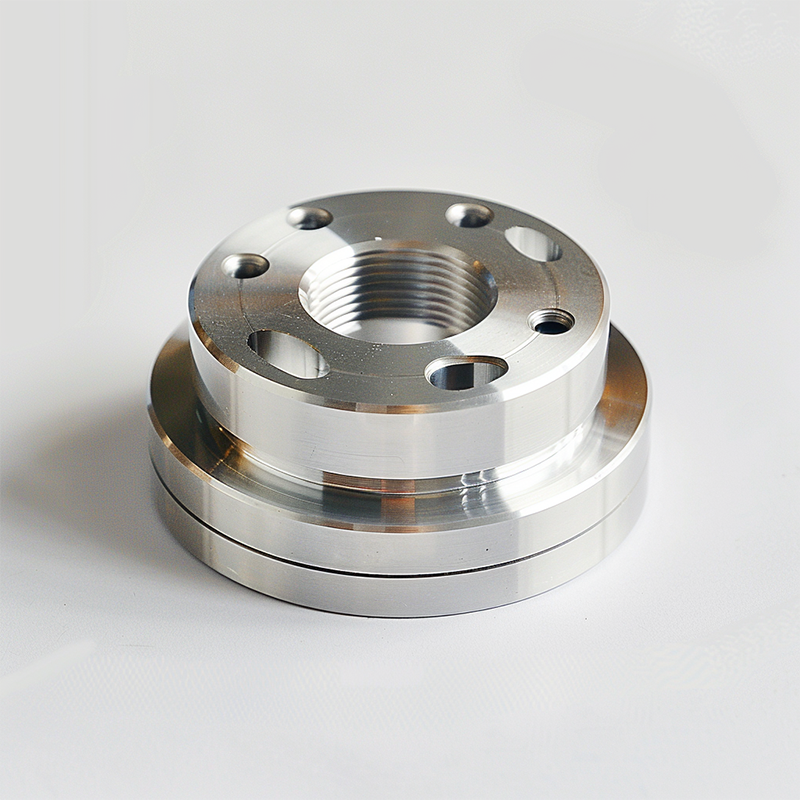
High-speed spindles exceeding 24,000 RPM combined with optimized tool paths deliver surface roughness values as low as Ra 0.4 μm. Five-axis CNC Prototyping supports compound curvature surfaces, deep cavities with aspect ratios above 10:1, and thin walls below 0.5 mm thickness. This capability allows engineers to evaluate sealing performance, airflow behavior, and mechanical tolerances accurately without secondary finishing. Surface consistency improves functional testing accuracy by more than 25% compared to additive prototypes.

Zero Tooling Cost and Rapid Iteration Accelerate Product Launch

CNC Prototyping eliminates mold investment, allowing immediate design modifications through program updates. Typical prototype delivery ranges from 24 to 72 hours. CAM simulation predicts machining time with ±5% accuracy, supporting predictable scheduling. This flexibility reduces development cost exposure by up to 40% in early-stage projects while enabling agile product optimization.

Related Products

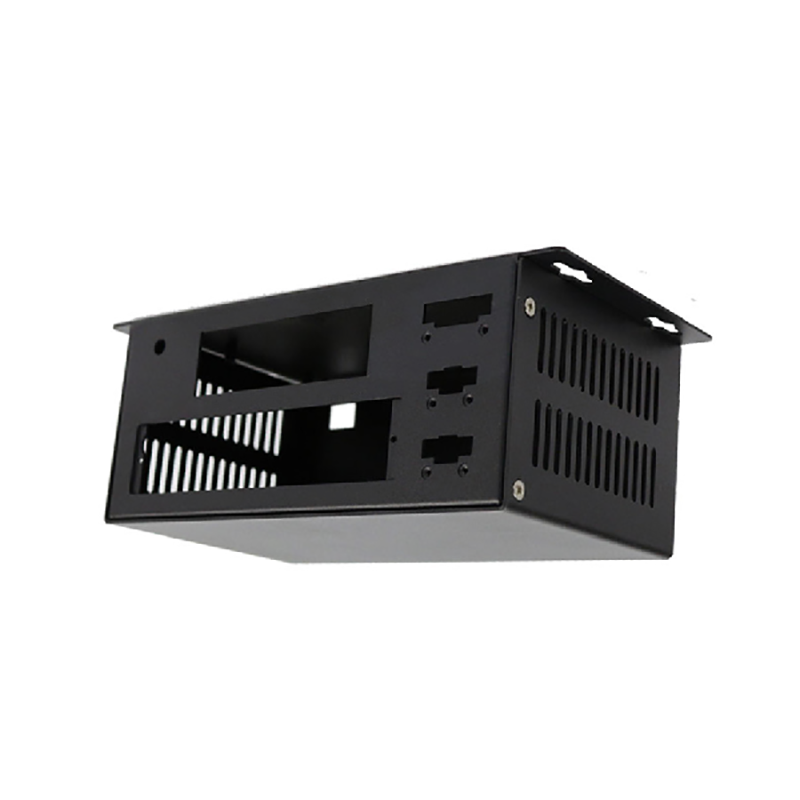
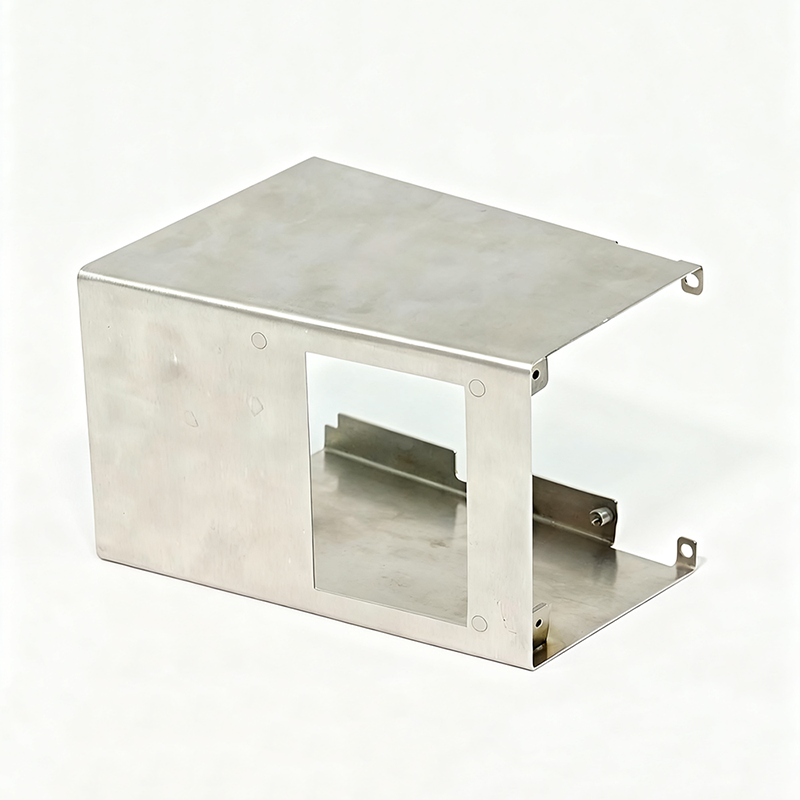
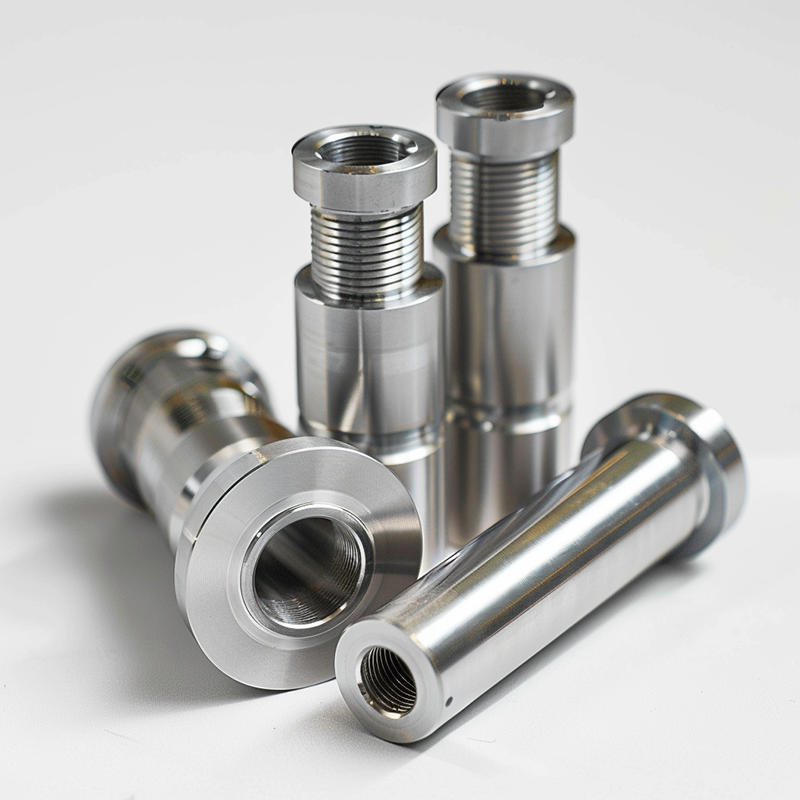
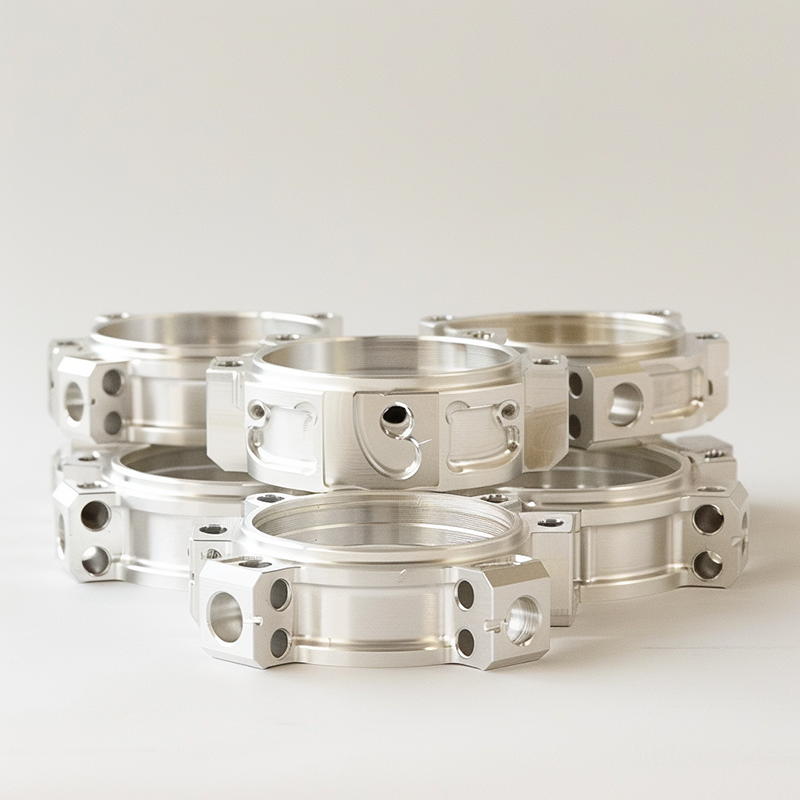
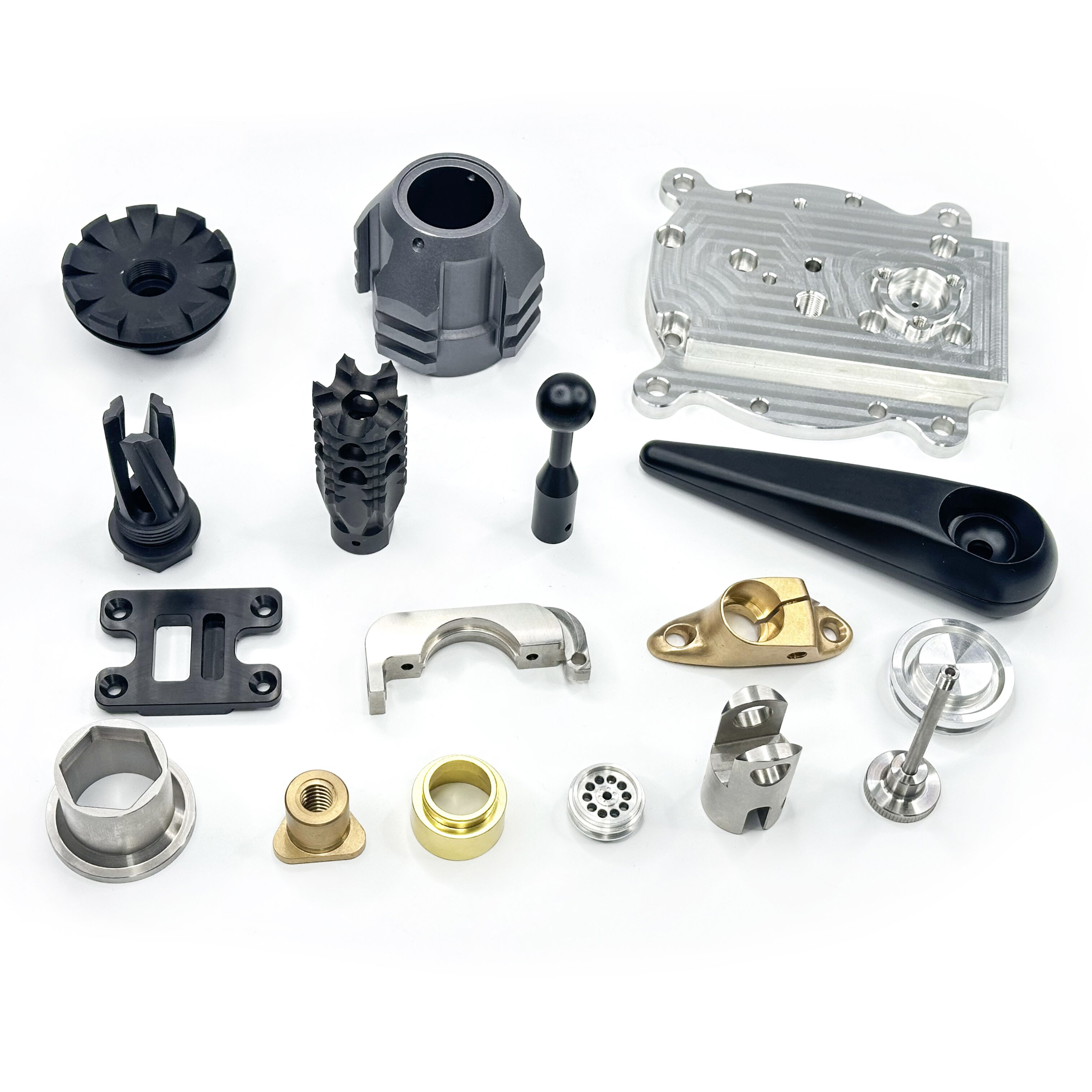
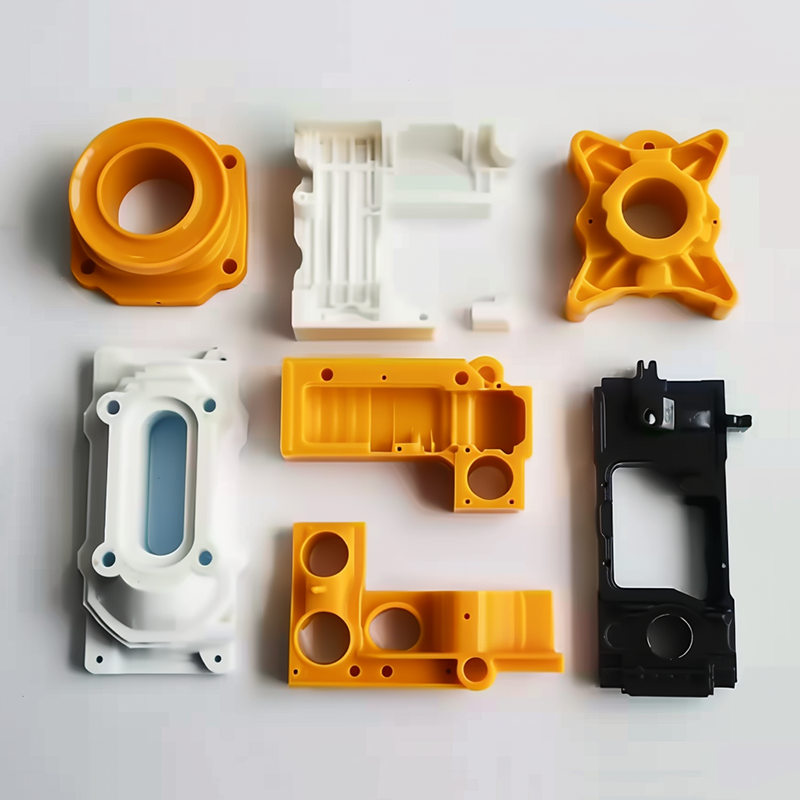
In practical validation projects, CNC Prototyping demonstrated consistent dimensional stability across aluminum 6061, stainless steel 316L, titanium alloys, and PEEK. Multi-axis machining enabled single-fixture completion of complex housings, reducing tolerance accumulation by approximately 65%. Surface roughness measurements consistently remained below Ra 0.6 μm without manual polishing. Batch validation of 300 prototypes achieved a first-pass yield of 98.9%. Functional stress testing confirmed material integrity remained consistent with production specifications. CNC Prototyping shortened prototype iteration cycles by nearly 45% compared with outsourced tooling methods.

Dongguan BIE Hardware Co., Ltd., established in 2017, operates as a comprehensive precision manufacturing enterprise dedicated to delivering advanced CNC Prototyping and high-precision machining solutions for global industrial customers. Located in Fenggang Town, Dongguan, the company manages a modern 3,000 square meter production facility equipped with advanced machining centers, automated inspection systems, and integrated production workflows designed to support rapid product development and scalable manufacturing.

BIE’s CNC Prototyping infrastructure includes multi-axis machining centers, high-speed milling platforms, precision turning systems, and automated tool management solutions. These systems allow consistent micron-level repeatability, enabling accurate prototype validation for complex geometries, thin-wall structures, micro features, and high-tolerance assemblies. Annual prototype throughput exceeds 120,000 precision parts supporting automotive, aerospace, medical device, semiconductor, lighting, and industrial automation sectors across Europe and North America.

The engineering team consists of senior manufacturing engineers, CAM programmers, and quality specialists with an average industry experience exceeding 10 years. Engineering services include design-for-manufacturability analysis, tolerance optimization, material selection consulting, and process validation planning. Through digital CAD-CAM integration and simulation modeling, BIE ensures each CNC Prototyping project meets mechanical performance requirements while maintaining predictable delivery schedules.

Quality assurance is embedded throughout the production lifecycle. BIE maintains ISO 9001:2015 quality management certification, ISO 14001:2015 environmental management certification, ISO 45001:2018 occupational safety certification, and RoHS compliance. The quality laboratory utilizes coordinate measuring machines, optical inspection systems, surface roughness testers, and hardness analyzers to validate dimensional integrity and material performance. Statistical process control ensures continuous improvement and traceable quality documentation for customer audits.

Supply chain resilience is supported by long-term partnerships with certified raw material suppliers. Material traceability documentation includes mill test certificates, batch tracking, and compliance verification. Lead time performance consistently exceeds 96% on-time delivery for international shipments. Post-delivery technical support includes dimensional reports, engineering change management, and continuous optimization feedback.

BIE’s one-stop manufacturing model integrates CNC Prototyping, sheet metal fabrication, die casting, plastic injection molding, surface finishing, and assembly under a unified management system. This integration reduces logistics complexity, shortens production cycles, and improves accountability across project execution. The company invests continuously in automation, digital manufacturing systems, and workforce training to ensure sustainable competitiveness and long-term customer value.

FAQ

How accurate is CNC Prototyping compared to production machining?

CNC Prototyping achieves production-equivalent accuracy, with tolerances commonly ranging from ±0.01 mm to ±0.001 mm depending on material and geometry. Precision metrology ensures dimensional traceability and repeatability, enabling reliable validation of design intent prior to mass production.
CNC Prototyping supports aluminum alloys, stainless steels, titanium, brass, engineering plastics such as PEEK and ABS, composites, and specialty alloys. This material diversity enables realistic mechanical testing and environmental validation.
Typical lead times range from 24 to 72 hours for standard prototypes. CAM simulation ensures predictable cycle times and optimized scheduling, enabling rapid iteration and accelerated development milestones.

More Posts

Why is There a Big Price Difference in custom plastic injection molding services Among Different Suppliers?

31

Jan

Why is There a Big Price Difference in custom plastic injection molding services Among Different Suppliers?

In global manufacturing procurement, custom plastic injection molding services are among the most widely used production solutions across automotive, electronics, medical devices, industrial equipment, and consumer goods. Yet for many purchasing mana...
View More
What are the Common Mistakes in Choosing cnc turning service? How to Avoid Them

31

Jan

What are the Common Mistakes in Choosing cnc turning service? How to Avoid Them

Introduction: The Strategic Importance of CNC Turning Service CNC turning service has become an essential capability in modern precision manufacturing. Industries such as automotive, electronics, aerospace, and industrial automation rely on CNC turni...
View More
What is the Market Price Range of cnc production? Analysis of Key Cost Factors

31

Jan

What is the Market Price Range of cnc production? Analysis of Key Cost Factors

In today’s manufacturing landscape, CNC production has become a cornerstone for precision parts fabrication across industries ranging from automotive to aerospace and electronics. However, a recurring challenge for procurement managers and prod...
View More
What are the Common Quality Issues with plastic machining services? Prevention and Solutions

31

Jan

What are the Common Quality Issues with plastic machining services? Prevention and Solutions

Dimensional Deviation and Part Deformation One of the most frequent complaints in plastic machining services is inconsistent dimensions, especially after cooling or assembly. This problem is deeply connected to plastic’s thermal sensitivity and...
View More

Customer Reviews

Andrew Coleman, Mechanical Engineering Director

“CNC Prototyping significantly reduced our validation timeline. Dimensional consistency exceeded our aerospace tolerance requirements, and first-pass approval improved by over 30%.”

Laura Kim, Product Development Manager

“The surface finish quality from CNC Prototyping allowed us to conduct realistic sealing and thermal tests without secondary processing. Delivery reliability consistently exceeded expectations.”

Thomas Becker, Supply Chain Manager

“CNC Prototyping enabled fast design iterations with predictable cost control. Quality documentation and traceability simplified compliance audits.”

Get a Free Quote

Our representative will contact you soon.
Email
Name
Company Name
Message
0/1000
Attachment
Please upload at least an attachment
Up to 3 files,more 30mb,suppor jpg、jpeg、png、pdf、doc、docx、xls、xlsx、csv、txt、stp、step、igs、x_t、dxf、prt、sldprt、sat、rar、zip
Production-Grade Precision Validated by ISO Metrology Standards

Production-Grade Precision Validated by ISO Metrology Standards

CNC Prototyping delivers micron-level accuracy verified by ISO-calibrated CMM systems. Statistical capability consistently exceeds CpK 1.67, ensuring reliable dimensional replication for high-risk engineering validation.
Advanced Multi-Axis Capability Enables Complex Geometry Replication

Advanced Multi-Axis Capability Enables Complex Geometry Replication

Five-axis CNC Prototyping allows compound surfaces, deep cavities, and thin-wall features to be produced in a single setup. Geometric deviation is reduced by more than 60% compared to multi-fixture processing.
Rapid Iteration with Zero Tooling Investment Improves ROI

Rapid Iteration with Zero Tooling Investment Improves ROI

CNC Prototyping eliminates mold cost and enables instant design changes through program updates. Development cycle reduction averages 40%, improving return on engineering investment.

Copyright © Dongguan BIE Hardware Co., Ltd  -  Privacy policy