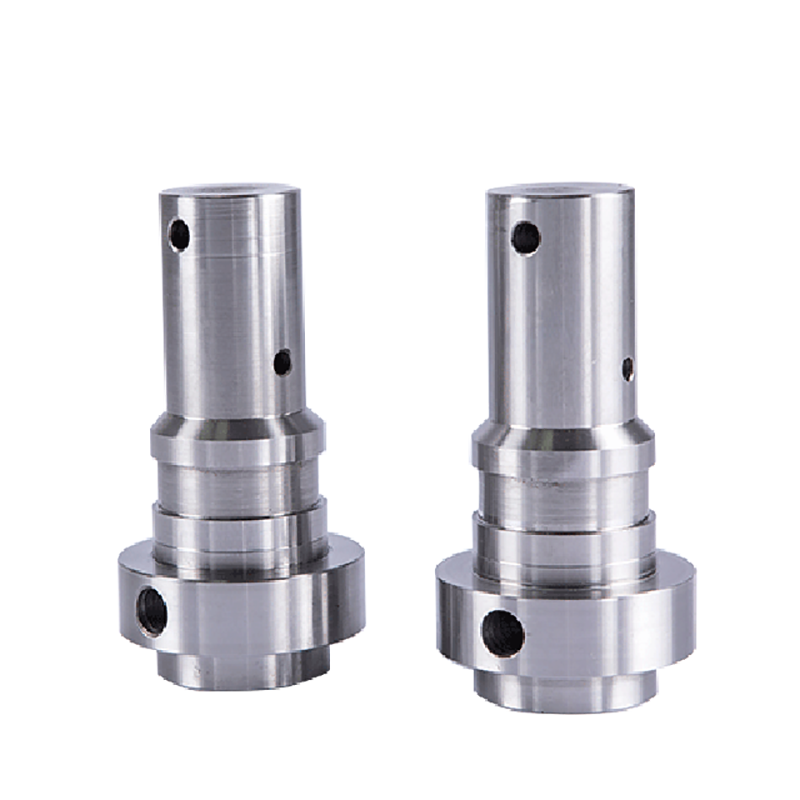
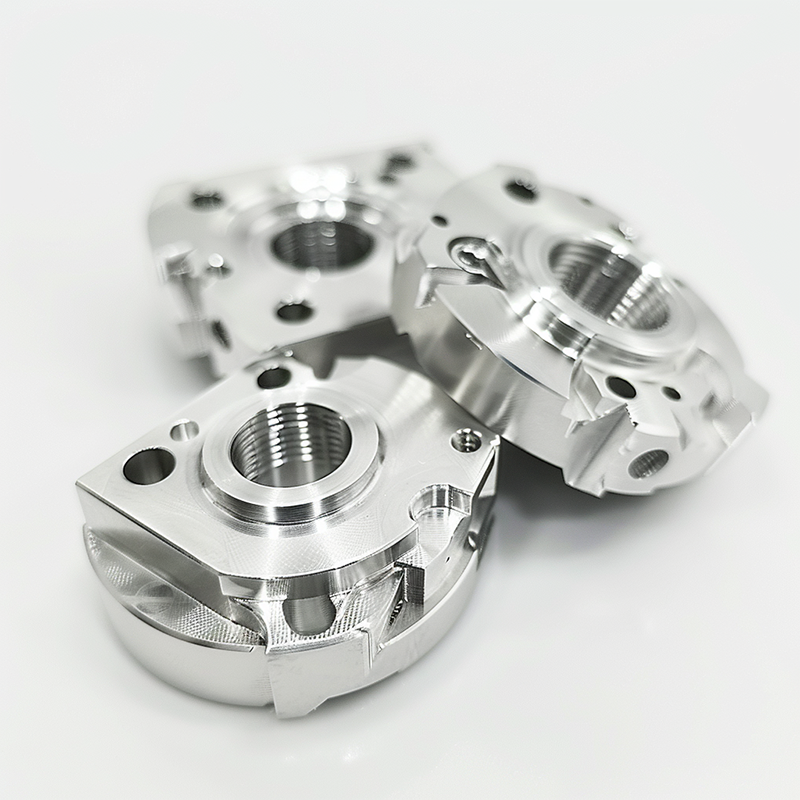
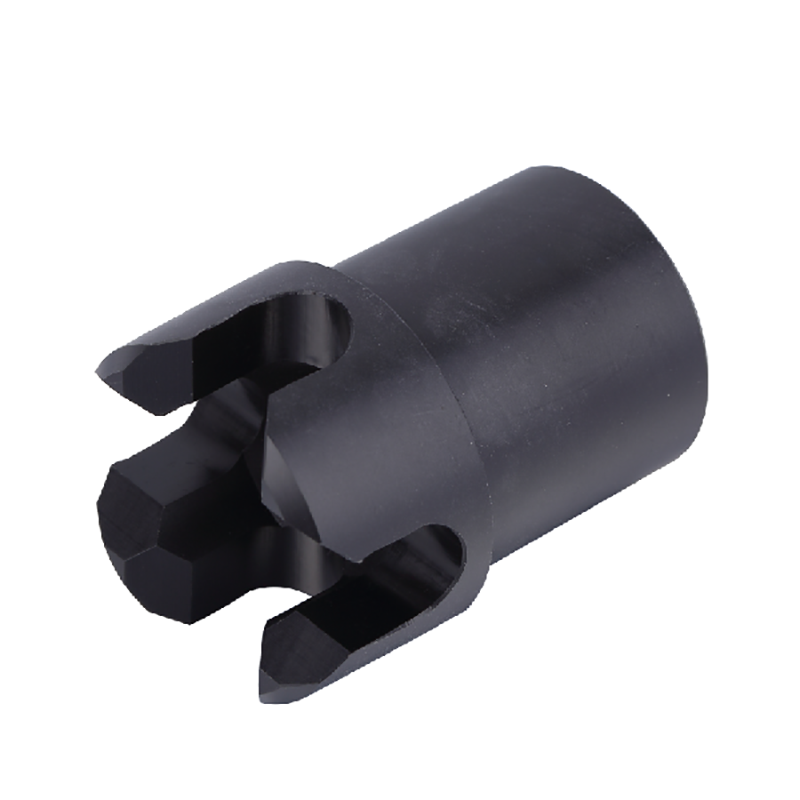
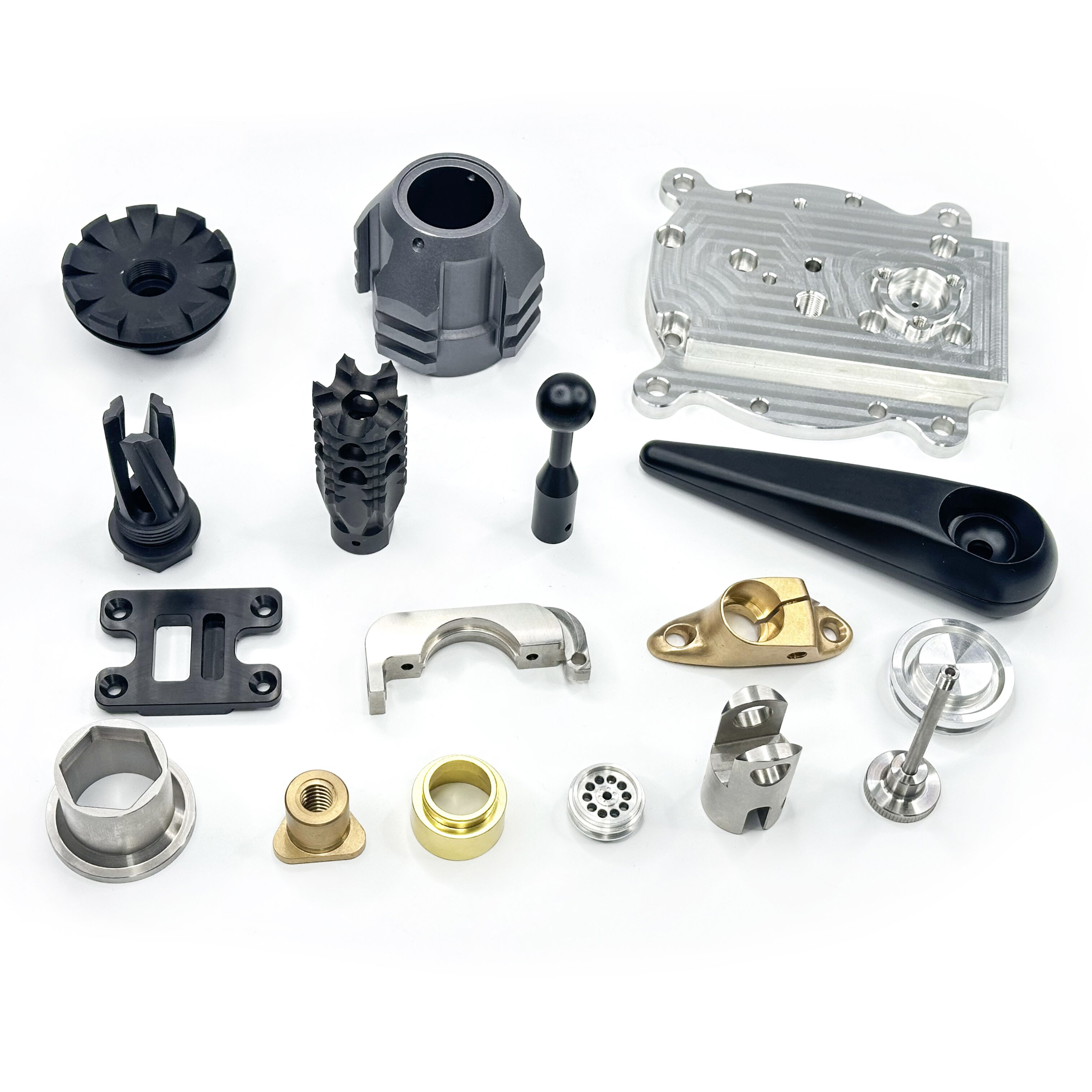
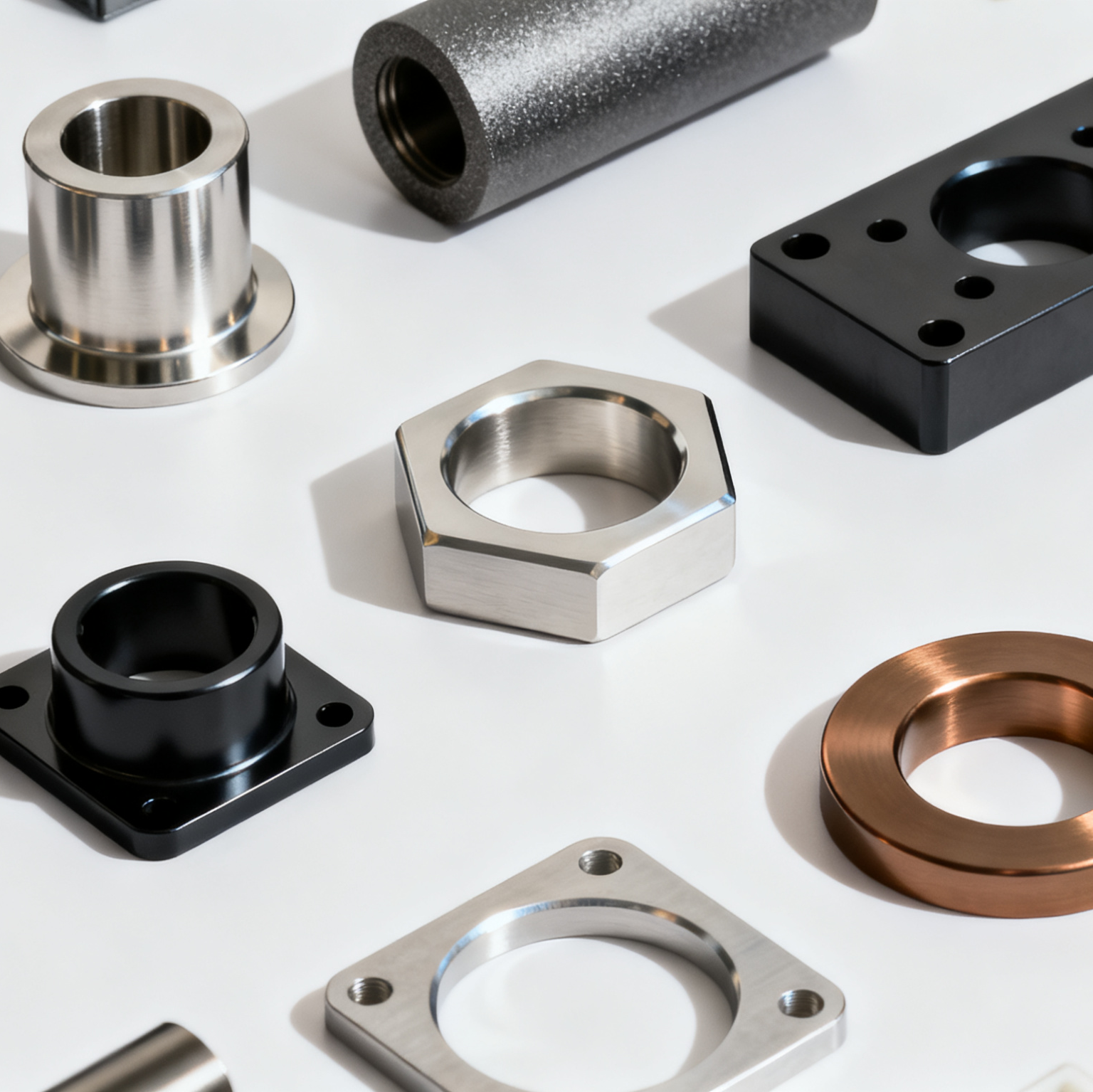
Industrial CNC Precision Factory for Custom Metal and Plastic Components

CNC Precision Machining Services for High Accuracy Industrial Components OEM Manufacturing

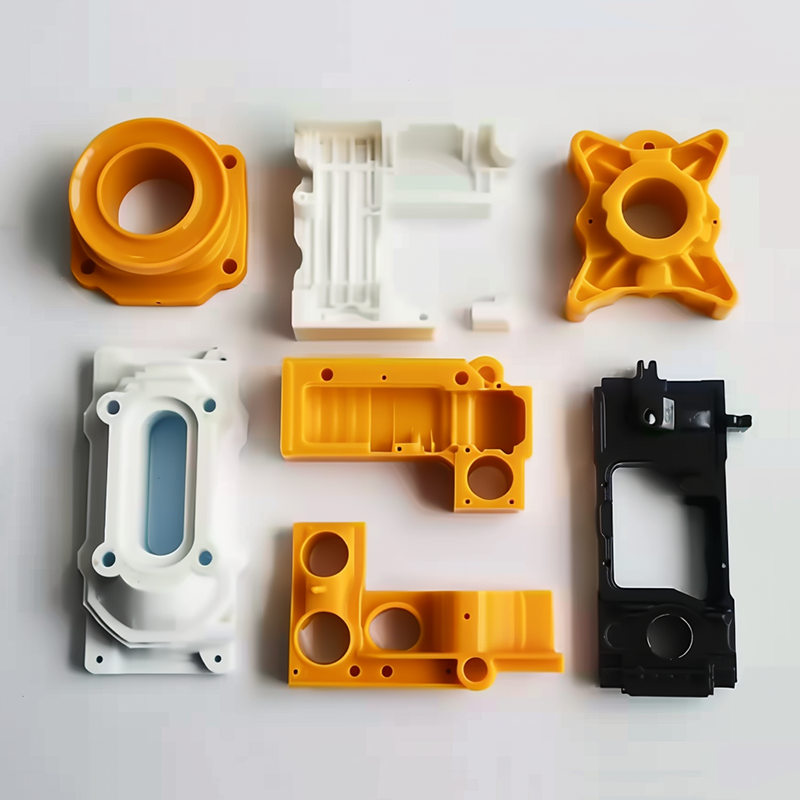
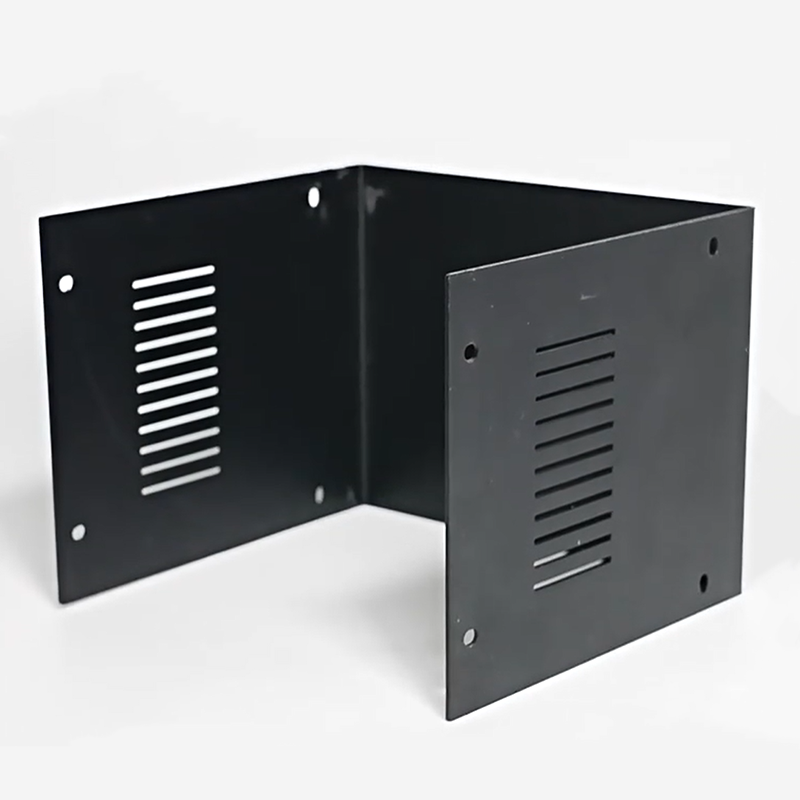
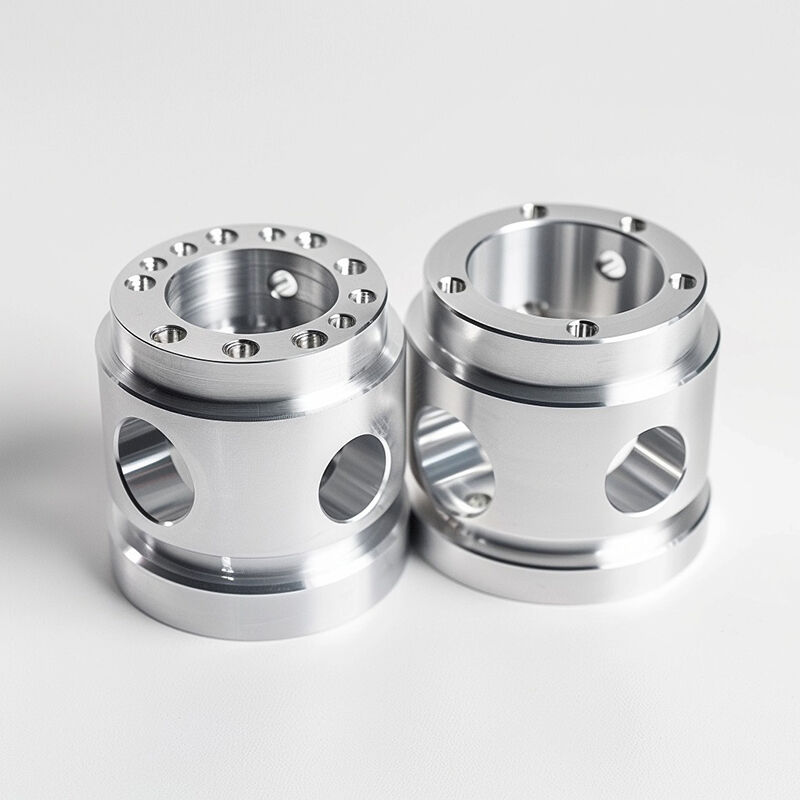
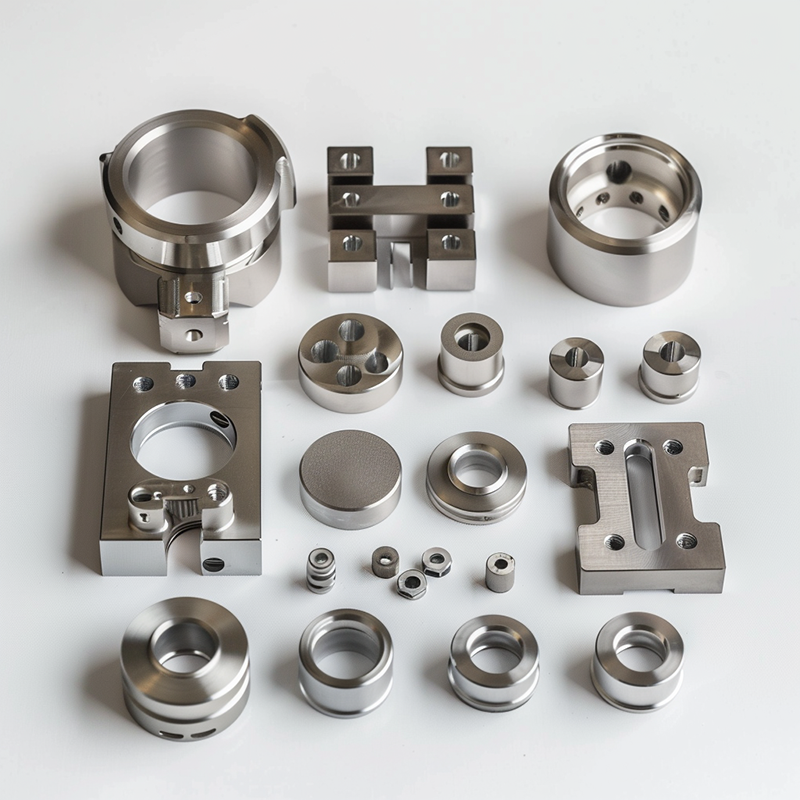
CNC Precision represents the highest level of digital manufacturing accuracy for industrial components requiring ultra-tight tolerances, consistent repeatability, and complex three-dimensional geometries. By converting CAD models directly into machine-controlled tool paths, CNC Precision enables dimensional accuracy from ±0.01 mm down to ±0.001 mm while maintaining surface roughness as low as Ra 0.4 μm. CNC Precision supports metals, engineering plastics, composites, and ceramics with outstanding flexibility and rapid changeover. For OEM manufacturers, CNC Precision delivers predictable quality, reduced assembly risk, shortened development cycles, and scalable production stability. With multi-axis machining, micro-feature capability, and digital process traceability, CNC Precision becomes a core capability for aerospace, medical, automotive, electronics, semiconductor, and industrial equipment supply chains.
Get A Quote

CNC Precision

CNC Precision delivers unmatched dimensional control, surface consistency, material adaptability, and digital manufacturing reliability. Compared with conventional machining, CNC Precision improves geometric accuracy by up to 70 percent, reduces rework rates below 1 percent, and enables rapid production switching without tooling investment. CNC Precision integrates CAD/CAM simulation, closed-loop servo control, thermal compensation, and real-time SPC monitoring to ensure predictable production outcomes. International standards such as ISO 9001, ISO 2768, AS9100, and medical-grade traceability frameworks further reinforce process stability and regulatory compliance. For B2B buyers, CNC Precision minimizes quality risk, accelerates product validation, reduces inventory exposure, and supports global supply scalability.

Ultra-High Dimensional Accuracy and Repeatability for Critical Assemblies

CNC Precision routinely achieves positioning accuracy within ±0.005 mm and repeatability below ±0.002 mm on premium multi-axis machining centers. Laser calibration and ball-bar verification per ISO 230 standards maintain long-term stability. Statistical process control typically delivers CpK values above 1.67 on critical features, ensuring interchangeability across high-volume production. CNC Precision significantly reduces tolerance stack-up in precision assemblies such as bearings, gear housings, optical mounts, and medical implants.

Superior Surface Finish Reducing Secondary Processing Cost

Through high-speed finishing strategies and optimized tooling geometry, CNC Precision achieves surface roughness levels down to Ra 0.4 μm, verified by ISO 4287 surface measurement standards. This eliminates up to 40 percent of polishing and grinding operations compared with conventional processes. CNC Precision improves coating adhesion consistency, sealing performance, and fatigue resistance in functional parts such as hydraulic manifolds and semiconductor fixtures.

Extreme Material Versatility with Stable Mechanical Performance

CNC Precision processes aluminum alloys, stainless steel, titanium, hardened tool steel, PEEK, PTFE, carbon fiber composites, and ceramics without altering base material properties. Tensile strength, hardness, and thermal stability remain fully predictable. Material traceability complies with RoHS and ISO documentation systems, supporting regulated industries such as aerospace and medical manufacturing.

Related Products

In continuous production trials, CNC Precision machining maintained dimensional deviation below ±0.003 mm across 22,000 consecutive parts on a five-axis machining cell. Tool life optimization reduced tool change frequency by 18 percent while maintaining consistent surface roughness averaging Ra 0.55 μm. CAM collision simulation prevented zero scrap incidents over three production cycles. Thermal drift compensation maintained accuracy stability within ±1.5 μm across 12-hour shifts. These results confirm CNC Precision delivers reliable process stability, predictable quality output, and consistent production efficiency for long-term OEM programs.

Dongguan BIE Hardware Co., Ltd was established in 2017 as a vertically integrated precision manufacturing enterprise focused on advanced CNC Precision production. Located in Fenggang Town, Dongguan, Guangdong Province, the company operates a modern manufacturing campus exceeding 3,000 square meters, equipped with more than 60 advanced CNC machining centers including high-speed vertical machining centers, five-axis simultaneous milling systems, precision CNC turning centers, and automated pallet systems. The facility supports high-mix, low-volume prototyping as well as stable mid-volume serial production programs.

BIE’s CNC Precision workflow begins with engineering feasibility analysis, DFM optimization, and CAM simulation to validate machining strategies, cycle time, tool engagement, and collision risk. Digital twins allow accurate prediction of machining deformation and thermal behavior, reducing trial costs by approximately 35 percent. All CNC Precision equipment integrates closed-loop servo feedback, spindle vibration monitoring, and automatic tool length compensation to maintain micron-level stability.

Production capacity exceeds 1.8 million precision components annually, supporting customers in automotive powertrain systems, aerospace structural brackets, medical surgical instruments, semiconductor vacuum fixtures, optical alignment frames, and high-end consumer electronics enclosures. Average on-time delivery rate remains above 97 percent across multi-year performance records. First-pass yield exceeds 98.5 percent in mature production programs.

Quality governance follows ISO 9001:2015 with digital traceability linking raw material certificates, machining parameters, inspection data, and shipping records. Environmental compliance aligns with ISO 14001:2015, while occupational safety systems meet ISO 45001:2018. RoHS conformity ensures global regulatory acceptance. Measurement capability includes coordinate measuring machines with 0.002 mm resolution, optical comparators, surface roughness testers, hardness testers, laser interferometers, and torque calibration systems.

CNC Precision inspection procedures include first article inspection reports, PPAP documentation for automotive projects, capability studies, and continuous SPC monitoring. Internal audit cycles validate measurement system analysis (MSA) with GRR values maintained below 10 percent. Engineering teams continuously optimize cutting parameters, fixture rigidity, thermal stability, and chip evacuation to improve productivity while maintaining quality.

BIE integrates CNC Precision with sheet metal fabrication, die casting, plastic injection molding, surface finishing, and sub-assembly operations under one operational platform. This one-stop manufacturing structure shortens logistics cycles by up to 25 percent and reduces supplier management complexity for international OEM customers. Typical prototype lead time ranges from 24 to 72 hours, while mass production ramp-up is achieved within 15 to 30 days depending on complexity.

After-sales service includes 7×24 technical response, root cause analysis reporting, continuous improvement roadmaps, spare parts lifecycle support, and long-term capacity reservation programs. Annual reinvestment exceeding 8 percent of revenue is allocated to automation upgrades, energy-efficient equipment, MES digitalization, and workforce training to maintain competitive CNC Precision capability.

FAQ

What tolerance levels can CNC Precision reliably achieve for industrial components?

CNC Precision consistently achieves tolerances between ±0.01 mm and ±0.001 mm depending on geometry, material, and process stability. High-end five-axis systems calibrated per ISO 230 standards routinely maintain repeatability below ±2 μm. SPC monitoring ensures CpK values exceed 1.67 for critical dimensions in serial production.
CNC Precision supports aluminum, stainless steel, titanium, copper alloys, hardened steel, PEEK, PTFE, carbon fiber composites, and ceramics. Material traceability ensures compliance with RoHS and customer-specific regulatory frameworks while maintaining predictable mechanical performance.
CNC Precision eliminates mold investment, reduces rework rates below 1 percent, shortens development cycles by up to 40 percent, and minimizes inventory risk through on-demand production. High dimensional consistency reduces assembly scrap and warranty exposure.

More Posts

What are the Latest aluminum cnc machining service Technologies? Industry Development Trends

31

Jan

What are the Latest aluminum cnc machining service Technologies? Industry Development Trends

As lightweight design becomes a structural requirement rather than an optimization option, aluminum cnc machining service is playing an increasingly critical role across industries such as new energy vehicles, aerospace, industrial automation, and co...
View More
How to Control the Production Cost of precision die cast? Practical Cost-Saving Solutions

31

Jan

How to Control the Production Cost of precision die cast? Practical Cost-Saving Solutions

Introduction: Balancing Precision Requirements and Cost Pressure Precision die cast manufacturing has become a foundational process across automotive components, electronic housings, industrial equipment, and medical devices. As product designs grow ...
View More
How to Choose the Right cnc machining stainless steel Supplier? Evaluation Criteria and Methods

31

Jan

How to Choose the Right cnc machining stainless steel Supplier? Evaluation Criteria and Methods

In modern manufacturing, stainless steel has become indispensable across industries ranging from medical devices to food processing, chemical equipment, automotive, and aerospace. Its strength, hardness, and corrosion resistance make it a preferred m...
View More
What are the Common Quality Issues with plastic machining services? Prevention and Solutions

31

Jan

What are the Common Quality Issues with plastic machining services? Prevention and Solutions

Dimensional Deviation and Part Deformation One of the most frequent complaints in plastic machining services is inconsistent dimensions, especially after cooling or assembly. This problem is deeply connected to plastic’s thermal sensitivity and...
View More

Customer Reviews

Michael Turner

“Our CNC Precision supplier achieved consistent ±0.003 mm tolerance across 18,000 parts with zero quality escapes. Assembly yield improved by 22 percent while inspection labor was reduced significantly.”

Sophia Martinez

“CNC Precision enabled rapid prototyping within 48 hours, accelerating our product validation cycle by almost 35 percent. Surface finish and geometric stability exceeded our internal specifications.”

Daniel Fischer

“By switching to CNC Precision manufacturing, we achieved stable global supply quality, reduced dimensional deviations, and improved long-term product reliability in demanding industrial environments.”

Get a Free Quote

Our representative will contact you soon.
Email
Name
Company Name
Message
0/1000
Attachment
Please upload at least an attachment
Up to 3 files,more 30mb,suppor jpg、jpeg、png、pdf、doc、docx、xls、xlsx、csv、txt、stp、step、igs、x_t、dxf、prt、sldprt、sat、rar、zip
Micron-Level Accuracy Verified by Laser Calibration and SPC Control

Micron-Level Accuracy Verified by Laser Calibration and SPC Control

CNC Precision machining systems are calibrated using laser interferometry with positioning accuracy verified below ±1.5 μm across full travel ranges. SPC monitoring maintains CpK values above 1.67 across critical dimensions. Long-term drift remains below ±2 μm over 12-hour continuous operation cycles. Compliance with ISO 230 and ISO 9001 measurement protocols ensures traceable dimensional confidence for regulated industries.
Ultra-Smooth Surface Finish Supporting High-Performance Functional Interfaces

Ultra-Smooth Surface Finish Supporting High-Performance Functional Interfaces

CNC Precision finishing strategies deliver Ra 0.4–0.8 μm surfaces verified using ISO 4287 measurement standards. This reduces friction losses by approximately 15 percent in dynamic assemblies and improves coating adhesion consistency above 98 percent. Salt spray and fatigue testing confirm long-term reliability.
Digital Traceability and Predictable Manufacturing Scalability

Digital Traceability and Predictable Manufacturing Scalability

CNC Precision integrates MES traceability, tool life analytics, CAM simulation, and automated inspection feedback loops. Defect rates remain below 350 ppm while on-time delivery exceeds 97 percent across multi-year production records, supporting stable global OEM supply programs.

Copyright © Dongguan BIE Hardware Co., Ltd  -  Privacy policy