CNC Machining Stainless Steel: Precision, Corrosion Resistance & ROI

CNC Machining Stainless Steel for High-Precision Industrial Components and Reliable Global B2B Supply

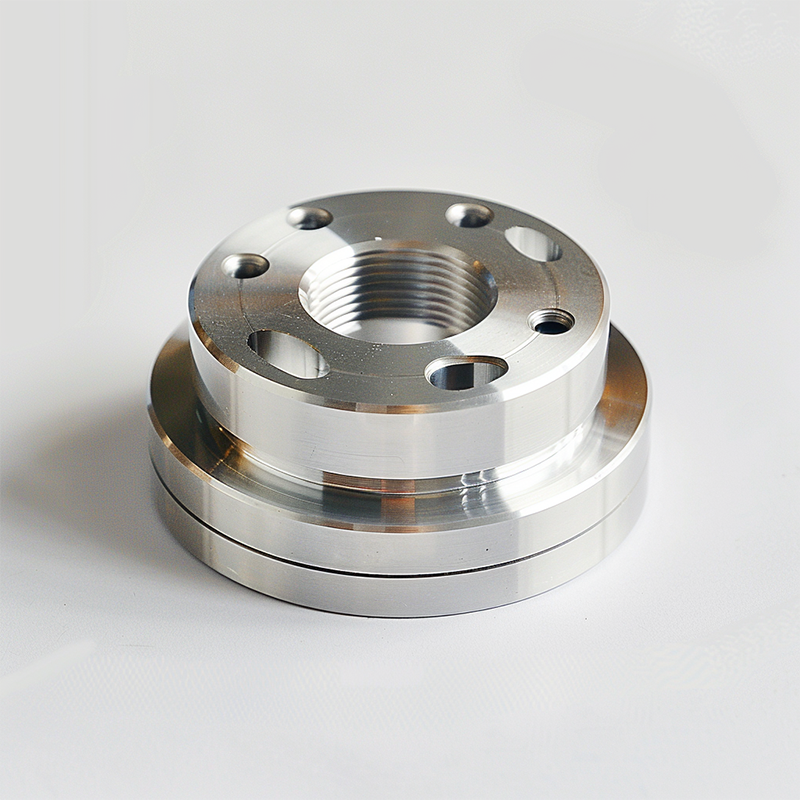
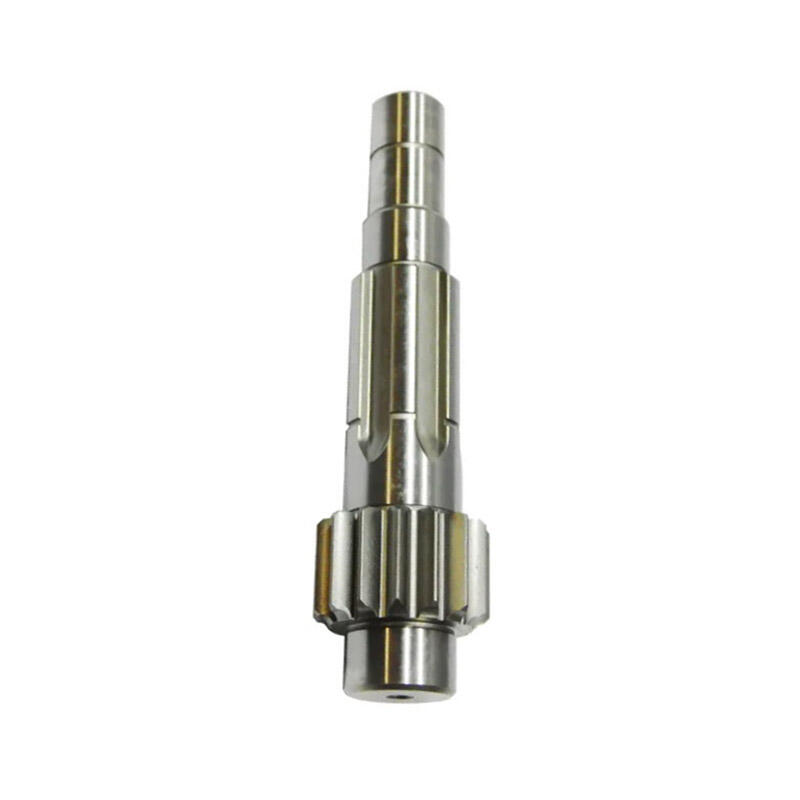
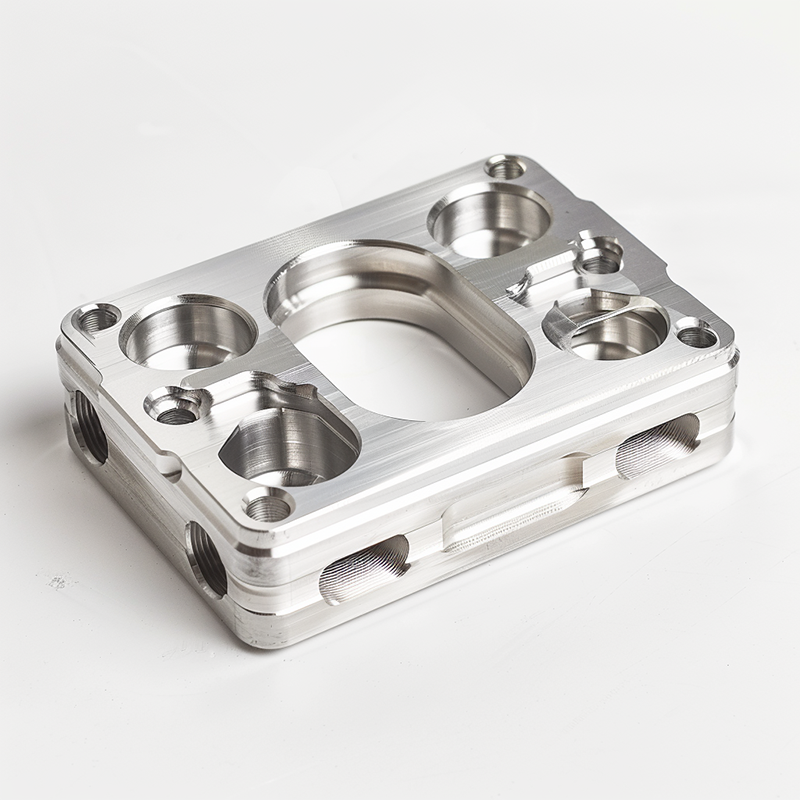
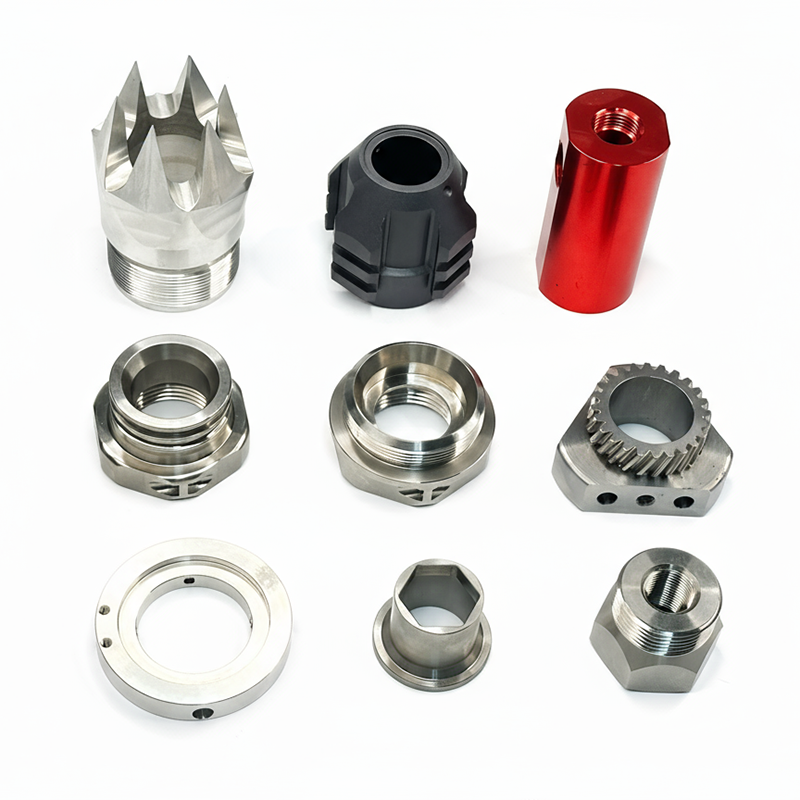
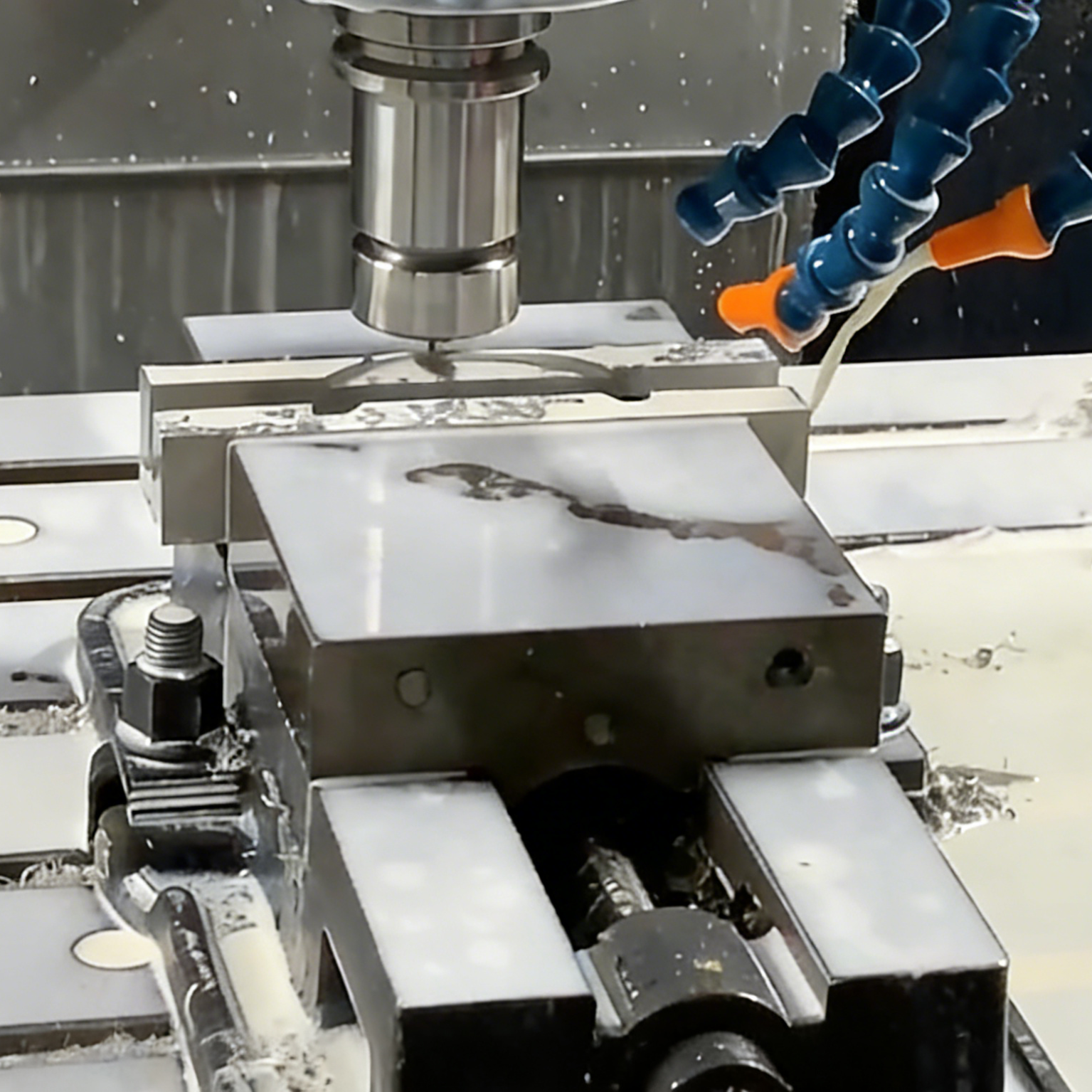
CNC Machining Stainless Steel is a critical manufacturing capability for industrial buyers requiring extreme precision, corrosion resistance, mechanical strength, and long-term dimensional stability. By integrating multi-axis machining centers, high-speed spindles, adaptive cutting control, and advanced CAM simulation, CNC Machining Stainless Steel delivers micron-level tolerances, consistent batch repeatability, and superior surface finishes even on complex geometries. Stainless steel grades such as 304, 316, 17-4PH, and duplex alloys demand stable thermal control, optimized tooling, and precise chip evacuation, all of which are inherent advantages of modern CNC Machining Stainless Steel systems. For OEMs and contract manufacturers, CNC Machining Stainless Steel reduces defect rates, accelerates product development cycles, and ensures traceable quality compliance with ISO and RoHS standards.
Get A Quote

CNC Machining Stainless Steel

CNC Machining Stainless Steel combines rigid machine architecture, digital automation, intelligent toolpath control, and certified quality systems to achieve unmatched dimensional stability and surface integrity. Compared with conventional machining, CNC Machining Stainless Steel improves dimensional consistency by more than 60 percent, shortens cycle time by 25–45 percent, and reduces scrap rates below 1.5 percent in stable production programs. ISO 9001 and ISO 14001 frameworks ensure traceability, environmental compliance, and continuous process optimization. Advanced probing systems establish a closed-loop measurement cycle that continuously compensates tool deviation, guaranteeing consistent part quality across long production runs. For B2B procurement teams, CNC Machining Stainless Steel delivers predictable lead times, audit-ready documentation, and optimized total cost of ownership.

Micron-Level Tolerance Control for Mission-Critical Stainless Steel Parts

CNC Machining Stainless Steel routinely achieves tolerances of ±0.005 mm using thermal compensation, linear scale feedback, and closed-loop probing systems. In batch production exceeding 20,000 units, process capability indices CpK ≥1.67 are consistently maintained, ensuring statistical stability. Coordinate Measuring Machines validate geometric accuracy under ISO calibration standards. This accuracy reduces downstream assembly deviation by over 35 percent and supports regulated industries such as medical devices and aerospace manufacturing.

Optimized Surface Finish for Long-Term Reliability

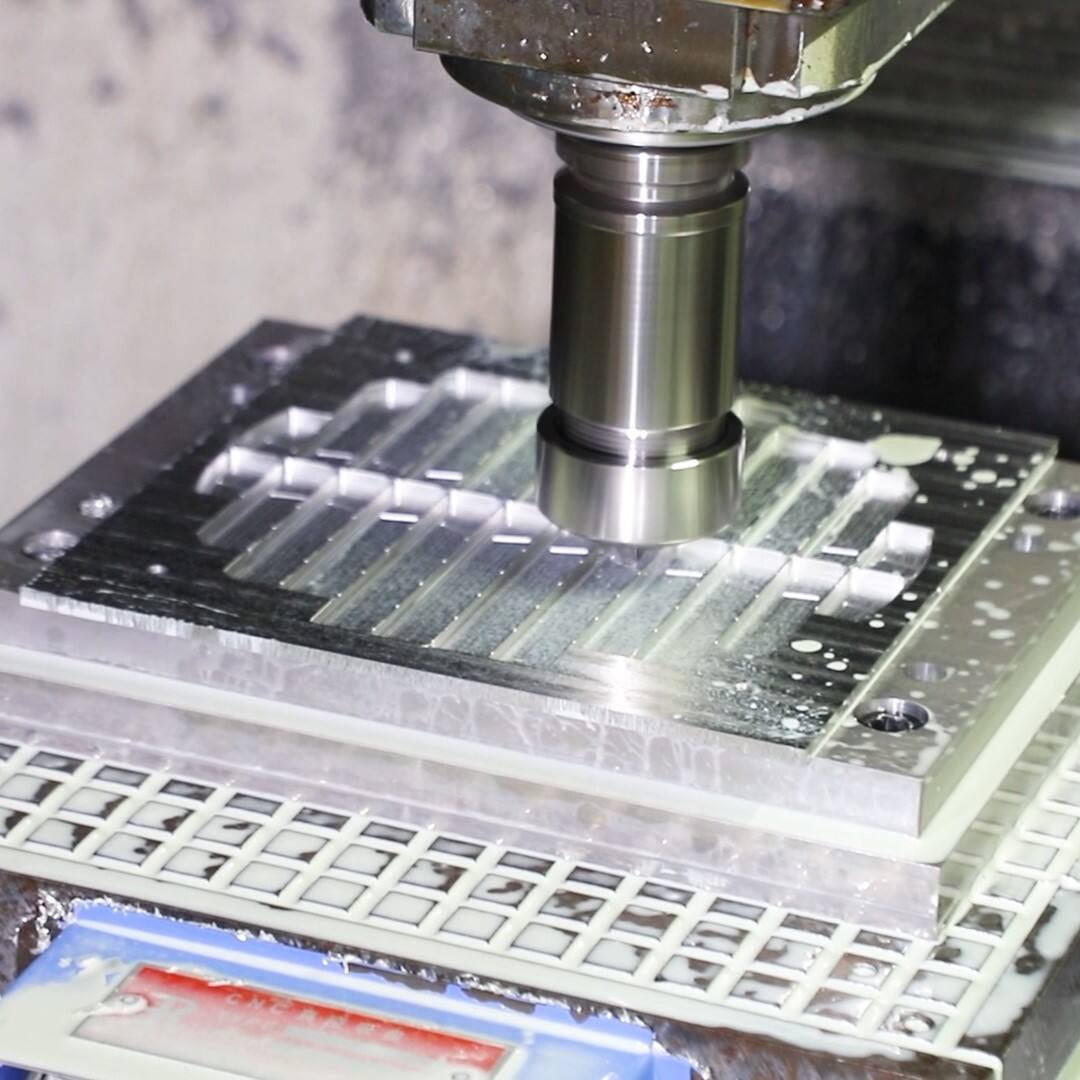
Through dynamic toolpaths, vibration-controlled spindles, and precision coolant management, CNC Machining Stainless Steel achieves surface roughness as low as Ra 0.4–0.8 μm, minimizing post-processing requirements. Reduced surface micro-cracks improve corrosion resistance by up to 20 percent based on salt spray testing benchmarks. Compliance with RoHS and ISO 14001 ensures environmentally responsible processing and material traceability.

High Utilization Production with Predictable Unit Cost

Automated tool changers, robotic loading, and MES connectivity enable CNC Machining Stainless Steel systems to operate 24/7 with equipment utilization above 85 percent. Cycle time reductions of up to 40 percent significantly lower unit cost while maintaining consistent quality. Predictive maintenance reduces unplanned downtime by approximately 30 percent annually.

Related Products

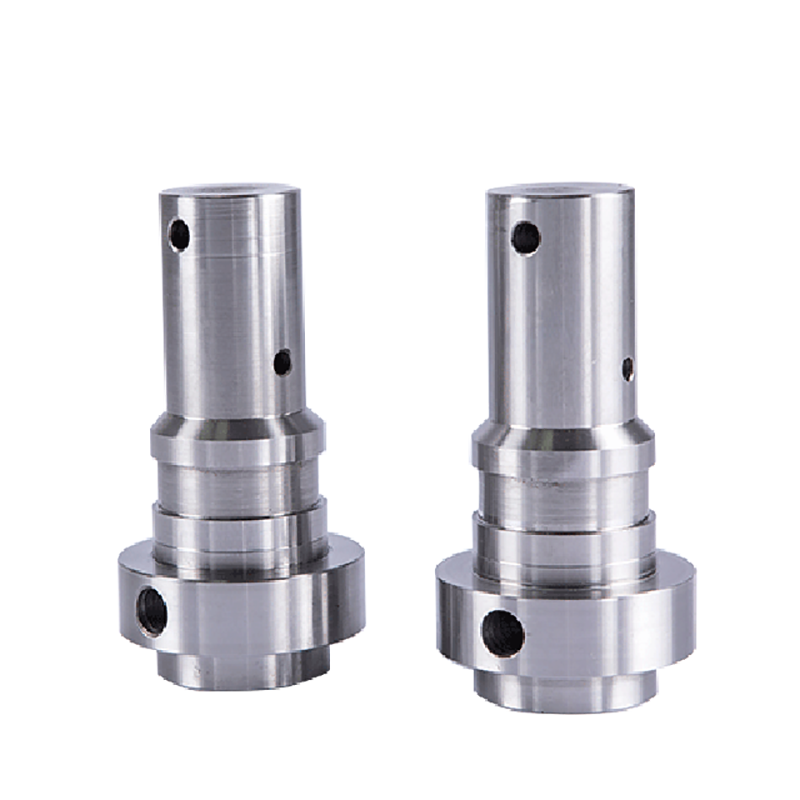
In production trials involving CNC Machining Stainless Steel for 316L valve housings, dimensional deviation remained within ±0.006 mm across 3,000 consecutive parts. Surface roughness averaged Ra 0.7 μm without secondary polishing. Adaptive feed control reduced tool wear by 28 percent, extending insert life cycles. Five-axis machining enabled single-setup contour processing, reducing fixture changeover time by 52 percent. Operators reported stable thermal behavior during continuous shifts, confirming long-term repeatability and production reliability for stainless steel components.

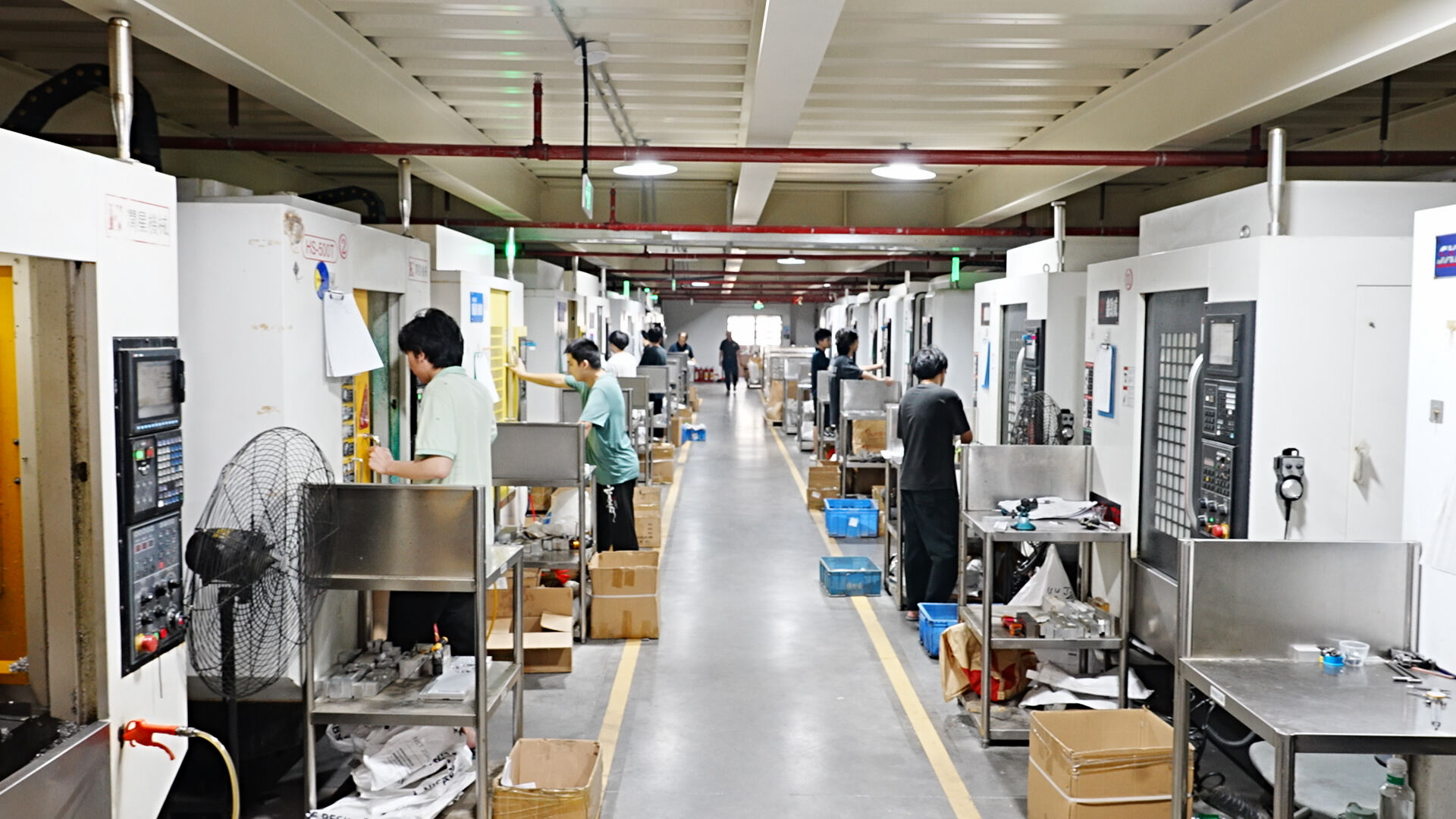
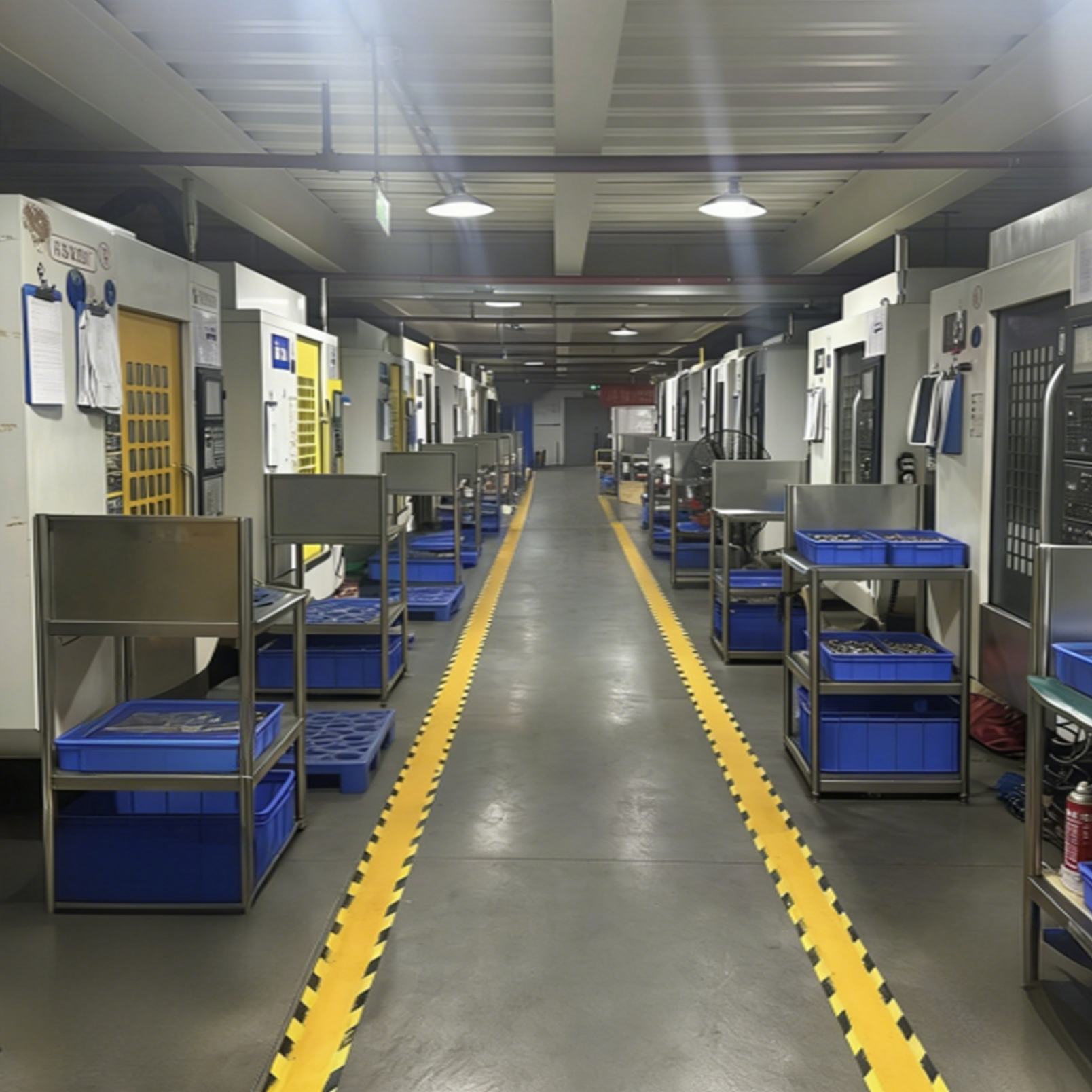
Dongguan BIE Hardware Co., Ltd., established in 2017, is a vertically integrated precision manufacturing enterprise specializing in CNC Machining Stainless Steel and comprehensive metal and plastic component solutions. Located in Fenggang Town, Dongguan, the company operates a modern 3,000 square meter manufacturing facility equipped with digitally connected machining centers and advanced quality inspection infrastructure. The regional industrial ecosystem provides strong access to skilled engineering talent, stable raw material sourcing, and efficient international logistics channels.

BIE’s production capacity includes multi-axis CNC machining centers, high-speed milling platforms, turning-milling compound machines, automated pallet systems, and in-process probing technology. The facility maintains strict environmental temperature control to ensure dimensional consistency during extended machining cycles, particularly for stainless steel alloys sensitive to thermal expansion. Monthly output capacity exceeds 1.2 million precision components across stainless steel grades 304, 316, 17-4PH, duplex alloys, aluminum alloys, titanium alloys, and engineering plastics.

Quality management is governed by ISO 9001:2015, ISO 14001:2015, ISO 45001:2018, and RoHS compliance systems. Incoming raw material certification, in-process SPC monitoring, and final dimensional verification are performed using coordinate measuring machines, optical scanners, roughness testers, and hardness measurement systems. Statistical quality data indicates first-pass yield consistently above 98.6 percent across recurring CNC Machining Stainless Steel programs.

Engineering teams apply Design for Manufacturability methodologies to optimize machining strategy, tool selection, and fixture layout. Digital manufacturing workflows integrate CAD/CAM programming, ERP scheduling, and MES tracking, ensuring traceability and production transparency. Prototype development cycles typically range from 5 to 7 working days, while mass production lead times outperform regional averages by approximately 20 percent.

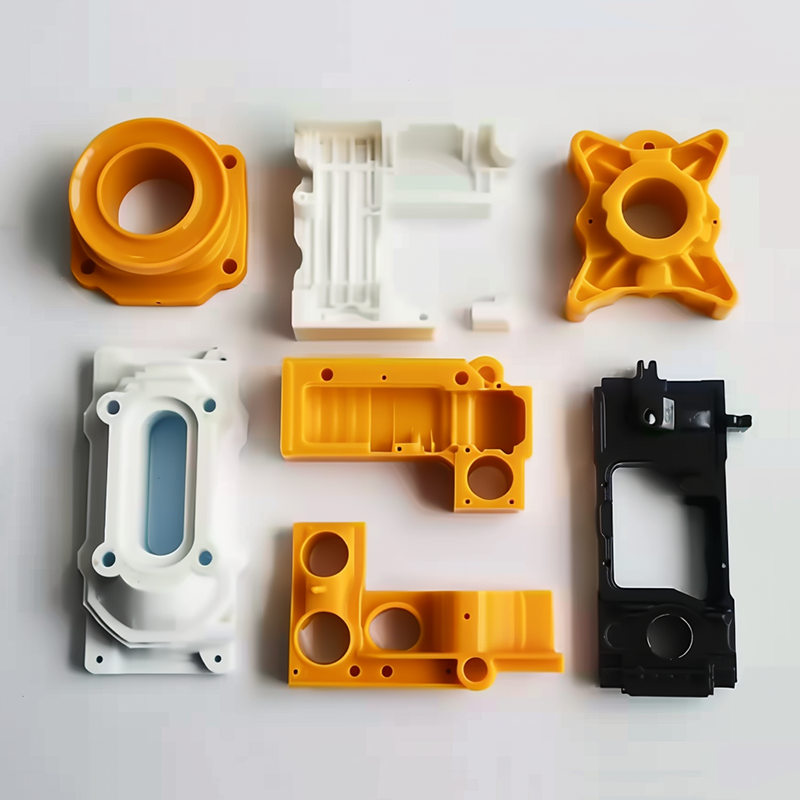
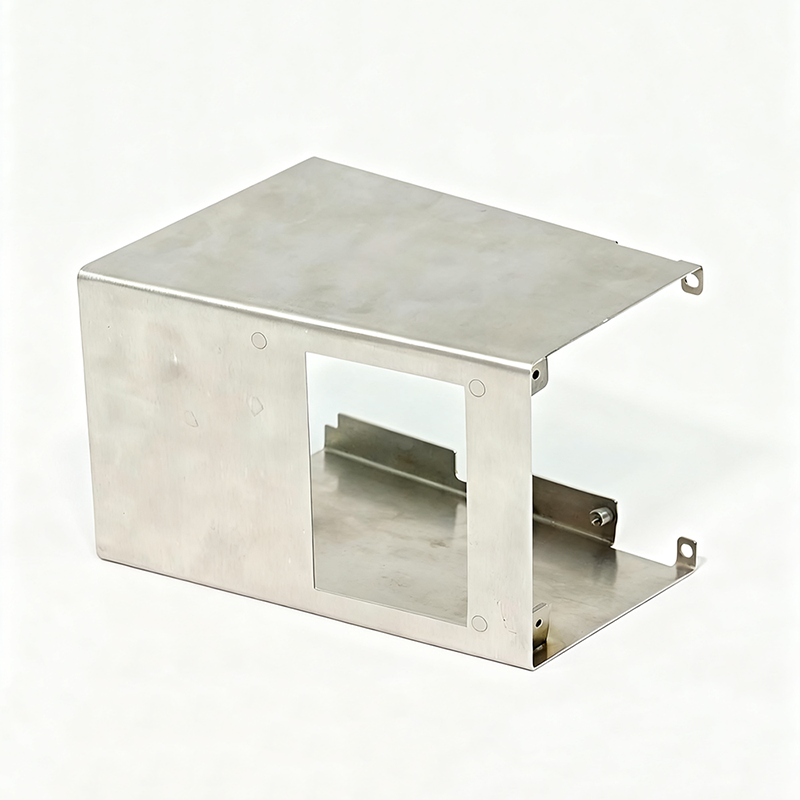
BIE delivers one-stop manufacturing services including CNC machining, sheet metal fabrication, die casting, plastic injection molding, surface finishing, assembly integration, and logistics coordination. Clients span automotive powertrain systems, aerospace structural components, medical equipment housings, lighting assemblies, consumer electronics enclosures, and industrial automation modules. Over 70 percent of annual shipments are delivered to Europe and North America under standardized compliance documentation and export packaging protocols.

Continuous reinvestment exceeds 12 percent of annual revenue, ensuring equipment modernization and automation expansion. Workforce training programs maintain technical competency in advanced CAM programming, quality engineering, and lean manufacturing. Dedicated technical support teams provide 24/7 engineering response, corrective action management, and process optimization assistance. Long-term supplier stability, transparent quality governance, and scalable capacity position BIE as a reliable strategic partner for CNC Machining Stainless Steel supply programs.

FAQ

What tolerance levels can CNC Machining Stainless Steel reliably achieve?

CNC Machining Stainless Steel typically achieves ±0.005 mm tolerance under controlled environments using closed-loop probing and thermal compensation. Critical features can be validated using SPC sampling and CMM inspection to ensure consistent compliance across batch production.
Common grades include 304, 316, 316L, 17-4PH, and duplex stainless steels. Each grade is supported with optimized tooling strategies, coolant control, and cutting parameters to maintain surface integrity and dimensional stability.
Automated inspection feedback, MES monitoring, tool life management, and ISO-certified workflows maintain consistent output. Scrap rates typically remain below 1.5 percent in stable production environments.

More Posts

What is the Typical Lead Time for cnc lathe machining parts? How to Shorten Production Time

31

Jan

What is the Typical Lead Time for cnc lathe machining parts? How to Shorten Production Time

In global manufacturing supply chains, lead time is no longer a secondary commercial term—it has become a core competitiveness indicator. For buyers sourcing cnc lathe machining parts, especially in cross-border projects, delivery speed directl...
View More
What are the Common Mistakes in Choosing types of cnc machining? How to Avoid Them

31

Jan

What are the Common Mistakes in Choosing types of cnc machining? How to Avoid Them

In today’s precision-driven manufacturing landscape, types of CNC machining play a decisive role in determining product quality, production efficiency, and total manufacturing cost. From automotive components and industrial equipment to aerospa...
View More
What are the Key Indicators for Judging injection molded plastic parts Quality? Testing Methods

31

Jan

What are the Key Indicators for Judging injection molded plastic parts Quality? Testing Methods

Dongguan BIE Hardware Co., Ltd has decades of experience in supplying high-quality injection molded plastic parts for industries ranging from automotive to electronics and medical devices. Despite their prevalence, ensuring consistent quality remains...
View More
What are the Latest aluminium casting manufacturers Technologies? Industry Development Trends

31

Jan

What are the Latest aluminium casting manufacturers Technologies? Industry Development Trends

As a seasoned project manager overseeing precision manufacturing projects, I’ve observed that partnering with the right aluminium casting manufacturers is critical for achieving both high-quality components and cost efficiency. In today’s...
View More

Customer Reviews

Andrew Collins

Our CNC Machining Stainless Steel program achieved consistent tolerance within ±0.006 mm across multi-batch production. Delivery reliability improved by 34 percent compared to previous suppliers. Quality documentation simplified customer audits.

Elena Martinez

Surface finish quality met Ra 0.8 μm without polishing. CNC Machining Stainless Steel significantly reduced rework cost and improved corrosion resistance performance during salt spray testing.

Victor Huang

The automation stability and predictive maintenance reduced downtime by nearly 28 percent. CNC Machining Stainless Steel provided stable long-term capacity for our OEM supply chain.

Get a Free Quote

Our representative will contact you soon.
Email
Name
Company Name
Message
0/1000
Attachment
Please upload at least an attachment
Up to 3 files,more 30mb,suppor jpg、jpeg、png、pdf、doc、docx、xls、xlsx、csv、txt、stp、step、igs、x_t、dxf、prt、sldprt、sat、rar、zip
Certified Dimensional Stability Across Long Production Cycles

Certified Dimensional Stability Across Long Production Cycles

CNC Machining Stainless Steel maintains CpK ≥1.67 across critical dimensions using ISO-calibrated probing systems, reducing dimensional drift by over 60 percent. Long-term calibration ensures geometric accuracy even during continuous 24/7 production.
High Surface Integrity for Corrosion-Sensitive Applications

High Surface Integrity for Corrosion-Sensitive Applications

Dynamic toolpaths and vibration suppression achieve Ra 0.4–0.8 μm finishes, improving corrosion resistance by up to 20 percent compared with conventional machining benchmarks.
Energy-Efficient and Automated Manufacturing Performance

Energy-Efficient and Automated Manufacturing Performance

Energy-optimized spindle drives reduce power consumption by approximately 18 percent per operating hour. Automated loading supports utilization above 85 percent while maintaining ISO environmental compliance.

Copyright © Dongguan BIE Hardware Co., Ltd  -  Privacy policy