Industrial Casting Aluminum Factory for High Precision Parts and Global B2B Supply

Casting Aluminum Manufacturing Solutions for High Precision Industrial Components and OEM Supply

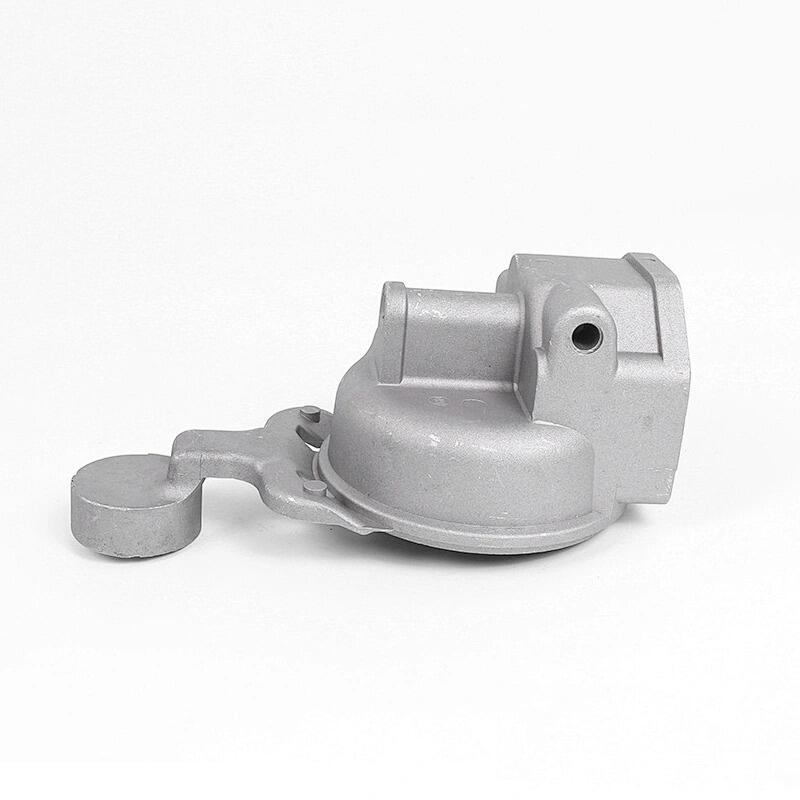
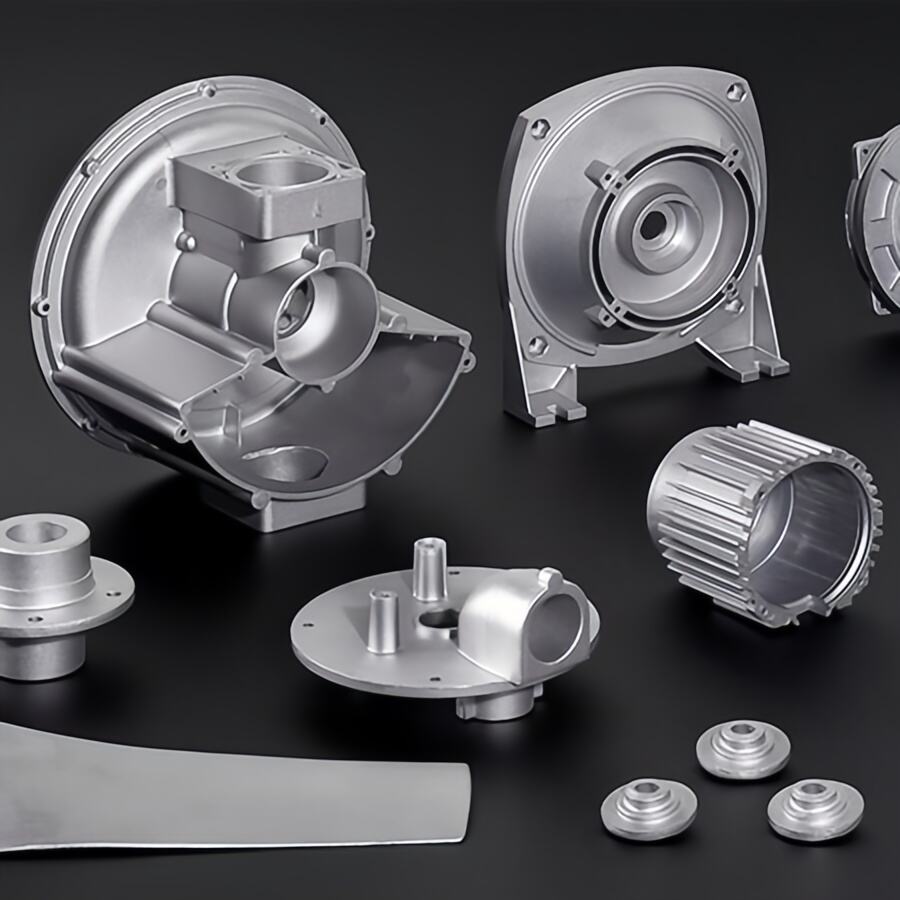
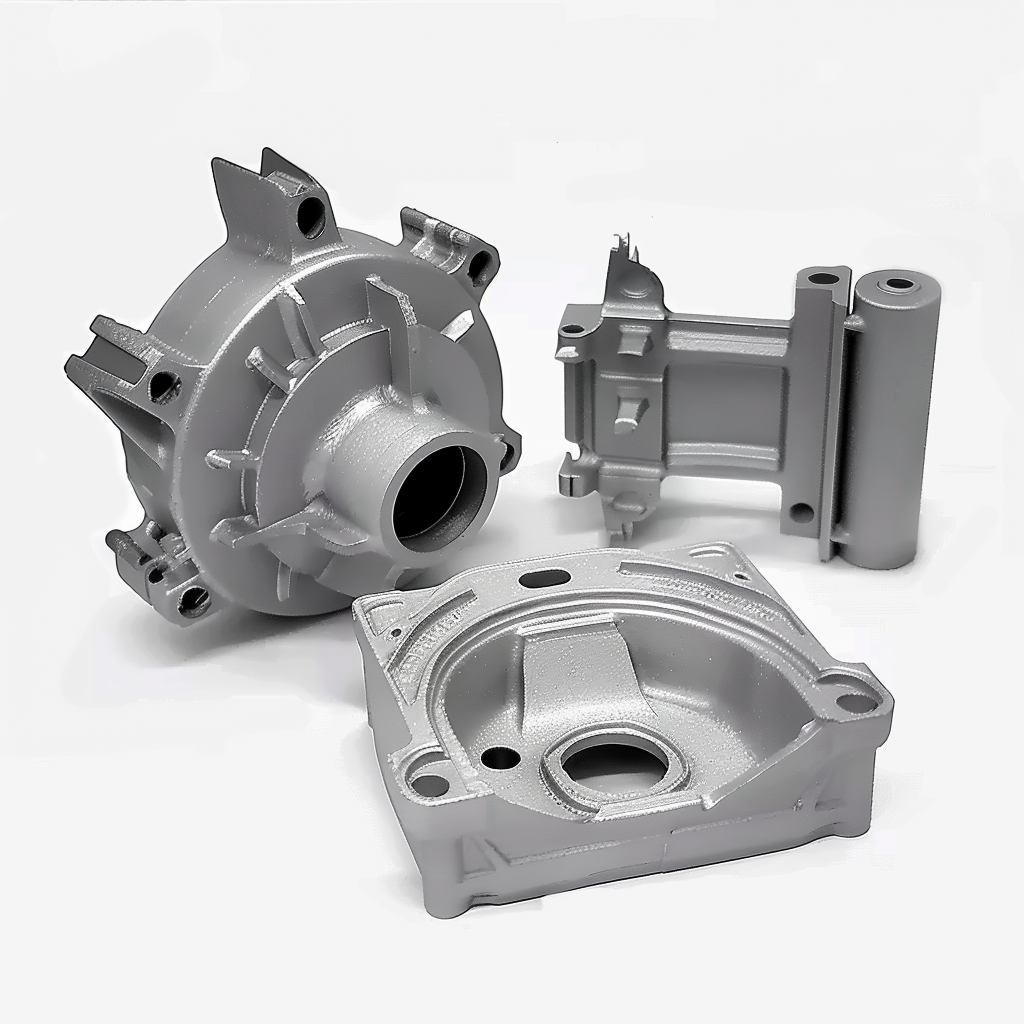
Casting Aluminum is one of the most efficient manufacturing technologies for producing complex, lightweight, and high-strength metal components at scale. As global industries such as automotive, electronics, renewable energy, medical equipment, and industrial automation demand higher precision and faster delivery cycles, Casting Aluminum enables OEMs and Tier-1 suppliers to achieve consistent dimensional accuracy, superior surface finish, and reliable mechanical performance. Modern Casting Aluminum processes integrate vacuum die casting, automated mold temperature control, real-time process monitoring, and strict quality management systems such as ISO 9001 and IATF standards. With aluminum alloys offering excellent thermal conductivity above 150 W/m·K, tensile strength exceeding 250 MPa for common ADC12 grades, and density nearly 65 percent lower than steel, Casting Aluminum delivers measurable weight reduction and operational efficiency.
Get A Quote

Casting Aluminum

Casting Aluminum combines advanced metallurgical control, precision mold engineering, and automated production systems to deliver high-performance metal parts with consistent quality and predictable cost efficiency. Compared with machining or fabrication, Casting Aluminum significantly reduces material waste by over 30 percent, shortens production cycle times by up to 60 percent, and achieves dimensional tolerances commonly within ±0.05 mm for critical features. Through high-pressure injection, vacuum evacuation, and intelligent temperature regulation, Casting Aluminum improves density, minimizes porosity, and enhances mechanical stability. Certified manufacturing systems such as ISO 9001, ISO 14001, RoHS, and automotive PPAP compliance further ensure traceability, reliability, and environmental responsibility.

High Structural Strength with Lightweight Efficiency

Casting Aluminum achieves excellent strength-to-weight performance through optimized alloy selection and controlled solidification. Common aluminum casting alloys such as ADC12 and A380 reach tensile strengths of 230–280 MPa while maintaining density around 2.7 g/cm³, reducing component weight by approximately 50–65 percent compared with carbon steel structures. This lightweight advantage directly improves fuel efficiency, energy consumption, and payload capacity in automotive and industrial systems. Fatigue performance can exceed 10 million cycles under controlled stress conditions, validated through ASTM E466 fatigue testing and internal metallurgical inspection protocols.

High Dimensional Accuracy and Repeatability for Mass Production

Casting Aluminum supports near-net-shape manufacturing with dimensional tolerances typically within IT11–IT13 grade. Automated die casting systems maintain injection pressure stability above 120 MPa and mold temperature deviation below ±3°C, ensuring consistent geometry across large batch volumes. Statistical Process Control demonstrates CpK values above 1.67 for critical dimensions in stable production. Surface roughness Ra values commonly reach 0.8–3.2 μm, reducing secondary machining costs by up to 40 percent. These metrics enable reliable interchangeability for OEM assembly lines.

Cost Efficiency and Sustainable Manufacturing Scalability

Casting Aluminum enables high material utilization rates exceeding 92 percent due to closed-loop recycling of runners and scrap. For production volumes above 100,000 units annually, unit cost reduction can exceed 25–35 percent compared with CNC machining. Aluminum recycling consumes only 5 percent of the energy required for primary aluminum production, supporting ISO 14001 environmental compliance and ESG targets. Mold life cycles exceeding 500,000 shots further reduce amortized tooling cost and stabilize long-term procurement budgets.

Related Products

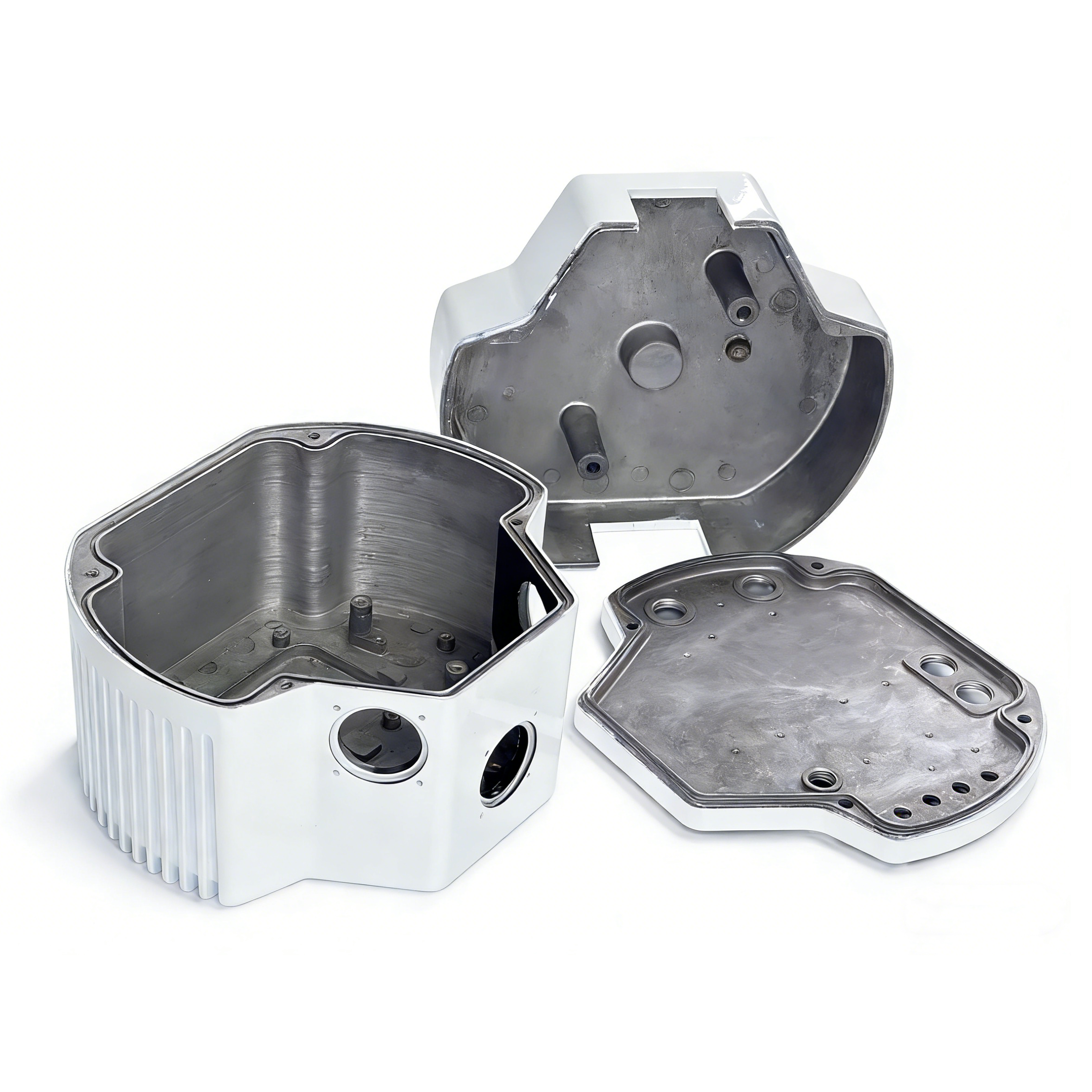
In real production environments, Casting Aluminum demonstrates excellent stability in both dimensional control and surface consistency. During continuous operation tests on a 1,600-ton die casting machine, average cycle time remained within 28–32 seconds per part, maintaining dimensional deviation below ±0.04 mm over 20,000 consecutive shots. X-ray inspection confirmed internal porosity levels below 1.5 percent after vacuum optimization. Thermal conductivity testing measured values exceeding 155 W/m·K for heat sink components, significantly improving thermal dissipation efficiency. Surface finishing processes such as anodizing and powder coating achieved adhesion ratings of Grade 0 under ISO 2409 cross-cut testing. These results confirm that Casting Aluminum delivers reliable mechanical strength, consistent appearance quality, and excellent process repeatability suitable for industrial mass production.

Dongguan BIE Hardware Co., Ltd was established in 2017 as a precision manufacturing enterprise dedicated to providing integrated metal and plastic component solutions for global industrial clients. Located in Fenggang Town, Dongguan, the company operates a modern manufacturing facility exceeding 3,000 square meters, equipped with advanced CNC machining centers, high-tonnage die casting machines, automated robotic handling systems, and comprehensive inspection laboratories. The facility maintains controlled production environments to ensure consistent process stability and traceable quality management across all manufacturing stages.

BIE specializes in Casting Aluminum, CNC machining, sheet metal fabrication, and plastic injection molding, enabling customers to consolidate supply chains under a single qualified manufacturing partner. Annual production capacity exceeds 2.5 million precision components, serving clients across automotive, aerospace, medical devices, lighting systems, consumer electronics, renewable energy equipment, and industrial automation sectors. Over 70 percent of shipments are exported to Europe and North America, supporting international compliance standards and logistics reliability.

The company operates under internationally recognized management systems including ISO 9001:2015 for quality management, ISO 14001:2015 for environmental management, ISO 45001:2018 for occupational safety, and RoHS compliance for material safety. Each production batch follows standardized PPAP documentation, material traceability, and process capability validation to ensure consistent performance and regulatory conformity.

BIE’s Casting Aluminum production line integrates vacuum die casting technology, real-time mold temperature control, automated spraying systems, and closed-loop process monitoring. Injection pressure accuracy is maintained within ±1.5 percent, while mold temperature variation remains below ±2.5°C, supporting stable metallurgical structure and minimized internal defects. In-house dimensional inspection utilizes coordinate measuring machines with accuracy down to 0.002 mm, optical projectors, surface roughness testers, and X-ray flaw detection systems for non-destructive evaluation.

Engineering teams provide Design for Manufacturability analysis, mold flow simulation, alloy selection optimization, and prototype validation to reduce development cycles by an average of 30 percent. Typical tooling lead time ranges from 20 to 35 days depending on complexity. Sampling approval rates exceed 98 percent during first article inspection. BIE’s logistics network supports flexible batch scheduling, safety stock programs, and JIT delivery for long-term OEM partnerships.

After-sales support includes 7×24 technical response, process optimization consultation, warranty traceability, and continuous improvement reporting. Customer satisfaction audits demonstrate on-time delivery performance above 97 percent and defect rate below 350 ppm across mature production projects. Through continuous investment in automation, digital manufacturing, and sustainable energy systems, BIE remains committed to delivering reliable Casting Aluminum solutions that support global supply chain stability and long-term business growth.

FAQ

What industries benefit most from Casting Aluminum manufacturing?

Casting Aluminum is widely adopted in automotive powertrain systems, electric vehicle structural components, consumer electronics housings, telecommunications enclosures, medical equipment frames, and industrial machinery assemblies. The combination of lightweight strength, thermal conductivity, and dimensional consistency enables long product life cycles and compliance with automotive and industrial standards such as ISO/TS 16949, IEC thermal safety benchmarks, and RoHS material requirements.
Vacuum-assisted injection, optimized gate design, controlled mold temperature, and degassing systems significantly reduce trapped air and hydrogen content. Typical internal porosity levels can be controlled below 2 percent, improving fatigue life and mechanical consistency. X-ray inspection and metallographic sampling verify internal integrity for critical components.
For annual volumes above 100,000 units, Casting Aluminum achieves substantial economies of scale by minimizing material waste, reducing machining operations, and shortening cycle times. Tool amortization and automated labor efficiency reduce unit cost by up to 35 percent compared with subtractive manufacturing processes.

Related Products

What is the Processing Flow of pressure die casting? Detailed Step-by-Step Analysis

31

Jan

What is the Processing Flow of pressure die casting? Detailed Step-by-Step Analysis

A Detailed Step-by-Step Analysis for Global Buyers When holding a modern smartphone, automotive component, or smart home device, few people realize that many of the lightweight yet structurally complex metal parts inside are produced through pressure...
View More
How to Control the Production Cost of precision die cast? Practical Cost-Saving Solutions

31

Jan

How to Control the Production Cost of precision die cast? Practical Cost-Saving Solutions

Introduction: Balancing Precision Requirements and Cost Pressure Precision die cast manufacturing has become a foundational process across automotive components, electronic housings, industrial equipment, and medical devices. As product designs grow ...
View More
What is the Market Price Range of cnc production? Analysis of Key Cost Factors

31

Jan

What is the Market Price Range of cnc production? Analysis of Key Cost Factors

In today’s manufacturing landscape, CNC production has become a cornerstone for precision parts fabrication across industries ranging from automotive to aerospace and electronics. However, a recurring challenge for procurement managers and prod...
View More
How to Choose the Right mold manufacturing Supplier? Evaluation Criteria and Methods

31

Jan

How to Choose the Right mold manufacturing Supplier? Evaluation Criteria and Methods

Evaluation Criteria and Practical Methods for Global Buyers In global manufacturing supply chains, mold manufacturing is not just a procurement task—it is a strategic decision that directly affects product quality, production efficiency, delive...
View More

Customer Reviews

Michael Turner

“Our transition to Casting Aluminum allowed us to reduce component weight by 42 percent while improving heat dissipation efficiency by nearly 30 percent. The dimensional consistency and batch stability significantly reduced assembly rework and warranty returns. Process documentation and traceability met all our ISO audit requirements.”

Sofia Ramirez

“The supplier’s Casting Aluminum process achieved consistent CpK above 1.8 across multiple production batches. Lead time stability and engineering responsiveness supported our rapid product scaling. Surface quality exceeded our cosmetic expectations for consumer electronics housings.”

Daniel Weber

“Casting Aluminum helped us consolidate multiple machined parts into a single integrated structure, reducing assembly time by 25 percent. Long-term cost stability and quality repeatability improved our overall supply chain predictability.”

Get a Free Quote

Our representative will contact you soon.
Email
Name
Company Name
Message
0/1000
Attachment
Please upload at least an attachment
Up to 3 files,more 30mb,suppor jpg、jpeg、png、pdf、doc、docx、xls、xlsx、csv、txt、stp、step、igs、x_t、dxf、prt、sldprt、sat、rar、zip
High Thermal Performance for Power and Electronics Applications

High Thermal Performance for Power and Electronics Applications

Casting Aluminum heat dissipation performance consistently exceeds 150 W/m·K under standardized thermal conductivity testing, improving thermal stability in power electronics and LED modules. Field validation demonstrated junction temperature reduction of 12–18 percent compared with stamped steel alternatives. Surface anodizing adhesion meets ISO 2409 Grade 0, supporting long-term corrosion resistance exceeding 720 hours in salt spray testing per ASTM B117.
Large Integrated Structural Casting Capability

Large Integrated Structural Casting Capability

Large-tonnage Casting Aluminum systems support single-piece structures exceeding 1.2 m² projected area and weights above 40 kg. Structural rigidity testing confirmed bending stiffness improvement above 35 percent versus welded assemblies, while eliminating over 20 fastening points. Dimensional repeatability remained within ±0.08 mm across 10,000 shots.
Intelligent Process Control and Quality Traceability

Intelligent Process Control and Quality Traceability

Integrated MES systems track injection pressure, mold temperature, and cycle time in real time. Automated SPC analysis maintains defect rates below 400 ppm. Each batch maintains digital traceability aligned with ISO 9001 audit requirements and automotive PPAP documentation.

Copyright © Dongguan BIE Hardware Co., Ltd  -  Privacy policy