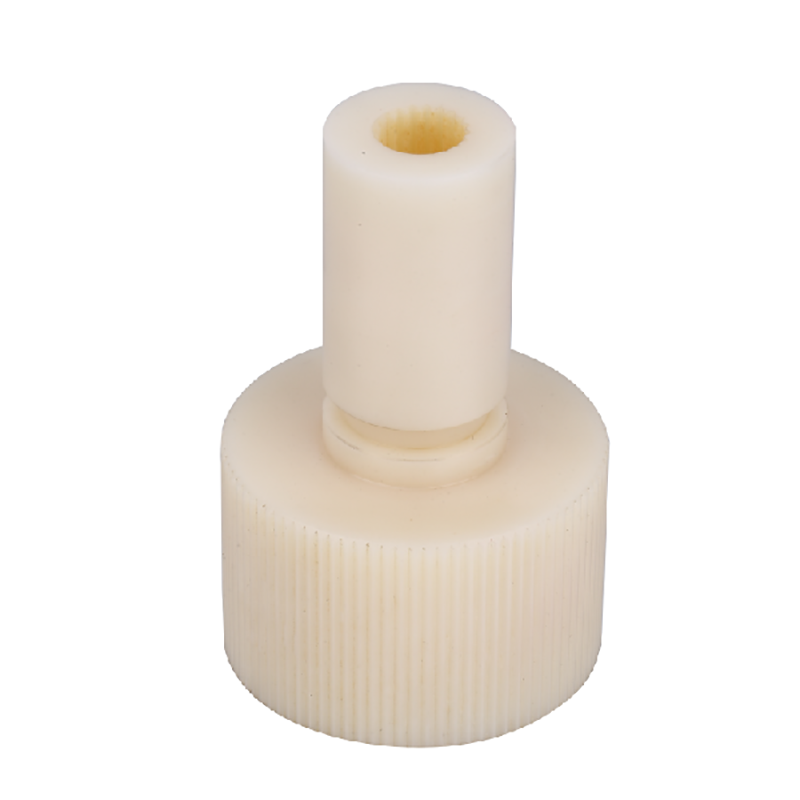
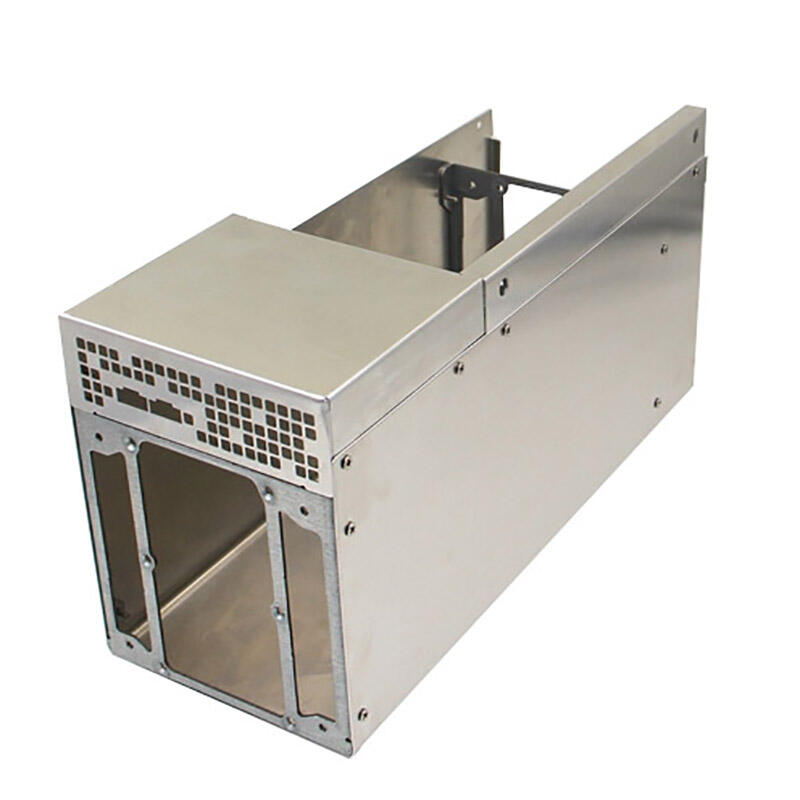
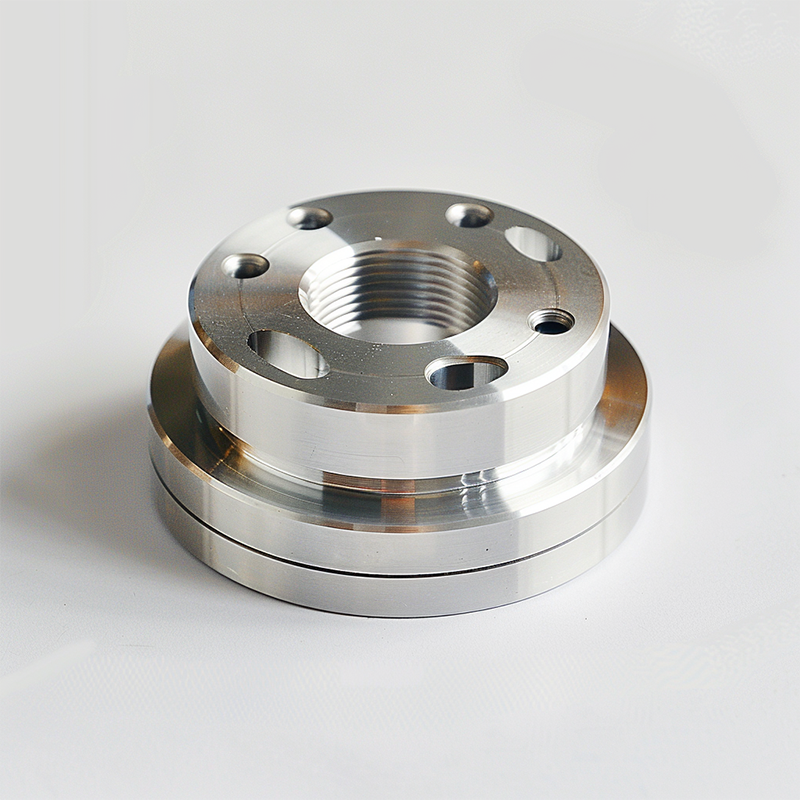
Types of CNC Machining Factory for Custom OEM Metal and Plastic Parts

Types of CNC Machining for Industrial Manufacturing: Precision, Scalability, and Cost Control for Global Buyers

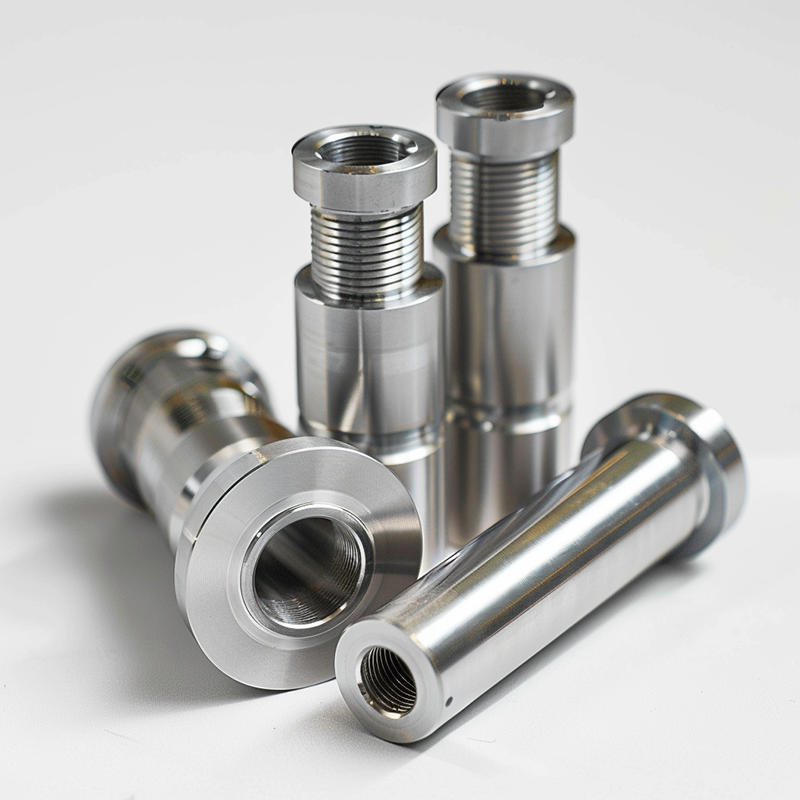
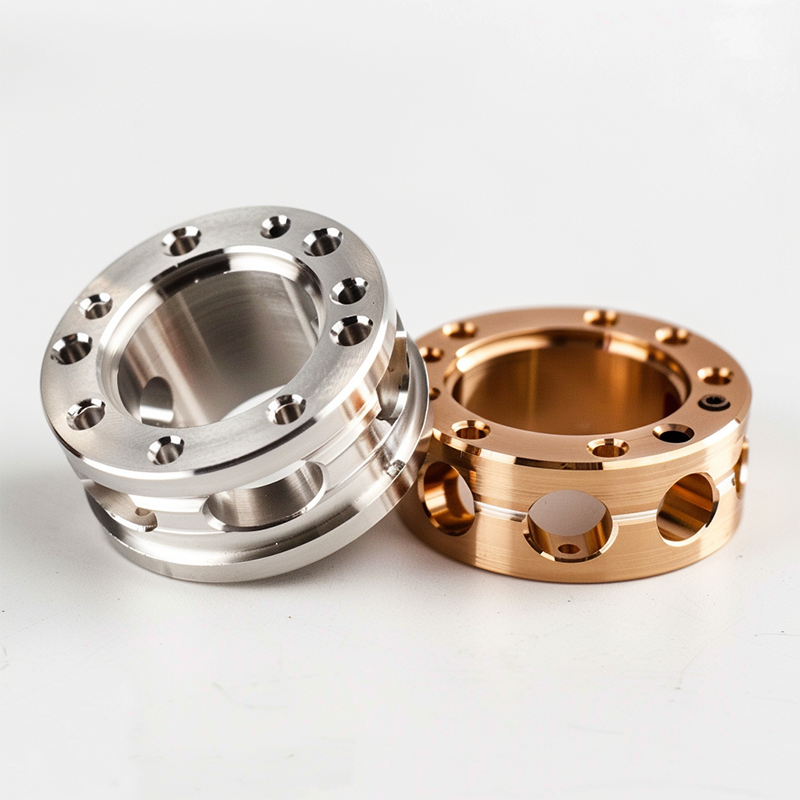
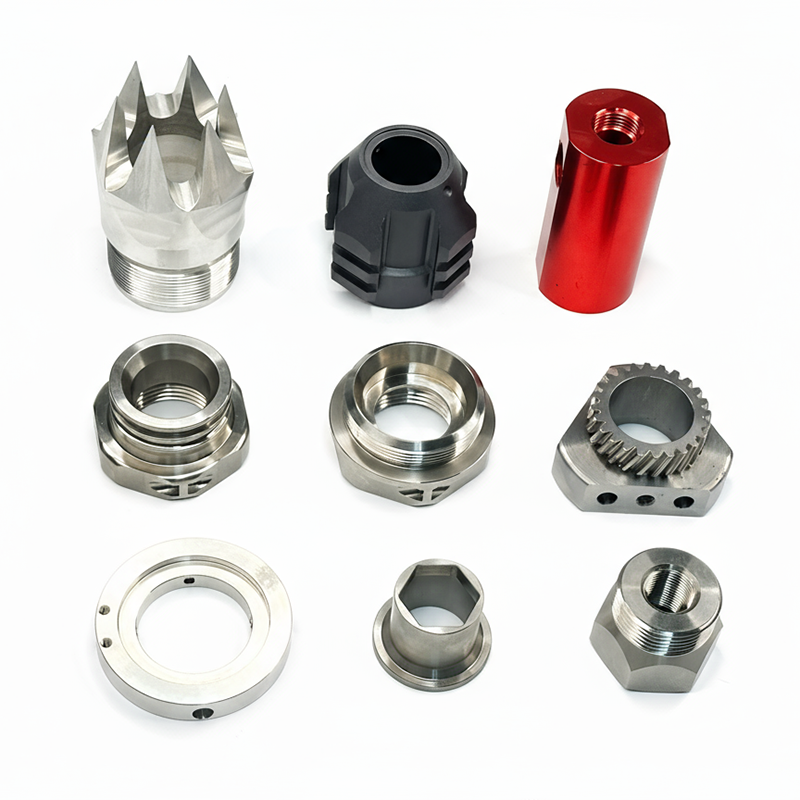
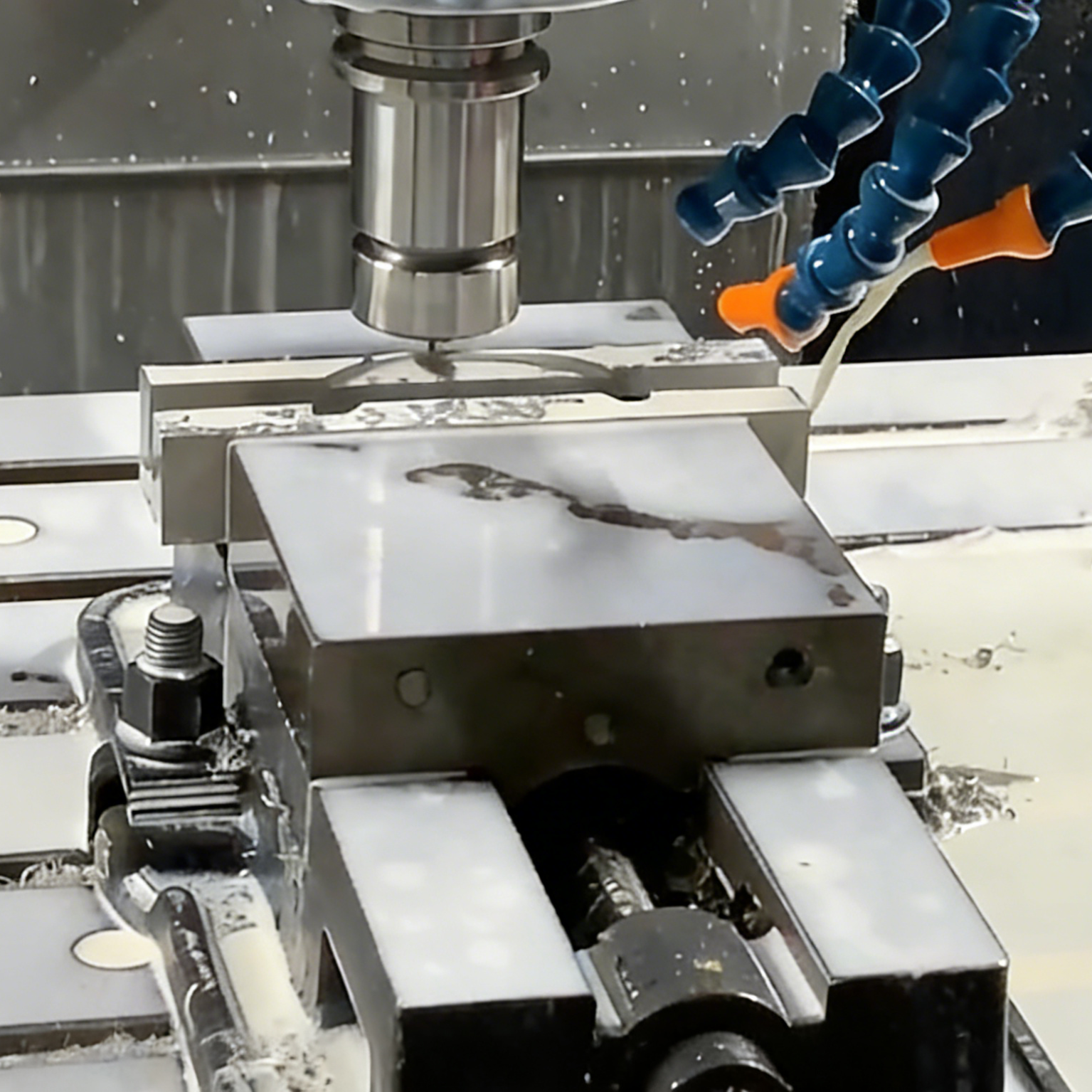
Types of CNC Machining represent a comprehensive portfolio of digitally controlled manufacturing processes designed to deliver high-precision components with repeatable accuracy, scalable production efficiency, and predictable quality control. For global B2B buyers, understanding the types of CNC machining is essential for optimizing sourcing strategy, lead time management, dimensional consistency, and total cost of ownership. Modern types of CNC machining include CNC milling, CNC turning, multi-axis machining, grinding, drilling, EDM, and hybrid machining systems, enabling manufacturers to process complex geometries, ultra-tight tolerances, micro-features, and multi-material components in a single workflow. Advanced machine structures, linear motor drives, closed-loop feedback systems, and intelligent CAM programming ensure positioning accuracy up to ±0.002 mm and surface roughness as low as Ra 0.2 μm.
Get A Quote

Types of CNC Machining

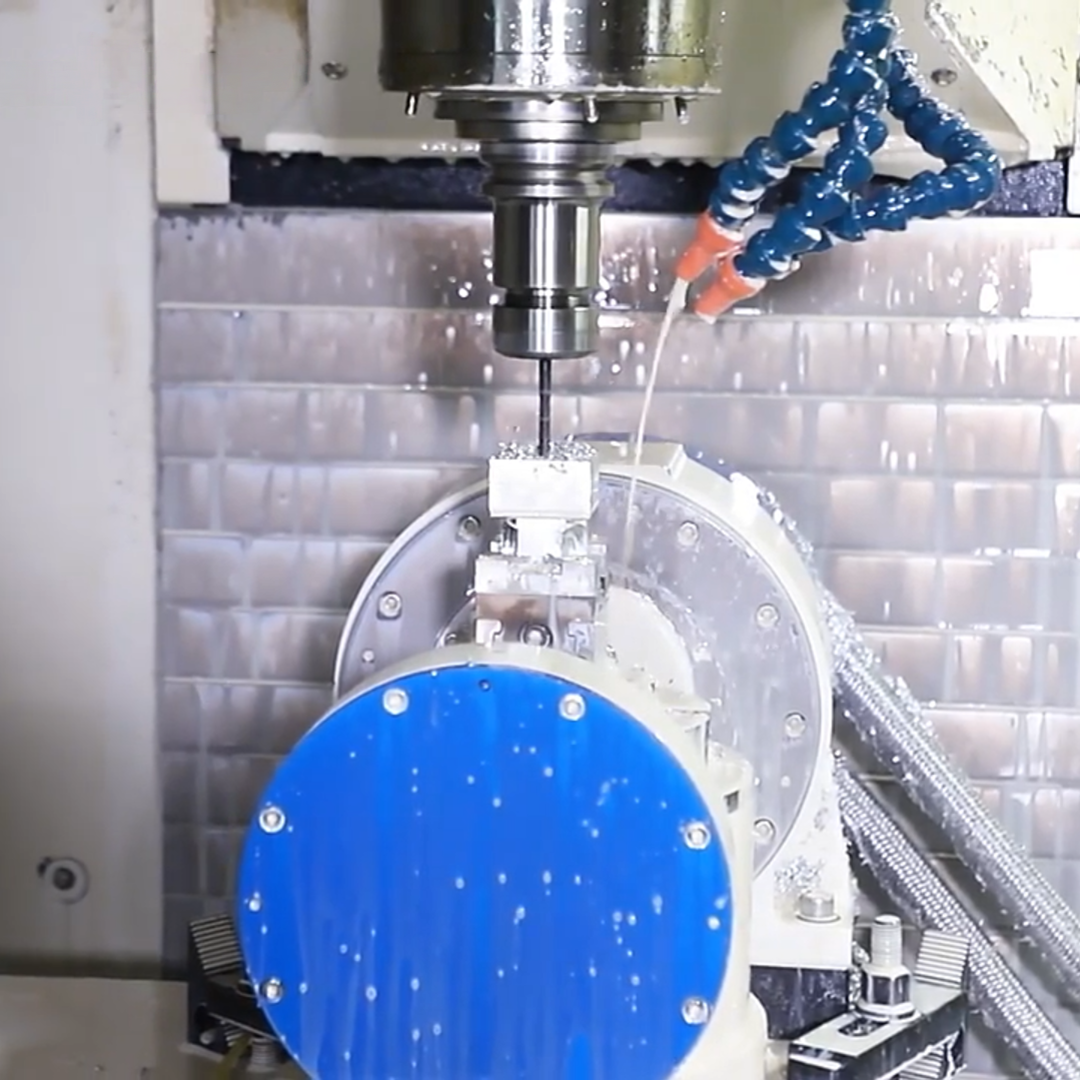
Types of CNC machining integrate advanced mechanical rigidity, intelligent software control, and automated quality monitoring to achieve stable dimensional accuracy, superior surface integrity, and consistent throughput across complex production scenarios. Multi-axis synchronization reduces fixture changes by up to 70%, while adaptive feed control improves tool life by 25–40%. Closed-loop measurement systems with optical scales achieve micron-level positioning stability, meeting ISO 2768, ISO 9001, and aerospace AS9100 dimensional control requirements. For B2B buyers, types of CNC machining provide predictable lead times, scalable capacity utilization above 85%, and low variance in batch quality, enabling long-term supplier qualification and cost forecasting.

Ultra-High Precision and Repeatability

Types of CNC machining deliver positioning accuracy up to ±0.002 mm and geometric tolerances down to 0.001 mm through precision spindles, thermal compensation algorithms, and real-time feedback systems. Surface roughness Ra 0.2 μm supports optical, medical, and sealing applications. Statistical process control ensures CpK ≥1.67 in serial production, supporting ISO 9001 and ISO 13485 compliance.

Broad Material Compatibility and Process Flexibility

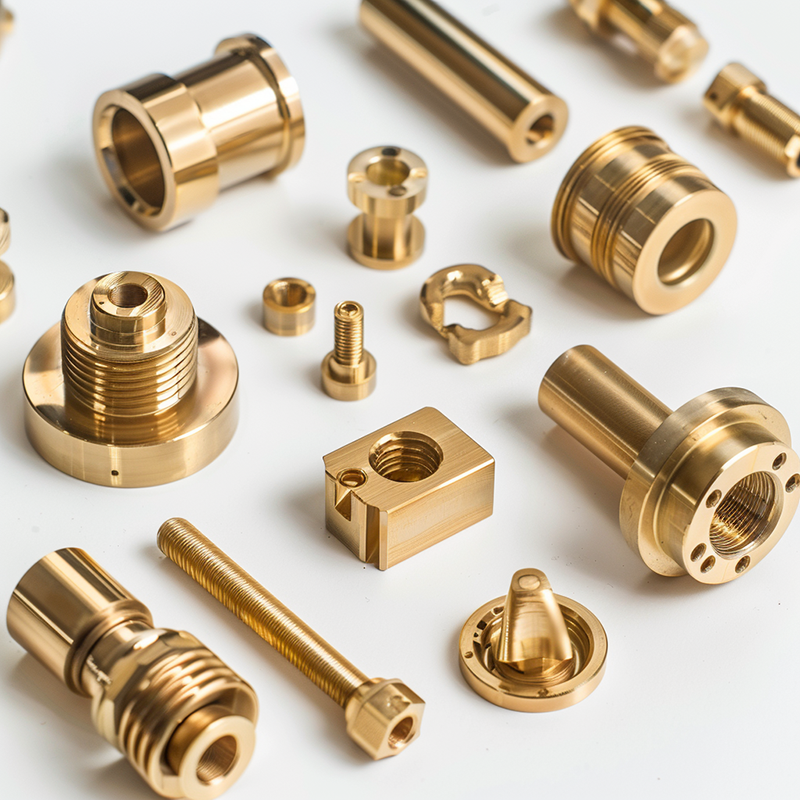
Types of CNC machining support metals, plastics, composites, ceramics, and hardened steels above HRC60 using PCD and CBN tooling. Material removal rates exceed 500 cm³/min in roughing, while micro-machining enables tool diameters as small as 0.01 mm. Dry machining and MQL reduce coolant consumption by over 60%, supporting ISO 14001 sustainability objectives.

Automation, Digitalization, and Cost Predictability

Integrated CAM programming, collision simulation, tool life monitoring, and online probing reduce programming errors by 90% and scrap rates below 1%. Automated pallet systems increase spindle utilization beyond 85%, while predictive maintenance stabilizes long-term operating cost and asset lifecycle ROI within 2–3 years.

Related Products

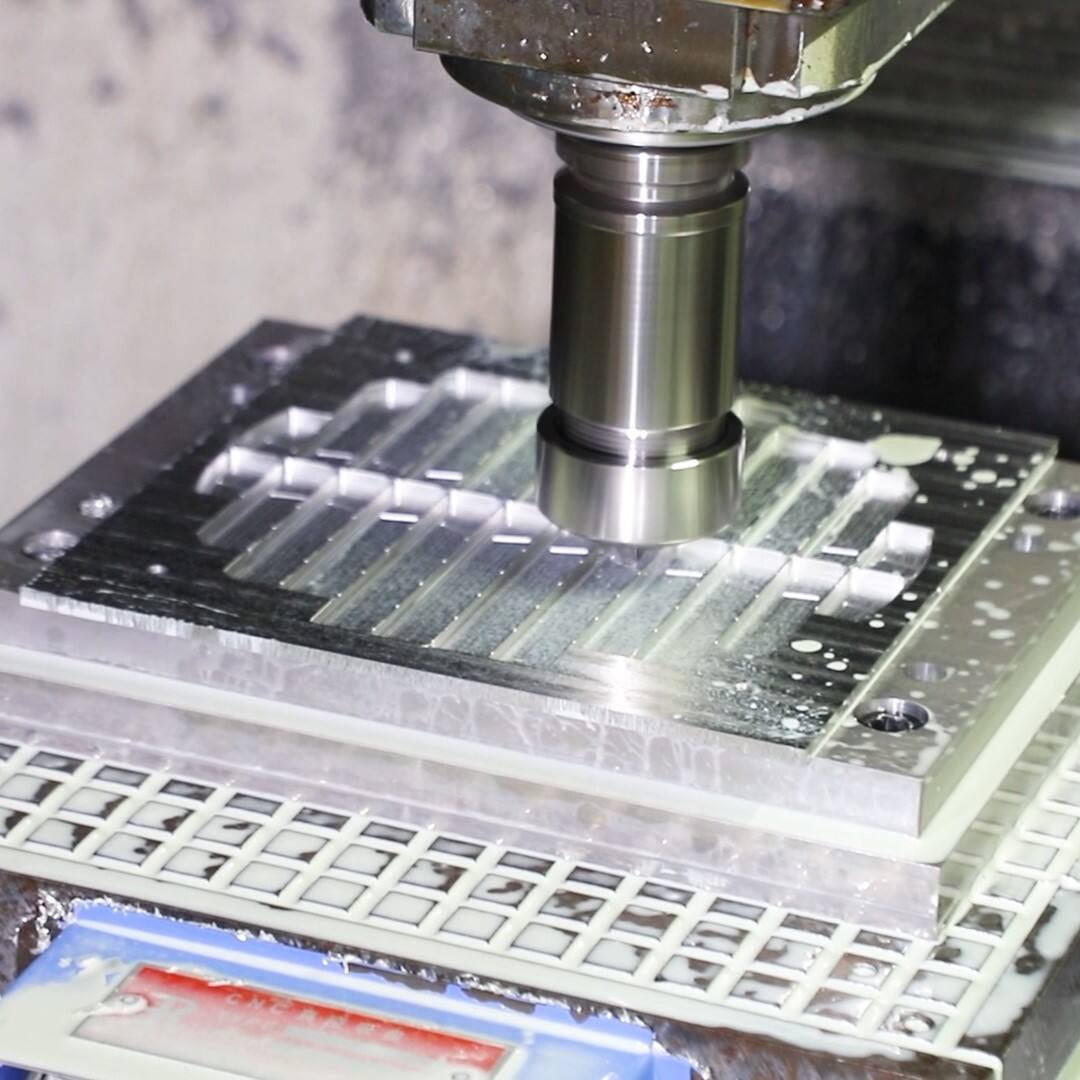
In real production environments, types of CNC machining demonstrate strong stability across high-mix, low-volume orders and precision batch manufacturing. During multi-axis contour machining of aluminum housings and stainless steel brackets, one-time clamping achieved full five-sided machining, eliminating secondary alignment errors. Adaptive feed control stabilized spindle load within ±8%, reducing tool wear while maintaining consistent surface finish. Deep cavity machining with aspect ratios exceeding 10:1 maintained straightness tolerance within 0.01 mm through optimized tool paths and vibration suppression. Online probing verified critical dimensions in-process, reducing post-inspection delays by 30%. From prototype validation to scalable production ramp-up, types of CNC machining provide predictable cycle time, reliable dimensional accuracy, and strong traceability for regulated industries.

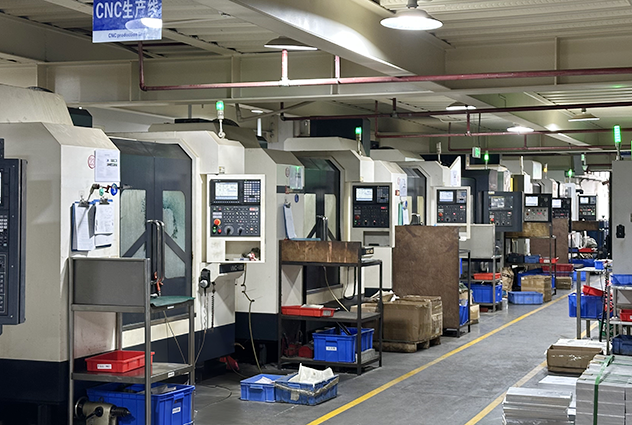
Dongguan BIE Hardware Co., Ltd., established in 2017, operates as a vertically integrated precision manufacturing partner specializing in advanced CNC machining, sheet metal fabrication, die casting, and plastic injection molding. Located in Fenggang Town, Dongguan, the company maintains a modern production facility exceeding 3,000 square meters, equipped with multi-axis machining centers, high-speed turning centers, automated inspection systems, and digital production management platforms. BIE’s production capability covers the full spectrum of types of CNC machining, including 3-axis, 4-axis, and 5-axis milling, precision turning, compound machining, micro-machining, and secondary finishing operations.

BIE serves global OEMs and Tier-1 suppliers across automotive, aerospace, medical devices, lighting systems, consumer electronics, and industrial automation markets. Over 65% of shipments are exported to Europe and North America, supported by stable logistics channels and multilingual engineering support. Annual output exceeds several million precision components with repeatable tolerance stability and documented process traceability.

The company operates under certified management systems including ISO 9001:2015 for quality management, ISO 14001:2015 for environmental responsibility, ISO 45001:2018 for occupational safety, and RoHS compliance for material control. Incoming material inspection, in-process measurement, and final dimensional validation are executed using coordinate measuring machines, optical measurement systems, surface roughness testers, and SPC monitoring platforms. Critical dimensions achieve process capability indices exceeding CpK 1.67 in stable production programs.

BIE’s manufacturing workflow integrates digital quotation, DFM analysis, CAM programming, tool management, automated scheduling, and MES-based traceability. Typical prototype lead time ranges from 3–7 days, while batch production lead time remains stable within 15–25 days depending on complexity and surface treatment. The company continuously invests over 8% of annual revenue into equipment upgrades and process automation, ensuring consistent competitiveness across global supply chains.

After-sales support includes engineering change management, spare capacity reservation, long-term tooling documentation, and 7×24 technical response coverage. Dedicated quality engineers support PPAP documentation, FAI reporting, and continuous improvement initiatives for strategic customers.
FAQ

How do different types of CNC machining affect part accuracy and cost?

Different types of CNC machining balance precision, cycle time, and tooling cost. Multi-axis machining reduces re-clamping errors and improves geometric accuracy but requires higher programming investment. Turning provides high productivity for rotational parts with lower tooling complexity.
Five-axis machining and compound machining systems enable undercut features, deep cavities, and freeform surfaces with minimal fixture changes, improving surface continuity and dimensional consistency.
Automated pallet systems, tool life monitoring, and standardized programming allow rapid capacity scaling while maintaining consistent quality and predictable delivery schedules.

More Posts

What Should Be Noted When Purchasing cnc turned components manufacturer Cross-Border? Logistics and Customs Guide

31

Jan

What Should Be Noted When Purchasing cnc turned components manufacturer Cross-Border? Logistics and Customs Guide

A Practical Logistics and Customs Guide for Global Buyers In today’s global manufacturing environment, sourcing precision parts across borders has become a strategic necessity rather than a simple cost-saving option. For international buyers, c...
View More
Why is There a Big Price Difference in custom plastic injection molding services Among Different Suppliers?

31

Jan

Why is There a Big Price Difference in custom plastic injection molding services Among Different Suppliers?

In global manufacturing procurement, custom plastic injection molding services are among the most widely used production solutions across automotive, electronics, medical devices, industrial equipment, and consumer goods. Yet for many purchasing mana...
View More
What are the Precision Control Methods for cnc milling and turning? Technical Key Points

31

Jan

What are the Precision Control Methods for cnc milling and turning? Technical Key Points

In the modern manufacturing landscape, precision is no longer optional—it is a fundamental requirement. CNC milling and turning have emerged as cornerstone technologies for producing complex parts with exacting tolerances, particularly in autom...
View More
What are the Latest aluminium casting manufacturers Technologies? Industry Development Trends

31

Jan

What are the Latest aluminium casting manufacturers Technologies? Industry Development Trends

As a seasoned project manager overseeing precision manufacturing projects, I’ve observed that partnering with the right aluminium casting manufacturers is critical for achieving both high-quality components and cost efficiency. In today’s...
View More

Customer Reviews

Michael Turner – Procurement Manager

The structured selection of types of CNC machining significantly improved our sourcing stability and reduced dimensional deviation across batches.

Sophia Laurent – Engineering Director

Their multi-axis CNC capability enabled us to consolidate three machining operations into one, reducing total production cycle by 28%.

David Chen – Operations Manager

Process traceability and inspection documentation supported our ISO audit requirements without additional overhead.

Get a Free Quote

Our representative will contact you soon.
Email
Name
Company Name
Message
0/1000
Attachment
Please upload at least an attachment
Up to 3 files,more 30mb,suppor jpg、jpeg、png、pdf、doc、docx、xls、xlsx、csv、txt、stp、step、igs、x_t、dxf、prt、sldprt、sat、rar、zip
Multi-Axis Integrated Manufacturing Performance

Multi-Axis Integrated Manufacturing Performance

Five-axis machining reduces fixture changes by up to 70%, improves surface continuity, and maintains ±0.002 mm accuracy across complex geometries.
Material Versatility and Sustainability Control

Material Versatility and Sustainability Control

Support for aluminum, stainless steel, titanium, plastics, and hardened steels combined with MQL cutting reduces coolant consumption by over 60%.
Digital Quality Traceability and Compliance

Digital Quality Traceability and Compliance

Full SPC monitoring, in-process probing, and MES traceability ensure compliance with ISO 9001, RoHS, and customer audit requirements.

Copyright © Dongguan BIE Hardware Co., Ltd  -  Privacy policy