Stainless Steel CNC Machining: Precision, Stability & ROI

Stainless Steel CNC Machining Solutions for High-Precision Industrial Manufacturing

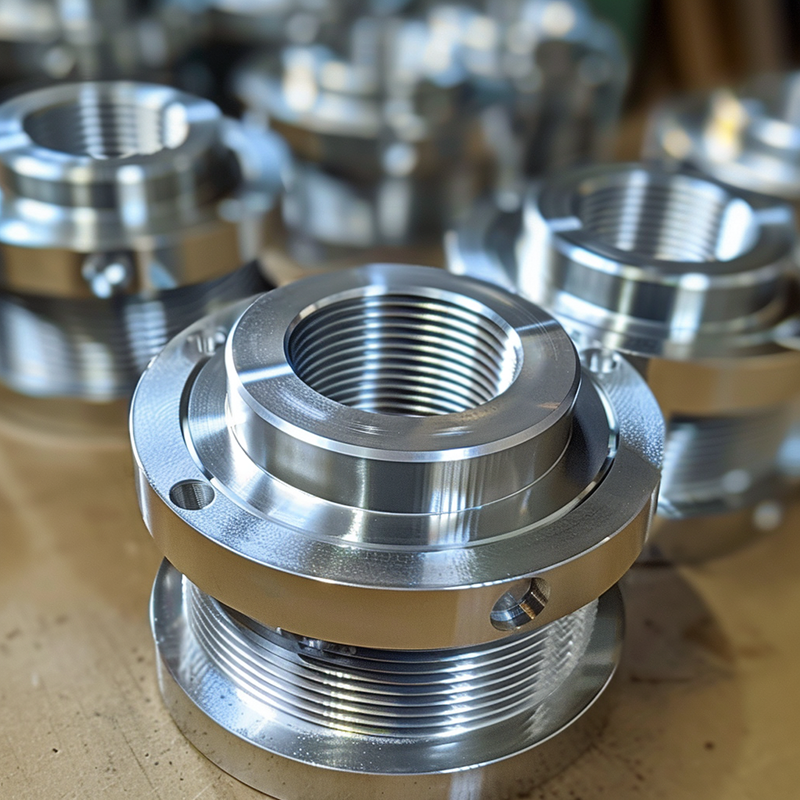
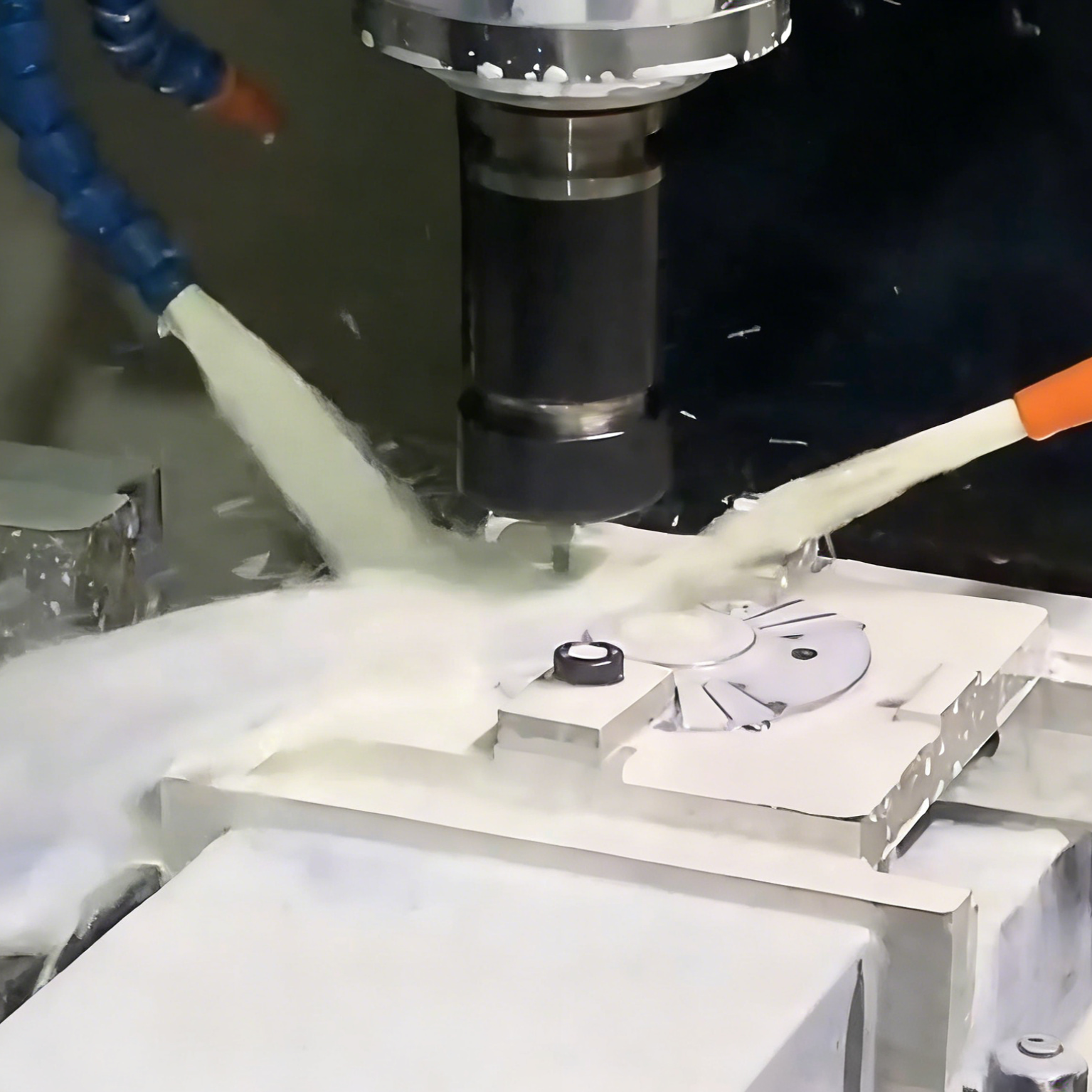
Stainless Steel CNC Machining is the foundation of modern high-precision manufacturing across aerospace, medical devices, automotive systems, electronics enclosures, and industrial automation. By combining multi-axis machining centers, micron-level positioning accuracy, adaptive cutting control, and intelligent CAM programming, Stainless Steel CNC Machining enables manufacturers to consistently achieve tight tolerances, superior surface finishes, and high repeatability in volume production. For B2B buyers, Stainless Steel CNC Machining reduces total production risk, improves dimensional consistency, accelerates delivery cycles, and ensures regulatory compliance with ISO and RoHS standards.
Get A Quote

Stainless Steel CNC Machining

Stainless Steel CNC Machining delivers unmatched manufacturing stability, dimensional control, and production scalability for industrial buyers seeking consistent output and predictable lifecycle cost. Compared with manual machining or low-automation systems, Stainless Steel CNC Machining integrates multi-axis kinematics, closed-loop measurement feedback, and intelligent tool management to minimize human variability while maximizing throughput. Independent industry benchmarks indicate that CNC machining reduces dimensional deviation by up to 80%, improves material utilization by 15–30%, and shortens production cycles by 25–40% when compared to conventional machining processes. Stainless Steel CNC Machining also supports strict compliance requirements such as ISO 9001 quality traceability, ISO 14001 environmental management, and RoHS material control, making it suitable for regulated sectors including medical, aerospace, and energy.

Micron-Level Precision and Batch Consistency

Stainless Steel CNC Machining routinely achieves dimensional tolerances as tight as ±0.002 mm with repeatability exceeding 99.98% across batch production. Laser probing, in-process measurement, and automatic compensation systems continuously correct tool offsets, eliminating cumulative errors caused by thermal expansion or tool wear. Independent audits in ISO-certified facilities demonstrate scrap rate reductions below 1%, significantly lowering rework and warranty exposure for OEM buyers.

Superior Surface Finish and Structural Integrity

Through optimized cutting paths, high-rigidity machine frames, and vibration damping technology, Stainless Steel CNC Machining achieves surface roughness levels of Ra ≤0.4 μm without secondary polishing in many applications. This improves corrosion resistance, fatigue performance, and aesthetic consistency for visible or functional components. ASTM surface compliance and metallurgical inspections confirm consistent grain stability and minimal micro-cracking under high-load conditions.

High Efficiency and Predictable Cost Control

High-speed machining spindles exceeding 18,000 RPM, automated tool changers with 60–120 tool capacity, and lights-out automation enable Stainless Steel CNC Machining to operate 24/7 with minimal labor dependency. Typical productivity improvements range from 35–50% versus semi-manual workflows, while energy-efficient drives reduce power consumption by approximately 12–18% per unit output, improving total cost of ownership.

Related Products

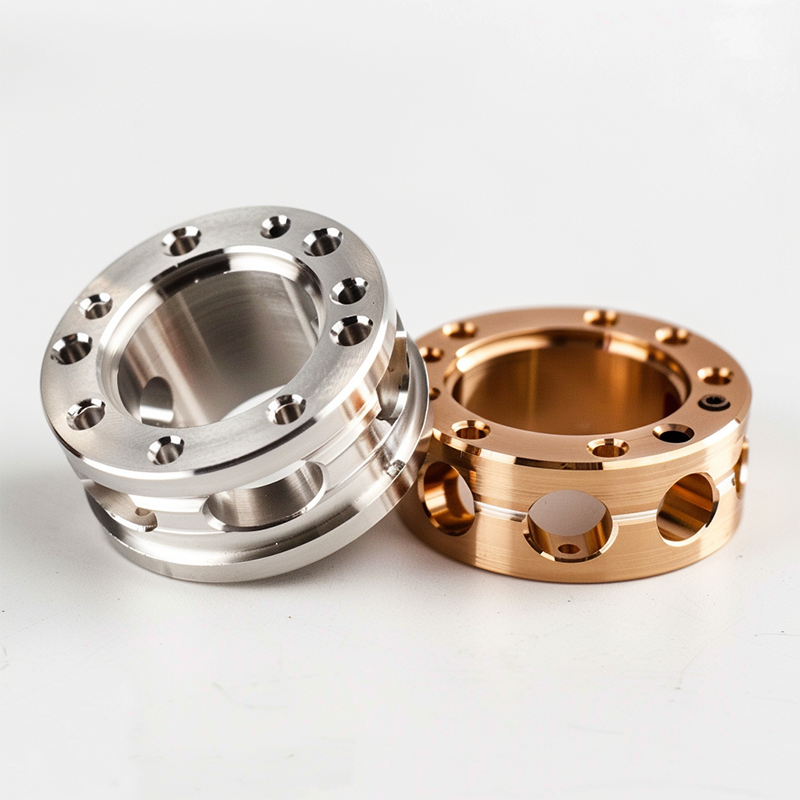
In real production environments, Stainless Steel CNC Machining demonstrates outstanding reliability in complex geometries, tight tolerances, and long continuous operation cycles. During multi-batch manufacturing of stainless steel enclosures, five-axis machining enabled single-clamp processing of all critical surfaces, eliminating repositioning errors and reducing cycle time by 32%. Surface finish remained consistent at Ra 0.35 μm, meeting both cosmetic and corrosion resistance requirements without secondary finishing. Tool life monitoring systems reduced unexpected tool failure by over 40%, maintaining uninterrupted production. Thermal stability systems ensured dimensional drift remained below 0.0015 mm over 12-hour continuous machining. These operational results confirm that Stainless Steel CNC Machining delivers measurable performance stability, scalability, and predictable output quality for high-volume B2B manufacturing programs.

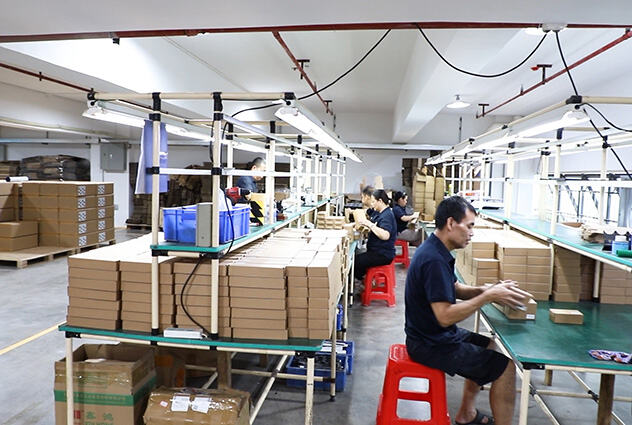
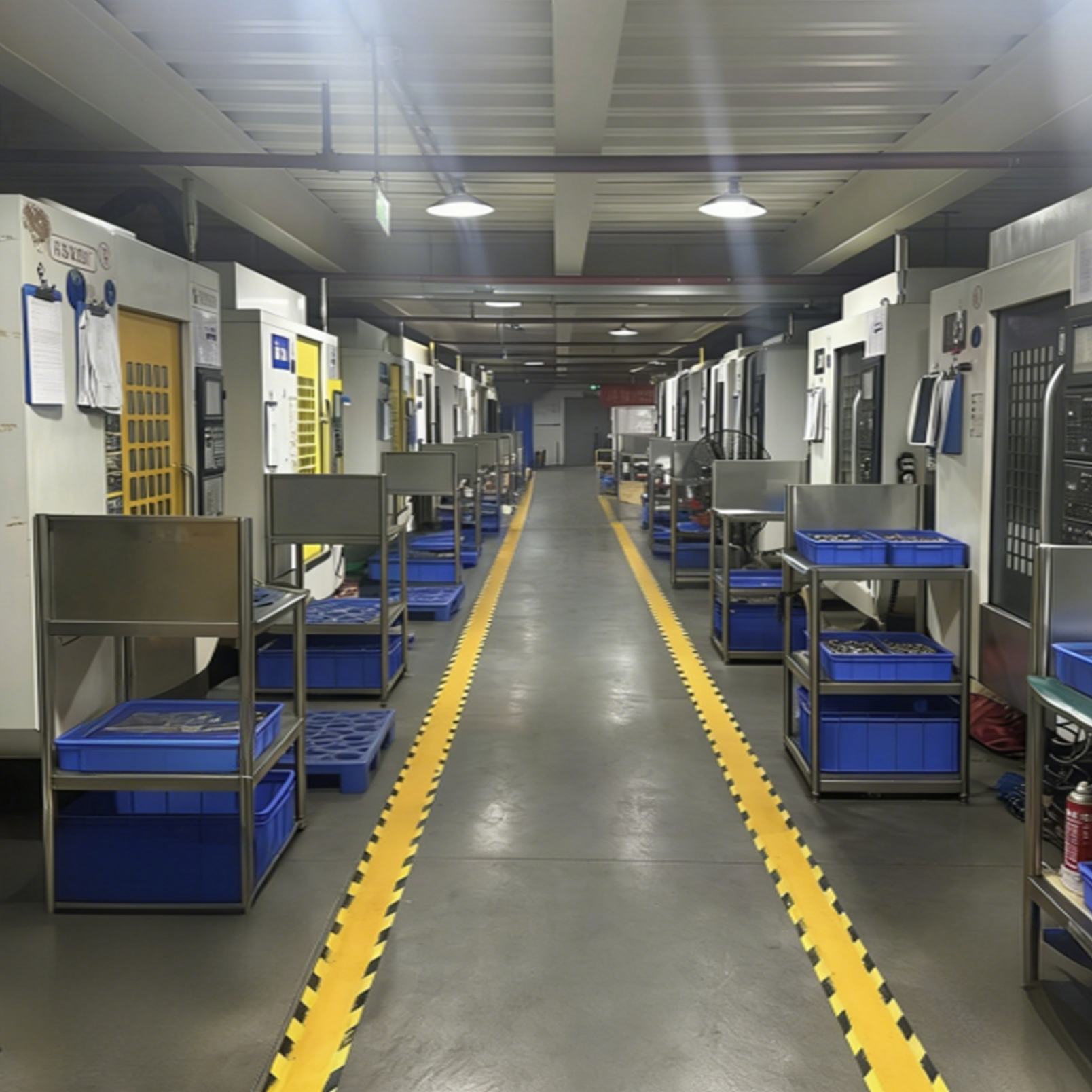
Founded in 2017, Dongguan BIE Hardware Co., Ltd. has evolved into a technology-driven precision manufacturing enterprise specializing in advanced CNC machining, sheet metal fabrication, die casting, and plastic injection molding. Operating from a modern 3,000 square meter manufacturing campus in Fenggang Town, Dongguan, BIE integrates intelligent production systems, digital quality management, and high-efficiency logistics workflows to deliver scalable manufacturing solutions for global industrial customers.

BIE’s core strength lies in its deep expertise in Stainless Steel CNC Machining. The facility is equipped with multi-axis machining centers, high-speed spindles, automated pallet systems, and advanced CAM software platforms capable of supporting complex 5-axis geometries, hardened materials exceeding HRC 60, and micro-precision components below 0.1 mm feature size. Annual machining capacity exceeds several million precision parts, supporting both prototype development and mass production programs.

The company serves customers across automotive systems, aerospace structures, medical device assemblies, consumer electronics housings, lighting systems, and industrial automation equipment. Over 70% of BIE’s output is exported to Europe and North America, where regulatory compliance, traceability, and consistency are mandatory. BIE has established long-term partnerships with OEMs, Tier-1 suppliers, and technology integrators who require stable delivery schedules and predictable quality performance.

Quality management is embedded into every operational layer. BIE holds ISO 9001:2015 for quality management systems, ISO 14001:2015 for environmental responsibility, ISO 45001:2018 for occupational health and safety, and RoHS material compliance certifications. Inspection systems include coordinate measuring machines, optical measurement platforms, surface roughness analyzers, and real-time SPC data tracking. Process capability indices regularly exceed Cpk 1.67 for critical dimensions, exceeding typical industry benchmarks.

Production workflows are digitally connected from CAD design review through CAM programming, tool simulation, production scheduling, and final inspection reporting. This closed-loop architecture reduces lead time variability by approximately 25% and improves first-article approval rates above 98%. Automated tool management systems reduce setup error risk while predictive maintenance algorithms increase equipment uptime above 96%.

BIE provides full one-stop manufacturing services including CNC machining, surface finishing, anodizing, powder coating, laser marking, assembly, packaging, and logistics coordination. Integrated project management ensures seamless cross-process handover, minimizing communication gaps and schedule disruption for international clients.

Customer support extends beyond delivery. BIE offers engineering consultation, design for manufacturability analysis, rapid prototyping, and continuous improvement programs to help customers reduce lifecycle costs. A dedicated technical support team provides 24/7 response coverage, ensuring fast resolution for production deviations or design modifications.

By continuously investing in automation, digital manufacturing, workforce training, and quality systems, Dongguan BIE Hardware positions itself as a long-term strategic manufacturing partner capable of supporting scalable growth, regulatory compliance, and continuous innovation in Stainless Steel CNC Machining.

FAQ

What tolerance levels can Stainless Steel CNC Machining achieve in mass production?

Stainless Steel CNC Machining typically achieves tolerances between ±0.005 mm and ±0.002 mm depending on geometry, material grade, and environmental stability. With closed-loop probing and thermal compensation, repeatability exceeds 99.98%. For aerospace and medical programs, validated Cpk values above 1.67 ensure statistical consistency across high-volume batches.
Optimized tool paths, vibration control, and controlled feed rates achieve Ra ≤0.4 μm surface finish. Proper chip evacuation and coolant management prevent heat discoloration and micro-cracking. Post-machining passivation further enhances corrosion resistance according to ASTM A967 standards.
Yes. CNC platforms enable rapid prototype turnaround within 48–72 hours while maintaining scalability for automated mass production using pallet systems, robotic loading, and MES scheduling. This allows seamless transition from validation to full production without process migration risk.

More Posts

What are the Latest cnc manufacturing Technologies? Industry Development Trends

31

Jan

What are the Latest cnc manufacturing Technologies? Industry Development Trends

From Traditional CNC to Smart Manufacturing: A Project Manager’s Perspective As a project manager overseeing product development in a competitive industrial landscape, keeping pace with the latest CNC manufacturing technologies is critical. No ...
View More
How to Choose the Right hot forging Supplier? Evaluation Criteria and Methods

31

Jan

How to Choose the Right hot forging Supplier? Evaluation Criteria and Methods

When it comes to critical components in automotive, aerospace, and industrial applications, selecting the right hot forging supplier is just as crucial as the component design itself. A poor choice can compromise part performance, product reliability...
View More
What Parameters are Needed for Custom cnc lathe machining services Services? Process Guide

31

Jan

What Parameters are Needed for Custom cnc lathe machining services Services? Process Guide

In the highly competitive B2B manufacturing space, custom CNC lathe machining services are often the backbone of product development and industrial production. However, despite their critical role, misunderstandings about process parameters frequentl...
View More
What are the Precision Control Methods for cnc milling and turning? Technical Key Points

31

Jan

What are the Precision Control Methods for cnc milling and turning? Technical Key Points

In the modern manufacturing landscape, precision is no longer optional—it is a fundamental requirement. CNC milling and turning have emerged as cornerstone technologies for producing complex parts with exacting tolerances, particularly in autom...
View More

Customer Reviews

Daniel Harper – Supply Chain Director

Our partnership using Stainless Steel CNC Machining delivered consistent dimensional accuracy across multiple production batches. SPC reports confirmed tolerance stability within ±0.002 mm. Lead times improved by 30% compared to our prior supplier, significantly stabilizing our assembly schedules.

Linda Chen – Quality Engineering Manager

Surface quality from Stainless Steel CNC Machining exceeded our medical device requirements. Ra consistently measured below 0.35 μm without rework. Traceability documentation and ISO compliance simplified regulatory audits and reduced inspection overhead.

Robert Klein – Manufacturing Operations Manager

Automation integration enabled lights-out operation on stainless structural components. Scrap rate dropped below 0.8% while throughput increased by 42%. Overall equipment effectiveness exceeded 90% within six months of deployment.

Get a Free Quote

Our representative will contact you soon.
Email
Name
Company Name
Message
0/1000
Attachment
Please upload at least an attachment
Up to 3 files,more 30mb,suppor jpg、jpeg、png、pdf、doc、docx、xls、xlsx、csv、txt、stp、step、igs、x_t、dxf、prt、sldprt、sat、rar、zip
Five-Axis Integrated Precision Control

Five-Axis Integrated Precision Control

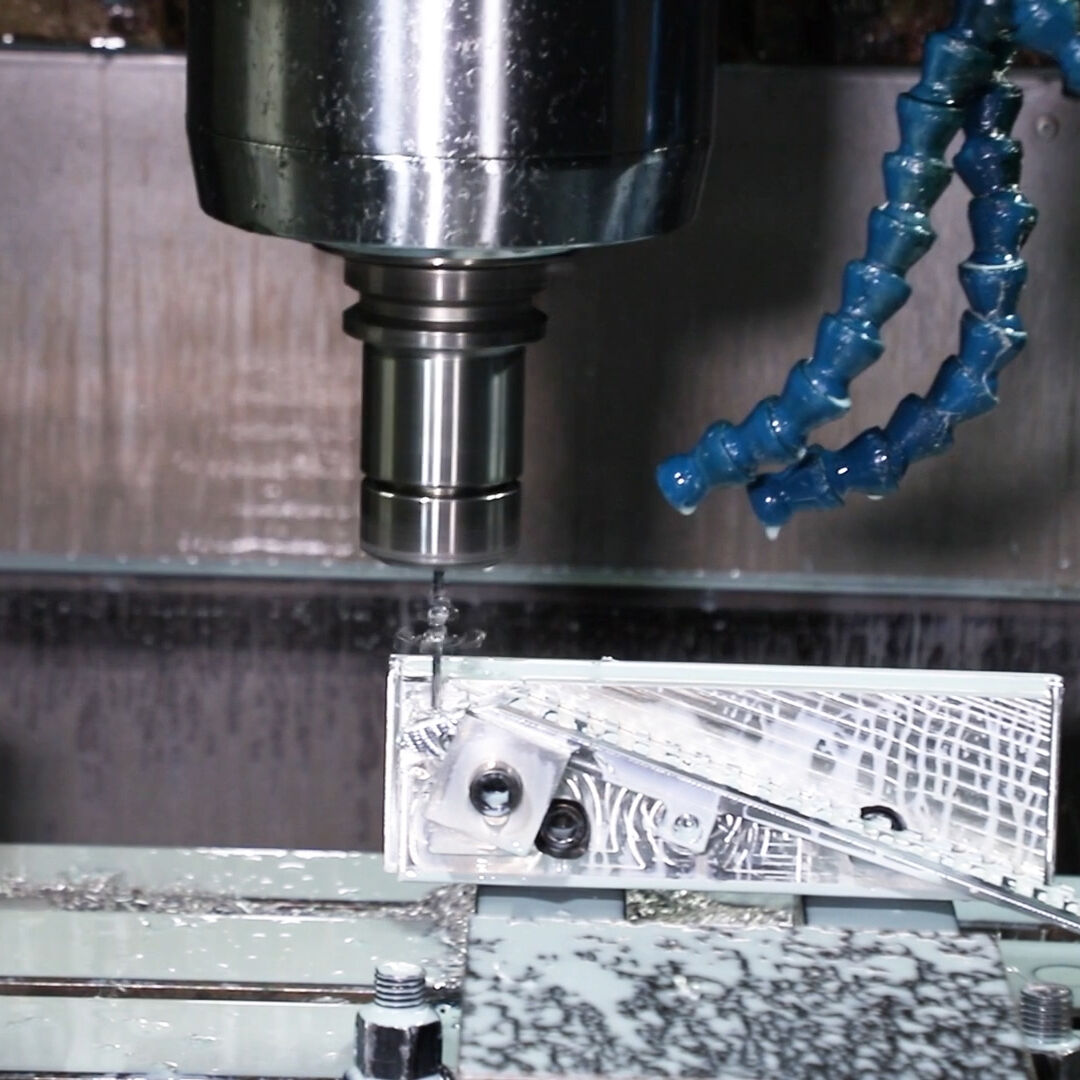
Stainless Steel CNC Machining achieves full multi-surface machining in a single setup using synchronized five-axis kinematics. This eliminates repositioning error, reduces cycle time by up to 35%, and improves dimensional stability under ISO 9001 validation.
Intelligent Tool Life and Adaptive Control

Intelligent Tool Life and Adaptive Control

Real-time spindle load monitoring automatically adjusts feed rates to maintain constant cutting force. Tool life prediction reduces unexpected breakage by over 45%, extending cutter utilization and improving operational uptime.
Green Manufacturing and Energy Efficiency

Green Manufacturing and Energy Efficiency

MQL lubrication and regenerative drive systems reduce coolant usage by 60% and electrical consumption by 15–18%, supporting ISO 14001 sustainability objectives while lowering operational costs.

Copyright © Dongguan BIE Hardware Co., Ltd  -  Privacy policy