ISO Certified Prototype Plastic Injection Molding for Rapid Validation

Prototype Plastic Injection Molding Services for Rapid Product Validation and Low-Volume Manufacturing

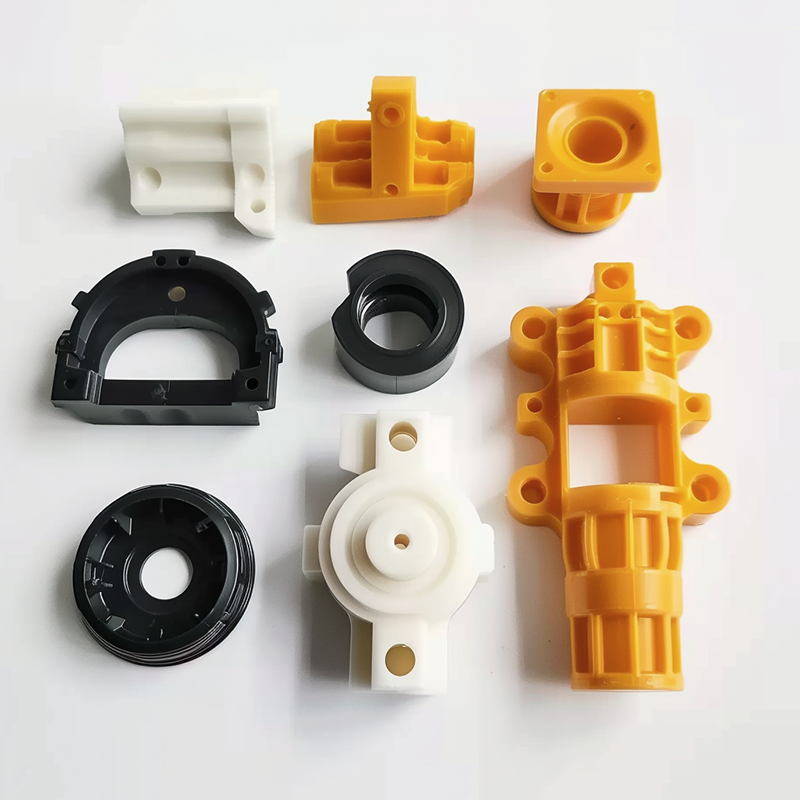
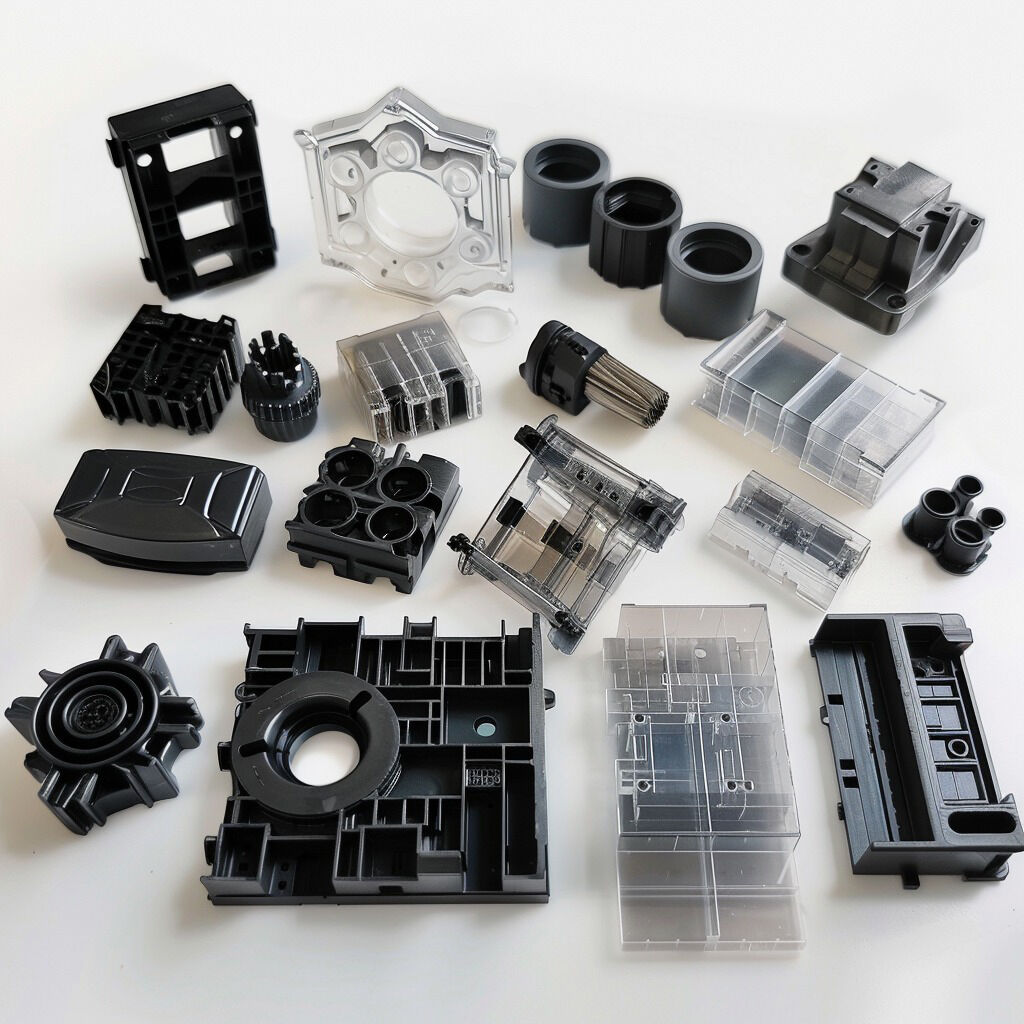
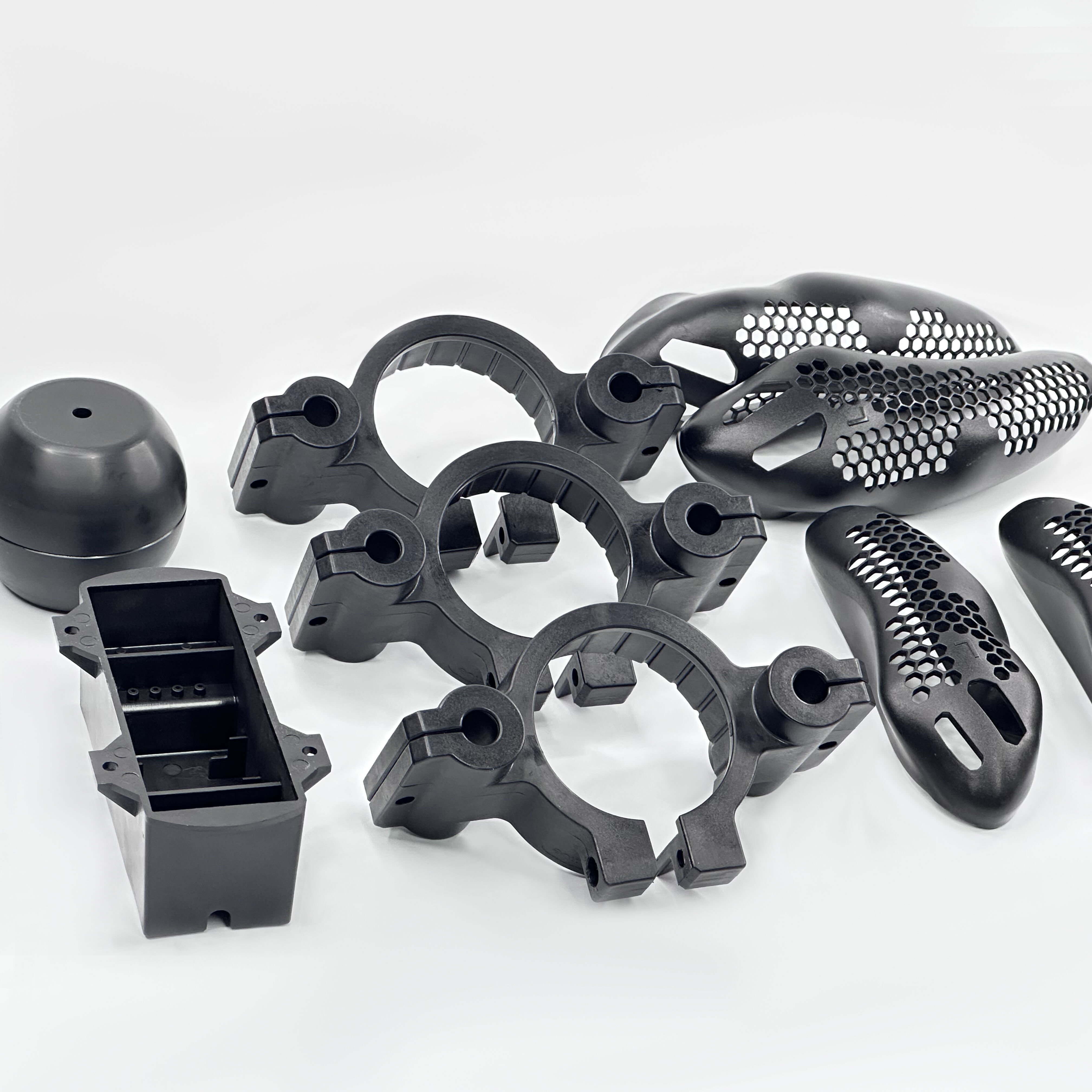
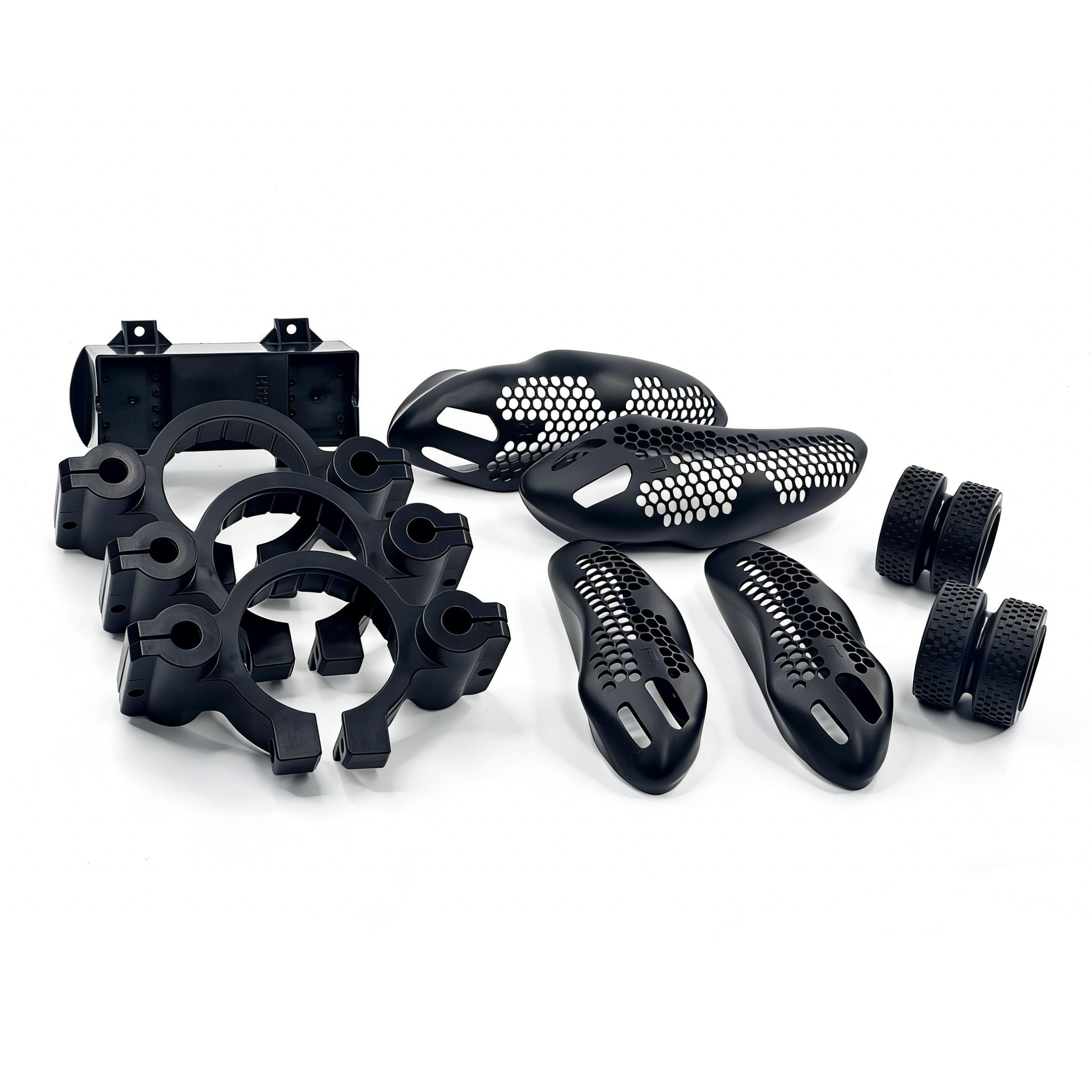
Prototype Plastic Injection Molding is a critical manufacturing solution for OEMs and product developers seeking to validate designs, materials, and functionality before mass production. Unlike 3D printing or CNC-only prototypes, Prototype Plastic Injection Molding uses production-grade materials and real injection processes, ensuring parts accurately reflect final performance, appearance, and tolerances. Through rapid tooling, aluminum molds, and flexible production setups, Prototype Plastic Injection Molding enables fast turnaround, repeatable quality, and cost-effective low-volume manufacturing. It is widely applied in automotive, medical devices, consumer electronics, and industrial equipment to reduce development risk, shorten time-to-market, and ensure scalable production readiness.
Get A Quote

Prototype Plastic Injection Molding

Prototype Plastic Injection Molding bridges the gap between concept validation and full-scale production. Compared with traditional prototyping methods, Prototype Plastic Injection Molding delivers parts with production-level material properties, dimensional accuracy, and surface finish. This approach reduces downstream design changes, lowers tooling risk, and improves first-pass yield during mass production. Industry data shows that projects using Prototype Plastic Injection Molding can reduce post-launch engineering changes by over 30 percent and shorten overall product development cycles by 20 to 40 percent. Supported by ISO-certified manufacturing systems, Prototype Plastic Injection Molding provides OEM buyers with reliable data for decision-making and supply chain planning.

Production-Grade Materials Enabled by Prototype Plastic Injection Molding

Prototype Plastic Injection Molding supports an extensive range of thermoplastics, from PP, ABS, and PC to engineering plastics such as PA, PBT, PPS, and high-performance materials including PEEK and LCP. Material modification using glass fiber, mineral fillers, flame retardants, and UV stabilizers allows tensile strength improvements of 30–50 percent and heat resistance exceeding 200°C. FDA- and EU-compliant grades are available for food contact and medical validation, ensuring prototype parts meet regulatory and functional requirements identical to mass production components.

High Design Fidelity and Dimensional Accuracy

Through precision mold machining and optimized gate and flow design, Prototype Plastic Injection Molding achieves dimensional tolerances typically within ±0.01–0.03 mm. Complex geometries, thin-wall structures below 0.5 mm, integrated snap-fits, living hinges, and insert molding can be fully validated. CAE simulation and mold flow analysis reduce warpage and anisotropic shrinkage by up to 25 percent, ensuring prototypes accurately replicate final production behavior.

Faster Development Cycles with Controlled Investment

By utilizing aluminum molds, modular mold bases, and rapid changeover systems, Prototype Plastic Injection Molding significantly reduces tooling lead time, often delivering first shots within 2–4 weeks. Compared with steel production molds, tooling investment can be reduced by 40–60 percent, while still supporting thousands to tens of thousands of shots. This enables OEMs to test multiple design iterations with controlled cost and schedule risk.

Related Products

In practical applications, Prototype Plastic Injection Molding demonstrates strong performance during functional testing and pilot production. Parts produced using engineering-grade plastics showed consistent mechanical strength, stable dimensions, and excellent surface finish comparable to mass-produced components. During pilot runs of 5,000–20,000 units, process stability remained high, with defect rates below 1 percent once parameters were optimized. From a product development perspective, Prototype Plastic Injection Molding allowed rapid validation of snap-fit strength, sealing performance, and chemical resistance, significantly reducing redesign cycles before full-scale production.

Founded in 2017, Dongguan BIE Hardware Co., Ltd. is a professional manufacturing partner specializing in Prototype Plastic Injection Molding and precision engineering solutions. Located in Fenggang Town, Dongguan, Guangdong Province, BIE operates a modern 3,000 square meter facility integrating mold design, tooling fabrication, plastic injection molding, CNC machining, die casting, surface finishing, and assembly.

As an experienced provider of Prototype Plastic Injection Molding, BIE supports the entire product development lifecycle, from early-stage concept validation to pilot production and seamless transition to mass manufacturing. The company employs advanced CAD and CAE software for DFM analysis and mold flow simulation, enabling early identification of potential defects such as sink marks, warpage, and weld lines. This digital engineering approach reduces trial-and-error iterations and accelerates project timelines.

BIE’s Prototype Plastic Injection Molding capabilities include rapid aluminum tooling, modular mold systems, and quick mold change technology, allowing flexible low-volume production ranging from a few hundred to tens of thousands of parts. Production equipment includes high-precision CNC machining centers, EDM systems, grinding machines, and injection molding machines with closed-loop control and real-time monitoring. These systems ensure repeatable quality and stable processing windows even during short-run production.

Material expertise is a key strength of BIE’s Prototype Plastic Injection Molding services. The company processes a wide spectrum of plastics, including general-purpose, engineering, flame-retardant, UV-resistant, medical-grade, food-contact, recycled PCR, and bio-based materials. All materials are sourced from qualified global suppliers and fully traceable. For regulated industries, BIE provides documentation supporting FDA, EU, and RoHS compliance.

Quality assurance is embedded throughout BIE’s operations. The company is certified to ISO 9001:2015, ISO 14001:2015, ISO 45001:2018, and RoHS standards. Quality control procedures include incoming material inspection, first article inspection, in-process monitoring, and final dimensional verification using CMM and optical measurement equipment. Statistical process control data is available to support customer validation and design verification requirements.

Serving clients primarily in Europe and North America, BIE supports automotive, medical devices, consumer electronics, lighting, and industrial equipment industries. With dedicated project engineers, responsive communication, and 7×24 technical support, BIE positions itself as a long-term Prototype Plastic Injection Molding partner focused on reducing development risk, accelerating market entry, and ensuring production readiness.

FAQ

What is the difference between Prototype Plastic Injection Molding and 3D printing?

Prototype Plastic Injection Molding uses real injection molding processes and production-grade materials, while 3D printing often uses substitute materials. This ensures mechanical performance, surface finish, and tolerances accurately represent mass production parts.
Depending on mold type and material, Prototype Plastic Injection Molding can support hundreds to tens of thousands of parts, making it ideal for functional testing, pilot production, and market trials.
Yes. Designs validated through Prototype Plastic Injection Molding can be directly transferred to steel production molds, significantly reducing risk and shortening ramp-up time for mass production.

More Posts

What are the Common Mistakes in Choosing cnc turning service? How to Avoid Them

31

Jan

What are the Common Mistakes in Choosing cnc turning service? How to Avoid Them

Introduction: The Strategic Importance of CNC Turning Service CNC turning service has become an essential capability in modern precision manufacturing. Industries such as automotive, electronics, aerospace, and industrial automation rely on CNC turni...
View More
What is the Market Price Range of cnc production? Analysis of Key Cost Factors

31

Jan

What is the Market Price Range of cnc production? Analysis of Key Cost Factors

In today’s manufacturing landscape, CNC production has become a cornerstone for precision parts fabrication across industries ranging from automotive to aerospace and electronics. However, a recurring challenge for procurement managers and prod...
View More
What are the Latest aluminium casting manufacturers Technologies? Industry Development Trends

31

Jan

What are the Latest aluminium casting manufacturers Technologies? Industry Development Trends

As a seasoned project manager overseeing precision manufacturing projects, I’ve observed that partnering with the right aluminium casting manufacturers is critical for achieving both high-quality components and cost efficiency. In today’s...
View More
How to Choose the Right mold manufacturing Supplier? Evaluation Criteria and Methods

31

Jan

How to Choose the Right mold manufacturing Supplier? Evaluation Criteria and Methods

Evaluation Criteria and Practical Methods for Global Buyers In global manufacturing supply chains, mold manufacturing is not just a procurement task—it is a strategic decision that directly affects product quality, production efficiency, delive...
View More

Customer Reviews

Andrew Wilson – Automotive Product Development Manager

Prototype Plastic Injection Molding allowed us to validate material performance and assembly fit before committing to production tooling. This reduced our redesign cycles by nearly 30 percent.

Laura Martínez – Medical Device Engineer

The Prototype Plastic Injection Molding service provided production-accurate parts with full material traceability. This was critical for our verification and validation process.

Kevin Huang – Consumer Electronics OEM

Using Prototype Plastic Injection Molding, we tested thin-wall housings and snap-fit features under real conditions. The results closely matched mass production performance.

Get a Free Quote

Our representative will contact you soon.
Email
Name
Company Name
Message
0/1000
Attachment
Please upload at least an attachment
Up to 3 files,more 30mb,suppor jpg、jpeg、png、pdf、doc、docx、xls、xlsx、csv、txt、stp、step、igs、x_t、dxf、prt、sldprt、sat、rar、zip
Production-Accurate Prototypes Verified by Data

Production-Accurate Prototypes Verified by Data

Prototype Plastic Injection Molding produces parts with dimensional deviations below 0.03 mm across pilot runs of over 10,000 units. Mechanical testing confirmed tensile strength and impact resistance within 95 percent of mass production benchmarks, supporting reliable design validation.
Rapid Tooling with Certified Quality Control

Rapid Tooling with Certified Quality Control

Through aluminum molds and modular tooling, Prototype Plastic Injection Molding achieves lead times as short as 14–21 days. All processes operate under ISO-certified quality systems, ensuring traceability, repeatability, and reliable test data for OEM decision-making.
Sustainable and Energy-Efficient Manufacturing

Sustainable and Energy-Efficient Manufacturing

Prototype Plastic Injection Molding supports PCR and bio-based materials and utilizes all-electric injection machines. Energy consumption is reduced by up to 40 percent compared with traditional hydraulic systems, aligning with global sustainability requirements.

Copyright © Dongguan BIE Hardware Co., Ltd  -  Privacy policy