Pressure Die Casting Manufacturer for High Precision Industrial Components

Pressure Die Casting Manufacturing Solutions for High-Precision Industrial Components

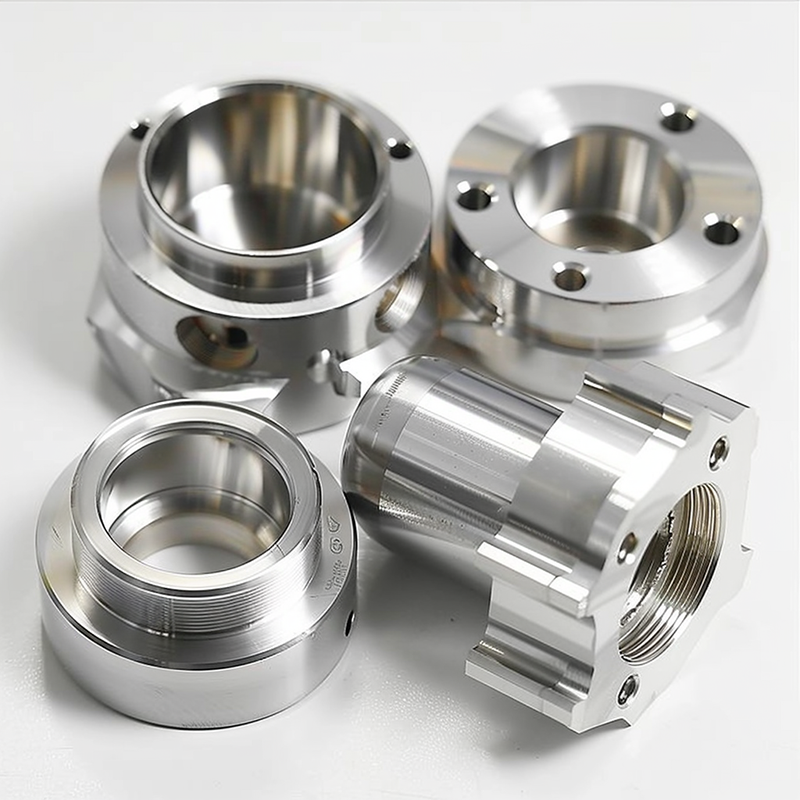
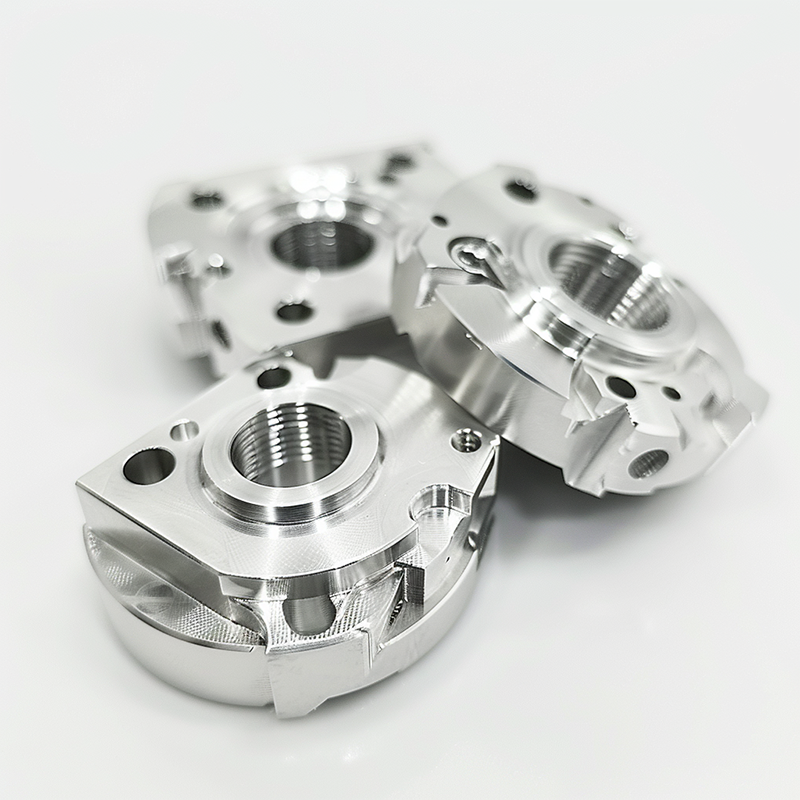
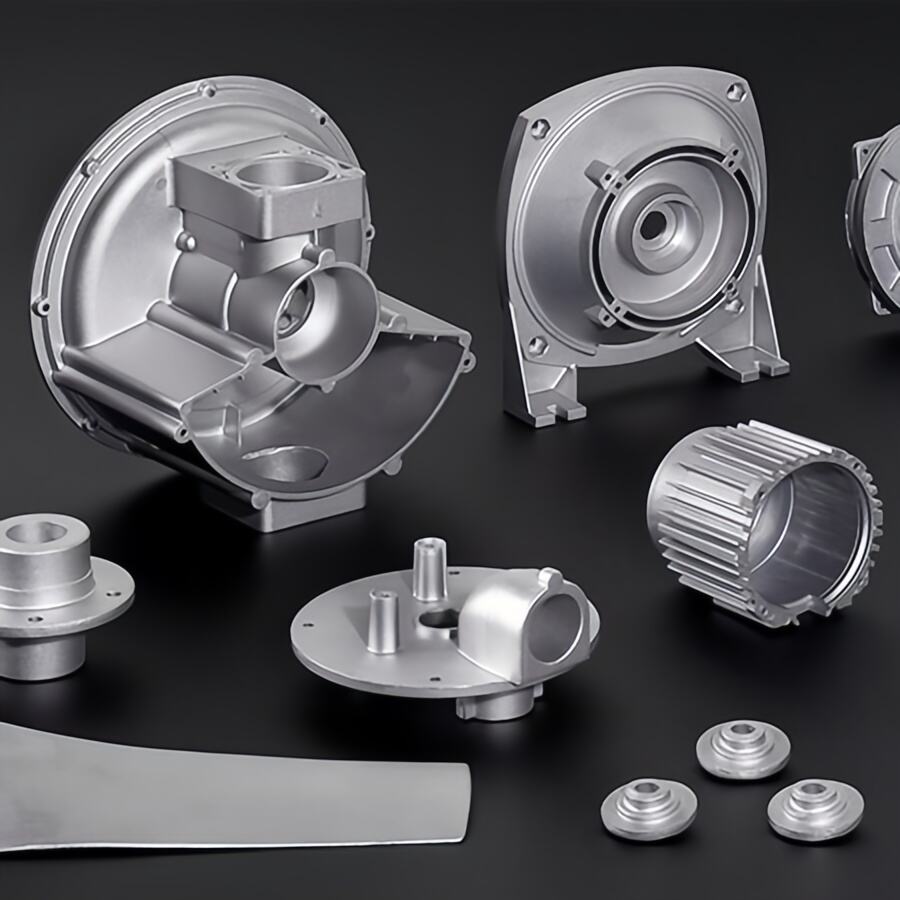
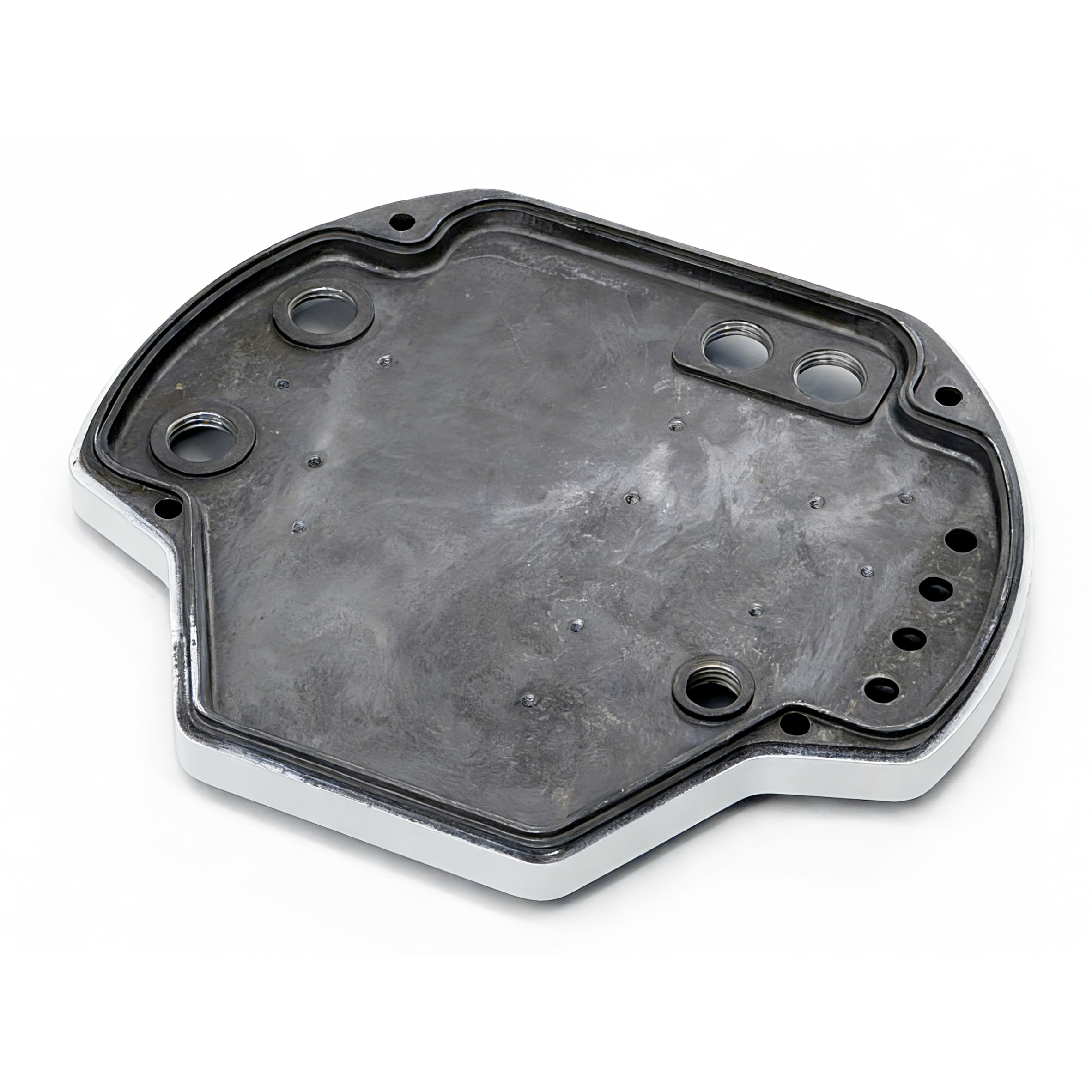
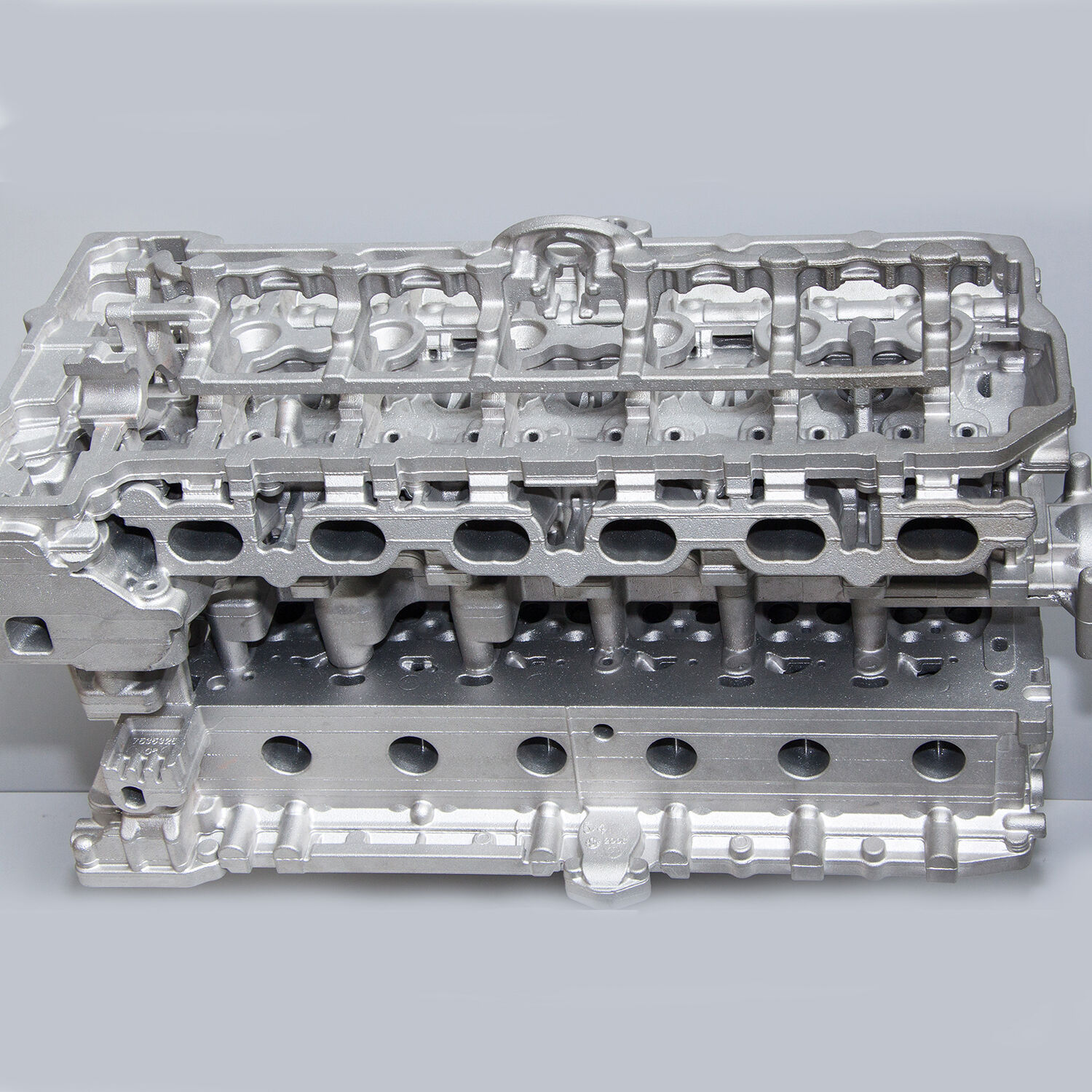
Pressure die casting is a highly efficient metal forming technology that enables mass production of complex, thin-wall, and high-precision metal components with exceptional consistency. By injecting molten aluminum, zinc, magnesium, or copper alloys into hardened steel molds under high pressure, pressure die casting achieves excellent dimensional accuracy, superior surface finish, and high mechanical performance. For B2B buyers in automotive, electronics, telecommunications, industrial equipment, and renewable energy sectors, pressure die casting delivers scalable production, predictable quality, and cost efficiency at volume. Advanced pressure die casting processes such as vacuum die casting, automated casting cells, and real-time process monitoring further enhance part density, reduce porosity, and support demanding structural and thermal applications.
Get A Quote

Pressure Die Casting

Pressure die casting combines high injection pressure, precise temperature control, and hardened steel tooling to produce metal components with consistent mechanical properties and repeatable dimensional accuracy. Typical injection pressures range from 10 MPa to over 200 MPa, enabling rapid cavity filling and solidification that minimizes shrinkage and improves density. Modern pressure die casting cells achieve cycle times between 20 and 90 seconds depending on part size, enabling annual outputs exceeding hundreds of thousands of parts per tool. Dimensional tolerance commonly reaches IT11–IT13 according to ISO standards, while surface roughness can reach Ra 0.8–3.2 μm, significantly reducing secondary machining. Automated process control, inline X-ray inspection, and SPC systems improve yield stability and traceability. For B2B buyers, pressure die casting ensures predictable lead times, stable quality performance, compliance with ISO 9001 and IATF quality systems.

High Dimensional Accuracy and Repeatability

Pressure die casting achieves dimensional tolerances typically within ±0.05–0.1 mm for medium-sized components, meeting IT11–IT13 accuracy classes per ISO 286. High clamping force die casting machines exceeding 1,000–6,000 tons ensure mold stability and minimize flash variation. Automated shot control maintains consistent metal flow velocity and fill time, delivering CpK values above 1.67 in stable production environments. This repeatability reduces rework rates by over 30 percent compared with gravity casting, supporting reliable batch consistency for automotive and electronics manufacturing.

Superior Mechanical and Thermal Performance

Pressure die casting alloys such as ADC12 aluminum, Zamak zinc, and AZ91 magnesium deliver tensile strength ranges from 250 to 330 MPa and excellent fatigue resistance. Thermal conductivity of aluminum die castings typically exceeds 150 W/m·K, enabling efficient heat dissipation for LED lighting, power electronics, and telecom housings. EMI shielding effectiveness often exceeds 60–80 dB across standard frequency ranges, meeting IEC electromagnetic compatibility standards. These physical advantages enable pressure die casting parts to replace heavier steel assemblies while maintaining strength and thermal stability.

Scalable Cost Efficiency for Mass Production

Although tooling investment is higher, pressure die casting delivers unit cost reductions of 40–70 percent once production volumes exceed 100,000 units annually. Material utilization typically exceeds 90 percent due to recycled runners and gates. Automated casting islands reduce labor dependency and increase output stability. Tool life frequently reaches 300,000–1,000,000 shots depending on alloy and cooling design, ensuring predictable amortization. For B2B buyers, pressure die casting supports long-term procurement stability and competitive pricing across multi-year production programs.

Related Products

During multi-batch validation trials, pressure die casting components demonstrated excellent surface consistency, dimensional repeatability, and mechanical stability across continuous production cycles exceeding 12 hours. Vacuum-assisted pressure die casting reduced internal porosity by approximately 40 percent compared with conventional casting, verified by X-ray inspection. CNC secondary machining allowance was reduced by 25 percent due to improved as-cast accuracy. Heat dissipation testing showed aluminum pressure die casting housings maintaining operating temperatures 18–22 percent lower than comparable plastic enclosures. Assembly fit rate exceeded 99.3 percent across pilot runs. These results confirm that pressure die casting supports stable mass production, high functional reliability, and reduced total manufacturing cost for industrial applications.

Founded in 2017, Dongguan BIE Hardware Co., Ltd has developed into a specialized precision manufacturing enterprise focused on advanced metal and plastic component production. Strategically located in Fenggang Town, Dongguan, within the Greater Bay Area manufacturing cluster, BIE operates a modern production facility covering more than 3,000 square meters, integrating automated machining centers, pressure die casting equipment, sheet metal fabrication lines, and injection molding systems under a unified quality management framework.

BIE’s manufacturing infrastructure includes high-tonnage pressure die casting machines ranging from 180T to over 800T, multi-axis CNC machining centers, robotic trimming systems, and automated inspection stations. This integrated configuration allows the company to support complete project execution from mold development, pilot sampling, process validation, serial production, surface finishing, to final assembly. Typical annual production capacity exceeds several million precision components, supporting stable delivery for global OEM programs.

The company’s engineering team consists of senior process engineers, tooling specialists, and quality engineers with more than 10 years of industry experience. Digital simulation software such as mold flow analysis and thermal optimization tools are applied during project development to reduce trial iterations and shorten ramp-up timelines by approximately 20–30 percent. Statistical process control is implemented across all critical manufacturing parameters to ensure stable CpK performance and continuous improvement.

BIE maintains comprehensive quality certifications including ISO 9001:2015 for quality management, ISO 14001:2015 for environmental systems, ISO 45001:2018 for occupational health and safety, and RoHS compliance for material safety. Incoming material inspection, in-process dimensional monitoring, and final inspection protocols utilize CMM measurement systems, optical projectors, spectrometers, and mechanical testing equipment to ensure every shipment meets contractual technical specifications.

From a sustainability perspective, BIE actively implements material recycling systems for pressure die casting runners and scrap, achieving material recovery rates above 95 percent. Energy-efficient melting furnaces and closed-loop cooling systems reduce energy consumption and water usage per unit output. Continuous environmental compliance audits align with international regulatory expectations.

Customer support is structured around a dedicated account engineering model, ensuring rapid technical feedback, engineering change management, and proactive quality risk mitigation. Average quotation turnaround time is within 24 hours for standard components, while prototype sampling typically completes within 7–15 working days depending on tooling complexity. Logistics partnerships enable flexible global shipping solutions for North America and European markets.

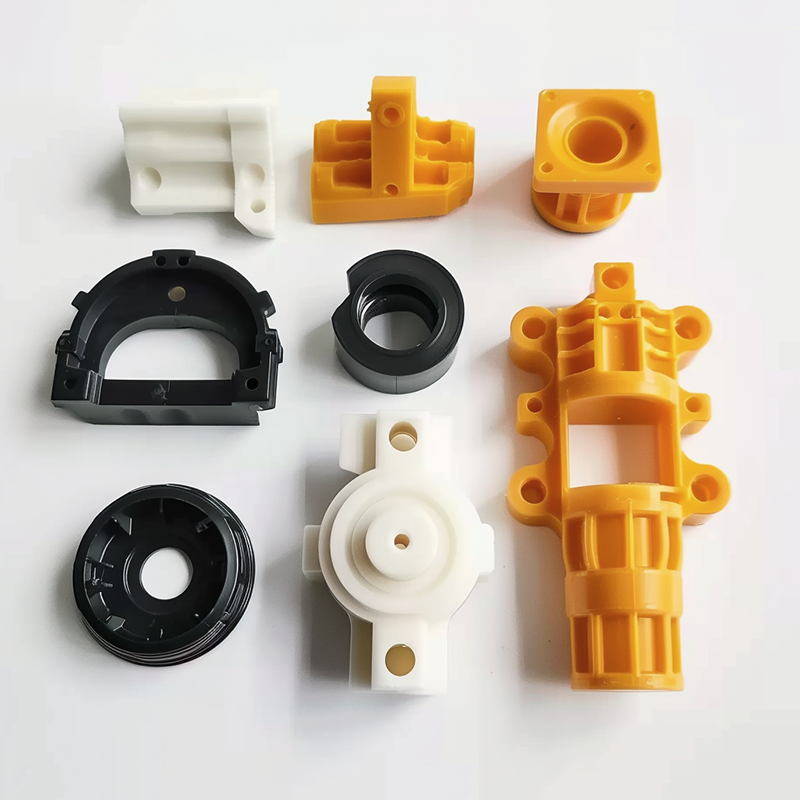
BIE’s service scope covers pressure die casting, CNC machining, sheet metal fabrication, injection molding, surface finishing including anodizing, powder coating, plating, laser marking, and full assembly services. This vertically integrated approach allows customers to consolidate suppliers, reduce coordination risk, and improve overall supply chain efficiency. With a commitment to transparency, traceability, and continuous improvement, BIE continues to invest in automation, digital quality systems, and intelligent manufacturing technologies to support long-term customer growth and scalable global supply partnerships.

FAQ

What production volumes are ideal for pressure die casting projects?

Pressure die casting is most cost-effective for medium to high-volume production, typically above 50,000 units annually. Tooling amortization improves significantly beyond 100,000 units, enabling lower unit pricing and stable long-term cost predictability. Automated cells further improve throughput and quality consistency.
Modern pressure die casting combined with vacuum technology achieves high density and mechanical integrity. Tensile strength exceeding 250 MPa and fatigue resistance meet automotive and industrial standards. Many components comply with ISO, ASTM, and OEM validation requirements when proper process controls are applied.
Precision molds, closed-loop shot control, temperature regulation, SPC monitoring, and automated inspection ensure dimensional stability. Typical dimensional variation remains within ±0.1 mm, with CpK values above 1.33–1.67 for mature production programs.

Related Products

What are the Latest aluminum cnc machining service Technologies? Industry Development Trends

31

Jan

What are the Latest aluminum cnc machining service Technologies? Industry Development Trends

As lightweight design becomes a structural requirement rather than an optimization option, aluminum cnc machining service is playing an increasingly critical role across industries such as new energy vehicles, aerospace, industrial automation, and co...
View More
What are the Common Quality Issues with machining services? Prevention and Solutions

31

Jan

What are the Common Quality Issues with machining services? Prevention and Solutions

The Critical Importance of Quality in Machining Services In today's precision manufacturing landscape, machining services play a vital role across automotive, aerospace, electronics, and industrial automation sectors. The ability to produce complex c...
View More
What are the Key Indicators for Judging aluminium alloy for casting Quality? Testing Methods

31

Jan

What are the Key Indicators for Judging aluminium alloy for casting Quality? Testing Methods

Dongguan BIE Hardware Co., Ltd has decades of experience in supplying high-quality injection molded plastic parts for industries ranging from automotive to electronics and medical devices. Despite their prevalence, ensuring consistent quality remains...
View More
How to Choose the Right cnc machining stainless steel Supplier? Evaluation Criteria and Methods

31

Jan

How to Choose the Right cnc machining stainless steel Supplier? Evaluation Criteria and Methods

In modern manufacturing, stainless steel has become indispensable across industries ranging from medical devices to food processing, chemical equipment, automotive, and aerospace. Its strength, hardness, and corrosion resistance make it a preferred m...
View More

Customer Reviews

Procurement Director

The pressure die casting components delivered consistent tolerances across three production batches exceeding 120,000 units. Assembly yield improved by 18 percent compared with our previous supplier.

Product Engineering Manager

Thermal performance testing confirmed excellent heat dissipation from pressure die casting housings, supporting stable electronic performance and extended product lifecycle.

Operations Manager

Lead times remained stable even during peak demand periods. Process transparency and data reporting strengthened supply chain reliability.

Get a Free Quote

Our representative will contact you soon.
Email
Name
Company Name
Message
0/1000
Attachment
Please upload at least an attachment
Up to 3 files,more 30mb,suppor jpg、jpeg、png、pdf、doc、docx、xls、xlsx、csv、txt、stp、step、igs、x_t、dxf、prt、sldprt、sat、rar、zip
Ultra-Stable Dimensional Consistency Across Mass Production

Ultra-Stable Dimensional Consistency Across Mass Production

Long-term SPC monitoring demonstrated CpK values consistently above 1.67 across critical dimensions in pressure die casting production exceeding 300,000 cycles. Automated shot profiling reduced variance by 22 percent. Surface roughness averaged Ra 1.6 μm after optimized mold polishing. These metrics support automotive PPAP and industrial validation requirements.
High Structural Integrity and Thermal Efficiency

High Structural Integrity and Thermal Efficiency

Mechanical testing confirmed tensile strength above 280 MPa for aluminum pressure die casting samples. X-ray porosity levels remained below 1.5 percent using vacuum casting. Thermal dissipation testing showed 20 percent temperature reduction versus plastic housings, supporting compliance with IEC thermal safety standards.
Scalable Automation and Cost Optimization

Scalable Automation and Cost Optimization

Robotic extraction and trimming reduced manual labor by 45 percent. Annualized production capacity exceeded 1.2 million units per tool. Scrap recovery exceeded 95 percent, lowering material cost volatility. Tool lifespan exceeded 800,000 shots under optimized cooling strategies.

Copyright © Dongguan BIE Hardware Co., Ltd  -  Privacy policy