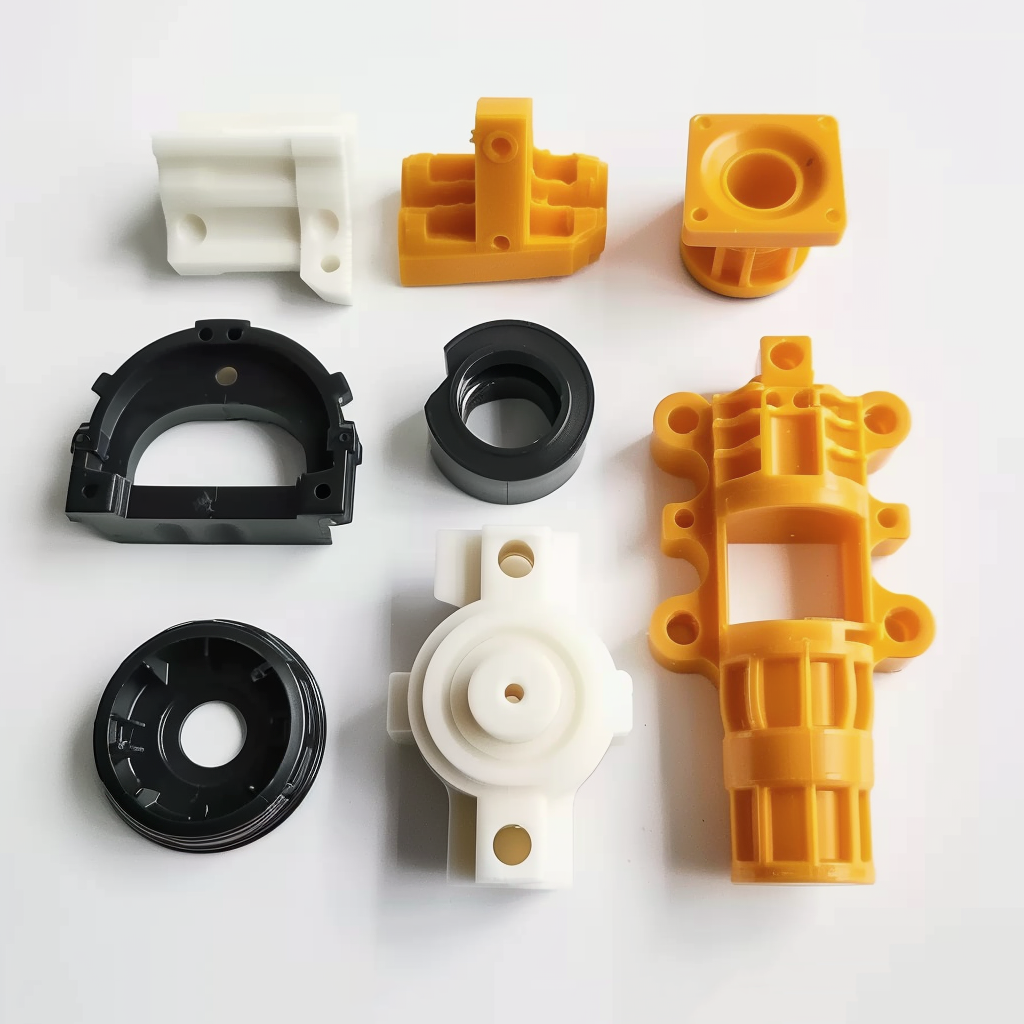
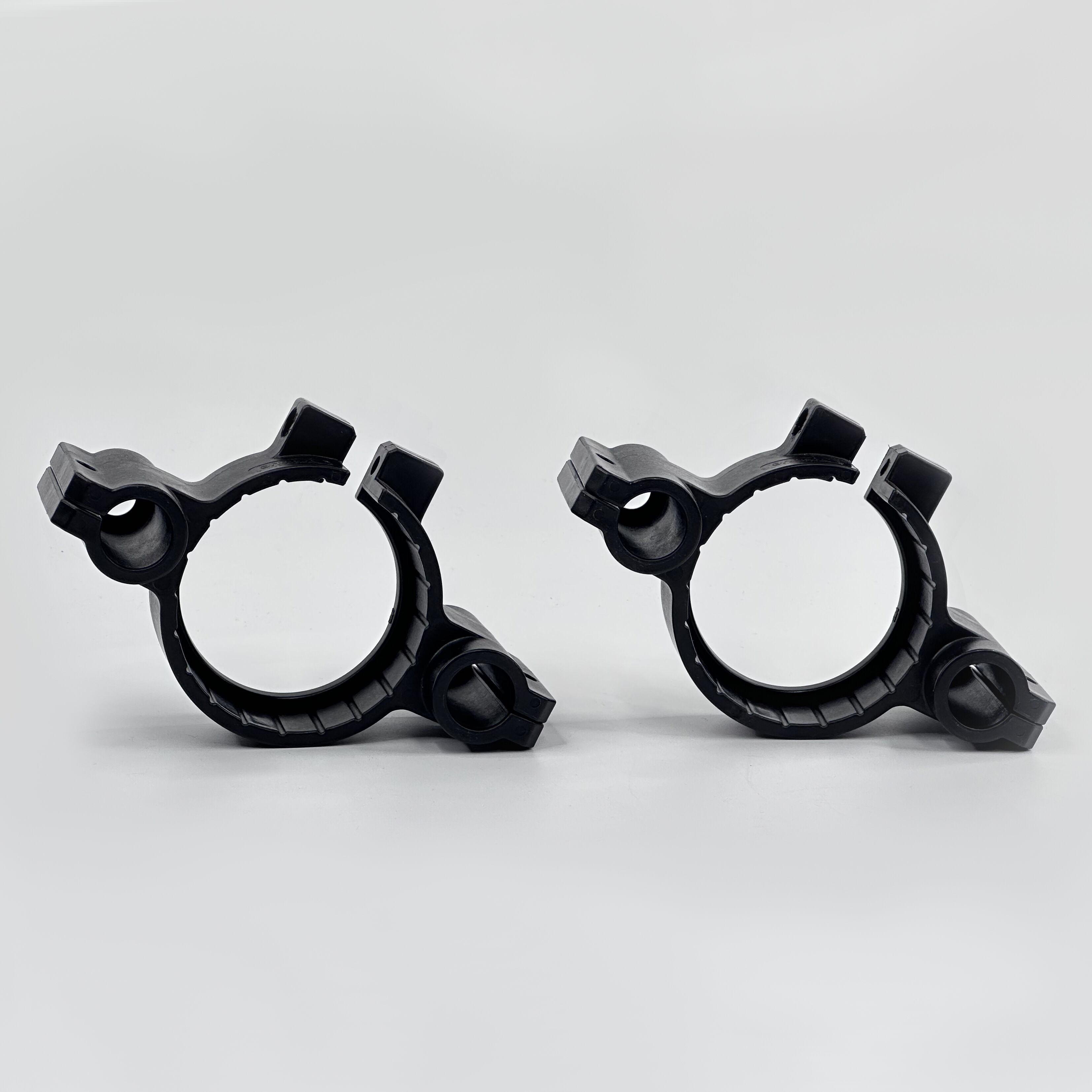
Plastic Molded Parts: High-Precision Injection Molding Solutions

Injection Molding Products Manufacturing Solutions for Scalable High-Precision Industrial Applications

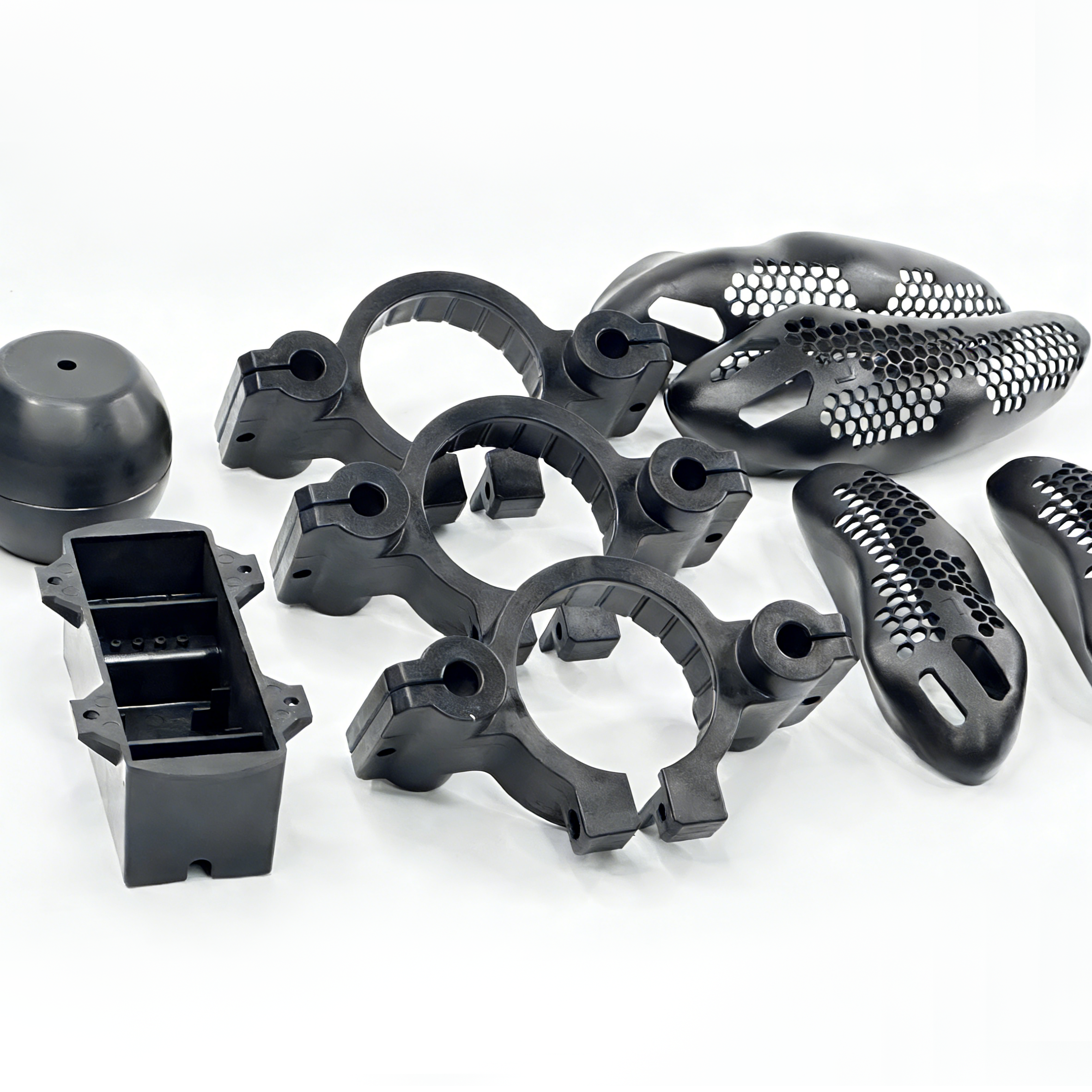
Injection Molding Products are a cornerstone of modern industrial manufacturing, delivering exceptional scalability, dimensional stability, and material flexibility across automotive, electronics, medical, energy, and consumer sectors. Injection Molding Products support lightweight engineering, high insulation performance, chemical resistance, and advanced surface finishes while maintaining tight tolerances as low as ±0.05 mm. With production cycles ranging from seconds to minutes, Injection Molding Products enable annual volumes exceeding millions of units with consistent repeatability and predictable cost control. Advanced molding technologies allow Injection Molding Products to integrate multiple functions such as snap fits, sealing structures, insert encapsulation, and multi-material combinations in a single manufacturing step.
Get A Quote

Injection Molding Products

Injection Molding Products combine engineering precision, mass-production efficiency, and material adaptability into a single manufacturing platform. Compared with conventional machining, Injection Molding Products reduce material waste by 20–35 percent while achieving cycle repeatability exceeding 99.5 percent consistency across long production runs. Automated monitoring systems enable CpK values above 1.67 for critical dimensions, ensuring that Injection Molding Products maintain predictable assembly compatibility and functional reliability. The availability of more than 1,000 polymer grades allows Injection Molding Products to meet UL94 flame ratings, RoHS compliance, FDA biocompatibility, and IP67/IP68 sealing standards. For B2B buyers managing multi-year programs, Injection Molding Products deliver stable pricing models, scalable output, and continuous quality assurance supported by internationally recognized certifications.

High Dimensional Accuracy and Repeatability for Mass Production

Injection Molding Products routinely achieve dimensional tolerances of ±0.02–0.05 mm when produced using precision molds and closed-loop process control. Statistical process control enables CpK values greater than 1.67, reducing batch variability and minimizing assembly rejects by up to 25 percent compared with secondary machining. Injection Molding Products comply with ISO 9001 and PPAP quality frameworks, supporting automotive and electronics qualification requirements while maintaining consistent mechanical properties across millions of cycles.

Cost Scalability and Manufacturing Efficiency at Industrial Volumes

Injection Molding Products benefit from economies of scale once production exceeds 50,000–100,000 units annually. Automated robotic handling reduces labor input by approximately 30–40 percent, while hot runner systems decrease raw material waste by 15–30 percent. Injection Molding Products maintain stable unit pricing across long production cycles, enabling predictable procurement budgeting and long-term supply contracts for OEM and wholesale buyers.

Material Diversity Supporting Multi-Industry Compliance and Performance

Injection Molding Products support engineering polymers such as PC, PA, PEEK, PPS, LCP, medical-grade ABS, and flame-retardant blends. These materials meet UL94 V0 fire safety ratings, RoHS environmental compliance, and FDA or ISO 10993 biocompatibility standards. Injection Molding Products therefore serve aerospace interiors, medical devices, power electronics, and outdoor equipment with reliable regulatory alignment and long service life.

Related Products

During extended production trials, Injection Molding Products demonstrated excellent dimensional stability, surface consistency, and mechanical reliability. Continuous 24-hour molding operations maintained dimensional drift below 0.02 mm over 150,000 cycles. Surface gloss variation remained within ±3 GU, supporting premium cosmetic requirements. Insert molding strength exceeded 18 MPa under vibration testing, surpassing automotive durability benchmarks. Thermal aging at 85°C for 1,000 hours showed less than 1.5 percent deformation. Chemical exposure testing confirmed resistance to oils, detergents, and weak acids. These results validate Injection Molding Products as dependable solutions for long-term industrial deployment and high-volume production environments.

Dongguan BIE Hardware Co., Ltd operates as a fully integrated precision manufacturing enterprise with strong specialization in Injection Molding Products, CNC machining, sheet metal fabrication, and die casting solutions. Since its establishment in 2017, the company has continuously expanded its technical infrastructure, production automation, and quality management systems to support global OEM and industrial buyers demanding consistency, scalability, and regulatory compliance.

Located in Fenggang Town, Dongguan, BIE operates a modern manufacturing campus covering more than 3,000 square meters. The facility houses advanced injection molding machines ranging from 60-ton to 680-ton clamping capacity, enabling flexible production of micro components, thin-wall housings, structural assemblies, and multi-material Injection Molding Products. Annual molding output exceeds 12 million finished parts supported by robotic material feeding systems, centralized drying control, mold temperature automation, and real-time production data acquisition platforms.

Tooling development is executed internally using high-speed CNC machining centers, EDM systems, five-axis milling equipment, and precision grinding. This integrated tooling capability reduces mold lead times by approximately 20 percent compared with regional averages and ensures tighter dimensional control throughout the product lifecycle. Mold lifespan routinely exceeds one million cycles for stable Injection Molding Products programs.

Quality assurance is deeply embedded into operational management. BIE maintains ISO 9001:2015 quality management certification, ISO 14001 environmental certification, ISO 45001 occupational safety certification, and RoHS compliance. Inspection systems include coordinate measuring machines, optical measurement systems, material traceability tracking, and SPC analysis platforms. First-pass yield rates exceed 98.5 percent across mature Injection Molding Products programs. Incoming raw materials undergo batch verification for melt flow index, tensile performance, moisture content, and contamination risk to ensure molding stability.

BIE serves diversified industries including automotive electronics, medical devices, LED lighting, renewable energy systems, consumer electronics, and industrial automation. Approximately 70 percent of production is exported to North America and Europe under standardized export compliance documentation, packaging protocols, and traceability systems. The company supports both low-volume engineering prototypes and high-volume production exceeding 500,000 units per SKU annually.

One-stop manufacturing services cover design review, DFM optimization, mold flow simulation, rapid prototyping, pilot production, mass manufacturing, surface finishing, assembly, functional testing, and packaging. Typical prototype lead times range from 7 to 15 working days, while mass production lead times average 18–25 days depending on complexity and volume. Digital project tracking platforms provide transparency across production milestones for Injection Molding Products programs.

Sustainability remains a strategic focus. Energy-efficient electric molding machines reduce electricity consumption by up to 45 percent compared with hydraulic systems. Regrind recovery programs reclaim approximately 18 percent of molding waste annually. Wastewater treatment and emission control systems comply with ISO 14001 standards. Carbon footprint monitoring supports downstream ESG reporting for international customers.

Technical support operates on a 24-hour response framework with dedicated polymer engineers, tooling specialists, and automation technicians. Average response time remains below four hours, and corrective action closure averages within 72 hours for critical issues. Continuous improvement programs emphasize yield optimization, cycle reduction, and material efficiency enhancement.

Through long-term investment in automation, digital manufacturing, talent development, and regulatory compliance, BIE positions itself as a reliable global supplier of Injection Molding Products delivering precision, scalability, and sustainable manufacturing performance.

FAQ

What industries benefit most from Injection Molding Products?

Injection Molding Products are widely used in automotive, electronics, medical, renewable energy, industrial automation, consumer appliances, and aerospace interiors. Automotive applications include connectors, housings, airflow components, and sensor enclosures requiring vibration resistance and thermal stability. Medical Injection Molding Products support sterile housings, diagnostic components, and disposable instruments compliant with ISO 10993 and FDA standards. Electronics rely on Injection Molding Products for insulation performance, EMI shielding integration, and precision fitment. Industrial clients use Injection Molding Products for gears, manifolds, protective covers, and fluid handling components. The ability to scale production, control quality, and meet regulatory standards makes Injection Molding Products suitable for both regulated and high-volume markets.
Injection Molding Products maintain consistency through automated process monitoring, closed-loop temperature control, cavity pressure sensing, and statistical quality management. Robotic part handling minimizes contamination and human variability. Tool preventive maintenance ensures mold dimensional stability beyond one million cycles. SPC analysis maintains CpK values above 1.67 for critical features. Material traceability ensures resin consistency across batches. These systems allow Injection Molding Products to maintain stable dimensional accuracy, surface quality, and mechanical performance throughout large production volumes.
Injection Molding Products support sustainability through recyclable thermoplastics, energy-efficient electric machines, and material recovery systems. Hot runner technology reduces waste, while PCR materials reduce virgin resin usage. Energy consumption reductions of up to 80 percent are achievable compared with legacy hydraulic equipment. Lifecycle carbon monitoring supports environmental reporting and continuous improvement strategies. These measures enable Injection Molding Products to align with corporate sustainability objectives.

More Posts

What is the Processing Flow of pressure die casting? Detailed Step-by-Step Analysis

31

Jan

What is the Processing Flow of pressure die casting? Detailed Step-by-Step Analysis

A Detailed Step-by-Step Analysis for Global Buyers When holding a modern smartphone, automotive component, or smart home device, few people realize that many of the lightweight yet structurally complex metal parts inside are produced through pressure...
View More
What are the Common Mistakes in Choosing types of cnc machining? How to Avoid Them

31

Jan

What are the Common Mistakes in Choosing types of cnc machining? How to Avoid Them

In today’s precision-driven manufacturing landscape, types of CNC machining play a decisive role in determining product quality, production efficiency, and total manufacturing cost. From automotive components and industrial equipment to aerospa...
View More
What are the Precision Control Methods for cnc milling and turning? Technical Key Points

31

Jan

What are the Precision Control Methods for cnc milling and turning? Technical Key Points

In the modern manufacturing landscape, precision is no longer optional—it is a fundamental requirement. CNC milling and turning have emerged as cornerstone technologies for producing complex parts with exacting tolerances, particularly in autom...
View More
How to Choose the Right cnc machining stainless steel Supplier? Evaluation Criteria and Methods

31

Jan

How to Choose the Right cnc machining stainless steel Supplier? Evaluation Criteria and Methods

In modern manufacturing, stainless steel has become indispensable across industries ranging from medical devices to food processing, chemical equipment, automotive, and aerospace. Its strength, hardness, and corrosion resistance make it a preferred m...
View More

Customer Reviews

Laura Martinez

We purchase Injection Molding Products for medical enclosure programs requiring traceability and validation. Documentation quality and material certification exceeded audit requirements. Field failure rates decreased by 26 percent compared with our previous supplier. Injection Molding Products helped streamline regulatory inspections and reduced supplier risk.

Andrew Collins

Our company sources Injection Molding Products for automotive electronic housings. Over two years, dimensional variation remained within ±0.03 mm across more than 400,000 units annually. Scrap rates dropped below 1.1 percent. Their engineering feedback optimized gate design and reduced cycle time by 11 percent. Injection Molding Products from this supplier significantly stabilized our production planning and reduced warranty claims.

Kevin Richardson

Injection Molding Products used in our industrial connectors demonstrated excellent impact resistance and chemical durability. Delivery reliability exceeded 98 percent on-time performance. Transparent quality reporting and responsive engineering support improved trust and long-term cooperation.

Get a Free Quote

Our representative will contact you soon.
Email
Name
Company Name
Message
0/1000
Attachment
Please upload at least an attachment
Up to 3 files,more 30mb,suppor jpg、jpeg、png、pdf、doc、docx、xls、xlsx、csv、txt、stp、step、igs、x_t、dxf、prt、sldprt、sat、rar、zip
Ultra-Stable Dimensional Accuracy Verified by Continuous SPC Monitoring

Ultra-Stable Dimensional Accuracy Verified by Continuous SPC Monitoring

Injection Molding Products achieve dimensional repeatability within ±0.02–0.05 mm validated through automated optical inspection and SPC tracking. CpK metrics consistently exceed 1.67 for critical dimensions across long production runs exceeding 200,000 cycles. Mold thermal balance control minimizes shrinkage variation and cavity imbalance. These metrics exceed automotive PPAP dimensional capability requirements and support zero-defect assembly programs.
Energy-Efficient Manufacturing with Quantifiable Sustainability Impact

Energy-Efficient Manufacturing with Quantifiable Sustainability Impact

Injection Molding Products manufactured on electric platforms demonstrate energy savings of up to 45 percent per molded unit. Hot runner systems reduce runner waste by approximately 20 percent annually. Carbon tracking systems support ESG compliance reporting for multinational buyers while maintaining cost competitiveness.
Multi-Material Integration Supporting Functional Consolidation

Multi-Material Integration Supporting Functional Consolidation

Injection Molding Products support insert molding, overmolding, and multi-shot processes that reduce assembly operations by up to 30 percent. Bond strength testing exceeds 18 MPa under vibration and thermal cycling. UL94 V0 flame ratings and IP67 sealing validation confirm regulatory compliance for electronics and industrial equipment.

Copyright © Dongguan BIE Hardware Co., Ltd  -  Privacy policy