Top Plastic Injection Molding Manufacturers | High-Precision OEM Production

Plastic Injection Molding Manufacturers for OEM Mass Production, High Precision Parts and Global Supply Chain Integratio

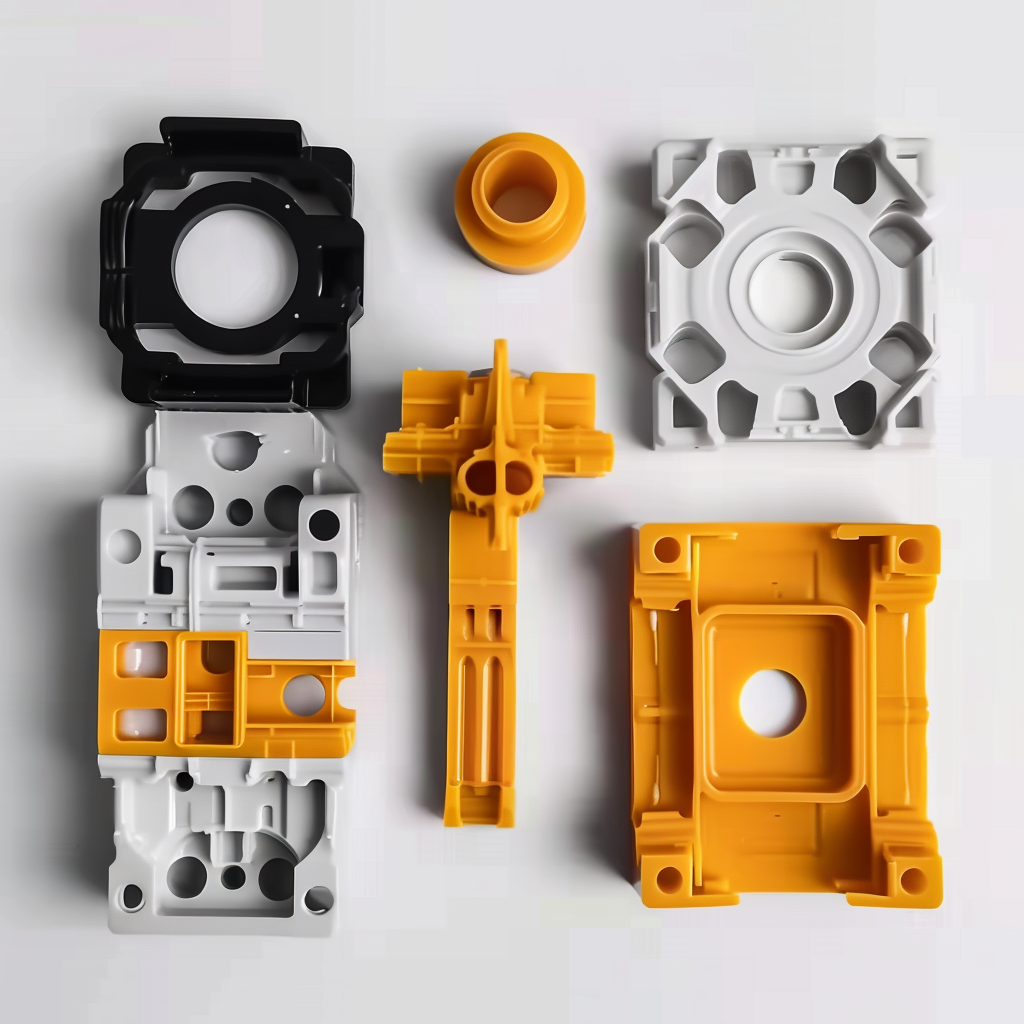
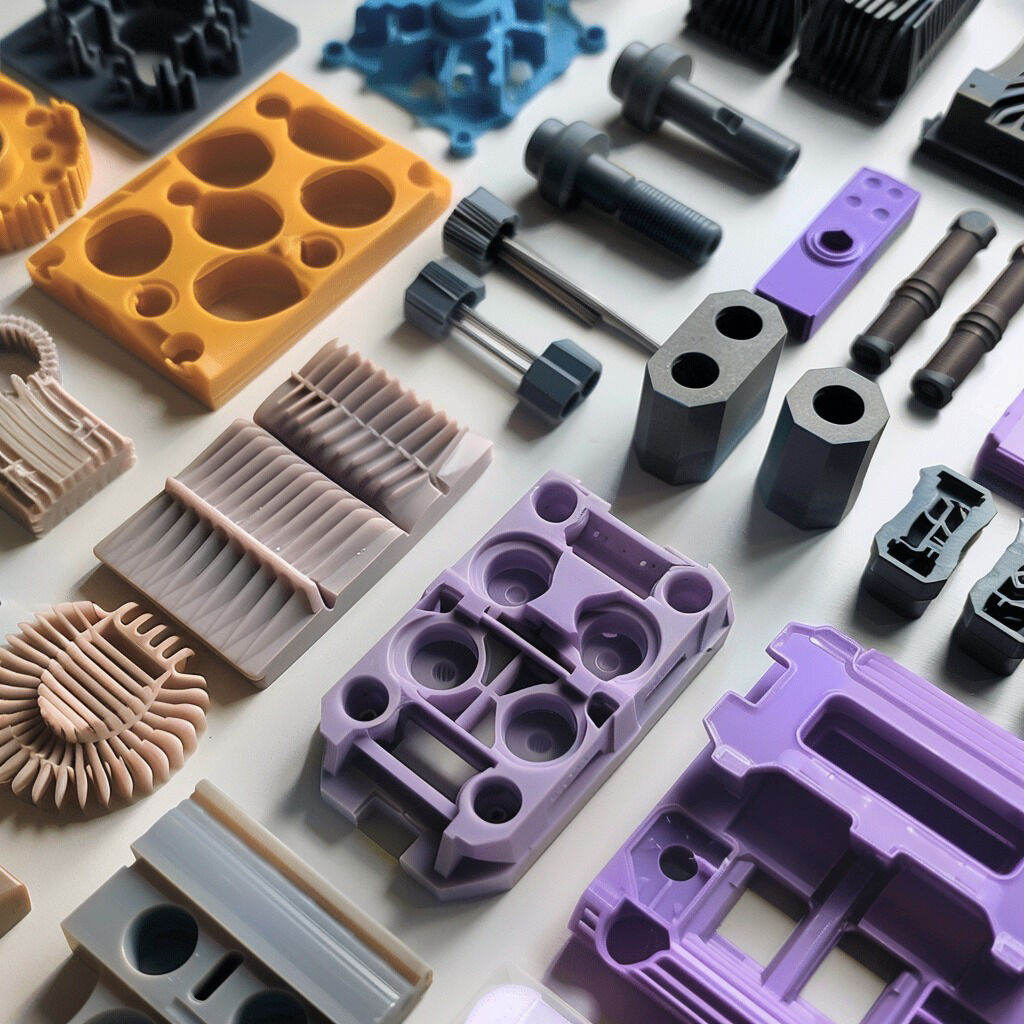
Plastic Injection Molding Manufacturers play a critical role in modern industrial supply chains by delivering scalable, repeatable, and cost-efficient production of complex plastic components. As professional Plastic Injection Molding Manufacturers, advanced factories integrate material engineering, high-precision tooling, intelligent automation, and strict quality management systems to support OEM customers across automotive, medical devices, consumer electronics, lighting, aerospace, and industrial equipment sectors. Plastic Injection Molding Manufacturers provide unmatched flexibility in material selection, from commodity plastics to high-performance engineering polymers, while maintaining tight dimensional tolerances, stable mechanical properties, and consistent cosmetic quality.
Get A Quote

Plastic Injection Molding Manufacturers

Plastic Injection Molding Manufacturers combine advanced polymer science, precision mold engineering, and digital manufacturing systems to deliver high-volume production with consistent quality and superior cost efficiency. Compared with machining or thermoforming, Plastic Injection Molding Manufacturers achieve significantly higher material utilization, faster cycle times, and tighter dimensional repeatability. Modern all-electric injection machines reduce energy consumption by 40–80 percent while improving injection accuracy to ±0.1 percent repeatability. Through closed-loop process control, cavity pressure monitoring, and automated optical inspection, Plastic Injection Molding Manufacturers routinely achieve CPK values above 1.67 and defect rates below 0.5 percent.These advantages enable Plastic Injection Molding Manufacturers to support long-term OEM programs with predictable quality, scalable output, and continuous process optimization aligned with Industry 4.0 standards.

Wide Material Compatibility with Certified Performance Standards

Plastic Injection Molding Manufacturers support more than 300 plastic formulations including PP, ABS, PC, PA, PBT, PPS, PEEK, LCP, medical-grade polymers, flame-retardant compounds, and recycled materials. Certified Plastic Injection Molding Manufacturers validate materials according to UL94 flame ratings, RoHS and REACH compliance, FDA food contact approvals, and biocompatibility standards such as ISO 10993. Chemical resistance testing under ASTM D543 confirms long-term durability against oils, acids, solvents, and industrial chemicals. Impact resistance values exceeding 15 kJ/m² and tensile strength stability above 95 percent after accelerated aging validate performance consistency for demanding environments. This material versatility allows Plastic Injection Molding Manufacturers to serve diversified industries with strict regulatory and functional requirements.

High Dimensional Precision and Repeatable Mass Production Capability

Professional Plastic Injection Molding Manufacturers achieve dimensional tolerances down to ±0.02 mm using hardened steel molds, precision CNC machining, optimized cooling channels, and cavity pressure sensors. Automated process monitoring ensures consistent part weight variation below ±0.3 percent across production volumes exceeding one million units. Optical inspection systems with 99.5 percent detection accuracy verify surface quality, gate integrity, and dimensional conformity. Statistical process control enables Plastic Injection Molding Manufacturers to maintain stable CPK levels above 1.67, supporting automotive IATF 16949 and medical ISO 13485 quality expectations. This repeatability ensures reliable downstream assembly compatibility and long-term product stability.

Exceptional Production Efficiency and Total Cost Optimization

Plastic Injection Molding Manufacturers achieve cycle times ranging from 6 to 35 seconds depending on part geometry and material. High-cavitation molds enable annual output exceeding 10 million parts per production line. Hot runner systems reduce material waste by up to 30 percent, while robotic automation increases overall equipment effectiveness above 85 percent. Compared with CNC machining, Plastic Injection Molding Manufacturers typically reduce unit costs by 40–70 percent in mass production. Energy-efficient electric presses further lower operating costs and carbon footprint, supporting sustainable procurement strategies for global OEM buyers.

Related Products

In extended production validation, Plastic Injection Molding Manufacturers conducted continuous 96-hour unmanned operation trials using engineering-grade PC-ABS housings and precision POM gear components. Average cycle time stabilized at 19.2 seconds with part weight deviation below ±0.25 percent. Dimensional measurements confirmed tolerance stability within ±0.03 mm across 120,000 consecutive parts. Surface gloss variation remained under 2 GU, ensuring cosmetic consistency for consumer electronics applications. Mechanical testing showed tensile strength retention above 97 percent after 1,000 hours of thermal aging at 85°C. Scrap rates remained below 0.6 percent, validating the process stability and reliability delivered by professional Plastic Injection Molding Manufacturers in real-world mass production environments.

Dongguan BIE Hardware Co., Ltd is a technology-driven precision manufacturing enterprise established in 2017 and strategically located in Fenggang Town, Dongguan, one of China’s most mature industrial manufacturing clusters. Operating from a modern production campus exceeding 3,000 square meters, the company integrates CNC machining, sheet metal fabrication, die casting, and large-scale plastic molding into a unified manufacturing ecosystem designed to serve global OEM and Tier-1 customers. As one of the fast-growing Plastic Injection Molding Manufacturers in South China, BIE continuously invests in automation, digital quality control, and advanced tooling capabilities.

The factory operates more than 50 production systems, including all-electric and hybrid injection molding machines ranging from 80 tons to 450 tons clamping force, multi-axis CNC machining centers, robotic handling systems, automated material drying and feeding lines, in-line vision inspection platforms, and coordinate measuring machines capable of micron-level accuracy. Monthly plastic part output exceeds 3 million units with stable traceability and batch consistency. Mold development is supported by CAD/CAM engineering, Moldflow simulation, cooling optimization, and standardized mold maintenance systems that extend mold life beyond one million shots.

BIE’s engineering team consists of mold designers, polymer specialists, automation engineers, and quality engineers with an average industry experience exceeding 10 years. During early project stages, DFM analysis, gate optimization, shrinkage prediction, and tolerance stack-up simulations are conducted to reduce tooling risks and shorten validation cycles by approximately 30 percent. Internal PPAP documentation, control plans, and FMEA procedures ensure structured quality deployment for automotive and medical customers.

The company maintains strict quality governance under ISO 9001:2015, ISO 14001:2015, ISO 45001:2018, and RoHS compliance frameworks. Key process parameters including melt temperature, injection pressure, clamp force, cooling time, and cavity balance are monitored in real time through SPC systems. Measurement capability includes CMM dimensional inspection, surface roughness analysis, material traceability tracking, and mechanical performance verification. Annual third-party audit pass rates exceed 98 percent, demonstrating consistent compliance and operational discipline.

BIE supplies precision plastic and metal components to customers in automotive electronics, medical enclosures, LED optics, consumer electronics housings, and industrial automation assemblies. Export revenue represents more than 70 percent of annual sales, serving North America and Europe with on-time delivery performance above 96 percent. ERP-driven production scheduling, lean material flow, and automated packaging systems ensure predictable lead times and stable logistics performance.

Customer service operates under a 24/7 technical support model with bilingual engineering response. Tooling spare parts availability exceeds 95 percent within 48 hours, reducing downtime risk for long-term programs. Continuous reinvestment accounts for approximately 6 percent of annual revenue, supporting equipment upgrades, workforce training, and digital manufacturing initiatives aligned with sustainable manufacturing goals.

Through scalable capacity, regulatory compliance, intelligent automation, and disciplined quality control, BIE strengthens its position among professional Plastic Injection Molding Manufacturers serving global OEM supply chains with long-term reliability and cost competitiveness.

FAQ

What industries do Plastic Injection Molding Manufacturers typically serve?

Plastic Injection Molding Manufacturers serve automotive, medical devices, consumer electronics, lighting, aerospace, packaging, industrial automation, and renewable energy sectors. These industries require consistent dimensional accuracy, regulatory compliance, traceability, and scalable production capacity. Certified Plastic Injection Molding Manufacturers meet ISO, RoHS, UL, FDA, and IATF standards, enabling reliable long-term supply for safety-critical and high-volume applications.
Plastic Injection Molding Manufacturers utilize closed-loop servo injection control, cavity pressure sensors, automated optical inspection, SPC monitoring, preventive mold maintenance, and standardized work instructions. These systems maintain stable CPK levels above 1.67, defect rates below 0.5 percent, and dimensional repeatability within ±0.03 mm over extended production cycles.
Typical mold development requires 25–45 days depending on complexity. Pilot validation generally requires 7–14 days. Once approved, Plastic Injection Molding Manufacturers can scale production to hundreds of thousands or millions of parts per month with stable delivery schedules supported by ERP planning systems.

More Posts

What is the Application Prospect of forging parts in the New Energy Field? Market Analysis

31

Jan

What is the Application Prospect of forging parts in the New Energy Field? Market Analysis

Forging Parts at the Core of the Global Energy Transition As the global push toward carbon neutrality accelerates, the transformation of the energy structure is no longer limited to end products such as electric vehicles, wind turbines, or hydrogen s...
View More
What are the Latest cnc manufacturing Technologies? Industry Development Trends

31

Jan

What are the Latest cnc manufacturing Technologies? Industry Development Trends

From Traditional CNC to Smart Manufacturing: A Project Manager’s Perspective As a project manager overseeing product development in a competitive industrial landscape, keeping pace with the latest CNC manufacturing technologies is critical. No ...
View More
What is the Processing Flow of pressure die casting? Detailed Step-by-Step Analysis

31

Jan

What is the Processing Flow of pressure die casting? Detailed Step-by-Step Analysis

A Detailed Step-by-Step Analysis for Global Buyers When holding a modern smartphone, automotive component, or smart home device, few people realize that many of the lightweight yet structurally complex metal parts inside are produced through pressure...
View More
What are the Common Quality Issues with machining services? Prevention and Solutions

31

Jan

What are the Common Quality Issues with machining services? Prevention and Solutions

The Critical Importance of Quality in Machining Services In today's precision manufacturing landscape, machining services play a vital role across automotive, aerospace, electronics, and industrial automation sectors. The ability to produce complex c...
View More

Customer Reviews

Michael Turner

“Working with professional Plastic Injection Molding Manufacturers significantly improved our assembly yield rate. Dimensional consistency stayed within ±0.02 mm across six production batches, and defect levels dropped below 0.4 percent. Their documentation and traceability simplified our regulatory audits.”

Sofia Martinez

“Our sourcing strategy shifted toward Plastic Injection Molding Manufacturers due to their stable lead times and predictable cost structure. Energy-efficient production and automated inspection helped us reduce overall supply chain risk while maintaining cosmetic consistency for premium consumer products.”

Daniel Fischer

“Plastic Injection Molding Manufacturers provided strong engineering support during mold optimization. Cycle time reductions of 18 percent improved our throughput, while material utilization efficiency increased by 22 percent. Long-term quality stability exceeded our expectations.”

Get a Free Quote

Our representative will contact you soon.
Email
Name
Company Name
Message
0/1000
Attachment
Please upload at least an attachment
Up to 3 files,more 30mb,suppor jpg、jpeg、png、pdf、doc、docx、xls、xlsx、csv、txt、stp、step、igs、x_t、dxf、prt、sldprt、sat、rar、zip
Validated High-Precision Dimensional Stability in Continuous Production

Validated High-Precision Dimensional Stability in Continuous Production

Plastic Injection Molding Manufacturers achieved ±0.03 mm dimensional stability across 150,000 consecutive parts verified by CMM inspection and SPC monitoring. CPK remained above 1.72, meeting automotive PPAP acceptance criteria. Automated optical inspection achieved 99.6 percent detection accuracy, reducing manual inspection labor by 40 percent while maintaining consistent cosmetic quality.
Energy-Efficient and Sustainable Manufacturing Performance

Energy-Efficient and Sustainable Manufacturing Performance

Plastic Injection Molding Manufacturers reduced energy consumption by 62 percent through all-electric servo injection systems compared with hydraulic presses. Annual carbon emissions decreased by approximately 18 percent per production line. RoHS compliance and recycled material utilization exceeding 20 percent supported sustainable procurement programs for multinational OEM customers.
High-Volume Scalability with Proven Cost Optimization Metrics

High-Volume Scalability with Proven Cost Optimization Metrics

Plastic Injection Molding Manufacturers sustained OEE above 88 percent during 120-hour unmanned operation trials. Unit production cost decreased by 45 percent compared with machining alternatives. Hot runner systems reduced resin waste by 28 percent while maintaining stable melt balance and cosmetic surface quality verified by ISO audit sampling.

Copyright © Dongguan BIE Hardware Co., Ltd  -  Privacy policy