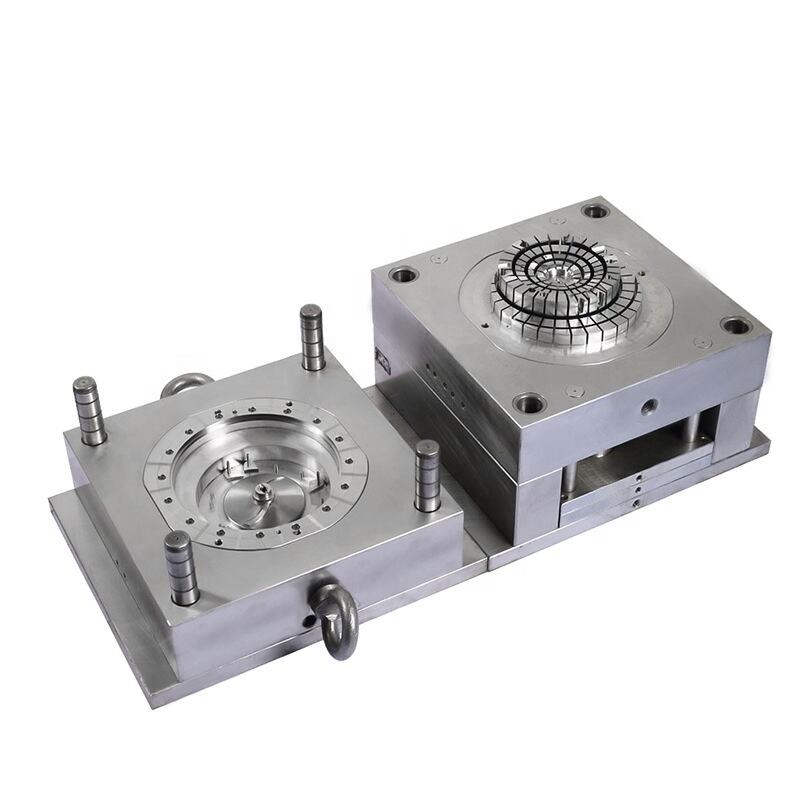
Plastic Injection Molding Companies for OEM Manufacturing and Industrial Supply

Plastic Injection Molding Companies for High Precision OEM Manufacturing and Scalable Industrial Supply

Plastic Injection Molding Companies play a critical role in modern global manufacturing by delivering high-precision plastic components with exceptional consistency, scalability, and regulatory compliance. Leading Plastic Injection Molding Companies utilize hundreds of thermoplastic and thermoset materials ranging from PP, ABS, and PC to advanced engineering plastics such as PA, PPS, and PEEK, enabling lightweight structures, chemical resistance, electrical insulation, and thermal stability exceeding 250°C.
Get A Quote

Plastic Injection Molding Companies

Professional Plastic Injection Molding Companies integrate advanced material science, high-precision tooling, intelligent automation, and certified quality management systems to support large-scale industrial manufacturing. Production cycle times typically range from 8–45 seconds depending on part complexity, allowing annual output exceeding several million parts per mold. Electric injection machines reduce energy consumption by 40–80% compared to hydraulic systems, while automated inspection systems maintain defect rates below 0.5%. ISO 9001, ISO 14001, ISO 45001, and RoHS certifications guarantee traceability, regulatory compliance, and environmental responsibility. These operational advantages allow Plastic Injection Molding Companies to deliver predictable quality, scalable capacity, and competitive unit economics for global B2B clients.

Certified Material Versatility and Performance Reliability

Plastic Injection Molding Companies process more than 300 material grades, including UL94 V-0 flame-retardant resins, ISO 10993 biocompatible polymers, chemically resistant PPS, and high-temperature PEEK rated above 250°C. Glass-fiber reinforced compounds achieve tensile strength above 120 MPa while maintaining low density below 1.6 g/cm³. This certified material portfolio supports automotive durability, medical safety, and electronics insulation performance.

Ultra-High Precision with Automated Quality Control

Closed-loop pressure control, mold temperature sensors, SPC monitoring, and automated optical inspection enable Plastic Injection Molding Companies to maintain dimensional tolerance of ±0.02 mm with Cpk ≥1.67. Continuous MES traceability ensures batch stability above 99.5% repeatability across high-volume production exceeding one million units annually.

Scalable Economics and Sustainable Manufacturing

Multi-cavity molds, rapid mold change systems under 10 minutes, and robotic handling reduce labor cost by up to 50% while increasing throughput by more than 250%. Regrind recycling keeps material waste below 3%, and electric machines reduce carbon emissions by up to 45%, supporting ESG procurement goals.

Related Products

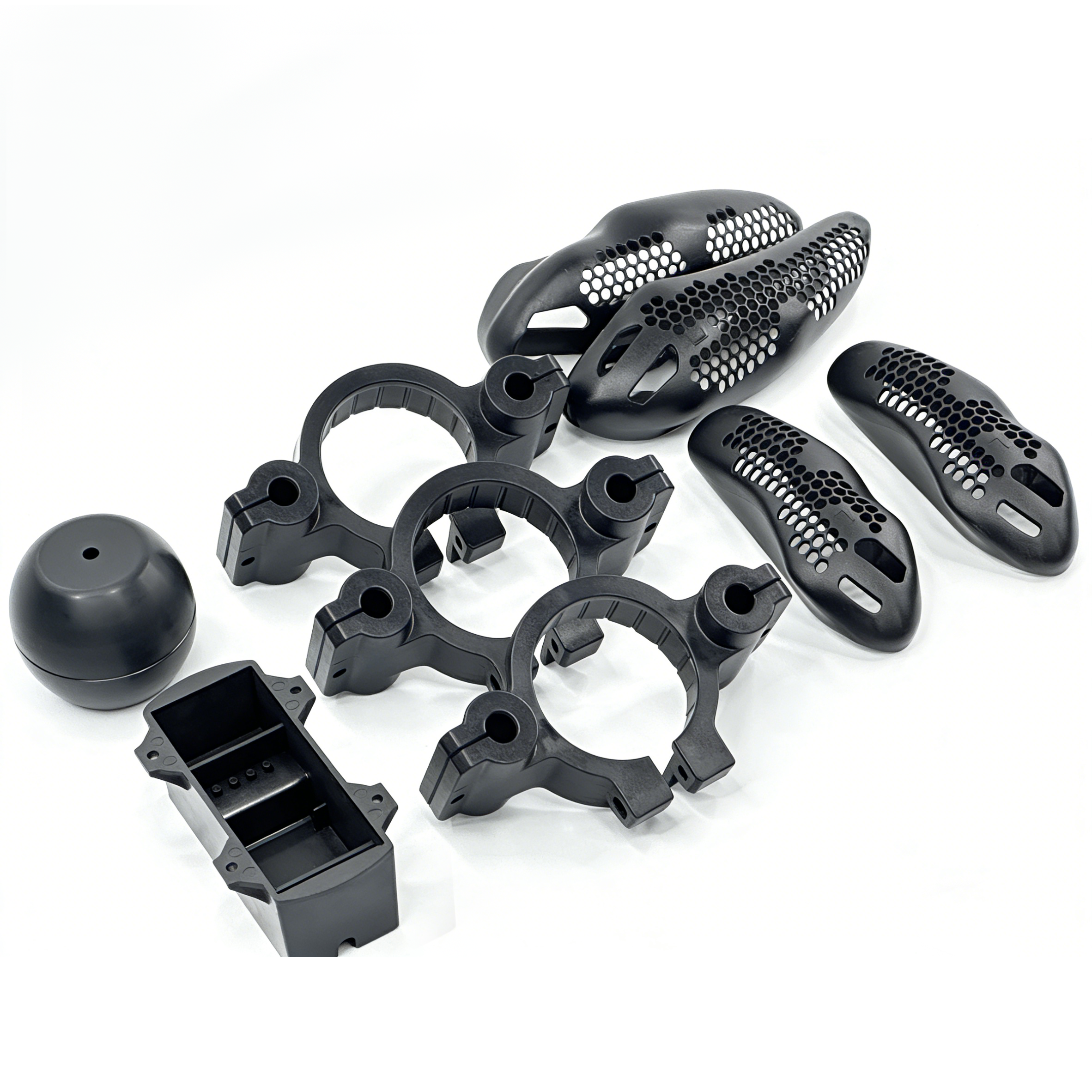
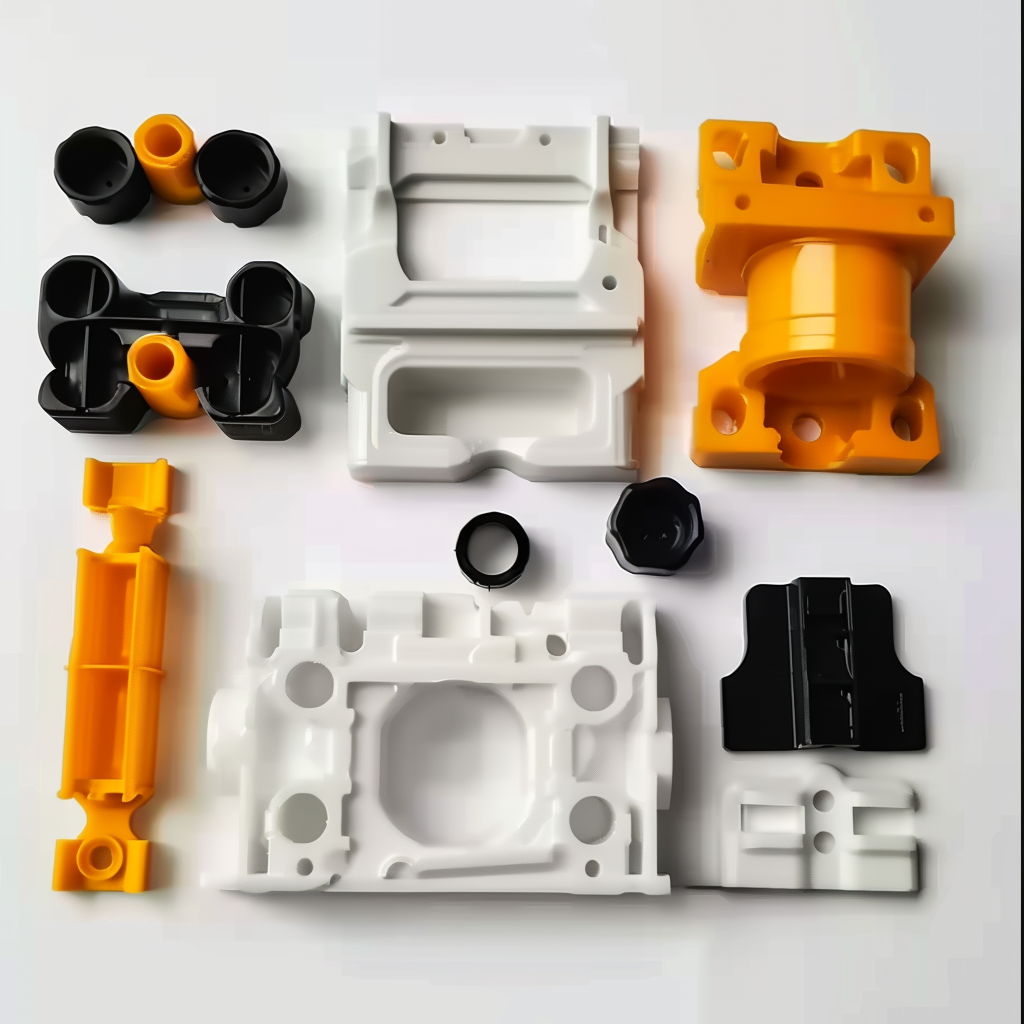
During continuous production validation, Plastic Injection Molding Companies maintained stable process capability over 720,000 molding cycles without dimensional drift. Thin-wall housings at 0.35 mm wall thickness achieved flatness deviation below 0.05 mm after 1,000 hours of thermal aging at 85°C. Insert-molded connectors passed dielectric testing at 1,500 V with insulation resistance above 1,200 MΩ. Surface gloss deviation remained under 5 GU across batches, confirming tooling stability. Automated vision inspection kept defect rates below 0.38%, validating long-term production reliability and process consistency.

Dongguan BIE Hardware Co., Ltd is a vertically integrated precision manufacturing enterprise established in 2017 and headquartered in Fenggang Town, Dongguan, Guangdong Province—one of China’s most advanced industrial manufacturing corridors. Operating from a modern facility exceeding 3,000 square meters, BIE functions as a comprehensive production platform supporting CNC machining, sheet metal fabrication, die casting, and high-volume plastic injection molding services for global OEM customers.

As one of the rapidly expanding Plastic Injection Molding Companies in Southern China, BIE continuously invests in intelligent manufacturing infrastructure. The factory operates more than 25 injection molding machines ranging from 80T to 500T clamping force, equipped with robotic unloading systems, centralized material drying lines, closed-loop chilled water systems, and MES digital production tracking. Annual production capacity exceeds 6 million precision components with full batch traceability covering resin sourcing, tooling maintenance history, molding parameters, inspection data, and shipment documentation.

Engineering capabilities include mold flow simulation, structural optimization, DFM validation, tolerance stack analysis, and rapid tooling development. Typical mold development cycles range from 18 to 30 days depending on complexity, supporting accelerated product launch timelines for international customers. Engineering change management ensures controlled revisions with documented validation records.

Quality assurance operates under ISO 9001:2015, ISO 14001:2015, ISO 45001:2018, and RoHS frameworks. Incoming material inspection, in-process SPC audits, automated vision inspection, CMM dimensional validation, and functional testing ensure consistent conformity. Critical dimensions maintain Cpk ≥1.67 with quarterly calibration programs ensuring traceable measurement accuracy.

Sustainability initiatives include electric injection machines reducing energy consumption by up to 65%, closed-loop cooling systems reducing water usage by 35%, and selective use of recycled polymers where regulatory compliance allows. Packaging optimization reduces logistics waste while maintaining transit protection standards.

BIE supports flexible order volumes from pilot runs of 500 units to mass production exceeding one million units annually. Average on-time delivery exceeds 98%. Multilingual technical teams provide responsive engineering support for North American and European customers, positioning BIE as a long-term strategic partner among professional Plastic Injection Molding Companies.

FAQ

What industries do Plastic Injection Molding Companies typically support?

Automotive, medical devices, electronics, energy systems, industrial automation, lighting, and consumer products requiring certified materials and precision manufacturing.
Through ISO-certified systems, SPC monitoring, automated inspection, mold preventive maintenance, and MES traceability.
From low-volume prototyping to multi-million unit annual production using multi-cavity tooling and automation.

More Posts

What are the Key Indicators for Judging precision metal fabricators Quality? Testing Methods

31

Jan

What are the Key Indicators for Judging precision metal fabricators Quality? Testing Methods

In the world of modern manufacturing, the term “precision” carries far more weight than simple adherence to drawings. Many companies claim tight tolerances, yet when parts are assembled, inconsistencies emerge. For engineers and procureme...
View More
Why is There a Big Price Difference in custom plastic injection molding services Among Different Suppliers?

31

Jan

Why is There a Big Price Difference in custom plastic injection molding services Among Different Suppliers?

In global manufacturing procurement, custom plastic injection molding services are among the most widely used production solutions across automotive, electronics, medical devices, industrial equipment, and consumer goods. Yet for many purchasing mana...
View More
What are the Precision Control Methods for cnc milling and turning? Technical Key Points

31

Jan

What are the Precision Control Methods for cnc milling and turning? Technical Key Points

In the modern manufacturing landscape, precision is no longer optional—it is a fundamental requirement. CNC milling and turning have emerged as cornerstone technologies for producing complex parts with exacting tolerances, particularly in autom...
View More
What is the Market Price Range of cnc production? Analysis of Key Cost Factors

31

Jan

What is the Market Price Range of cnc production? Analysis of Key Cost Factors

In today’s manufacturing landscape, CNC production has become a cornerstone for precision parts fabrication across industries ranging from automotive to aerospace and electronics. However, a recurring challenge for procurement managers and prod...
View More

Customer Reviews

Andrew Miller

The Plastic Injection Molding Companies maintained ±0.02 mm tolerance across 600,000 automotive parts with zero shipment delays.

Lisa Wong

Medical housings met biocompatibility validation and passed accelerated aging tests. Process stability was outstanding.

Carlos Ramirez

Thin-wall electronic enclosures achieved consistent surface quality and low defect rates below 0.4%.

Get a Free Quote

Our representative will contact you soon.
Email
Name
Company Name
Message
0/1000
Attachment
Please upload at least an attachment
Up to 3 files,more 30mb,suppor jpg、jpeg、png、pdf、doc、docx、xls、xlsx、csv、txt、stp、step、igs、x_t、dxf、prt、sldprt、sat、rar、zip
Ultra-Precision Thin-Wall Manufacturing Capability

Ultra-Precision Thin-Wall Manufacturing Capability

Achieves stable wall thickness down to 0.3 mm with ±0.02 mm tolerance validated by CMM inspection and ISO SPC monitoring across mass production.
Advanced Insert Molding and Functional Integration

Advanced Insert Molding and Functional Integration

Supports metal inserts, electronics encapsulation, and IP67 sealing with ultrasonic welding validation reducing assembly labor by 45%.
Sustainable High-Volume Automation Platform

Sustainable High-Volume Automation Platform

Electric machines reduce energy usage up to 70%, waste below 3%, and carbon footprint aligned with ESG compliance requirements.

Copyright © Dongguan BIE Hardware Co., Ltd  -  Privacy policy