Plastic Injection Molding Company for High Volume Manufacturing and Global Distribution

Plastic Injection Molding for Scalable OEM Manufacturing, High Precision Components, and Global Industrial Supply

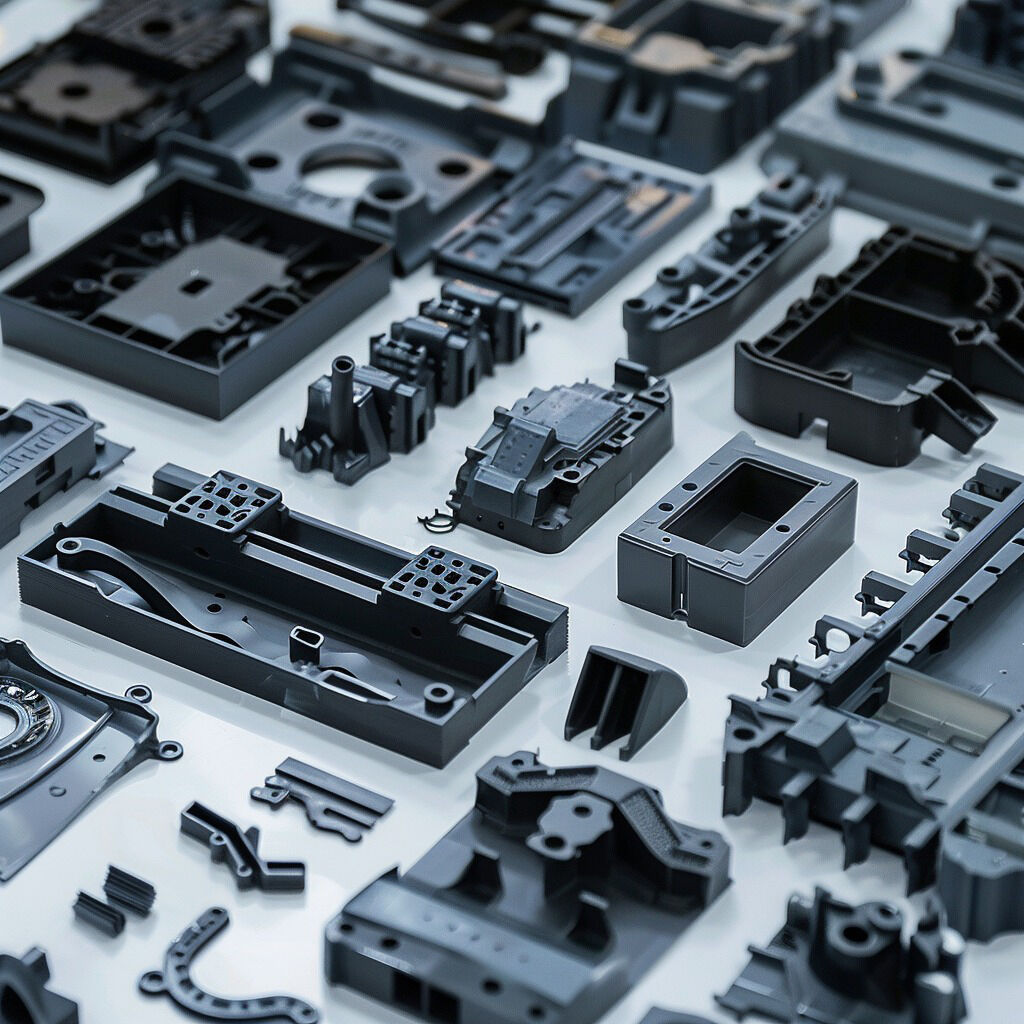
Plastic Injection Molding is one of the most reliable and scalable manufacturing technologies for producing high-precision plastic components across automotive, medical, electronics, industrial equipment, and consumer markets. Modern Plastic Injection Molding supports hundreds of thermoplastic and thermoset materials, enabling lightweight structures, high strength-to-weight ratios, chemical resistance, electrical insulation, and thermal stability exceeding 250°C for engineering polymers such as PEEK and PPS. Through automated molding cells, closed-loop process control, multi-cavity tooling, and digital MES traceability, Plastic Injection Molding delivers consistent dimensional accuracy within ±0.02 mm and defect rates below 0.5% in million-unit production cycles.
Get A Quote

Plastic Injection Molding

Plastic Injection Molding integrates advanced material science, high-precision tooling, automated robotics, and intelligent process monitoring to achieve repeatable manufacturing performance at industrial scale. Typical molding cycle times range from 8 to 45 seconds depending on geometry and resin selection, allowing annual output exceeding several million parts per mold. Closed-loop servo systems maintain injection pressure and temperature deviations within ±1%, while automated optical inspection reduces human error and keeps defect rates under 0.5%. Electric injection machines reduce energy consumption by 40–80% compared with hydraulic systems, supporting ESG procurement strategies. ISO 9001, ISO 14001, ISO 45001, and RoHS certification frameworks ensure traceability, regulatory compliance, and environmental responsibility. These advantages make Plastic Injection Molding a proven manufacturing backbone for high-volume OEM programs and global supply chains.

Material Diversity with Certified Mechanical and Thermal Performance

Plastic Injection Molding supports more than 300 commercially available polymer grades, including PP, ABS, PC, PA, PPS, and PEEK. Glass-fiber reinforced materials achieve tensile strength above 120 MPa while maintaining density below 1.6 g/cm³. Medical-grade polymers comply with ISO 10993 biocompatibility standards, while flame-retardant compounds reach UL94 V-0 ratings. Engineering plastics maintain dimensional stability at continuous temperatures above 200°C, enabling demanding industrial and electronic applications.

High Precision, Repeatability, and Automated Quality Assurance

Modern Plastic Injection Molding achieves dimensional tolerances of ±0.02 mm with Cpk ≥1.67 through mold temperature control, cavity pressure sensors, and SPC monitoring. Automated vision inspection systems validate surface quality and dimensional conformity at production speeds exceeding 30 parts per minute. MES traceability records resin batch, tooling cycles, and process parameters, ensuring audit readiness and long-term quality consistency.

Economies of Scale and Sustainable Manufacturing Efficiency

Multi-cavity molds and robotic handling reduce labor cost by up to 50% while increasing throughput by more than 200%. Regrind recycling limits material waste below 3%. Electric molding platforms reduce carbon emissions by approximately 45%, supporting corporate sustainability goals and lowering total cost of ownership for long-term OEM programs.

Related Products

In extended production validation using Plastic Injection Molding, continuous runs exceeding 700,000 cycles demonstrated stable cavity pressure control with no measurable dimensional drift. Thin-wall housings with 0.35 mm wall thickness maintained flatness deviation below 0.05 mm after 1,000 hours of thermal aging at 85°C. Insert-molded electrical connectors passed dielectric withstand testing at 1,500 V with insulation resistance exceeding 1,200 MΩ. Surface gloss deviation remained under 5 GU across batches, confirming tooling stability and material consistency. Automated optical inspection maintained defect rates below 0.4%, validating long-term reliability for mass production programs using Plastic Injection Molding.

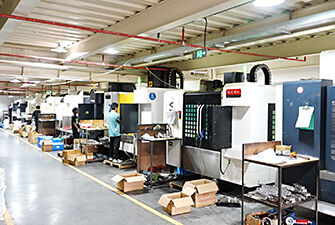
Dongguan BIE Hardware Co., Ltd is a vertically integrated precision manufacturing enterprise founded in 2017 and located in Fenggang Town, Dongguan, Guangdong Province, one of China’s most mature industrial clusters for advanced manufacturing. The company operates a modern production facility exceeding 3,000 square meters and provides one-stop manufacturing services covering CNC machining, sheet metal fabrication, die casting, and Plastic Injection Molding for global OEM customers.

As a specialized Plastic Injection Molding supplier, BIE has invested heavily in intelligent manufacturing infrastructure. The factory operates more than 25 injection molding machines ranging from 80 tons to 500 tons clamping force, equipped with servo electric drives, robotic part handling, centralized material drying systems, and closed-loop chilled water temperature control. Annual molding capacity exceeds 6 million precision components, supported by digital MES systems that provide full traceability from raw material lot numbers to final shipment documentation.

BIE’s engineering team delivers comprehensive product development support, including mold flow simulation, structural optimization, DFM validation, tolerance stack analysis, and rapid tooling development. Typical mold development cycles range from 18 to 30 days depending on complexity, enabling faster market entry for customers launching new products. Multi-cavity tooling, hot runner systems, and automated mold change platforms improve equipment utilization and reduce downtime.

Quality assurance is governed by ISO 9001:2015, ISO 14001:2015, ISO 45001:2018, and RoHS certification systems. Incoming material inspection verifies melt flow index, moisture content, and supplier compliance. In-process SPC audits monitor cavity pressure, cycle time, and dimensional stability. Coordinate measuring machines, optical comparators, and functional testing equipment ensure conformance with customer specifications. Key production dimensions maintain Cpk ≥1.67 with quarterly calibration programs to ensure measurement traceability.

Sustainability initiatives include deployment of electric molding machines reducing energy consumption by up to 65%, closed-loop water systems reducing water usage by approximately 35%, and selective adoption of recycled polymers where regulatory requirements allow. Packaging optimization reduces logistics waste while maintaining transit protection standards for international shipping.

BIE supports flexible order volumes ranging from pilot production of 500 units to mass production exceeding one million units annually. Average on-time delivery performance exceeds 98%, supported by ERP scheduling and predictive maintenance programs. Multilingual engineering and sales teams provide responsive technical support for customers across North America and Europe. By combining advanced Plastic Injection Molding capabilities with disciplined quality systems and long-term partnership philosophy, BIE delivers reliable manufacturing solutions that support sustainable growth for global clients.

FAQ

What product types are best suited for Plastic Injection Molding?

Plastic Injection Molding is ideal for high-volume production of complex components requiring tight tolerances, consistent surface finish, and material performance stability. Typical applications include automotive interior parts, medical device housings, electrical connectors, industrial enclosures, consumer electronics shells, gears, and precision structural components. The process supports thin-wall parts down to 0.3 mm, integrated snap features, sealing ribs for IP67 protection, and insert molding for metal or electronic integration. Certification requirements such as UL94, ISO 10993, and RoHS can be achieved depending on material selection and validation protocols.
Quality control in Plastic Injection Molding relies on closed-loop machine control, mold temperature stabilization, cavity pressure monitoring, and automated inspection systems. Statistical process control maintains Cpk above 1.67 for critical dimensions. MES platforms capture real-time data including resin batch, cycle parameters, and inspection results, ensuring full traceability. Preventive mold maintenance schedules reduce wear-related deviations, while automated vision systems detect cosmetic and dimensional defects at production speeds exceeding 30 parts per minute.
Plastic Injection Molding supports sustainability through electric machines that reduce energy consumption by up to 80%, material recycling programs that limit waste below 3%, and lightweight part design that reduces downstream transportation emissions. Advanced materials including bio-based polymers and recycled resins further reduce environmental impact. Digital process optimization minimizes scrap and improves yield, contributing to lower carbon footprint across the manufacturing lifecycle.

More Posts

Why is There a Big Price Difference in cnc turned parts manufacturer Among Different Suppliers?

31

Jan

Why is There a Big Price Difference in cnc turned parts manufacturer Among Different Suppliers?

In the world of precision machining, procurement professionals often encounter a puzzling scenario: the same part drawing receives wildly different quotes from multiple suppliers. Last week, an engineer sent a 3D CAD file of a connecting shaft to thr...
View More
What Special Requirements Does the Aerospace Industry Have for steel forging? Standard Interpretation

31

Jan

What Special Requirements Does the Aerospace Industry Have for steel forging? Standard Interpretation

An Expert Interpretation of Aerospace Standards and Manufacturing Reality In aerospace engineering, steel forgings are not treated as ordinary structural components. They are regarded as safety-critical load-bearing elements whose failure could direc...
View More
What are the Latest aluminum cnc machining service Technologies? Industry Development Trends

31

Jan

What are the Latest aluminum cnc machining service Technologies? Industry Development Trends

As lightweight design becomes a structural requirement rather than an optimization option, aluminum cnc machining service is playing an increasingly critical role across industries such as new energy vehicles, aerospace, industrial automation, and co...
View More
What are the Key Indicators for Judging aluminium alloy for casting Quality? Testing Methods

31

Jan

What are the Key Indicators for Judging aluminium alloy for casting Quality? Testing Methods

Dongguan BIE Hardware Co., Ltd has decades of experience in supplying high-quality injection molded plastic parts for industries ranging from automotive to electronics and medical devices. Despite their prevalence, ensuring consistent quality remains...
View More

Customer Reviews

Michael Turner

Our Plastic Injection Molding program achieved ±0.02 mm tolerance across 850,000 automotive components with zero late deliveries. The traceability system simplified audit preparation and reduced quality incidents by over 30%.

Sophia Chen

Medical housings manufactured through Plastic Injection Molding passed accelerated aging, chemical resistance, and biocompatibility testing. Process repeatability exceeded expectations, and defect rates remained below 0.4% throughout production.

David Alvarez

We achieved stable thin-wall performance at 0.35 mm using Plastic Injection Molding with excellent surface finish consistency. Energy savings from electric machines reduced operating cost by approximately 40% annually.

Get a Free Quote

Our representative will contact you soon.
Email
Name
Company Name
Message
0/1000
Attachment
Please upload at least an attachment
Up to 3 files,more 30mb,suppor jpg、jpeg、png、pdf、doc、docx、xls、xlsx、csv、txt、stp、step、igs、x_t、dxf、prt、sldprt、sat、rar、zip
Ultra-Thin Wall Precision Capability

Ultra-Thin Wall Precision Capability

Plastic Injection Molding achieves stable production of wall thickness down to 0.3 mm with dimensional tolerance within ±0.02 mm validated by CMM measurement. Thermal aging tests at 85°C for 1,000 hours showed deformation below 0.05 mm. SPC monitoring maintained Cpk ≥1.67 across mass production exceeding 500,000 units, confirming long-term dimensional stability.
Integrated Insert Molding and Functional Consolidation

Integrated Insert Molding and Functional Consolidation

Plastic Injection Molding supports metal inserts, embedded electronics, and magnetic components within a single molding cycle. Pull-out strength exceeded 1,200 N in mechanical validation tests, while dielectric insulation exceeded 1,500 V. Integrated assembly reduced secondary operations by 45% and shortened total assembly cycle time by 30%, improving overall system efficiency.
Energy-Efficient Intelligent Manufacturing Platform

Energy-Efficient Intelligent Manufacturing Platform

Electric Plastic Injection Molding machines reduced power consumption by 65% compared with hydraulic platforms. Closed-loop cooling reduced water usage by 35%. Scrap rate remained below 2.8% through AI-assisted parameter optimization. Compliance with ISO 14001 supports corporate sustainability reporting and ESG procurement standards.

Copyright © Dongguan BIE Hardware Co., Ltd  -  Privacy policy