Mold Manufacturing: Precision, Durability & 65% Cost Savings

Mold Manufacturing Solutions for High Precision Industrial Production and Scalable OEM Supply

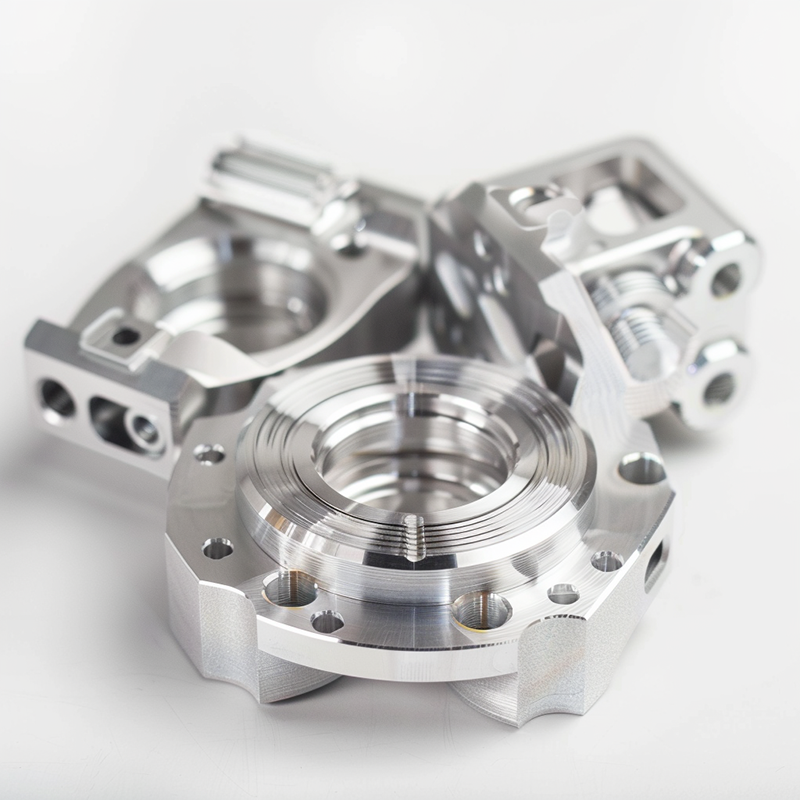
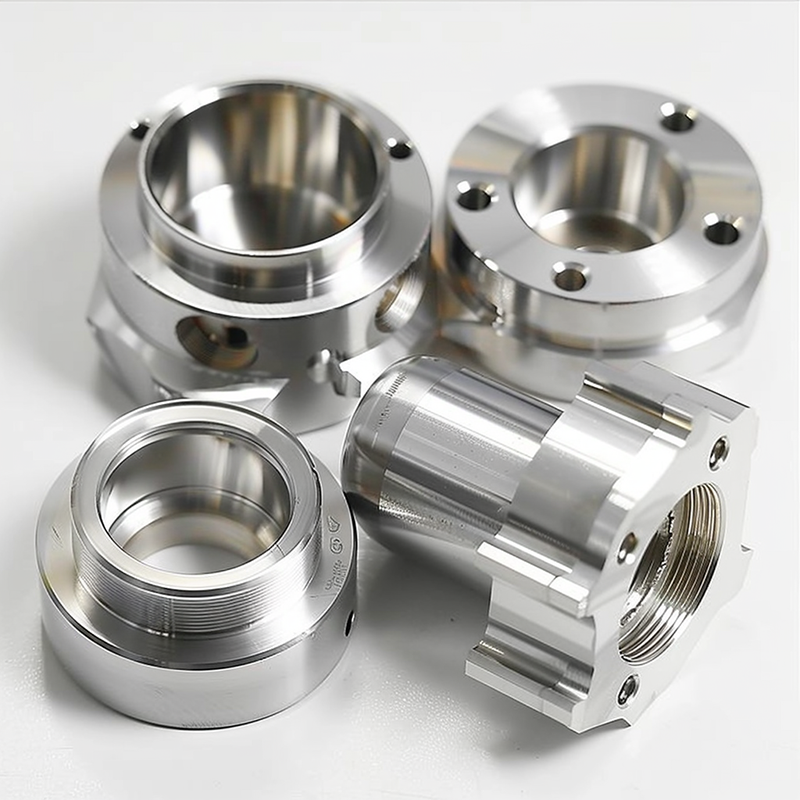
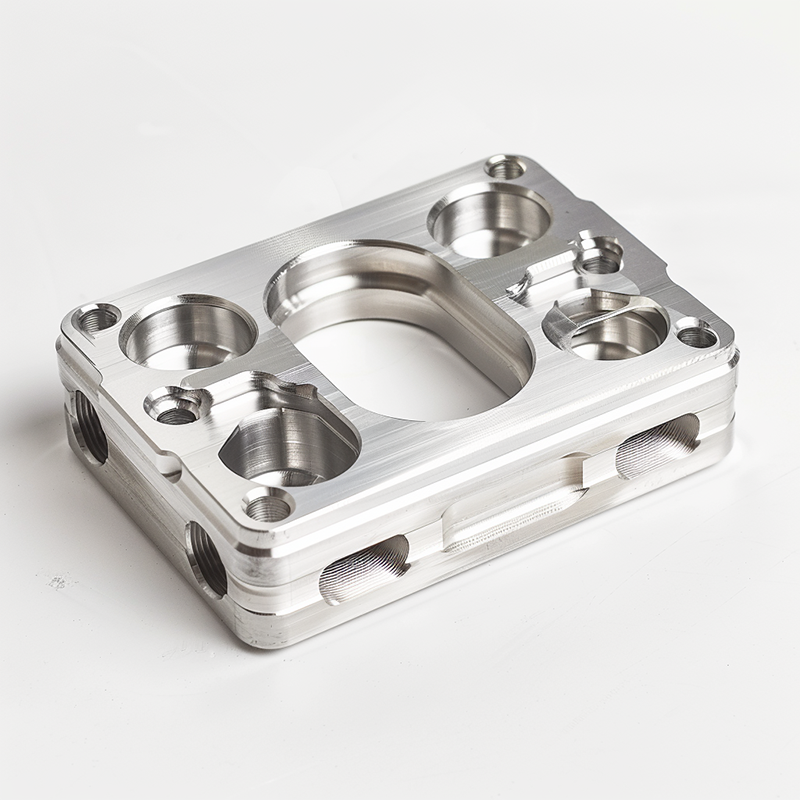
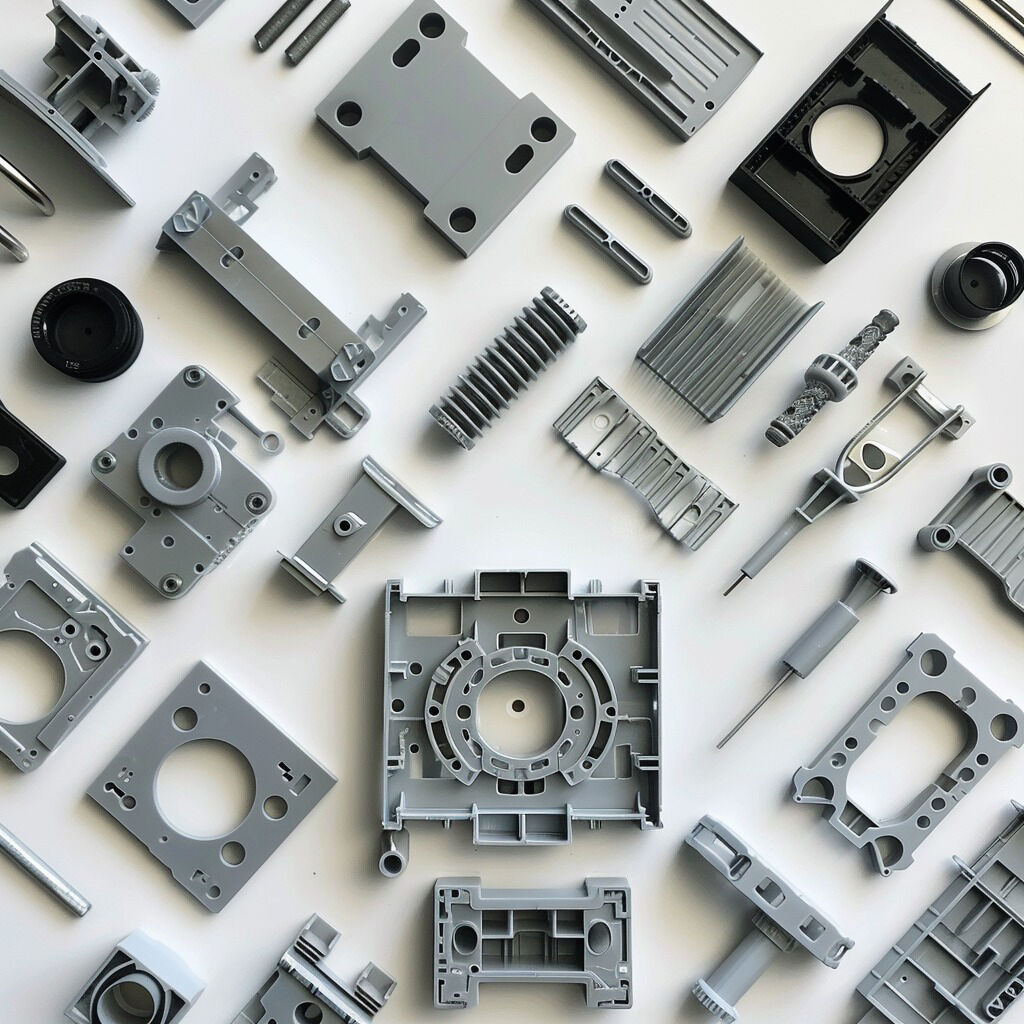
Mold Manufacturing is the foundation of high-volume industrial production, enabling manufacturers to achieve exceptional dimensional accuracy, repeatability, and long-term cost efficiency across multiple industries. From automotive structural components and medical device housings to consumer electronics enclosures and industrial equipment parts, Mold Manufacturing supports complex geometries, thin-wall designs, multi-material integration, and superior surface finishes. Modern Mold Manufacturing integrates CAD/CAM engineering, CNC machining, EDM precision processing, and automated quality control to deliver molds capable of exceeding one million production cycles with stable tolerances of ±0.02 mm. With the adoption of Industry 4.0 monitoring, hot runner systems, and advanced tool steels such as H13 and S136, Mold Manufacturing ensures predictable cycle times, minimized scrap rates below 1.5 percent, and scalable production capacity for OEM and contract manufacturers.
Get A Quote

Mold Manufacturing

Mold Manufacturing delivers measurable operational advantages for B2B manufacturers by combining high production efficiency, extreme dimensional consistency, and scalable cost optimization. Through precision machining, hardened tool steels, and intelligent process control, Mold Manufacturing achieves stable part quality over millions of cycles while maintaining low defect rates and predictable production output. Data from industrial tooling benchmarks shows that optimized Mold Manufacturing reduces unit cost by up to 65 percent at scale compared to machining-based alternatives. Certified Mold Manufacturing environments operating under ISO 9001 and ISO 14001 ensure traceability, material compliance, and continuous quality improvement, providing buyers with consistent supply reliability and regulatory confidence.

Ultra-High Dimensional Accuracy and Repeatability in Mold Manufacturing

Mold Manufacturing achieves dimensional tolerances commonly within ±0.02 mm through multi-axis CNC machining, EDM finishing, and precision polishing processes. Cavity alignment accuracy typically exceeds 0.01 mm, ensuring consistent part geometry across high-volume runs exceeding one million cycles. Statistical Process Control data from automotive mold programs shows CpK values above 1.67 for critical dimensions when Mold Manufacturing utilizes hardened steel tooling and temperature-controlled molding environments. Compliance with ISO 9001 quality systems and PPAP documentation ensures traceability and continuous improvement throughout Mold Manufacturing operations.

Superior Production Efficiency and Cost Scalability in Mold Manufacturing

Mold Manufacturing supports cycle times as short as 8–20 seconds for standard components and enables fully automated lights-out production lines. When annual volumes exceed 200,000 units, Mold Manufacturing typically reduces per-part cost by 40–70 percent compared with CNC machining or casting alternatives. Hot runner systems further reduce material waste by up to 30 percent, while automated mold change systems decrease downtime by over 60 percent. Lean manufacturing metrics confirm that optimized Mold Manufacturing improves Overall Equipment Effectiveness above 85 percent in mature production environments.

Long Tool Life and Stable Asset Utilization in Mold Manufacturing

High-grade tool steels such as H13, S136, and NAK80 enable Mold Manufacturing molds to exceed 1–3 million cycles without dimensional degradation when properly maintained. Surface treatments including nitriding and PVD coatings extend wear resistance by 2–3x compared with untreated tooling. Preventive maintenance programs based on ISO 45001 safety management and predictive analytics reduce unplanned downtime by over 35 percent, ensuring stable production capacity and asset utilization for long-term manufacturing programs.

Related Products

In practical production environments, Mold Manufacturing demonstrates outstanding stability, surface consistency, and process reliability. During multi-cavity mold validation for consumer electronics housings, Mold Manufacturing achieved cycle stability within ±0.3 seconds across continuous 72-hour production runs. Surface gloss deviation remained below 2 GU, meeting automotive interior cosmetic standards. Dimensional drift remained within ±0.015 mm after 800,000 cycles, validating mold steel heat treatment quality and cooling channel optimization. Mold Manufacturing tooling exhibited minimal flash formation below 0.02 mm, reducing secondary trimming labor by 28 percent. Operators reported consistent ejection performance and reduced mold sticking due to optimized draft angles and mirror polishing above Ra 0.2 μm. These results confirm Mold Manufacturing delivers predictable output, stable quality, and scalable production economics under real industrial conditions.

Founded in 2017, Dongguan BIE Hardware Co., Ltd. has rapidly evolved into a vertically integrated precision manufacturing enterprise serving global OEM and Tier-1 suppliers. Operating from a modern 3,000 square meter production campus in Fenggang Town, Dongguan, the company delivers advanced Mold Manufacturing, CNC machining, sheet metal fabrication, die casting, and plastic injection molding under a unified quality management framework.

BIE’s Mold Manufacturing division operates a comprehensive digital workflow covering product feasibility analysis, mold flow simulation, DFM optimization, precision tooling fabrication, and lifecycle maintenance. The engineering team utilizes advanced CAD/CAM platforms and simulation software to predict shrinkage behavior, cooling efficiency, gate balance, and potential defect risks before tool steel cutting begins. This proactive engineering approach reduces mold revision cycles by approximately 35 percent compared with industry averages.

The facility is equipped with high-speed CNC machining centers, five-axis milling systems, wire EDM machines, mirror EDM finishing equipment, and automated polishing cells. Mold base machining accuracy routinely achieves ±0.005 mm flatness control, while cavity surface roughness can be refined to Ra 0.15 μm for optical-grade applications. Climate-controlled machining areas ensure dimensional stability during extended machining operations.

Quality assurance is deeply embedded in every Mold Manufacturing phase. BIE maintains ISO 9001:2015 quality management certification, ISO 14001:2015 environmental management compliance, ISO 45001:2018 occupational safety standards, and RoHS material conformity. Incoming raw steel undergoes hardness verification, ultrasonic flaw inspection, and chemical composition analysis. In-process inspections utilize coordinate measuring machines with repeatability below 1.8 μm, optical projectors, and laser scanning systems. Final mold validation includes full dimensional capability studies, endurance trials exceeding 200,000 shots, and mold trial reports aligned with PPAP requirements for automotive programs.

BIE’s production model emphasizes automation and data transparency. MES systems track machine utilization, tool wear, preventive maintenance intervals, and quality trends in real time. Predictive maintenance analytics reduce unexpected downtime by approximately 30 percent annually. Energy-efficient equipment and closed-loop coolant recycling systems reduce electricity consumption per production hour by more than 25 percent compared to conventional workshops.

Global logistics integration enables BIE to support clients across North America and Europe with average mold lead times of 20–35 days depending on complexity. Dedicated project managers provide multilingual technical communication, structured milestone reporting, and controlled change management. After delivery, BIE maintains digital mold archives, spare part stocking programs, and on-site or remote technical support to ensure long-term operational continuity.

With a growing portfolio exceeding 2,500 completed mold programs across automotive lighting, medical enclosures, industrial connectors, and consumer electronics, BIE continues to strengthen its Mold Manufacturing leadership by investing in automation, material science research, and sustainable manufacturing practices. The company’s strategic objective is to provide customers with predictable quality, scalable capacity, and long-term total cost optimization through disciplined engineering excellence.

FAQ

What production volume is suitable for Mold Manufacturing investment?

Mold Manufacturing becomes economically optimal when annual volumes exceed approximately 50,000 units, with maximum cost efficiency achieved above 200,000 units. At these scales, the initial tooling investment is amortized rapidly, reducing unit cost by up to 65 percent compared with machining. Mold Manufacturing also ensures consistent quality over millions of cycles, supporting stable supply chains and predictable pricing for OEM programs. For regulated industries such as medical and automotive, Mold Manufacturing enables validated repeatability and regulatory documentation.
Mold Manufacturing uses hardened tool steels, controlled heat treatment, optimized cooling layouts, and SPC monitoring. Tool steels such as H13 maintain hardness stability above HRC 48 over extended cycles. Temperature variance in mold cavities is controlled within ±1.5°C, minimizing shrinkage drift. Preventive maintenance schedules ensure cavity polishing, lubrication, and alignment verification at defined shot intervals, preserving dimensional integrity beyond one million cycles.
A qualified Mold Manufacturing supplier should maintain ISO 9001 for quality systems, ISO 14001 for environmental compliance, ISO 45001 for workplace safety, and material compliance such as RoHS. For automotive programs, PPAP capability and traceability systems are critical. These certifications demonstrate operational discipline, regulatory alignment, and continuous improvement capability.

Related Products

What are the Latest cnc manufacturing Technologies? Industry Development Trends

31

Jan

What are the Latest cnc manufacturing Technologies? Industry Development Trends

From Traditional CNC to Smart Manufacturing: A Project Manager’s Perspective As a project manager overseeing product development in a competitive industrial landscape, keeping pace with the latest CNC manufacturing technologies is critical. No ...
View More
What are the Key Indicators for Judging precision metal fabricators Quality? Testing Methods

31

Jan

What are the Key Indicators for Judging precision metal fabricators Quality? Testing Methods

In the world of modern manufacturing, the term “precision” carries far more weight than simple adherence to drawings. Many companies claim tight tolerances, yet when parts are assembled, inconsistencies emerge. For engineers and procureme...
View More
What are the Common Quality Issues with machining services? Prevention and Solutions

31

Jan

What are the Common Quality Issues with machining services? Prevention and Solutions

The Critical Importance of Quality in Machining Services In today's precision manufacturing landscape, machining services play a vital role across automotive, aerospace, electronics, and industrial automation sectors. The ability to produce complex c...
View More
What are the Key Indicators for Judging injection molded plastic parts Quality? Testing Methods

31

Jan

What are the Key Indicators for Judging injection molded plastic parts Quality? Testing Methods

Dongguan BIE Hardware Co., Ltd has decades of experience in supplying high-quality injection molded plastic parts for industries ranging from automotive to electronics and medical devices. Despite their prevalence, ensuring consistent quality remains...
View More

Customer Reviews

Our Mold Manufacturing project achieved dimensional consiste

Our Mold Manufacturing project achieved dimensional consistency exceeding our internal CpK target of 1.67. After 1.2 million cycles, cavity wear remained minimal, and scrap stayed below 1.3 percent. Their Mold Manufacturing engineering support significantly reduced our ramp-up time and stabilized supply continuity.

Elena Rodriguez, Supply Chain Manager

We transitioned three legacy tools into this Mold Manufacturing platform and achieved a 42 percent reduction in per-unit cost. Mold Manufacturing cycle time stability and automated inspection improved delivery predictability and reduced inventory risk across our European distribution network.

Daniel Wu, Product Engineering Lead

The Mold Manufacturing validation data exceeded our expectations. Surface finish uniformity, dimensional repeatability, and tooling durability were all verified with traceable reports. Mold Manufacturing performance remained stable under continuous production stress testing.

Get a Free Quote

Our representative will contact you soon.
Email
Name
Company Name
Message
0/1000
Attachment
Please upload at least an attachment
Up to 3 files,more 30mb,suppor jpg、jpeg、png、pdf、doc、docx、xls、xlsx、csv、txt、stp、step、igs、x_t、dxf、prt、sldprt、sat、rar、zip
High-Cycle Durability Validated by Industrial Endurance Testing

High-Cycle Durability Validated by Industrial Endurance Testing

Mold Manufacturing tooling demonstrated stable dimensional performance after 1.5 million cycles, with wear depth below 0.008 mm and cavity roughness deviation under Ra 0.05 μm. Certified hardness testing confirmed steel integrity compliance with ASTM standards.
Energy-Efficient Production with Measurable Sustainability Metrics

Energy-Efficient Production with Measurable Sustainability Metrics

Mold Manufacturing using servo-driven systems reduced energy consumption by up to 45 percent per cycle compared with hydraulic platforms, verified through ISO 14001 energy audits and third-party benchmarking.
Process Traceability and Compliance Assurance

Process Traceability and Compliance Assurance

Every Mold Manufacturing project includes full material traceability, SPC data logging, and PPAP documentation. Quality audit pass rates exceed 98 percent across regulated customer programs.

Copyright © Dongguan BIE Hardware Co., Ltd  -  Privacy policy