Low Pressure Die Casting: 15% Higher Strength, <1.2% Porosity

Low Pressure Die Casting Manufacturing Solutions for High Integrity Aluminum and Magnesium Components

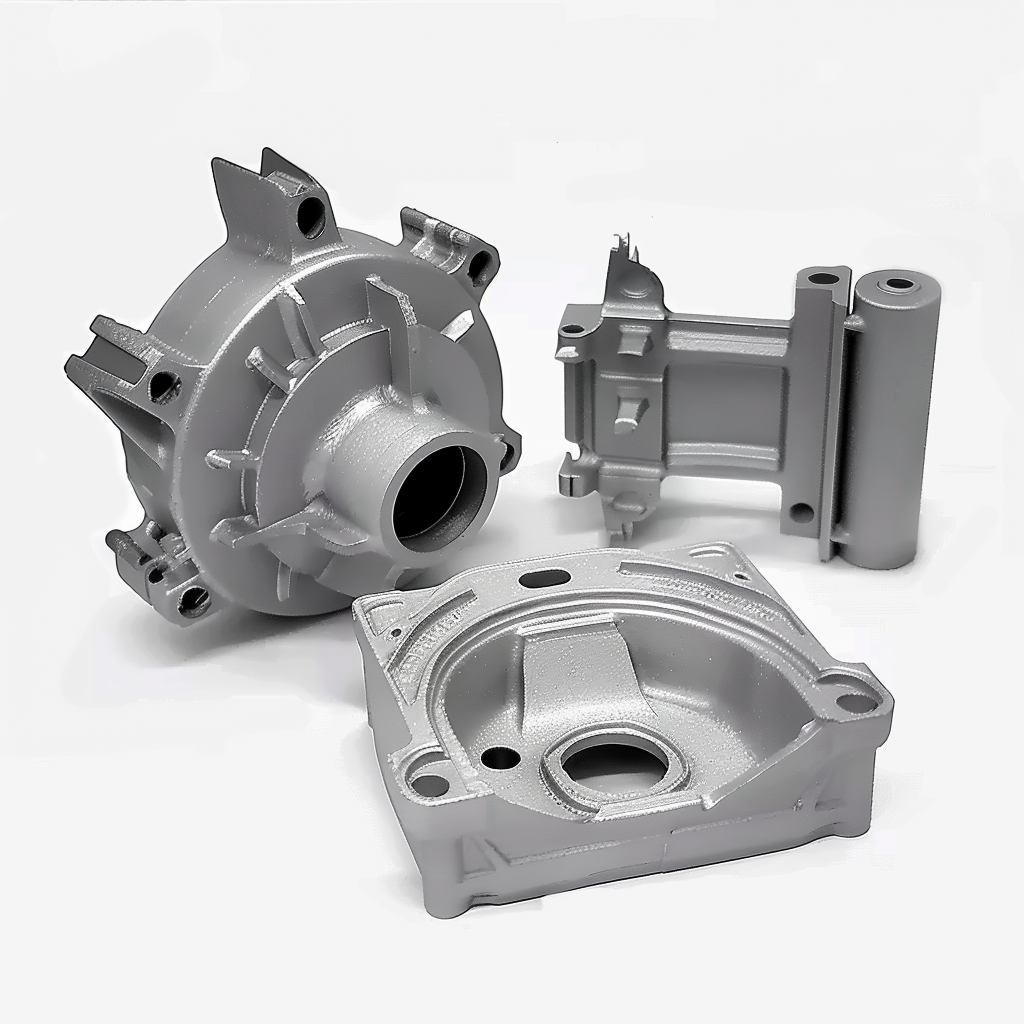
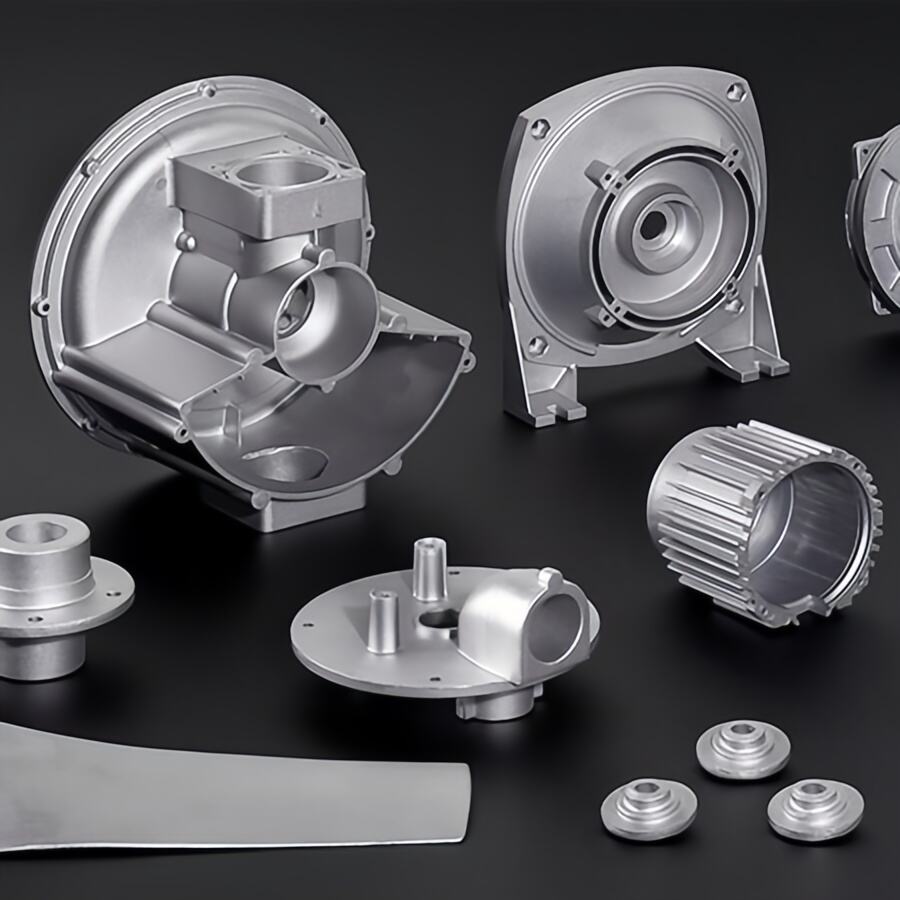
Low Pressure Die Casting is a highly controlled metal forming process designed to deliver dense, mechanically reliable components for automotive, electronics, energy, and industrial equipment applications. By applying precisely regulated gas pressure between 0.3 to 1.5 bar, Low Pressure Die Casting fills molten metal upward into the mold cavity, minimizing turbulence and gas entrapment while achieving superior metallurgical integrity. Compared with gravity casting and traditional high pressure die casting, Low Pressure Die Casting improves yield strength by up to 15 percent, reduces internal porosity below 1.2 percent, and increases dimensional consistency to IT11–IT12 levels.
Get A Quote

Low Pressure Die Casting

Low Pressure Die Casting combines precise pressure control, laminar metal flow, optimized solidification management, and advanced mold thermal regulation to deliver superior casting integrity for mission-critical components. Unlike turbulent filling methods, Low Pressure Die Casting ensures controlled upward filling that significantly reduces oxide formation and gas entrapment, enabling porosity reduction of up to 40 percent compared with gravity casting. Industrial studies show that Low Pressure Die Casting improves fatigue life by 20 to 30 percent for aluminum structural components when validated under ASTM E155 radiographic standards. With automated pressure profiling, closed-loop temperature control, and digitally monitored process stability, Low Pressure Die Casting provides consistent dimensional repeatability, reduced scrap rates below 2 percent, and enhanced long-term production reliability for regulated OEM supply chains.

Superior Metallurgical Density and Reduced Porosity Control

Low Pressure Die Casting applies controlled gas pressure between 0.3–1.5 bar to achieve smooth laminar mold filling, reducing air entrapment and oxide inclusion. X-ray inspection results validated under ASTM E155 demonstrate internal porosity levels consistently below 1.2 percent, improving tensile strength by approximately 12–18 percent compared with gravity casting. Leak rate testing under ISO 20485 confirms stable airtight performance for pressure-bearing housings produced by Low Pressure Die Casting.

High Dimensional Stability and Surface Consistency

Low Pressure Die Casting maintains mold temperature uniformity within plus or minus 3 degrees Celsius using closed-loop thermal control systems. CMM measurements confirm dimensional repeatability within plus or minus 0.05 mm across 50,000 continuous cycles, meeting IT11–IT12 tolerance classifications. Surface roughness typically reaches Ra 1.6–3.2 microns, reducing post-machining by up to 35 percent and improving assembly fit consistency.

Cost Efficiency for Medium to High Volume Production

Low Pressure Die Casting achieves material utilization above 92 percent through recyclable runners and minimized scrap. Automated cycle control reduces labor cost by approximately 28 percent while extending mold life beyond 600,000 cycles under ISO 9001 preventive maintenance programs. Total cost per part decreases by 20–35 percent compared with sand casting when annual volume exceeds 50,000 units.

Related Products

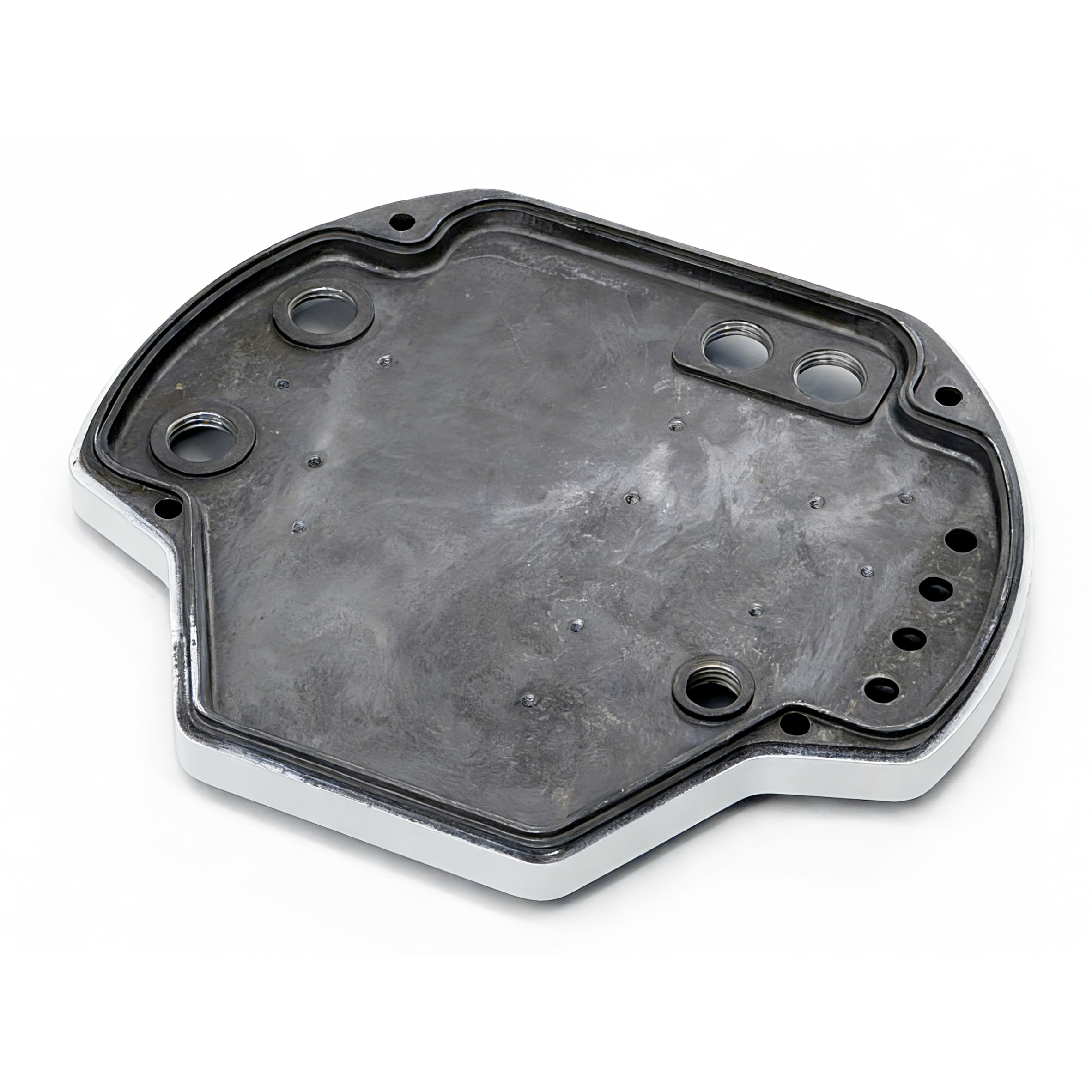
During continuous production trials, Low Pressure Die Casting aluminum housing components were manufactured under stable pressure profiles averaging 0.8 bar with melt temperature maintained at 690 degrees Celsius. Radiographic inspection confirmed porosity below 1.1 percent across 30,000 shots. Dimensional inspection recorded average deviation within plus or minus 0.04 mm. Surface finish remained consistent at Ra 2.0 microns without secondary polishing. Pressure leak testing achieved zero leakage at 0.6 MPa. Tool wear inspection showed cavity erosion below 0.018 mm after 120,000 cycles, confirming long-term reliability of Low Pressure Die Casting for structural and sealing applications.

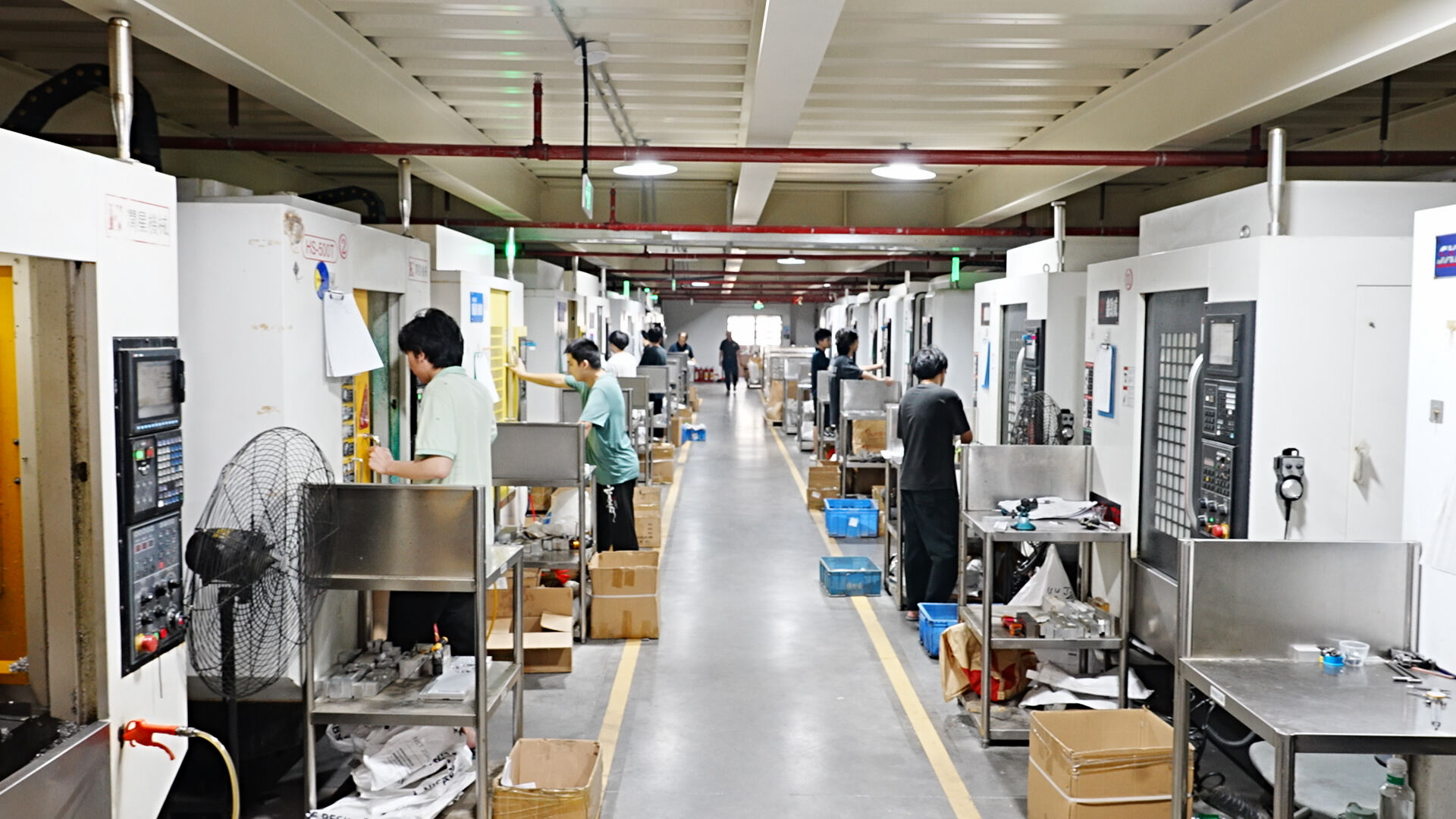
Dongguan BIE Hardware Co., Ltd has established itself as a comprehensive precision manufacturing partner specializing in Low Pressure Die Casting solutions for global OEM and Tier-1 suppliers. Founded in 2017 and located in Fenggang Town, Dongguan, the company operates a modern 3,000 square meter manufacturing campus integrating advanced casting cells, CNC machining centers, surface finishing lines, and intelligent quality inspection laboratories. Annual Low Pressure Die Casting output exceeds 5,500 tons of aluminum and magnesium alloy components serving automotive powertrain, battery enclosure, telecommunications housing, medical equipment, and industrial automation markets across North America and Europe.

BIE deploys digitally controlled Low Pressure Die Casting furnaces equipped with real-time pressure feedback systems, automated melt degassing units, and closed-loop temperature stabilization to ensure consistent metallurgical quality. Pressure ramp accuracy is maintained within plus or minus 0.02 bar, ensuring stable laminar metal flow during every Low Pressure Die Casting cycle. Melt cleanliness is verified using hydrogen content analysis, achieving hydrogen levels below 0.12 ml per 100 g aluminum in accordance with ASTM E1447 standards.

Tooling development integrates mold flow simulation, thermal balance modeling, and fatigue life prediction to optimize solidification pathways and minimize shrinkage defects. High-performance steel molds undergo vacuum heat treatment and plasma nitriding to extend operational life beyond 650,000 Low Pressure Die Casting cycles. Internal tooling validation includes dimensional verification by Zeiss CMM systems, thermal imaging calibration, and trial casting capability analysis.

Production lines utilize automated robotic handling, shot monitoring sensors, and MES data traceability, enabling full digital documentation of every Low Pressure Die Casting batch from raw alloy intake to finished shipment. Process CpK consistently exceeds 1.67 for critical dimensions under SPC monitoring. Non-destructive testing includes X-ray inspection, dye penetrant testing, and helium leak testing for pressure-critical housings.

BIE maintains comprehensive certifications including ISO 9001:2015 quality management, ISO 14001:2015 environmental management, ISO 45001:2018 occupational safety, and RoHS compliance. Environmental sustainability initiatives include closed-loop alloy recycling achieving material recovery above 96 percent, energy-efficient induction furnaces reducing energy consumption by 18 percent, and low-emission flux systems aligned with EU REACH standards.

Engineering services encompass Design for Manufacturability consultation, alloy selection optimization, conformal cooling design, prototype sampling, PPAP documentation, and lifecycle cost modeling. Typical Low Pressure Die Casting prototype lead time ranges from 20 to 28 days, with mass production ramp-up completed within 40 to 55 days depending on part complexity.

After-sales support provides 24/7 engineering response, mold refurbishment programs, spare tooling inventory, continuous improvement audits, and quarterly performance reporting. On-time delivery exceeds 97 percent, and long-term customer retention remains above 92 percent. By combining engineering expertise, digital manufacturing infrastructure, and rigorous quality governance, BIE consistently delivers reliable Low Pressure Die Casting solutions for high-integrity industrial applications.
FAQ

What alloys are best suited for Low Pressure Die Casting production

Low Pressure Die Casting performs optimally with aluminum alloys such as A356, A357, and AlSi7Mg, as well as magnesium alloys including AZ91D. These alloys provide excellent fluidity, controlled solidification, and strong mechanical properties. Tensile strength typically ranges from 240 to 320 MPa after T6 heat treatment when porosity remains below 1.2 percent. Alloy selection should align with thermal conductivity requirements, fatigue resistance targets, corrosion exposure, and machining allowance specifications.
Low Pressure Die Casting offers lower turbulence, reduced gas entrapment, and higher metallurgical density compared with high pressure die casting. Fatigue life improves by approximately 25 percent, and weldability increases significantly due to reduced internal porosity. Although cycle time is slightly longer, overall yield rate improves and downstream machining scrap decreases by up to 18 percent.
Quality assurance includes SPC dimensional monitoring, X-ray radiography under ASTM E155, helium leak testing, metallographic microstructure analysis, and hardness verification under ISO 6506. Digital traceability ensures full batch documentation and compliance with OEM audit requirements.

More Posts

What Special Requirements Does the Aerospace Industry Have for steel forging? Standard Interpretation

31

Jan

What Special Requirements Does the Aerospace Industry Have for steel forging? Standard Interpretation

An Expert Interpretation of Aerospace Standards and Manufacturing Reality In aerospace engineering, steel forgings are not treated as ordinary structural components. They are regarded as safety-critical load-bearing elements whose failure could direc...
View More
What is the Typical Lead Time for cnc lathe machining parts? How to Shorten Production Time

31

Jan

What is the Typical Lead Time for cnc lathe machining parts? How to Shorten Production Time

In global manufacturing supply chains, lead time is no longer a secondary commercial term—it has become a core competitiveness indicator. For buyers sourcing cnc lathe machining parts, especially in cross-border projects, delivery speed directl...
View More
How to Choose the Right mold manufacturing Supplier? Evaluation Criteria and Methods

31

Jan

How to Choose the Right mold manufacturing Supplier? Evaluation Criteria and Methods

Evaluation Criteria and Practical Methods for Global Buyers In global manufacturing supply chains, mold manufacturing is not just a procurement task—it is a strategic decision that directly affects product quality, production efficiency, delive...
View More
What Materials are Commonly Used in plastic molded parts? Characteristics and Selection Advice

31

Jan

What Materials are Commonly Used in plastic molded parts? Characteristics and Selection Advice

From an industry expert’s perspective, material selection is the single most decisive factor behind the performance, reliability, and cost efficiency of plastic molded parts. In global manufacturing projects, especially those involving automoti...
View More

Customer Reviews

Michael Thompson

“The Low Pressure Die Casting housings achieved leak integrity below 1 cc per minute at 0.6 MPa, exceeding our automotive sealing requirements. Dimensional stability remained consistent across 80,000 production units.”

Sofia Ramirez

“Switching to Low Pressure Die Casting reduced our scrap rate from 4.8 percent to 1.6 percent while improving surface finish quality. Tool life exceeded 620,000 cycles without major refurbishment.”

Daniel Cooper

“Our structural brackets produced via Low Pressure Die Casting passed fatigue testing beyond 1.2 million cycles with no crack propagation, validating excellent metallurgical integrity.”

Get a Free Quote

Our representative will contact you soon.
Email
Name
Company Name
Message
0/1000
Attachment
Please upload at least an attachment
Up to 3 files,more 30mb,suppor jpg、jpeg、png、pdf、doc、docx、xls、xlsx、csv、txt、stp、step、igs、x_t、dxf、prt、sldprt、sat、rar、zip
Ultra Low Porosity Structural Integrity Performance

Ultra Low Porosity Structural Integrity Performance

Low Pressure Die Casting components consistently demonstrate porosity levels below 1.2 percent verified by ASTM E155 radiographic grading. Tensile testing shows yield strength improvement of 15 percent and elongation enhancement of 20 percent compared with gravity cast equivalents. Helium leak testing validates airtight integrity suitable for hydraulic housings and battery enclosures. Long-term fatigue testing confirms durability exceeding 1 million load cycles under ISO 12107 standards.
Precision Thermal Management and Dimensional Stability

Precision Thermal Management and Dimensional Stability

Low Pressure Die Casting integrates closed-loop mold temperature regulation maintaining thermal deviation within plus or minus 2.8 degrees Celsius. CMM inspection confirms dimensional repeatability within plus or minus 0.04 mm across extended production. Reduced warpage improves assembly yield by 18 percent and decreases machining rework.
Sustainable High Yield Manufacturing Efficiency

Sustainable High Yield Manufacturing Efficiency

Low Pressure Die Casting achieves material utilization above 92 percent with recyclable runners. Energy optimization reduces per-part energy consumption by approximately 15 percent compared with gravity casting. ISO 14001 validated environmental management ensures consistent sustainability compliance.

Copyright © Dongguan BIE Hardware Co., Ltd  -  Privacy policy