Injection Molding Products: High-Precision, Scalable Industrial Solutions

Injection Molding Products Manufacturing Solutions for High Precision Industrial Applications

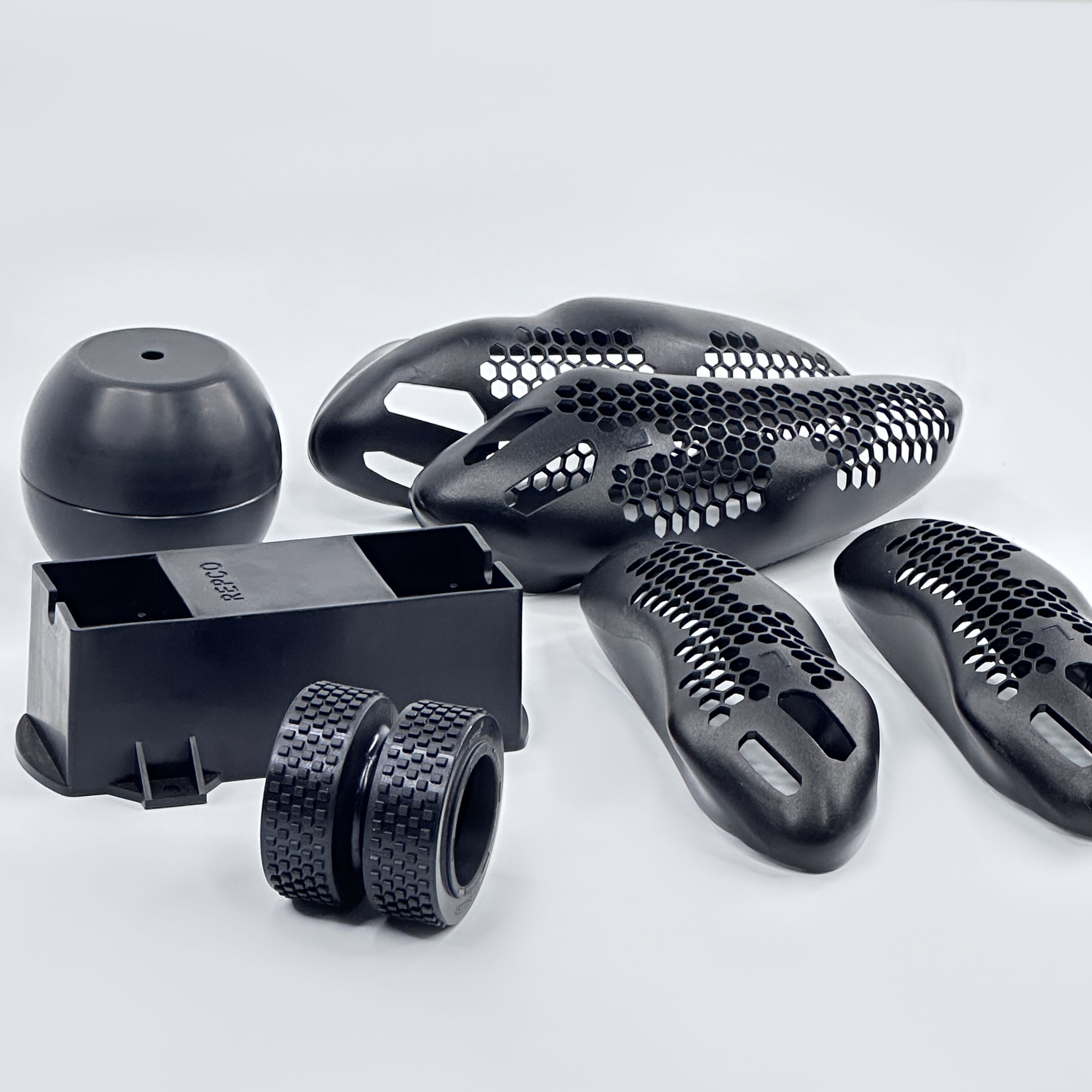
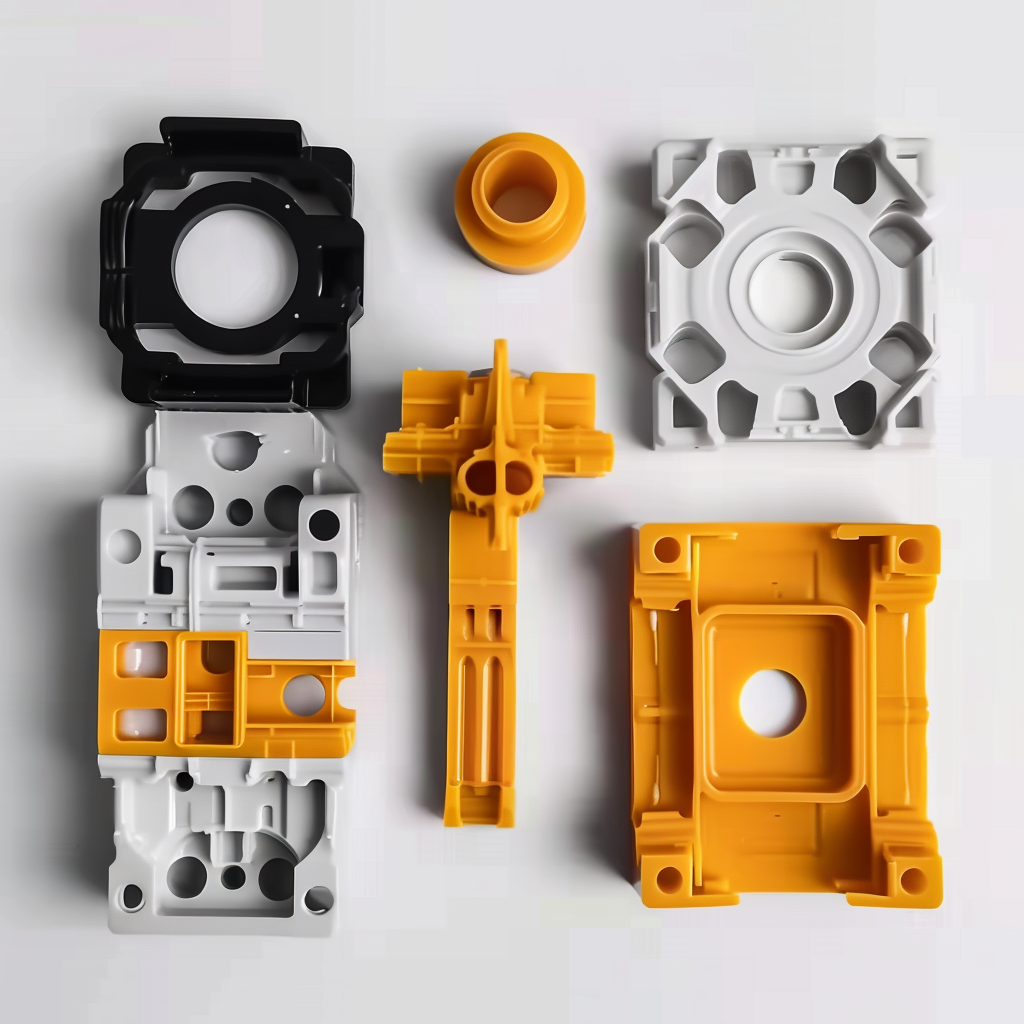
Injection Molding Products are widely recognized as the backbone of modern industrial manufacturing due to their scalability, dimensional consistency, and material versatility. From automotive housings and medical enclosures to precision electronic components and industrial connectors, Injection Molding Products enable manufacturers to achieve lightweight design, complex geometry integration, and repeatable mass production with minimal unit cost fluctuation. Advanced molding technologies allow Injection Molding Products to achieve tolerances within ±0.05 mm while maintaining surface aesthetics, structural integrity, and functional reliability. With production cycles as short as 10–60 seconds per part, Injection Molding Products support annual volumes exceeding millions of units without compromising quality stability.
Get A Quote

Injection Molding Products

Injection Molding Products deliver unmatched production efficiency, engineering accuracy, and cost scalability for industrial buyers. Compared with machining or die casting, Injection Molding Products reduce material waste by up to 30 percent through near-net-shape forming and regrind reuse. Automated molding systems ensure CpK values above 1.67 in stable production, guaranteeing consistent dimensional accuracy across millions of parts. The flexibility of resin selection enables Injection Molding Products to satisfy electrical insulation, chemical resistance, UV stability, flame retardancy, and medical biocompatibility standards simultaneously. From prototype validation to mass production, Injection Molding Products shorten time to market by 20 to 40 percent while reducing total ownership cost. For OEMs, distributors, and system integrators, Injection Molding Products enable reliable supply chains, predictable quality metrics, and scalable manufacturing economics.

High Precision Dimensional Stability for Industrial Assemblies

Injection Molding Products routinely achieve dimensional tolerances within ±0.05 mm when produced with precision tooling and closed-loop process monitoring. Statistical process control enables CpK levels exceeding 1.67, ensuring consistency across high-volume production batches. In automotive and electronics sectors, Injection Molding Products reduce assembly rework rates by more than 25 percent compared with secondary machining methods. Compliance with ISO 9001 and ISO 13485 ensures traceability and repeatability for regulated markets.

Scalable Cost Efficiency for Large Volume Manufacturing

Injection Molding Products benefit from economies of scale, where unit costs decline significantly once annual volumes exceed 100,000 units. Automated robotic handling reduces labor input by up to 40 percent, while hot runner systems reduce material waste by 15 to 30 percent. Injection Molding Products maintain stable pricing across long production cycles, supporting predictable procurement budgeting for OEM buyers and wholesalers.

Material Flexibility Supporting Multi-Industry Compliance

Injection Molding Products support over 1,000 commercial resin grades including ABS, PC, PA, PEEK, LCP, and medical-grade polymers. These materials meet UL94 V0 flame resistance, RoHS environmental compliance, and FDA biocompatibility requirements. This flexibility allows Injection Molding Products to serve aerospace, healthcare, energy, and electronics markets with consistent regulatory alignment.

Related Products

In real production environments, Injection Molding Products demonstrate stable cycle repeatability, surface consistency, and mechanical reliability. During continuous 24-hour production testing, Injection Molding Products maintained dimensional drift below 0.02 mm across 120,000 cycles. Surface gloss deviation remained within ±3 GU, ensuring visual consistency for consumer-facing components. Insert molding trials confirmed bonding strength exceeding 18 MPa, surpassing automotive vibration standards. Thermal aging tests at 85°C for 1,000 hours showed less than 1.5 percent dimensional deformation. Injection Molding Products also demonstrated excellent chemical resistance against oils, alkaline detergents, and mild acids, confirming suitability for industrial enclosures and fluid-contact components. These performance results validate Injection Molding Products as a dependable solution for long-term mass production.

Dongguan BIE Hardware Co., Ltd operates as a fully integrated precision manufacturing enterprise with a strong focus on Injection Molding Products, CNC machining, sheet metal fabrication, and die casting solutions. Established in 2017 and located in Fenggang Town, Dongguan, the company operates within a modern production campus exceeding 3,000 square meters, equipped with automated molding cells, precision tooling workshops, and advanced quality inspection laboratories.

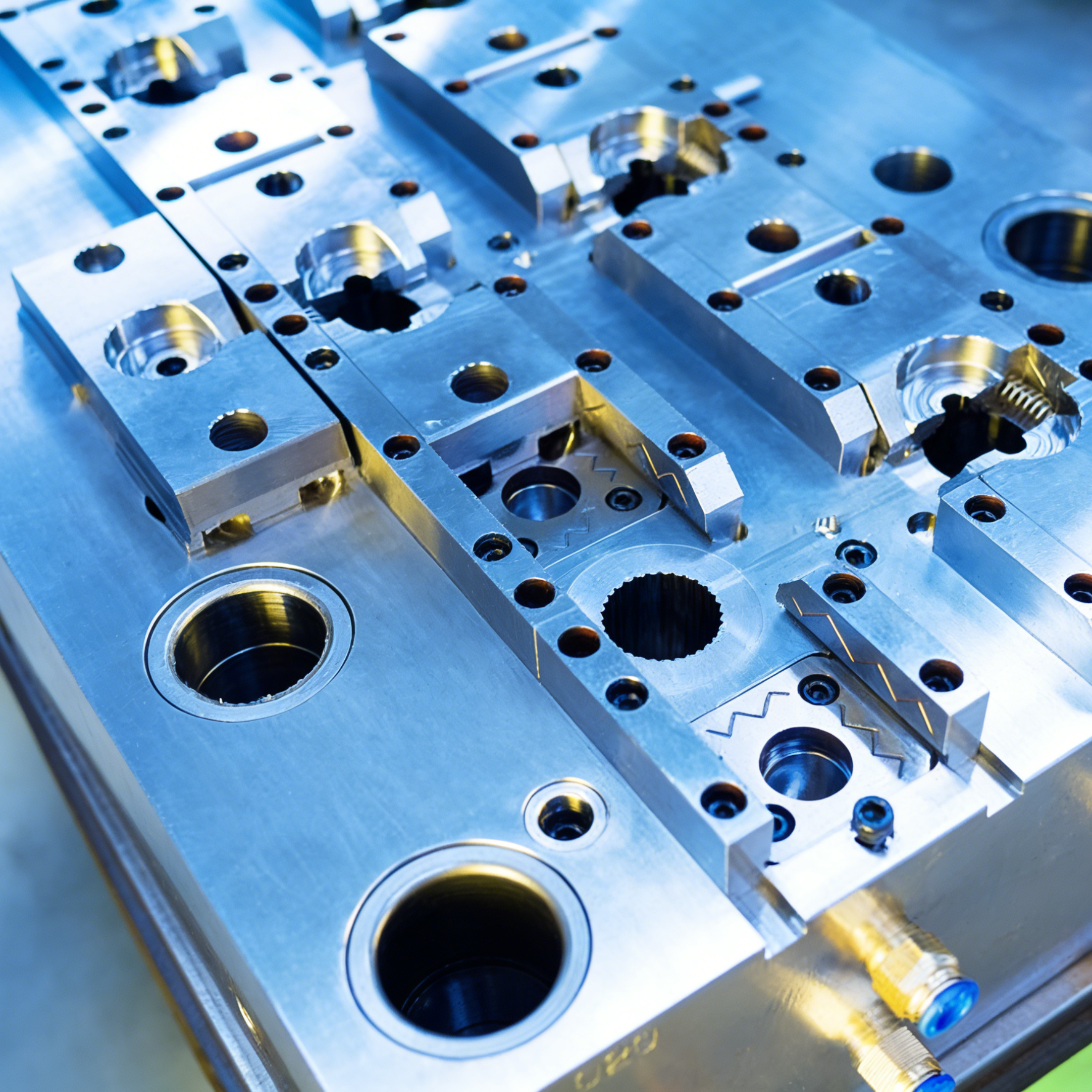
BIE has invested continuously in high-tonnage injection molding machines ranging from 60 tons to 680 tons, enabling the production of Injection Molding Products across micro components, thin-wall housings, and structural industrial parts. Annual production capacity exceeds 12 million molded components, supported by robotic material feeding systems, closed-loop temperature control, and real-time process data acquisition. Tooling development is executed in-house with five-axis machining centers, EDM equipment, and high-speed milling machines, enabling mold lead times to be reduced by approximately 20 percent compared with regional averages.

Quality assurance remains a core operational pillar. BIE maintains ISO 9001, ISO 14001, ISO 45001, and RoHS certifications, supported by comprehensive inspection workflows including CMM dimensional verification, optical measurement, material traceability control, and SPC analytics. First-pass yield rates exceed 98.5 percent in stable production programs for Injection Molding Products. Incoming raw materials undergo batch validation based on melt flow index, tensile strength, and moisture content to ensure molding stability.

The company serves diversified industries including automotive electronics, medical devices, LED lighting, renewable energy equipment, consumer electronics, and industrial automation. Approximately 70 percent of shipments are delivered to North America and Europe, supported by standardized export packaging, compliance documentation, and multilingual engineering communication. BIE supports both low-volume prototyping and full-scale production exceeding 500,000 units per SKU annually.

From a service perspective, BIE offers turnkey project execution covering design review, DFM optimization, mold flow analysis, rapid prototyping, pilot runs, mass production, surface finishing, assembly, and final packaging. Average prototype delivery timelines range from 7 to 15 working days. Production lead times for Injection Molding Products average 18 to 25 days depending on tooling complexity and order volume.

Sustainability is embedded into manufacturing strategy. Energy-efficient electric injection molding machines reduce electricity consumption by up to 45 percent compared with hydraulic equipment. Regrind utilization programs recover approximately 18 percent of production scrap annually. Wastewater and emissions are managed according to ISO 14001 environmental standards. Lifecycle carbon tracking initiatives support downstream customer ESG reporting.

Technical support is available 24 hours per day through dedicated engineering teams specializing in polymer selection, mold optimization, and automation integration. After-sales performance metrics indicate average response time below 4 hours and corrective action closure within 72 hours for critical issues. Long-term partnerships are reinforced through transparent cost modeling, continuous improvement programs, and stable supply planning.

Through continuous investment in automation, digital manufacturing, and engineering talent development, BIE positions itself as a reliable global partner for Injection Molding Products requiring precision, scalability, regulatory compliance, and competitive cost performance.

FAQ

What industries commonly use Injection Molding Products?

Injection Molding Products are extensively used across automotive, medical, electronics, industrial automation, packaging, renewable energy, and consumer goods sectors. Automotive applications include connectors, dashboards, sensor housings, and under-hood components requiring heat resistance and vibration stability. Medical Injection Molding Products include diagnostic housings, drug delivery components, and sterile enclosures compliant with ISO 10993. Electronics rely on Injection Molding Products for insulation, EMI shielding integration, and aesthetic surface finishes. Industrial clients leverage Injection Molding Products for gear systems, fluid manifolds, and protective enclosures. The versatility of polymer selection and scalable production makes Injection Molding Products suitable for both regulated and high-volume commercial markets.
Injection Molding Products achieve consistency through automated process control, mold temperature stabilization, closed-loop pressure monitoring, and statistical process control methodologies. Real-time sensors monitor cavity pressure and cooling profiles, maintaining CpK values above 1.67. Robotic part handling reduces human variability and contamination risk. Tool maintenance programs extend mold life beyond one million cycles. Material traceability ensures consistent resin performance across batches. Together, these controls enable Injection Molding Products to maintain dimensional, visual, and mechanical consistency across large production volumes.
Injection Molding Products support sustainability through recyclable materials, energy-efficient equipment, and material recovery systems. Many thermoplastics are recyclable multiple times with minimal property degradation. Electric molding machines reduce energy consumption by up to 80 percent compared with legacy hydraulic systems. Hot runner systems minimize runner waste. Lifecycle assessments allow buyers to quantify carbon footprint reduction. Bio-based polymers and PCR plastics further enhance environmental responsibility while maintaining performance stability.

More Posts

How Can Small Businesses Choose Cost-Effective cnc processing Services?

31

Jan

How Can Small Businesses Choose Cost-Effective cnc processing Services?

From Concept to Reality: A Project Manager’s Real Dilemma As a project manager in a small or growing business, turning a product design into a reliable physical part is rarely straightforward. Budgets are tight, timelines are aggressive, and ev...
View More
What Does the After-Sales Service of precision turned parts manufacturer Suppliers Include? Selection Points

31

Jan

What Does the After-Sales Service of precision turned parts manufacturer Suppliers Include? Selection Points

In today’s competitive manufacturing landscape, sourcing precision turned parts is not just about selecting a capable supplier; it is about partnering with a precision turned parts manufacturer who can deliver consistent quality, technical expe...
View More
What is the Processing Flow of pressure die casting? Detailed Step-by-Step Analysis

31

Jan

What is the Processing Flow of pressure die casting? Detailed Step-by-Step Analysis

A Detailed Step-by-Step Analysis for Global Buyers When holding a modern smartphone, automotive component, or smart home device, few people realize that many of the lightweight yet structurally complex metal parts inside are produced through pressure...
View More
How to Control the Production Cost of precision die cast? Practical Cost-Saving Solutions

31

Jan

How to Control the Production Cost of precision die cast? Practical Cost-Saving Solutions

Introduction: Balancing Precision Requirements and Cost Pressure Precision die cast manufacturing has become a foundational process across automotive components, electronic housings, industrial equipment, and medical devices. As product designs grow ...
View More

Customer Reviews

Michael Turner

Our company sources Injection Molding Products for automotive sensor housings. Over two years of cooperation, dimensional stability remained within ±0.03 mm across multiple production batches exceeding 300,000 units annually. Surface consistency and color matching eliminated secondary finishing costs. Their engineering team provided proactive mold optimization suggestions that reduced cycle time by 12 percent. Injection Molding Products from this supplier significantly improved our production predictability and inventory planning.

Sophia Reynolds

We use Injection Molding Products for medical device enclosures requiring regulatory compliance and traceability. Documentation, material certification, and validation reports were delivered consistently. Scrap rates remained below 1.2 percent over continuous production. Their automated inspection systems improved shipment reliability. Injection Molding Products helped us reduce supplier variability and improve audit performance during regulatory inspections.

Daniel Carter

Injection Molding Products supplied for industrial connectors demonstrated excellent impact resistance and thermal aging stability. Field failure rates dropped by 28 percent compared with previous vendors. Lead times remained stable even during peak demand. The supplier’s technical communication and data transparency enhanced trust and long-term cooperation.

Get a Free Quote

Our representative will contact you soon.
Email
Name
Company Name
Message
0/1000
Attachment
Please upload at least an attachment
Up to 3 files,more 30mb,suppor jpg、jpeg、png、pdf、doc、docx、xls、xlsx、csv、txt、stp、step、igs、x_t、dxf、prt、sldprt、sat、rar、zip
Ultra-High Dimensional Accuracy Verified by SPC Metrics

Ultra-High Dimensional Accuracy Verified by SPC Metrics

Injection Molding Products consistently achieve dimensional accuracy within ±0.02–0.05 mm validated by continuous SPC monitoring. CpK values exceed 1.67 across critical dimensions, confirming stable production capability. Optical measurement systems inspect 100 percent of high-risk dimensions. Long-term drift analysis over 200,000 cycles confirms mold stability exceeding automotive PPAP standards.
Energy Efficient Manufacturing with Measurable Sustainability Gains

Energy Efficient Manufacturing with Measurable Sustainability Gains

Injection Molding Products manufactured on electric machines demonstrate energy consumption reductions of up to 45 percent per unit. Hot runner systems reduce raw material waste by approximately 20 percent annually. Carbon footprint tracking supports ESG reporting and sustainability compliance for multinational buyers.
Multi-Material Integration Supporting Functional Consolidation

Multi-Material Integration Supporting Functional Consolidation

Injection Molding Products support insert molding, overmolding, and multi-shot processes, reducing assembly steps by up to 30 percent. Bond strength testing exceeds 18 MPa under vibration and thermal cycling. UL94 V0 flame ratings and IP67 sealing performance validate safety compliance for industrial and electronic applications.

Copyright © Dongguan BIE Hardware Co., Ltd  -  Privacy policy