Custom Injection Molding Solutions for Automotive, Electronics, and Consumer Products

Premium Injection Molding Solutions for B2B Manufacturers: High-Precision, Cost-Effective, and Scalable

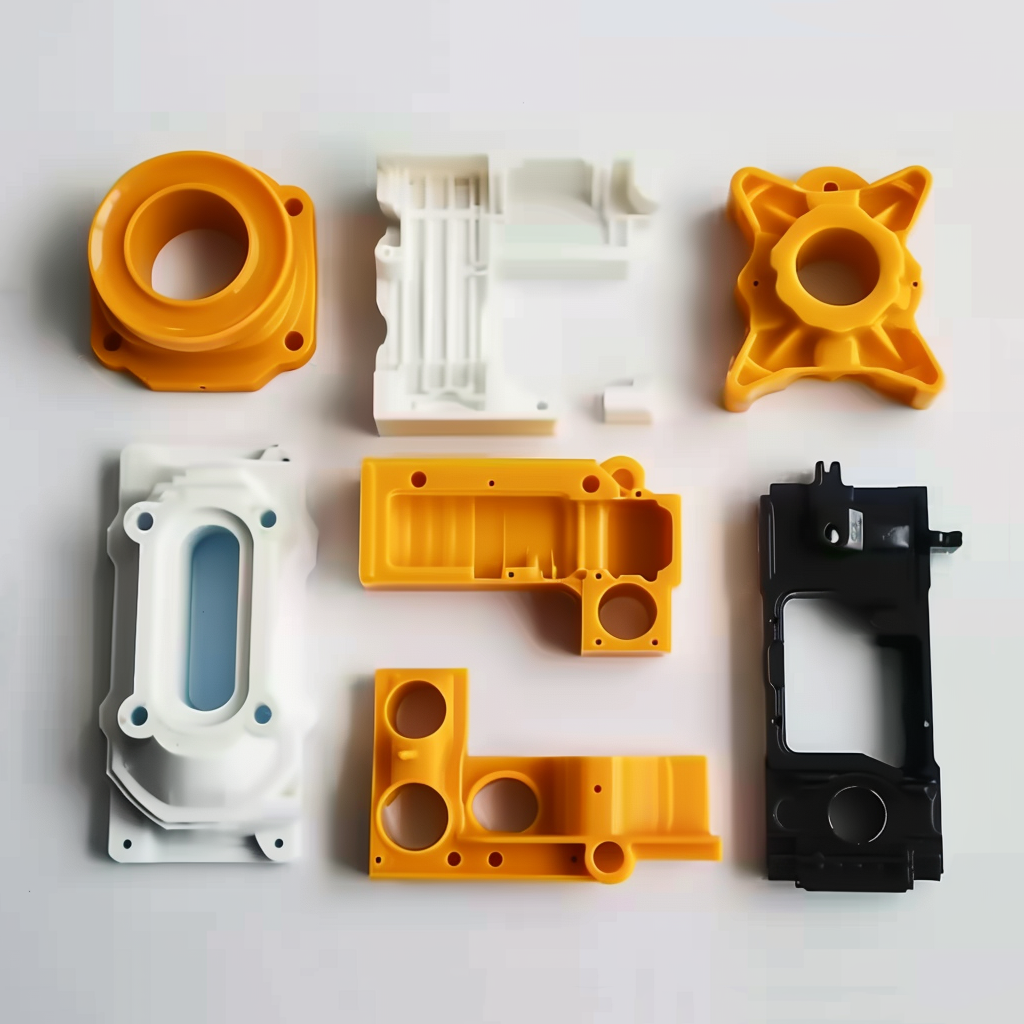
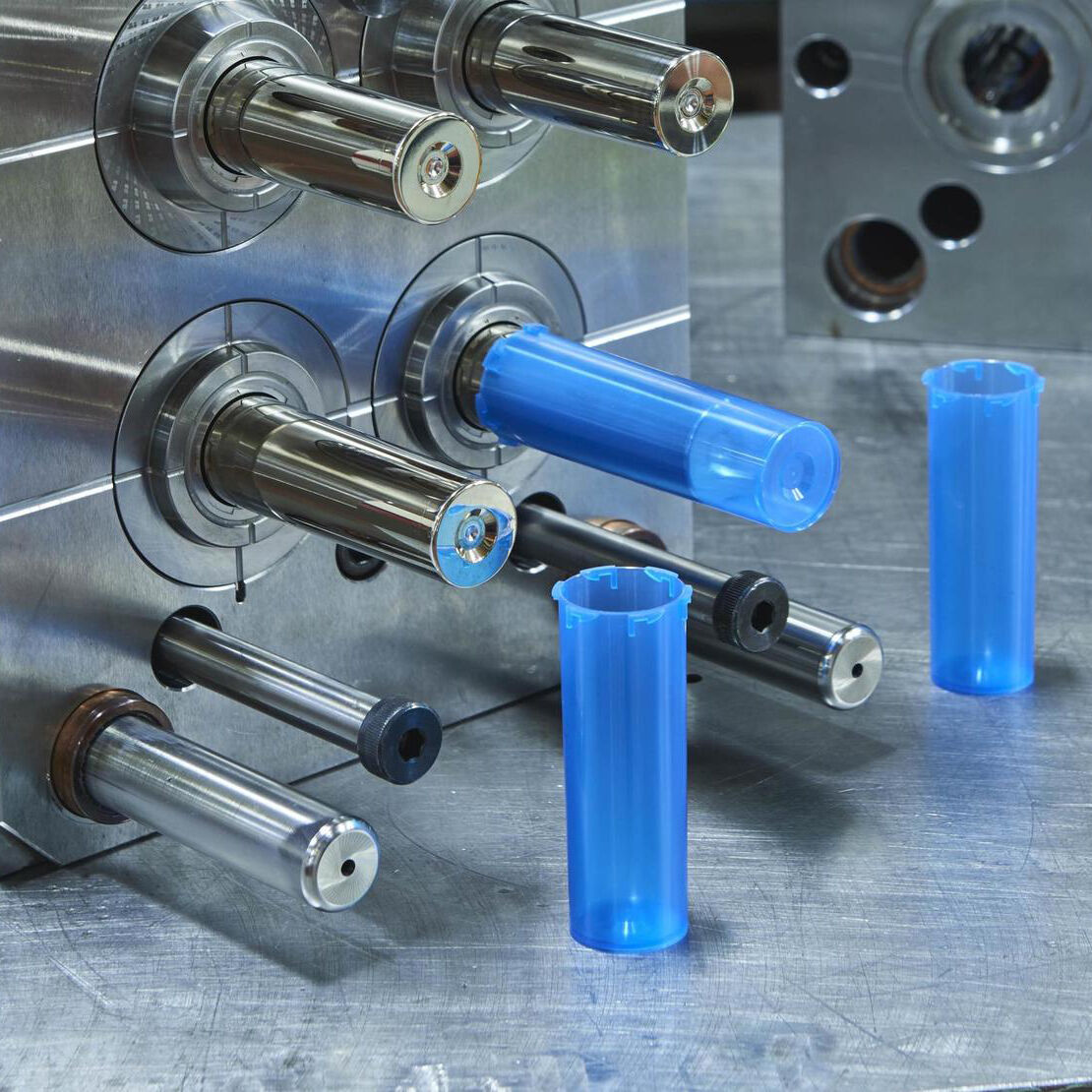
Our injection molding services provide B2B manufacturers with high-precision, cost-effective, and scalable solutions for producing plastic components across industries. Utilizing a broad range of materials—from general plastics like PP, ABS, and PC to engineering plastics such as PA, PBT, and PPS—our process meets diverse mechanical, thermal, and chemical requirements. Injection molding enables intricate geometries, thin-wall structures, and integrated components with exceptional repeatability, surface finish, and dimensional accuracy. Advanced technologies such as multi-color injection, gas-assisted molding, and micro-injection ensure efficiency, reduce material waste, and support both large-scale production and customized small batches, while complying with international safety and environmental standards.
Get A Quote

Injection Molding

Injection molding is an essential manufacturing technology for B2B suppliers aiming to deliver consistent, high-quality plastic components. Its advantages extend beyond mass production efficiency: the process supports a vast range of materials, ensures precision replication of complex geometries, and allows integration of functional features such as threads, inserts, or embedded components. High repeatability, ISO-compliant quality assurance, and automated production reduce costs and minimize defects. The flexibility of the process also enables customization for small batches and rapid prototyping, making it indispensable in industries like automotive, medical devices, consumer electronics, and industrial equipment. By leveraging injection molding, businesses achieve significant material savings, lower logistics costs due to lightweight products, and the capacity to meet stringent regulatory standards across global markets.

High Material Versatility for Diverse Industrial Applications

Injection molding accommodates a wide range of plastics, including PP, ABS, PC, PA, PBT, and specialty polymers. By integrating fillers, flame retardants, or UV stabilizers, mechanical and thermal performance is enhanced. For instance, glass-filled PA components achieve tensile strengths exceeding 100 MPa, meeting rigorous automotive and industrial standards (ISO 527, ASTM D638). This versatility ensures products can meet electrical, chemical, thermal, and structural requirements, enabling manufacturers to serve multiple B2B sectors with the same process.

Precision and Consistency for Mass and Custom Production

Modern injection molding ensures tight tolerances (±0.05 mm in small parts) and high repeatability, capable of producing millions of identical components. Automated systems, servo-driven injection machines, and real-time mold monitoring reduce dimensional deviations and defects. Components such as medical device housings or connector shells consistently meet ISO 13485 and RoHS standards, providing reliable performance and long-term durability across industrial applications.

Efficient, Cost-Effective, and Sustainable Manufacturing

Injection molding provides low per-unit costs in high-volume production due to fast cycle times (seconds to minutes) and minimal manual labor. Net-shape manufacturing generates minimal waste, with runners and scrap easily recycled. Additionally, the process supports sustainable practices, including PCR (post-consumer recycled) and bio-based plastics, helping companies meet environmental targets while optimizing material usage and reducing logistics costs thanks to lightweight components.

Related Products

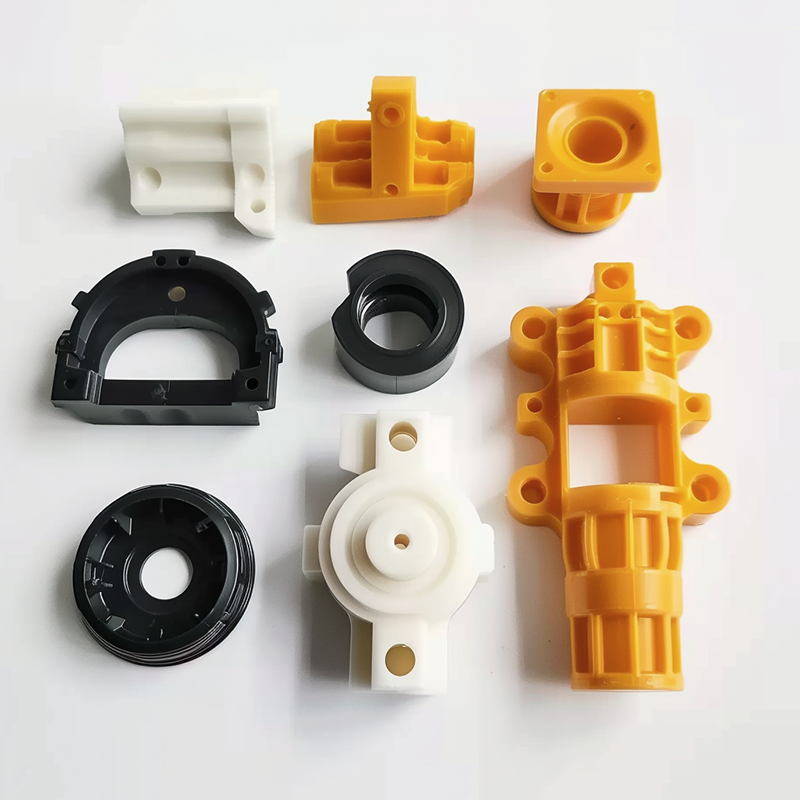
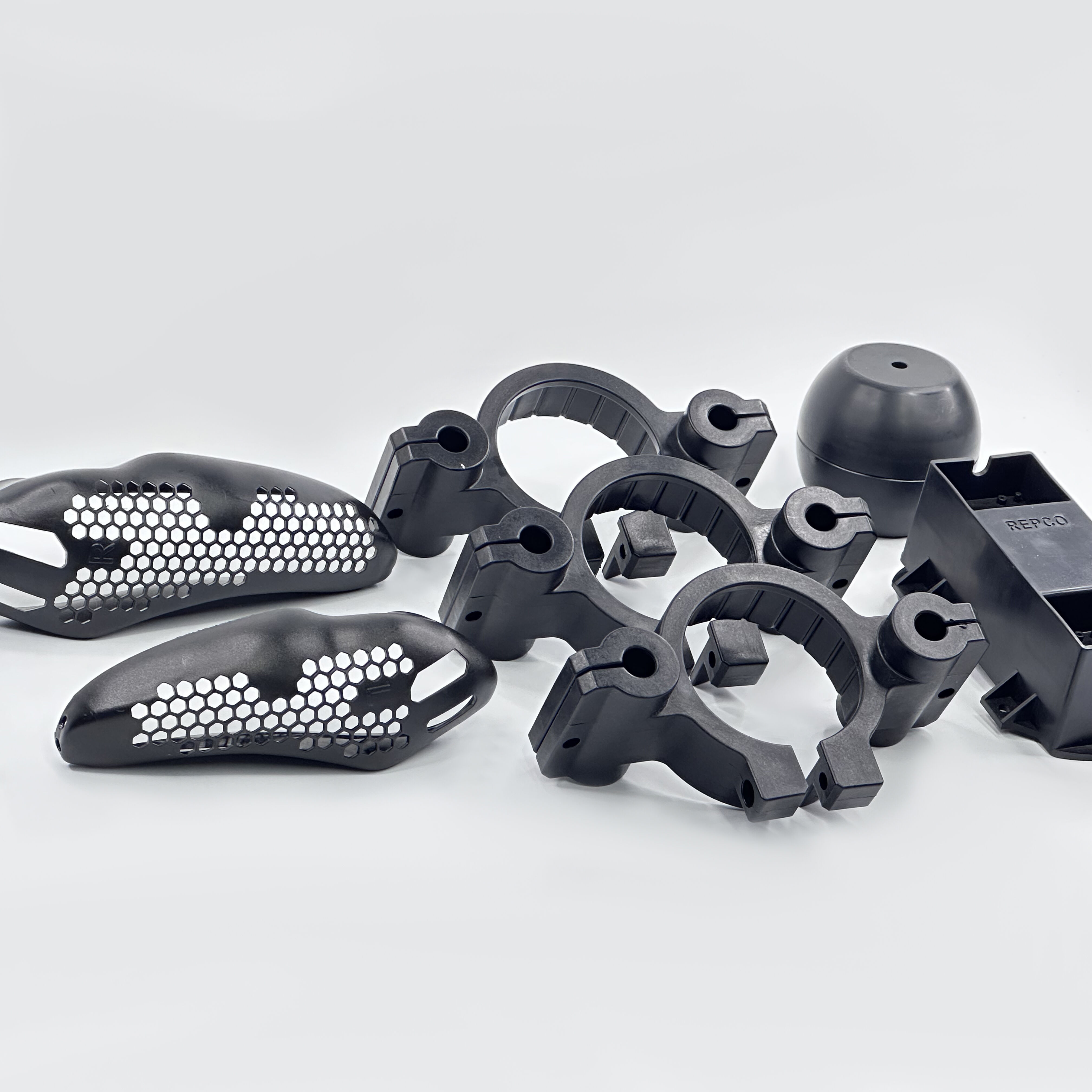
During extensive production trials, our injection molding process demonstrated exceptional precision, repeatability, and material performance. Complex automotive connector housings and consumer electronics components were produced with wall thicknesses as low as 0.5 mm, achieving ±0.05 mm dimensional tolerance. Materials such as PC/ABS blends showed excellent impact resistance (ISO 179: 50 kJ/m²), while PA6 GF30 components exceeded tensile strength requirements of 110 MPa. Multi-cavity molds enabled simultaneous production of 16 parts per cycle, reducing lead times by 35% compared to conventional methods. The incorporation of in-mold inserts and micro-injection techniques ensured embedded threads, electrical contacts, and micro-gear structures were produced with high fidelity. Surface finishes ranged from A-grade glossy to textured matte, with no secondary finishing required.

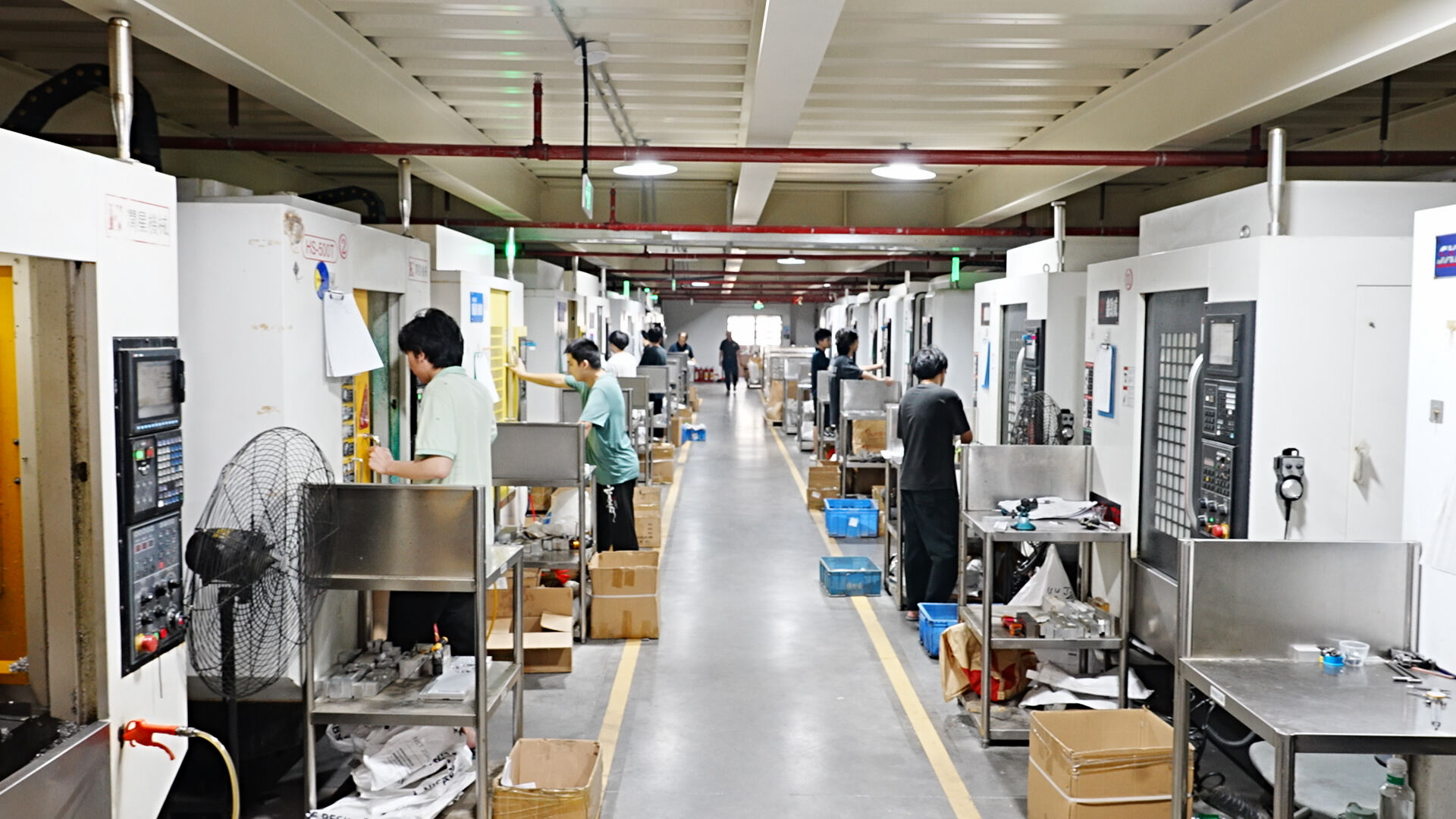
Founded in 2017, Dongguan BIE Hardware Co., Ltd is a leading precision manufacturing company located in Fenggang Town, Dongguan, Guangdong Province, occupying a modern 3,000㎡ production facility. BIE specializes in CNC machining, sheet metal fabrication, die casting, and advanced plastic injection molding, providing end-to-end one-stop solutions for metal and plastic components. Our company serves a global B2B clientele, including Europe, North America, and Asia, supplying high-precision components for automotive, aerospace, medical devices, consumer electronics, lighting, and industrial equipment sectors.

BIE’s injection molding capabilities cover a wide range of thermoplastics from general plastics (PP, ABS, PC) to engineering polymers (PA, PBT, PPS) and specialty materials. Advanced techniques, such as gas-assisted molding, multi-color injection, micro-injection, and long-fiber reinforced thermoplastics, allow for precise, high-strength, and lightweight components. Components have been tested to meet ISO 9001, ISO 14001, ISO 45001, RoHS, and CE standards, ensuring consistent quality and regulatory compliance. Mechanical testing confirms tensile strength above 110 MPa for glass-filled components, impact resistance up to 50 kJ/m², and dimensional accuracy within ±0.05 mm, even for complex geometries and micro-scale parts.

Our production process is fully integrated: from rapid prototyping using aluminum molds or 3D printed tooling, to full-scale mass production, surface finishing, assembly, and packaging. Automated systems, robotic handling, and in-line quality inspection guarantee high throughput while maintaining near-zero defect rates. BIE implements Industry 4.0 solutions, integrating MES systems, IoT-enabled injection machines, and real-time mold monitoring to ensure predictive maintenance and optimized process control. This digital approach reduces trial-and-error iterations, shortens lead times, and ensures full traceability from raw material to finished component.

BIE places strong emphasis on sustainability. We incorporate PCR (post-consumer recycled) and bio-based plastics (PLA), minimize waste through net-shape processing, and use energy-efficient electric injection machines with servo pumps, achieving up to 30% energy savings compared to conventional hydraulic systems. Packaging solutions are lightweight and eco-friendly, reducing logistics costs while complying with international environmental standards.

Our technical team consists of highly skilled engineers with decades of combined experience in precision plastic manufacturing. BIE also provides tailored consultation to optimize product design for manufacturability, including thin-wall optimization, fiber orientation control, and multi-material integration. With over 200 active clients worldwide, our injection molded components consistently support high-volume production with stable quality, contributing to improved operational efficiency and cost reduction for our partners.

Upholding our core values of integrity, quality, service, and mutual success, BIE offers competitive pricing, flexible production scheduling, and 7*24-hour technical support. Our ISO-certified quality system ensures every part meets rigorous standards, while our R&D capabilities enable innovation in materials, mold design, and process technology. By combining advanced manufacturing capabilities, digital monitoring, and sustainable practices, BIE continues to provide B2B clients with reliable, high-performance injection molded solutions that meet the most demanding industrial, medical, and consumer applications globally.

FAQ

What types of materials can be used in BIE injection molding for high-performance industrial applications?

BIE’s injection molding supports an extensive range of thermoplastics, from general-purpose materials like PP, ABS, and PC, to engineering plastics such as PA, PBT, PPS, and specialty polymers. Additives like glass fibers, minerals, flame retardants, and UV stabilizers can be incorporated to achieve tensile strength over 110 MPa, impact resistance up to 50 kJ/m², and enhanced thermal stability. Our processes also support medical-grade plastics like PEEK and PC for FDA-compliant applications, enabling components suitable for medical devices, food contact items, and high-stress automotive parts. Each material is verified through ISO 9001 quality control systems and traceable production records, ensuring consistent mechanical, chemical, and electrical performance. This flexibility allows B2B clients to select the exact material and modification needed for structural, aesthetic, or functional requirements.
BIE utilizes state-of-the-art electric and servo-driven injection machines, multi-cavity molds, and automated material handling to achieve high precision and repeatability. Dimensional tolerances are maintained within ±0.05 mm even for micro-injection parts or thin-wall designs. Real-time mold monitoring with embedded sensors allows continuous process adjustment, minimizing shrinkage and warpage. Automated inspection systems verify surface finish, mechanical strength, and part geometry, maintaining near-zero defect rates across millions of cycles. Integration with MES and Industry 4.0 systems ensures full traceability and predictive maintenance. Combined with skilled engineers optimizing gating, fiber orientation, and cooling, these measures allow BIE to reliably produce complex B2B components at large scales with minimal variation between batches.
Yes, BIE specializes in both high-volume production and flexible small-batch runs. Rapid tooling using aluminum molds or 3D-printed inserts allows prototype and small-scale production in days rather than weeks. Quick mold-change systems reduce downtime to minutes, supporting multiple part variants in a single production line. Our injection molding process accommodates complex geometries, embedded inserts, micro-components, and multi-material assemblies. BIE also leverages CAE simulations for mold flow optimization, shrinkage control, and topology optimization, ensuring functional performance and dimensional accuracy even in low-volume, high-complexity orders. This flexibility provides B2B clients with scalable solutions without sacrificing quality or efficiency.

More Posts

What is the Typical Lead Time for cnc lathe machining parts? How to Shorten Production Time

31

Jan

What is the Typical Lead Time for cnc lathe machining parts? How to Shorten Production Time

In global manufacturing supply chains, lead time is no longer a secondary commercial term—it has become a core competitiveness indicator. For buyers sourcing cnc lathe machining parts, especially in cross-border projects, delivery speed directl...
View More
What are the Latest aluminum cnc machining service Technologies? Industry Development Trends

31

Jan

What are the Latest aluminum cnc machining service Technologies? Industry Development Trends

As lightweight design becomes a structural requirement rather than an optimization option, aluminum cnc machining service is playing an increasingly critical role across industries such as new energy vehicles, aerospace, industrial automation, and co...
View More
What are the Key Indicators for Judging aluminium alloy for casting Quality? Testing Methods

31

Jan

What are the Key Indicators for Judging aluminium alloy for casting Quality? Testing Methods

Dongguan BIE Hardware Co., Ltd has decades of experience in supplying high-quality injection molded plastic parts for industries ranging from automotive to electronics and medical devices. Despite their prevalence, ensuring consistent quality remains...
View More
What are the Common Quality Issues with plastic machining services? Prevention and Solutions

31

Jan

What are the Common Quality Issues with plastic machining services? Prevention and Solutions

Dimensional Deviation and Part Deformation One of the most frequent complaints in plastic machining services is inconsistent dimensions, especially after cooling or assembly. This problem is deeply connected to plastic’s thermal sensitivity and...
View More

Customer Reviews

Mark Johnson, Automotive Supplier

“We partnered with BIE for high-precision injection molded components for our automotive electronics. The parts consistently achieved ±0.05 mm tolerance across millions of cycles. Their material expertise, including PC/ABS blends with glass fiber reinforcement, ensured both durability and aesthetic quality for our dashboards. We also benefited from their rapid mold-change system, allowing us to iterate designs quickly. BIE’s full traceability and ISO-certified quality system provide us the confidence needed for large-scale production. Their engineering support helped optimize wall thickness and fiber orientation, reducing material usage by 12% while maintaining structural integrity. Overall, BIE delivers reliable, high-volume solutions that meet the strict requirements of the automotive sector.”

Sophie Müller, Medical Device Manufacturer

“BIE produced micro-injection molded components for our medical instruments with exceptional precision. Components were made with PEEK and PC materials meeting FDA and ISO 13485 compliance. Despite challenging tolerances below 0.05 mm, BIE achieved repeatability and surface quality without secondary finishing. Their digital mold simulation and Industry 4.0 monitoring ensured consistent quality throughout the production run. The team was proactive in advising on material choices and design optimizations for micro-scale gears and inserts. These capabilities allowed us to launch our product ahead of schedule with full regulatory compliance.”

Liam Smith, Consumer Electronics Supplier

“Our electronic device housings required complex geometries with thin walls of 0.5 mm and multi-color injection features. BIE’s injection molding met the aesthetic, structural, and functional requirements, producing flawless surface finishes in matte and glossy textures. The fast production cycles, automated handling, and real-time monitoring provided efficient mass production with negligible defects. Their expertise in integrating embedded threads and metallic inserts significantly improved assembly speed. BIE’s customer support was responsive, ensuring our project remained on schedule. We continue to rely on them for both prototyping and high-volume runs.”

Get a Free Quote

Our representative will contact you soon.
Email
Name
Company Name
Message
0/1000
Attachment
Please upload at least an attachment
Up to 3 files,more 30mb,suppor jpg、jpeg、png、pdf、doc、docx、xls、xlsx、csv、txt、stp、step、igs、x_t、dxf、prt、sldprt、sat、rar、zip
Ultra-Precision Micro-Injection for High-Accuracy Components

Ultra-Precision Micro-Injection for High-Accuracy Components

BIE’s micro-injection molding enables parts weighing mere milligrams with dimensional accuracy within ±0.05 mm. Components such as micro-gears, medical tubing connectors, and precision electrical contacts demonstrate repeatability exceeding 99.8%, validated under ISO 9001 protocols. Advanced mold flow simulations ensure minimal shrinkage and warpage, making these parts ideal for medical devices, optics, and microelectronics industries. Real-world production has shown over 1 million flawless units per mold, ensuring scalability for high-volume B2B clients.
High-Performance Engineering Materials for Extreme Conditions

High-Performance Engineering Materials for Extreme Conditions

BIE supports reinforced thermoplastics like PA6 GF30 and PC/ABS blends, achieving tensile strengths above 110 MPa and impact resistance up to 50 kJ/m². Components withstand high temperatures, chemical exposure, and UV degradation, meeting ISO 527 and ISO 179 standards. Automotive connector housings, industrial protective covers, and consumer electronics components have been rigorously tested for durability under vibration, heat, and chemical exposure. These properties ensure reliability and long service life for demanding B2B applications.
Rapid, Flexible Production with Industry 4.0 Integration

Rapid, Flexible Production with Industry 4.0 Integration

Through fully electric injection machines, quick mold-change systems, and robotic automation, BIE achieves production cycle times from a few seconds to minutes with near-zero defect rates. Integrated MES systems and IoT-enabled mold monitoring provide predictive maintenance and real-time process optimization. The system allows rapid transitions between part variants and small-batch production, maintaining consistent quality. This flexibility reduces lead time by 35% and supports both high-volume and custom B2B manufacturing needs efficiently.

Copyright © Dongguan BIE Hardware Co., Ltd  -  Privacy policy