High Precision Injection Molded Parts Factory for Global B2B Buyers

Injection Molded Parts Manufacturer for OEM Industrial and High-Volume Applications

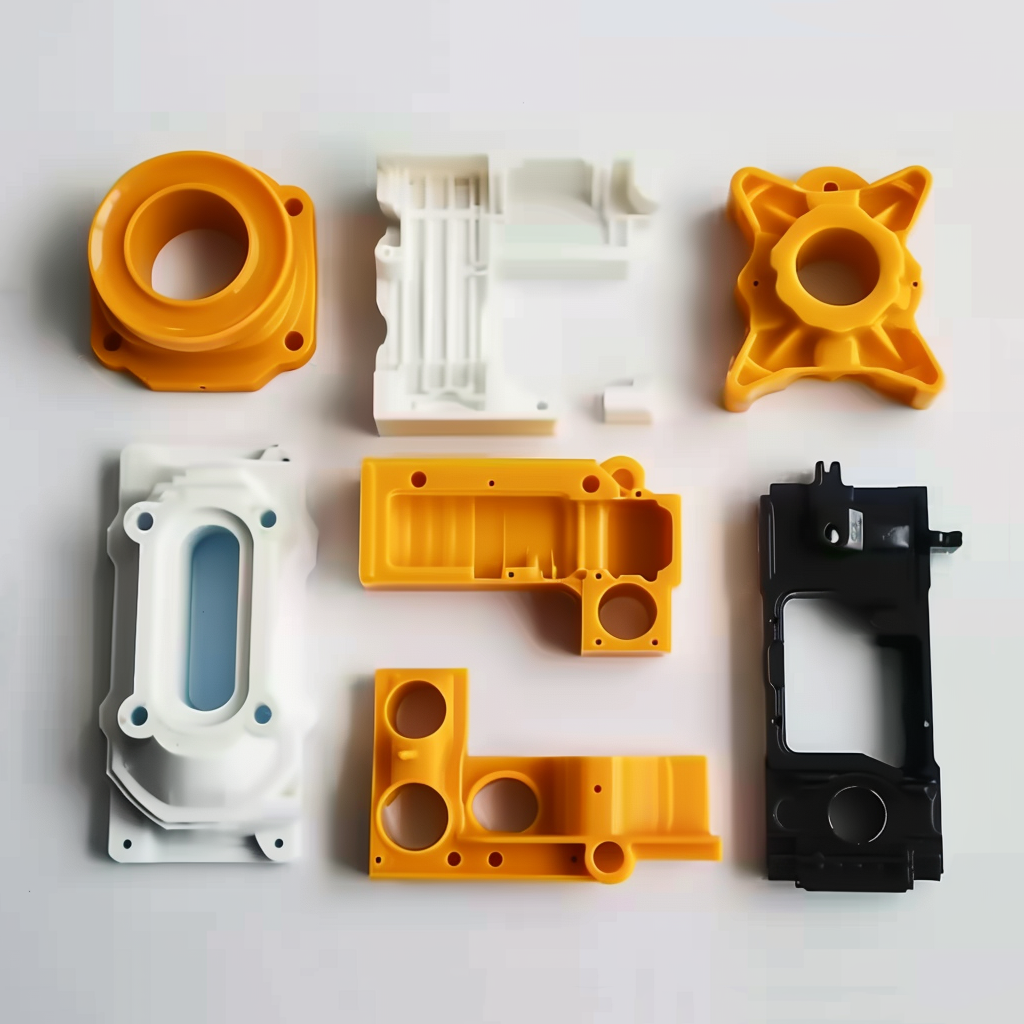
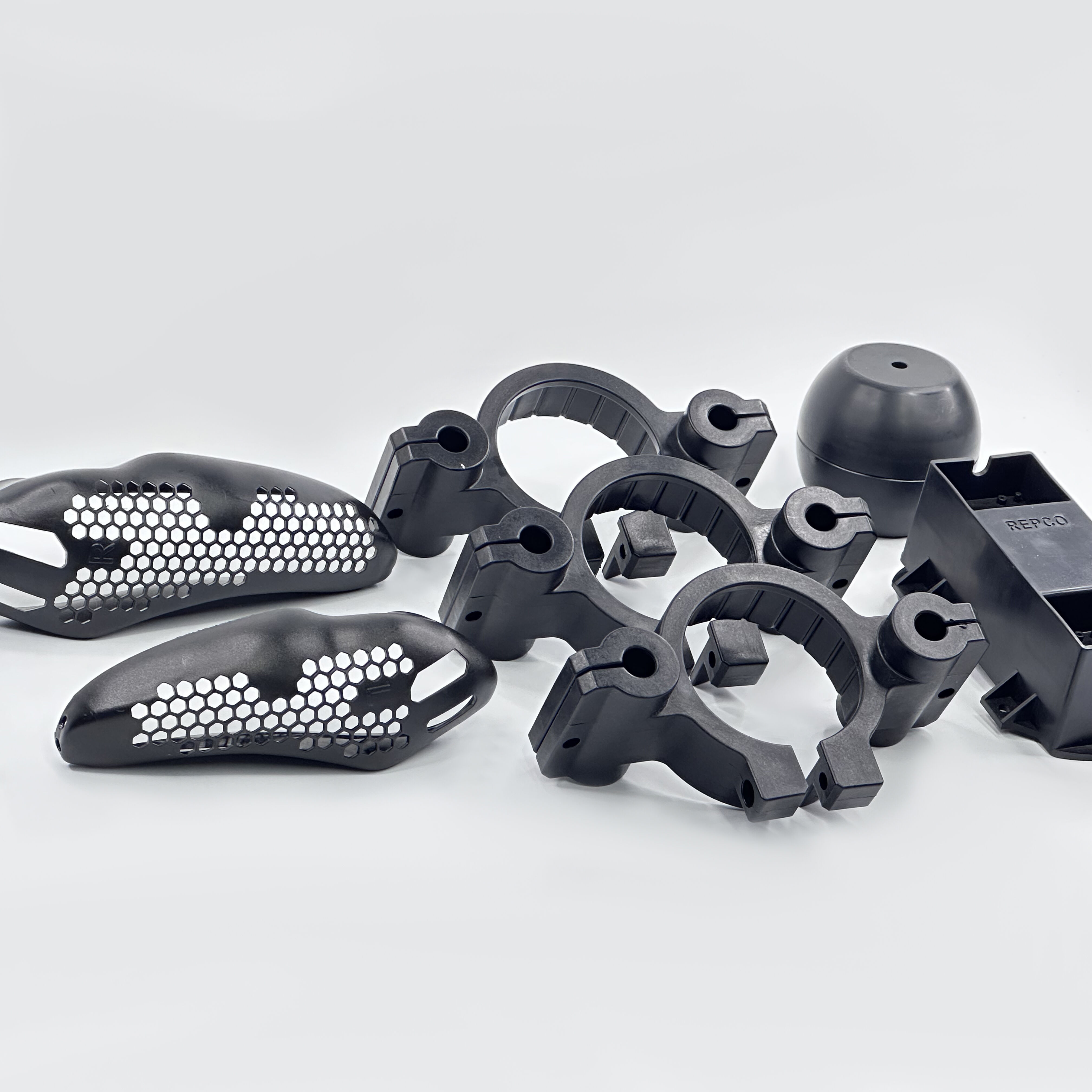
Injection molded parts are a cornerstone of modern industrial manufacturing, enabling OEMs and global brands to achieve consistent quality, high production efficiency, and long-term cost control. As a professional supplier of injection molded parts, we support customers across automotive, medical devices, consumer electronics, industrial equipment, and lighting industries. Injection molded parts offer unmatched flexibility in material selection, structural design, surface finish, and functional integration. By utilizing advanced mold engineering, automated injection molding systems, and certified quality management processes, injection molded parts can be produced with tight tolerances, excellent mechanical performance, and stable repeatability over millions of cycles. Compared with alternative manufacturing methods, injection molded parts provide superior scalability, reduced unit cost at volume, and strong compliance with international standards such as ISO, RoHS, and FDA.
Get A Quote

Injection Molded Parts

Injection molded parts deliver a unique combination of design freedom, production efficiency, and lifecycle cost advantages that few manufacturing processes can match. From raw material formulation to mold design and automated mass production, injection molded parts allow manufacturers to precisely control performance, appearance, and dimensional accuracy. For B2B customers, these advantages translate into predictable quality, reduced assembly complexity, and stable supply chains. With the integration of electric injection molding machines, CAE simulation, and ISO-certified quality systems, injection molded parts can meet the strict requirements of regulated and high-performance industries. The following advantages highlight why injection molded parts are widely adopted across global OEM manufacturing programs.

Consistent Precision and High Repeatability

Injection molded parts are known for exceptional dimensional consistency and repeatability. Once the mold and process parameters are validated, injection molded parts can be produced with tolerances typically ranging from ±0.01 mm to ±0.05 mm, depending on material and geometry. Statistical process control data commonly shows CpK values above 1.33 in stable production. This level of precision makes injection molded parts suitable for automotive assemblies, electronic housings, and medical components that must comply with ISO 9001 and IATF 16949 standards.

Broad Material Selection with Performance Customization

Injection molded parts can be manufactured using a wide range of thermoplastics, including PP, ABS, PC, PA, PBT, PPS, and high-performance materials such as PEEK and LCP. By incorporating glass fiber, mineral fillers, flame retardants, or UV stabilizers, injection molded parts can achieve strength increases of over 150 percent and heat resistance exceeding 250°C. Many materials meet UL94 V-0, FDA, and RoHS compliance requirements, ensuring suitability for regulated industries.

Cost Efficiency in Large-Scale Production

While tooling requires upfront investment, injection molded parts offer extremely low per-unit cost at scale. Automated cycles typically range from 10 to 40 seconds, enabling high output with minimal labor input. Material utilization rates often exceed 95 percent, especially when hot runner systems are applied. For annual volumes above 50,000 units, injection molded parts can reduce manufacturing costs by 30–60 percent compared with CNC machining or alternative forming processes.

Related Products

In real-world production environments, injection molded parts demonstrate outstanding process stability and product reliability. During continuous mass production, advanced electric injection molding machines maintain consistent pressure, temperature, and cycle control, resulting in highly uniform part quality. Mold flow analysis confirms balanced filling and reduced internal stress, minimizing warpage and dimensional variation. Mechanical testing shows that glass fiber reinforced injection molded parts achieve tensile strength improvements exceeding 140 percent compared to unfilled materials. Surface quality testing confirms that injection molded parts can consistently achieve Class A cosmetic finishes directly from the mold, eliminating secondary painting processes. These results confirm that injection molded parts are well-suited for long-term industrial use where consistency and durability are critical.

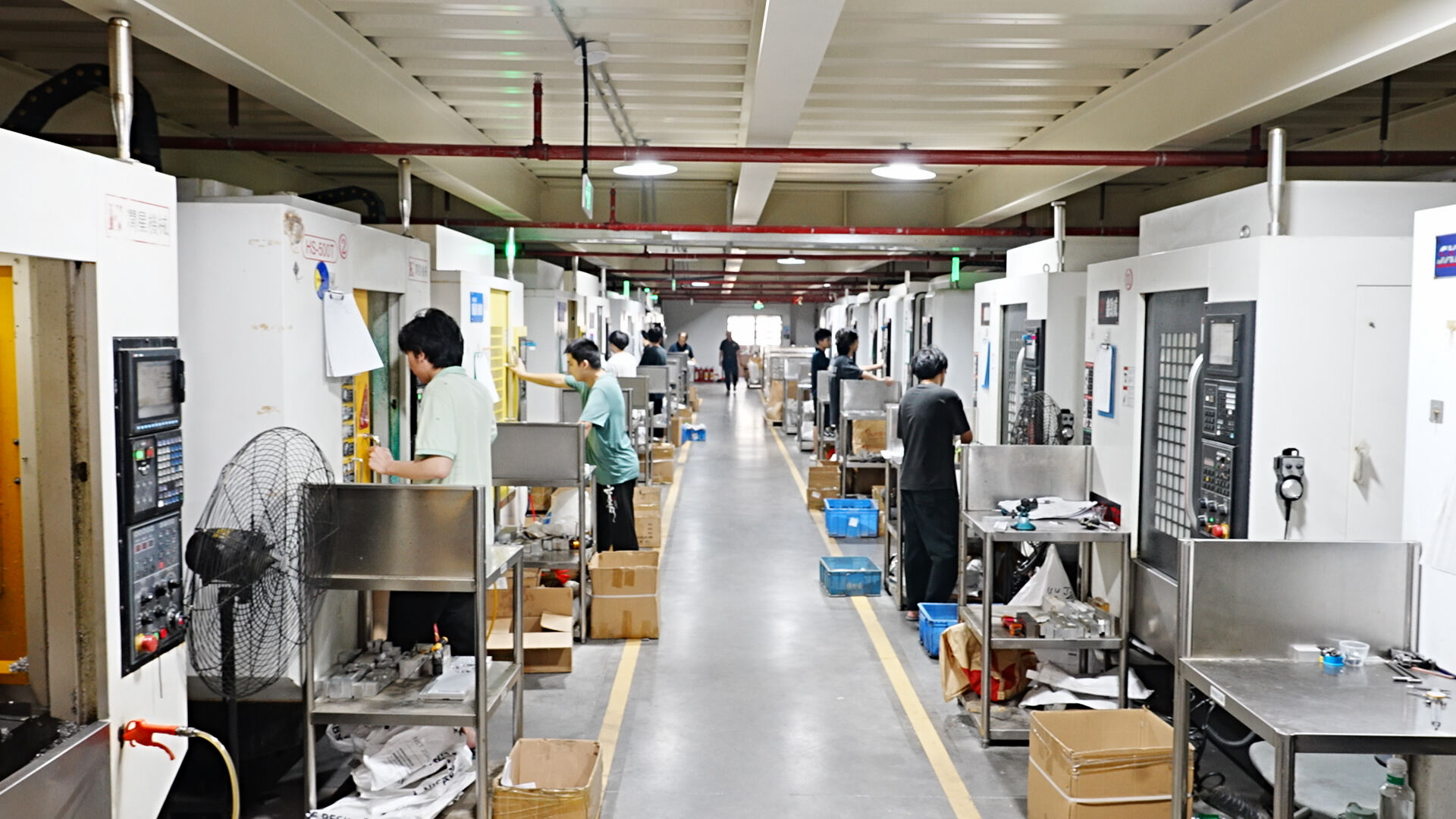
Dongguan BIE Hardware Co., Ltd., established in 2017, is a precision manufacturing enterprise specializing in the production of high-quality injection molded parts and integrated metal and plastic components. The company operates from a modern 3,000 square meter manufacturing facility located in Fenggang Town, Dongguan, Guangdong Province—one of China’s most established industrial manufacturing hubs. This strategic location allows BIE to leverage a mature supply chain ecosystem, advanced tooling resources, and efficient global logistics channels to support customers worldwide.

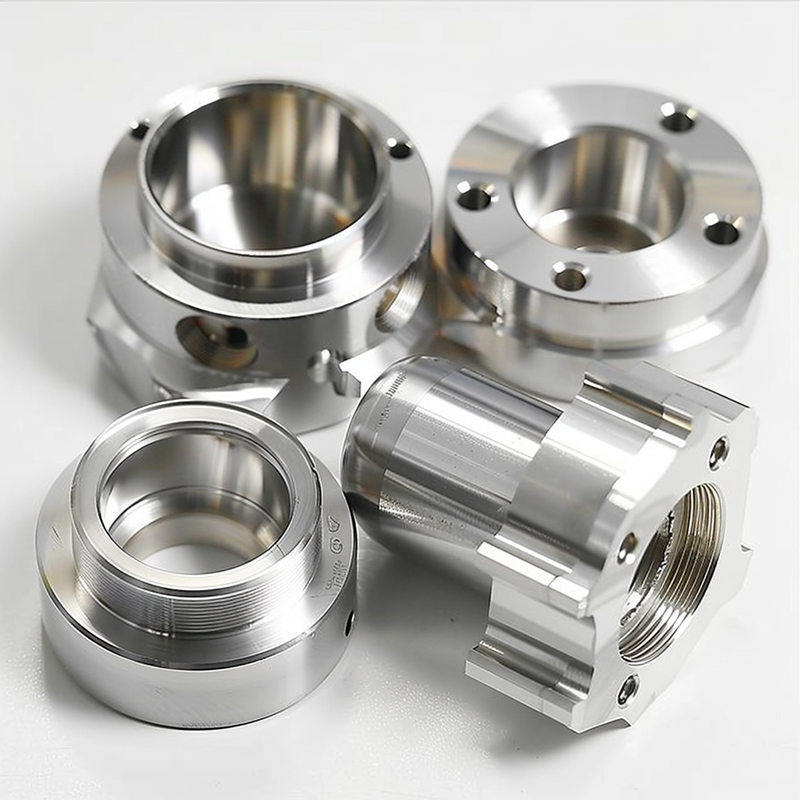
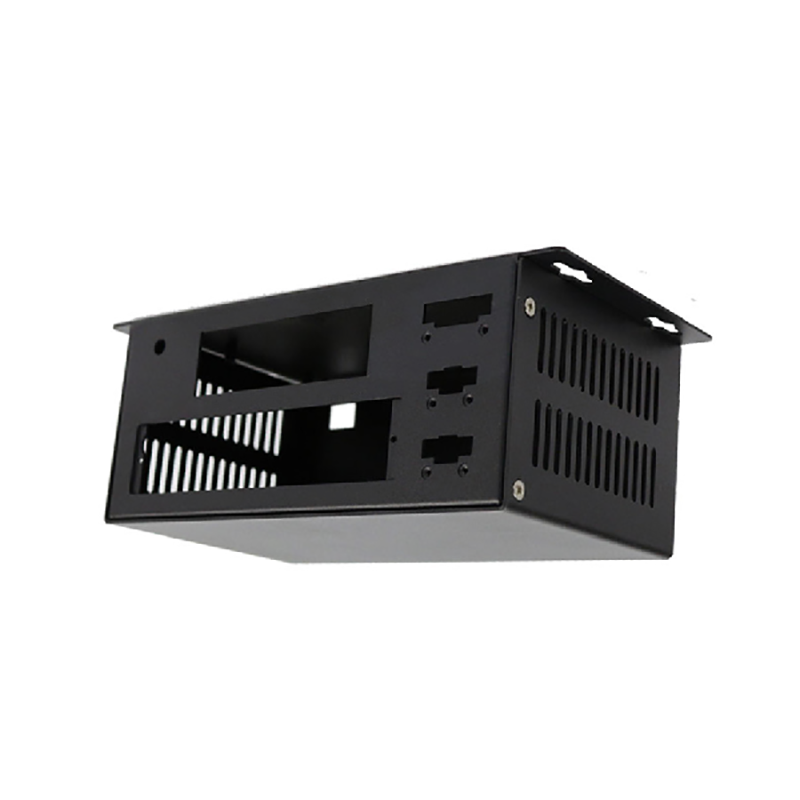
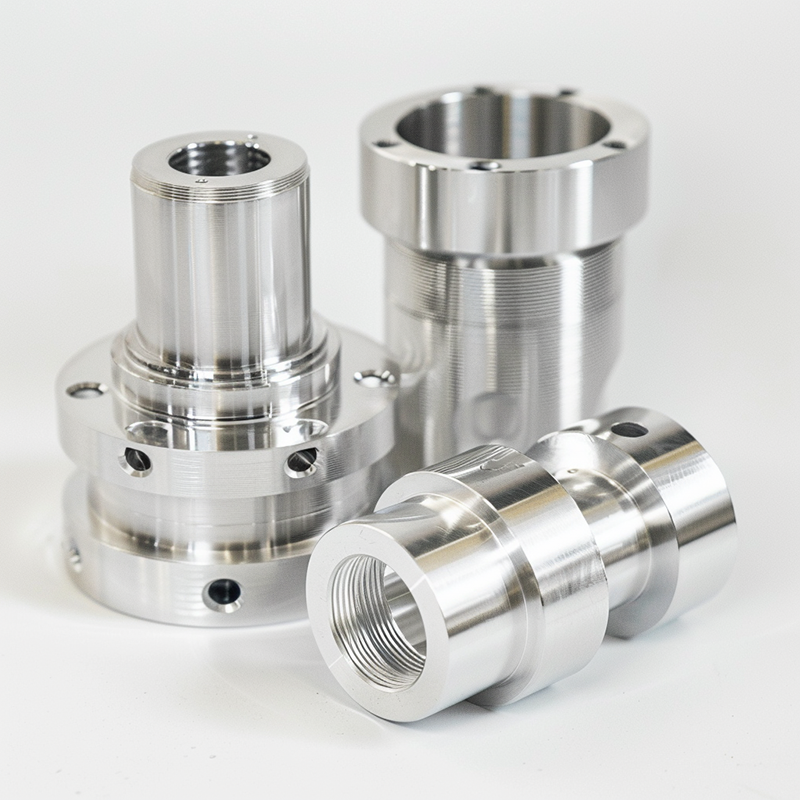
BIE’s manufacturing capabilities cover injection molded parts, CNC machining, sheet metal fabrication, die casting, surface treatment, and final assembly. By consolidating these processes within a single production system, BIE provides true one-stop manufacturing solutions that significantly reduce lead times, communication complexity, and quality risks for B2B clients. Our injection molding department is equipped with a range of modern hydraulic and electric injection molding machines, supporting both small precision components and large structural injection molded parts.

Quality assurance is deeply embedded in every stage of BIE’s production process. The company holds ISO 9001:2015, ISO 14001:2015, ISO 45001:2018, and RoHS certifications, ensuring compliance with international standards for quality management, environmental responsibility, and occupational safety. Incoming raw materials are verified against technical specifications, while in-process inspections and final dimensional checks are performed using calibrated measurement equipment. These systems allow injection molded parts to consistently meet customer specifications and regulatory requirements.

BIE serves a diverse customer base across automotive, medical devices, aerospace support components, lighting systems, consumer electronics, and industrial equipment sectors. The majority of clients are located in Europe and North America, where strict quality and compliance standards are required. BIE’s engineering team works closely with customers from the early design phase, offering DFM analysis, material optimization, and mold structure recommendations to improve product performance and reduce total cost of ownership.

Beyond manufacturing, BIE emphasizes long-term partnership and after-sales support. The company provides technical consultation, quality documentation, and responsive communication throughout the product lifecycle. By combining engineering expertise, certified quality systems, and scalable production capacity, BIE has established itself as a reliable supplier of injection molded parts for global OEM and industrial customers.

FAQ

What industries commonly use injection molded parts?

Injection molded parts are widely used in automotive, medical devices, consumer electronics, industrial equipment, lighting, packaging, and aerospace support applications. These industries require consistent quality, repeatability, and compliance with international standards. Injection molded parts support ISO, FDA, and RoHS requirements while enabling high-volume production with stable quality.
Quality consistency for injection molded parts is ensured through precision mold design, standardized process parameters, and automated machine control. Closed-loop monitoring systems track pressure, temperature, and cycle time in real time. Statistical quality control and regular inspections further ensure stable output over long production runs.
Yes. Injection molded parts offer exceptional design freedom, allowing complex geometries, thin-wall structures, integrated clips, and internal features to be formed in a single process. Advanced CAE simulation and mold flow analysis help ensure manufacturability and performance even for highly complex components.

More Posts

What is the Typical Lead Time for cnc lathe machining parts? How to Shorten Production Time

31

Jan

What is the Typical Lead Time for cnc lathe machining parts? How to Shorten Production Time

In global manufacturing supply chains, lead time is no longer a secondary commercial term—it has become a core competitiveness indicator. For buyers sourcing cnc lathe machining parts, especially in cross-border projects, delivery speed directl...
View More
What are the Common Mistakes in Choosing types of cnc machining? How to Avoid Them

31

Jan

What are the Common Mistakes in Choosing types of cnc machining? How to Avoid Them

In today’s precision-driven manufacturing landscape, types of CNC machining play a decisive role in determining product quality, production efficiency, and total manufacturing cost. From automotive components and industrial equipment to aerospa...
View More
What are the Common Mistakes in Choosing cnc turning service? How to Avoid Them

31

Jan

What are the Common Mistakes in Choosing cnc turning service? How to Avoid Them

Introduction: The Strategic Importance of CNC Turning Service CNC turning service has become an essential capability in modern precision manufacturing. Industries such as automotive, electronics, aerospace, and industrial automation rely on CNC turni...
View More
What is the Market Price Range of cnc production? Analysis of Key Cost Factors

31

Jan

What is the Market Price Range of cnc production? Analysis of Key Cost Factors

In today’s manufacturing landscape, CNC production has become a cornerstone for precision parts fabrication across industries ranging from automotive to aerospace and electronics. However, a recurring challenge for procurement managers and prod...
View More

Customer Reviews

Daniel Roberts

The injection molded parts we received demonstrated excellent dimensional consistency and surface quality. Production batches remained stable over long runs, and the supplier’s technical support was responsive and professional throughout the project lifecycle.

Sophia Müller

We selected this supplier for injection molded parts due to their certifications and manufacturing transparency. The parts met all European compliance requirements, and documentation was complete and well-organized, supporting our internal audits.

James Anderson

Their expertise in injection molded parts helped us optimize material selection and mold design, reducing overall cost by approximately 18 percent while maintaining required performance levels. A reliable long-term partner.

Get a Free Quote

Our representative will contact you soon.
Email
Name
Company Name
Message
0/1000
Attachment
Please upload at least an attachment
Up to 3 files,more 30mb,suppor jpg、jpeg、png、pdf、doc、docx、xls、xlsx、csv、txt、stp、step、igs、x_t、dxf、prt、sldprt、sat、rar、zip
Verified Dimensional Accuracy in Mass Production

Verified Dimensional Accuracy in Mass Production

Injection molded parts are validated through dimensional inspection reports, CpK analysis, and long-term stability testing. Typical tolerance control reaches ±0.02 mm for precision components. Consistent measurement data supports compliance with ISO 9001 quality standards and ensures repeatability across millions of production cycles.
Certified Materials for Regulated Applications

Certified Materials for Regulated Applications

Injection molded parts are produced using materials that comply with UL, FDA, and RoHS requirements. Flame-retardant grades achieve UL94 V-0 ratings, while food-contact and medical-grade materials meet FDA and EU standards, ensuring safe use in regulated markets.
Energy-Efficient and Sustainable Manufacturing Performance

Energy-Efficient and Sustainable Manufacturing Performance

Electric injection molding machines reduce energy consumption by up to 40 percent compared with traditional hydraulic systems. Combined with hot runner technology and recyclable materials, injection molded parts support sustainability goals while maintaining high production efficiency and quality stability.

Copyright © Dongguan BIE Hardware Co., Ltd  -  Privacy policy