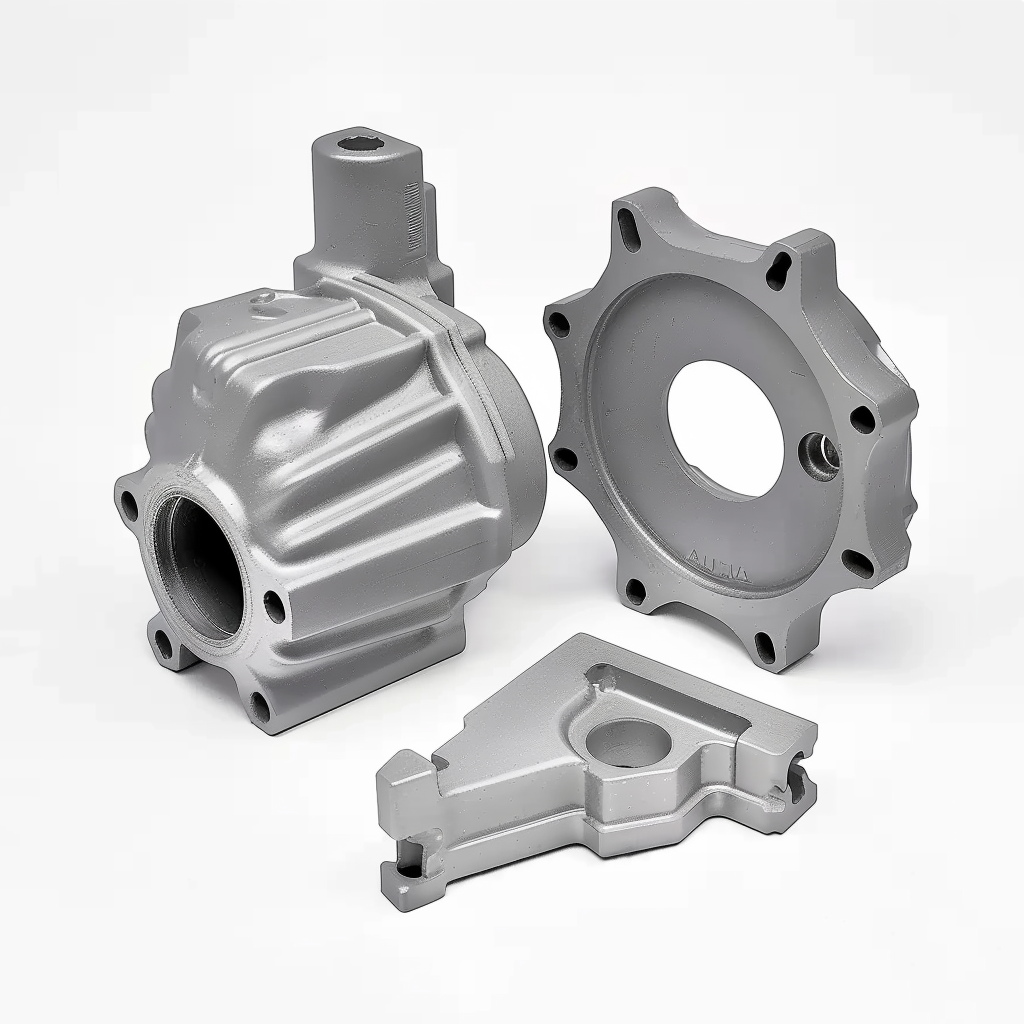
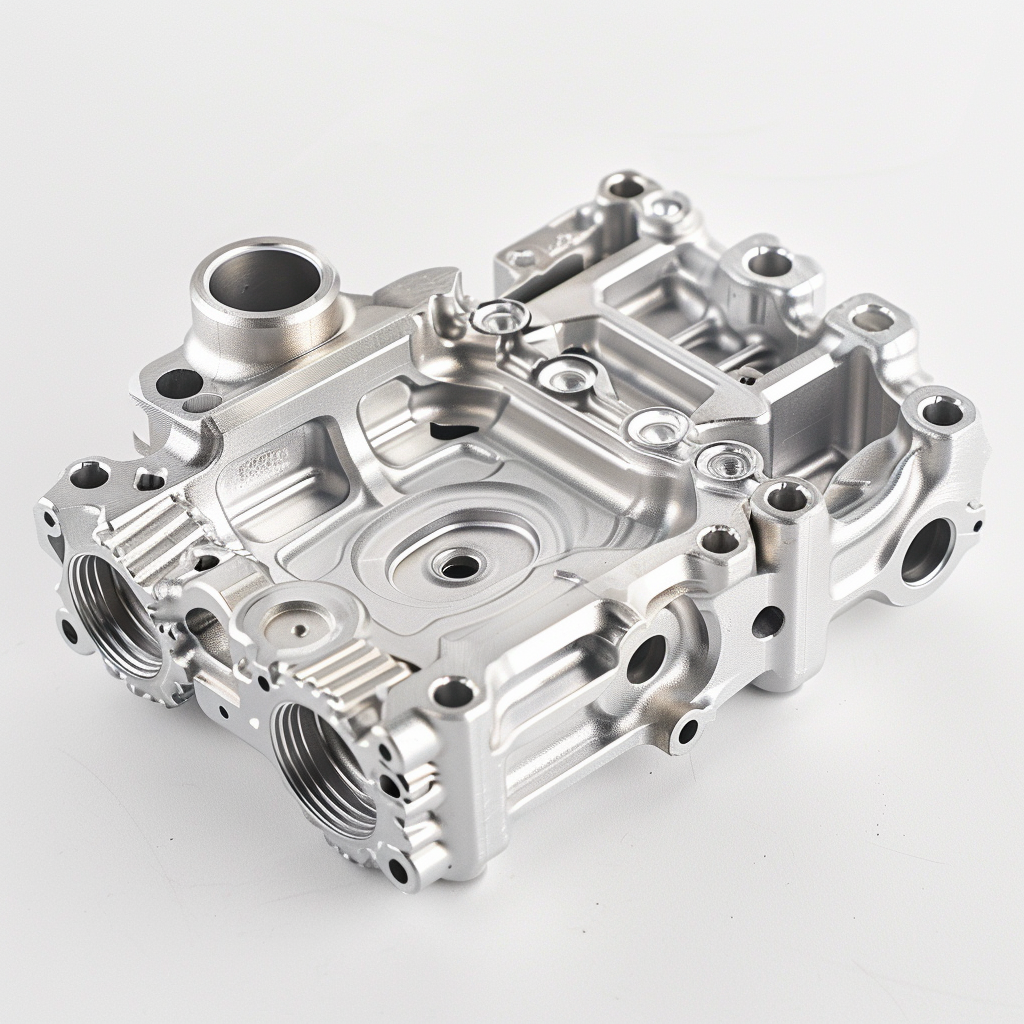
High Pressure Die Casting Manufacturer for OEM Precision Metal Parts Supply

High Pressure Die Casting Manufacturer for OEM Precision Metal Parts and Mass Production Supply

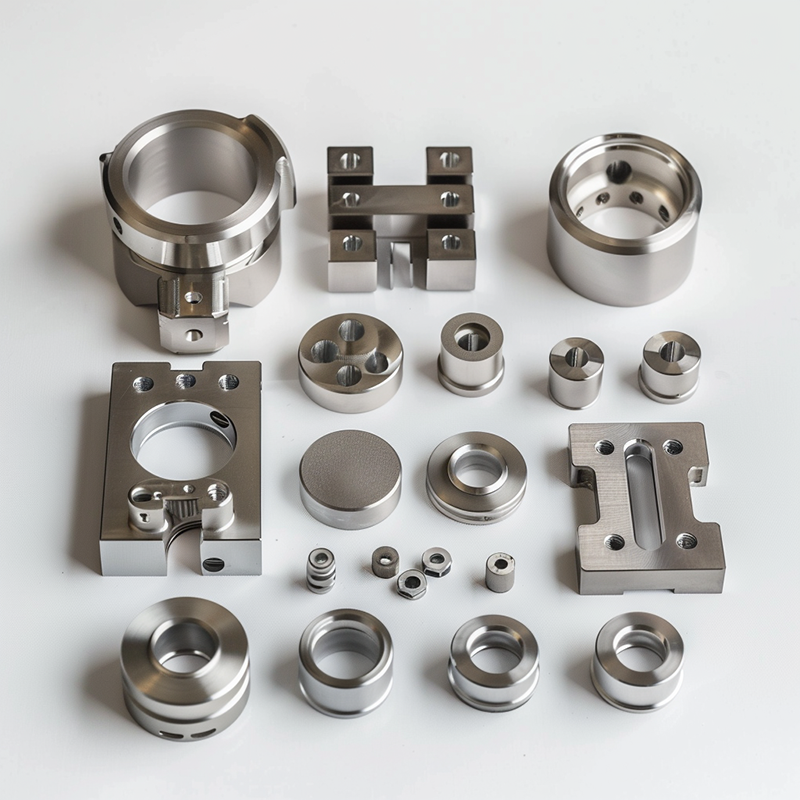
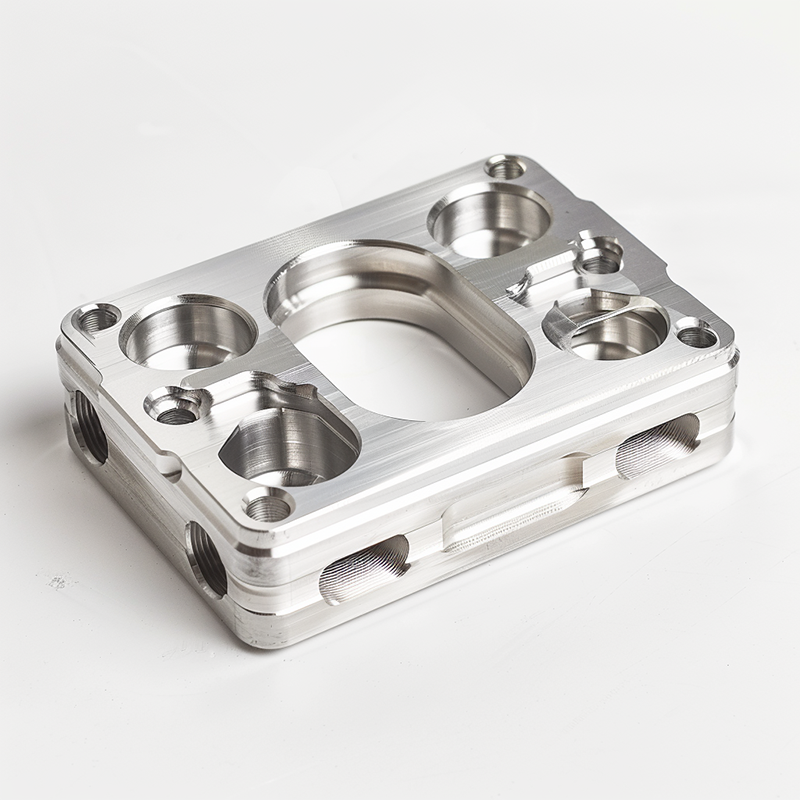
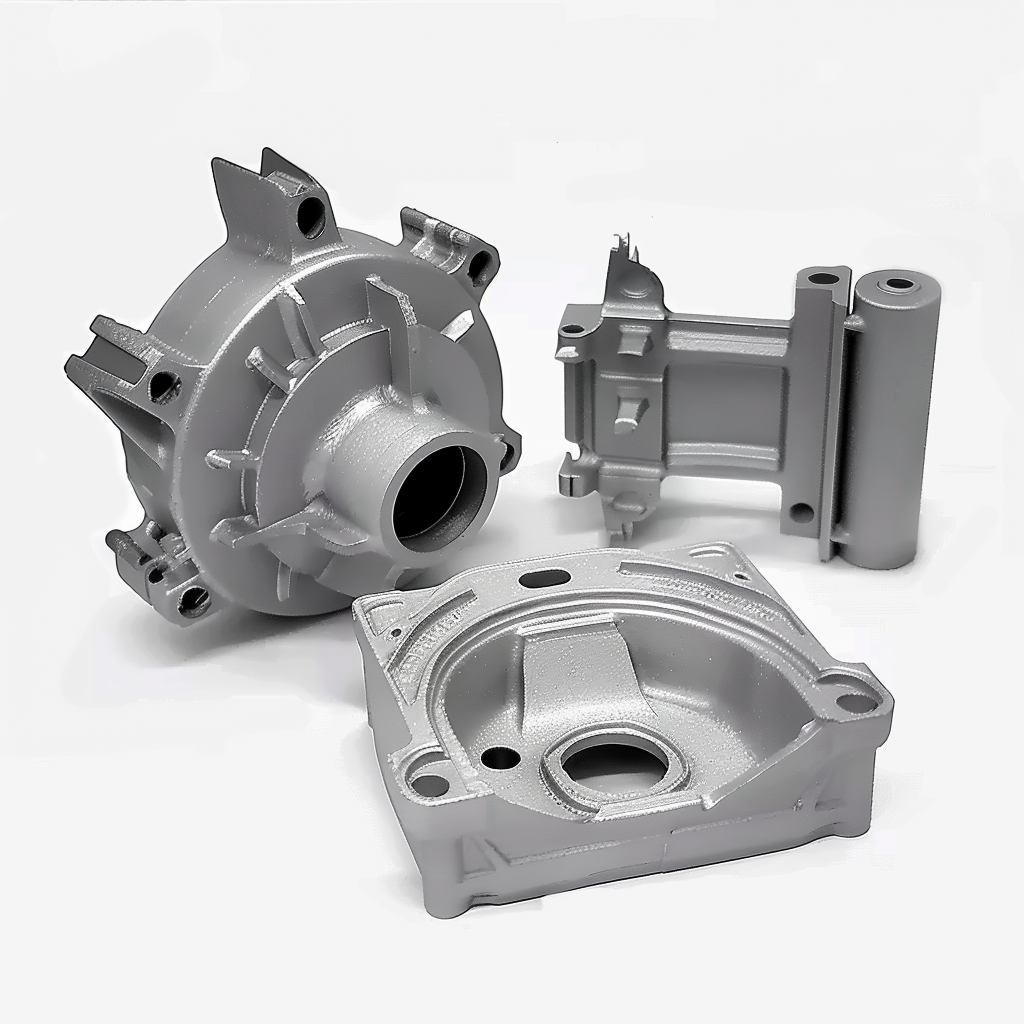
High Pressure Die Casting is a highly efficient metal forming technology widely adopted by OEM manufacturers, Tier suppliers, and industrial component producers seeking superior dimensional accuracy, high structural integrity, and scalable mass production capability. By injecting molten aluminum, magnesium, zinc, or copper alloys into hardened steel molds under pressures typically exceeding 1,000–2,000 bar, High Pressure Die Casting produces complex near-net-shape components with thin walls as low as 0.3–0.5 mm and dimensional tolerance reaching IT11–IT13 grade. High Pressure Die Casting delivers excellent surface finish between Ra 0.8–3.2 μm, reducing secondary machining while ensuring consistent repeatability across high-volume production cycles. Automated High Pressure Die Casting cells achieve cycle times of 20–60 seconds, enabling annual output exceeding hundreds of thousands of parts per mold. Material utilization surpasses 95% through closed-loop recycling.
Get A Quote

High Pressure Die Casting

High Pressure Die Casting combines mechanical performance, production efficiency, and geometric freedom into a single manufacturing platform optimized for long-term industrial scalability. Compared with CNC machining or stamping assemblies, High Pressure Die Casting reduces material waste by more than 40%, lowers unit cost at volume production by 25–50%, and improves structural integration by consolidating multi-part assemblies into single castings. With injection pressures exceeding 1,500 bar and fill speeds above 40 m/s, High Pressure Die Casting ensures excellent mold filling, high density, and consistent surface quality. Certified production systems operating under ISO 9001, ISO 14001, IATF 16949, and RoHS validate High Pressure Die Casting as a stable, auditable, and globally compliant manufacturing solution.

Ultra-Thin Wall Precision and Near-Net Shape Manufacturing Capability

High Pressure Die Casting enables stable thin-wall production down to 0.3–0.5 mm for magnesium and aluminum alloys while maintaining dimensional tolerance within ±0.05 mm on critical features. Surface roughness typically reaches Ra 0.8–3.2 μm, significantly reducing post-machining requirements by up to 35%. Mold cavity replication accuracy exceeds 98%, verified through CMM measurement and ISO 2768 dimensional validation, ensuring High Pressure Die Casting delivers repeatable precision for complex geometries.

High Structural Density and Mechanical Reliability

High Pressure Die Casting achieves internal density above 99.5% under optimized gating and vacuum assistance, reducing porosity below 0.5% as verified by X-ray inspection. Aluminum High Pressure Die Casting components typically reach tensile strength of 180–320 MPa and fatigue life exceeding 1 million cycles under dynamic load testing aligned with ASTM E466 standards. This ensures High Pressure Die Casting supports load-bearing and safety-critical applications.

Scalable Automation and Cost Efficiency for Mass Production

Automated High Pressure Die Casting cells achieve cycle times between 20–60 seconds with OEE exceeding 85% and CpK ≥1.33 under SPC control. Material recycling efficiency exceeds 95%, lowering raw material cost and carbon footprint. Compared with multi-process fabrication, High Pressure Die Casting reduces total manufacturing cost by up to 40% at volumes exceeding 100,000 units annually.

Related Products

In continuous production trials, High Pressure Die Casting demonstrated stable molten metal filling at injection speeds above 45 m/s with cavity pressure consistency within ±3%. Vacuum-assisted High Pressure Die Casting reduced internal porosity to 0.38% verified through CT scanning. Surface coating adhesion achieved ISO 2409 Class 0 after anodizing and powder coating. Salt spray resistance exceeded 720 hours under ASTM B117 testing. Dimensional drift across 50,000 cycles remained below ±0.03 mm, confirming mold stability and repeatability. High Pressure Die Casting reduced machining allowance by 32%, improving throughput and lowering unit cost.

Dongguan BIE Hardware Co., Ltd is an integrated precision manufacturing enterprise established in 2017, located in Fenggang Town, Dongguan, Guangdong Province, one of China’s most mature industrial manufacturing clusters. Operating from a modern production campus exceeding 3,000 square meters, BIE has developed a vertically integrated production system centered on High Pressure Die Casting, precision CNC machining, sheet metal fabrication, and plastic injection molding, providing one-stop manufacturing solutions for global OEM and Tier customers.

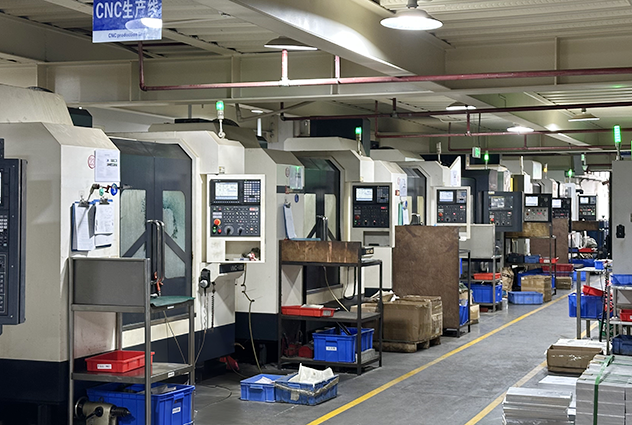
BIE operates more than 60 advanced production assets, including high-tonnage High Pressure Die Casting machines ranging from 280 tons to 1,600 tons, multi-axis CNC machining centers, robotic trimming lines, automated deburring systems, vacuum casting units, and inline inspection systems. Annual production capacity exceeds 6 million precision components with consistent batch stability supporting long-term supply contracts across automotive, renewable energy, medical equipment, industrial automation, lighting systems, and consumer electronics industries.

Engineering capability is embedded throughout the High Pressure Die Casting lifecycle. BIE applies mold flow simulation, thermal balance analysis, and filling behavior modeling during early DFM stages to optimize gate location, minimize turbulence, and control solidification shrinkage. Conformal cooling channels manufactured using metal additive manufacturing improve heat dissipation efficiency by up to 18% and extend mold life beyond 300,000 cycles. Process parameters including injection velocity, intensification pressure, die temperature, and vacuum level are digitally monitored and archived for full traceability.

Quality assurance follows internationally recognized systems including ISO 9001:2015 for quality management, ISO 14001:2015 for environmental responsibility, ISO 45001:2018 for occupational safety, and RoHS material compliance. Every High Pressure Die Casting batch undergoes chemical composition verification, X-ray inspection, CMM dimensional measurement, mechanical performance testing, and surface coating validation. Statistical process control ensures CpK ≥1.33 for critical characteristics, supporting PPAP documentation and customer audits.

Sustainability plays a strategic role in High Pressure Die Casting operations. Closed-loop aluminum recycling achieves material recovery above 95%. Energy-efficient melting furnaces reduce electricity consumption per ton by approximately 22%. Water-based release agents and low-VOC surface treatment systems reduce environmental impact while maintaining coating durability exceeding 1,000 hours salt spray performance.

BIE’s customer service model integrates early-stage engineering consultation, rapid prototyping within 5–10 working days, tooling lifecycle management, mass production ramp-up support, and 24/7 technical response. ERP-driven production scheduling ensures on-time delivery performance exceeding 98.5%. Global logistics partnerships enable stable shipping to Europe and North America with predictable lead times.

Through continuous investment in automation, digital manufacturing systems, and talent development, BIE positions itself as a reliable High Pressure Die Casting manufacturing partner delivering scalability, quality stability, regulatory compliance, and long-term operational resilience.
FAQ

What materials are best suited for High Pressure Die Casting?

High Pressure Die Casting is optimized for aluminum, magnesium, zinc, and copper alloys due to fluidity, thermal conductivity, and mechanical stability. Aluminum High Pressure Die Casting dominates automotive and electronics applications, while zinc supports ultra-thin wall precision parts.
Yes. Vacuum High Pressure Die Casting reduces internal porosity below 0.5%, enabling pressure-tight housings and laser welding compatibility verified by helium leak testing and X-ray inspection.
High Pressure Die Casting tooling becomes cost-effective when annual volume exceeds 50,000–100,000 units, where unit cost reductions reach 30–50% compared with machining.

More Posts

What Should Be Noted When Purchasing cnc turned components manufacturer Cross-Border? Logistics and Customs Guide

31

Jan

What Should Be Noted When Purchasing cnc turned components manufacturer Cross-Border? Logistics and Customs Guide

A Practical Logistics and Customs Guide for Global Buyers In today’s global manufacturing environment, sourcing precision parts across borders has become a strategic necessity rather than a simple cost-saving option. For international buyers, c...
View More
What are the Latest aluminum cnc machining service Technologies? Industry Development Trends

31

Jan

What are the Latest aluminum cnc machining service Technologies? Industry Development Trends

As lightweight design becomes a structural requirement rather than an optimization option, aluminum cnc machining service is playing an increasingly critical role across industries such as new energy vehicles, aerospace, industrial automation, and co...
View More
What are the Key Indicators for Judging injection molded plastic parts Quality? Testing Methods

31

Jan

What are the Key Indicators for Judging injection molded plastic parts Quality? Testing Methods

Dongguan BIE Hardware Co., Ltd has decades of experience in supplying high-quality injection molded plastic parts for industries ranging from automotive to electronics and medical devices. Despite their prevalence, ensuring consistent quality remains...
View More
What are the Common Quality Issues with plastic machining services? Prevention and Solutions

31

Jan

What are the Common Quality Issues with plastic machining services? Prevention and Solutions

Dimensional Deviation and Part Deformation One of the most frequent complaints in plastic machining services is inconsistent dimensions, especially after cooling or assembly. This problem is deeply connected to plastic’s thermal sensitivity and...
View More

Customer Reviews

Andrew Collins, Automotive Powertrain Supplier

“High Pressure Die Casting allowed us to consolidate six machined components into one integrated casting, reducing assembly labor by 34% and improving dimensional repeatability.”

Maria González, Renewable Energy Equipment OEM

“Our High Pressure Die Casting housings achieved thermal performance improvement of 29% while maintaining porosity below 0.4% across mass production.”

Jason Wu, Industrial Electronics Manufacturer

“High Pressure Die Casting delivered stable CpK above 1.45 over 12 months with zero major non-conformities during customer audits.”

Get a Free Quote

Our representative will contact you soon.
Email
Name
Company Name
Message
0/1000
Attachment
Please upload at least an attachment
Up to 3 files,more 30mb,suppor jpg、jpeg、png、pdf、doc、docx、xls、xlsx、csv、txt、stp、step、igs、x_t、dxf、prt、sldprt、sat、rar、zip
Ultra-High Density Vacuum High Pressure Die Casting Performance Validation

Ultra-High Density Vacuum High Pressure Die Casting Performance Validation

Vacuum-assisted High Pressure Die Casting achieved internal porosity below 0.38% verified by CT scanning and X-ray inspection. Tensile strength reached 305 MPa for aluminum alloys tested under ASTM B557 standards. Helium leak testing confirmed airtight performance below 1×10⁻⁵ mbar·L/s. ISO 9001 and IATF 16949 audits validated process consistency.
Large-Scale Integrated Structural High Pressure Die Casting Capability

Large-Scale Integrated Structural High Pressure Die Casting Capability

High Pressure Die Casting machines up to 1,600 tons produce single-piece structural components exceeding 1 m² projection area. Dimensional deviation remained below ±0.05 mm after 80,000 cycles. Crash simulation and fatigue testing confirmed compliance with automotive structural validation standards.
Green Manufacturing and Energy-Efficient High Pressure Die Casting Systems

Green Manufacturing and Energy-Efficient High Pressure Die Casting Systems

Energy-optimized melting systems reduced electricity consumption per ton by 22%. Recycling utilization exceeded 95% under ISO 14001 systems. Carbon footprint tracking supports ESG reporting compliance for global OEM customers.

Copyright © Dongguan BIE Hardware Co., Ltd  -  Privacy policy