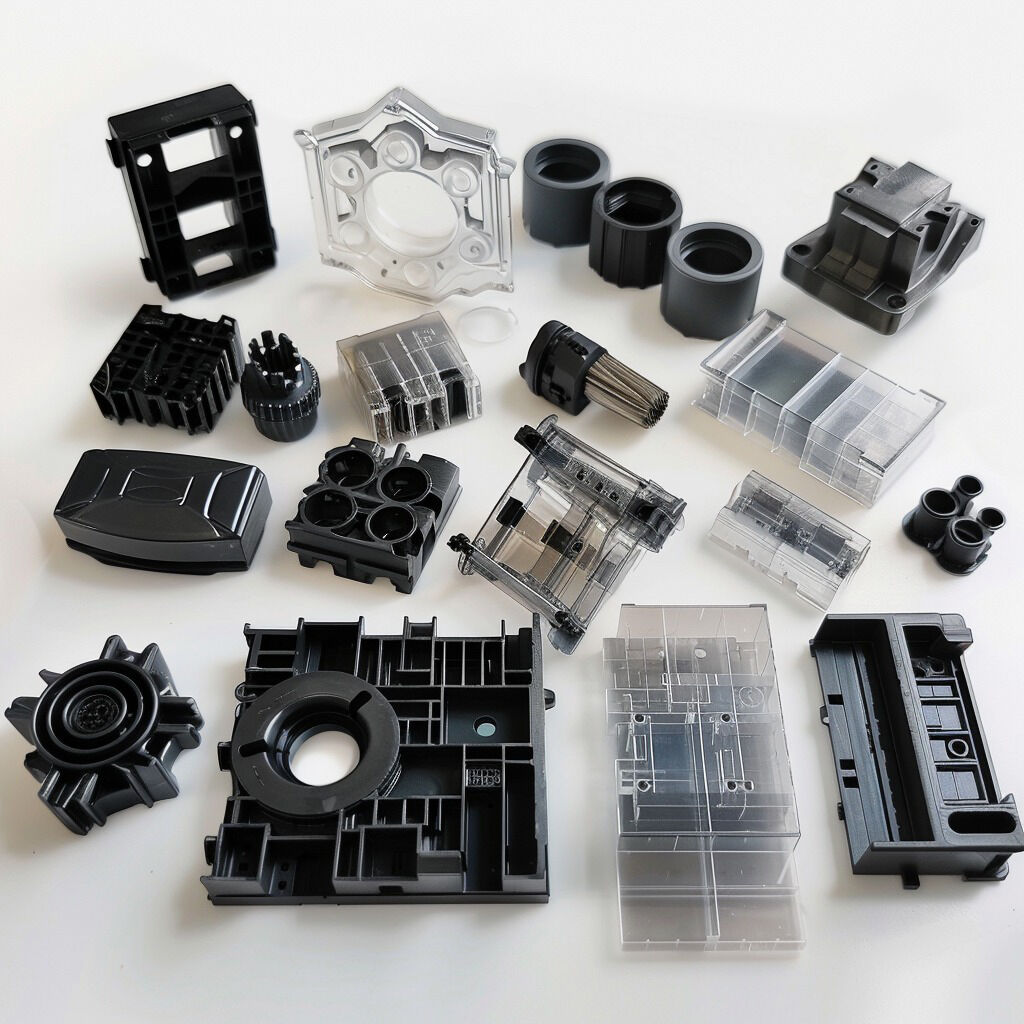
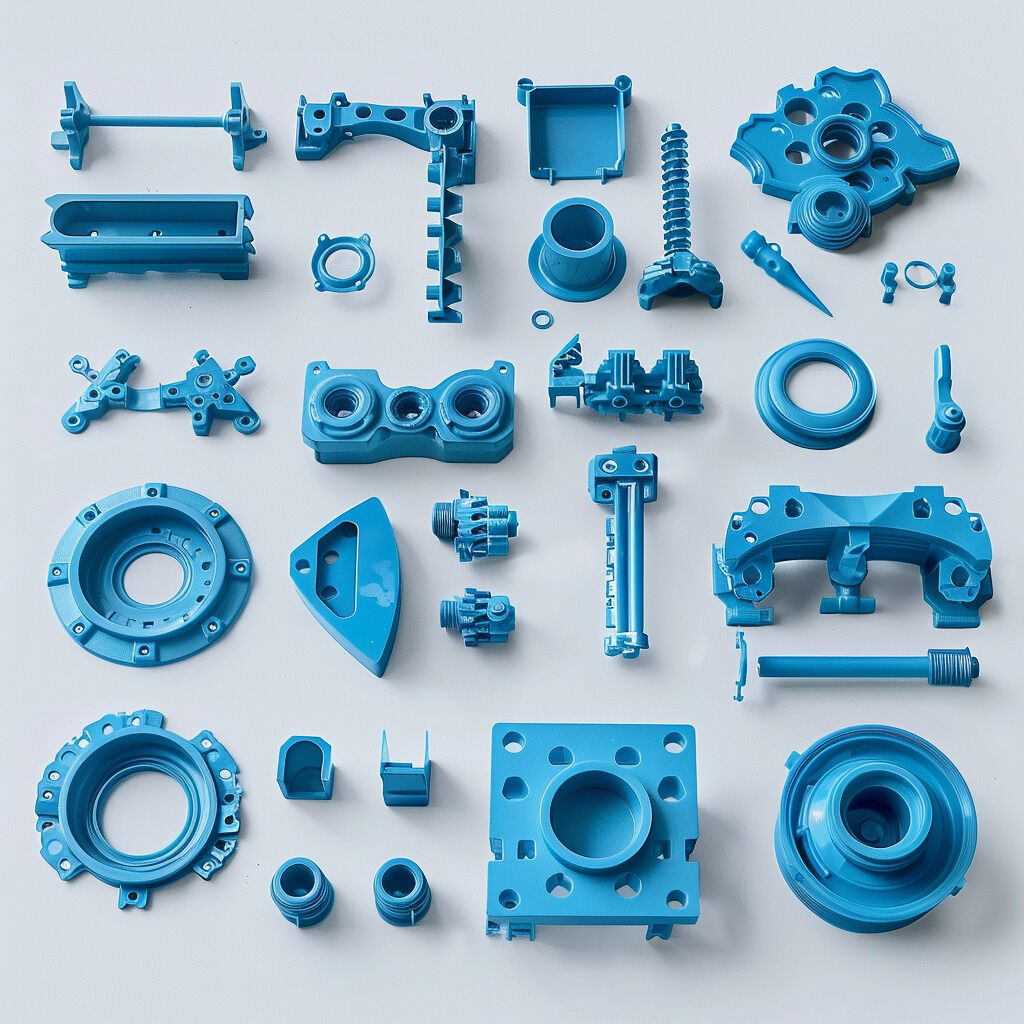
High Precision Custom Injection Molding Factory for Global B2B Buyers

Custom Injection Molding Services for High-Precision Industrial and OEM Manufacturing

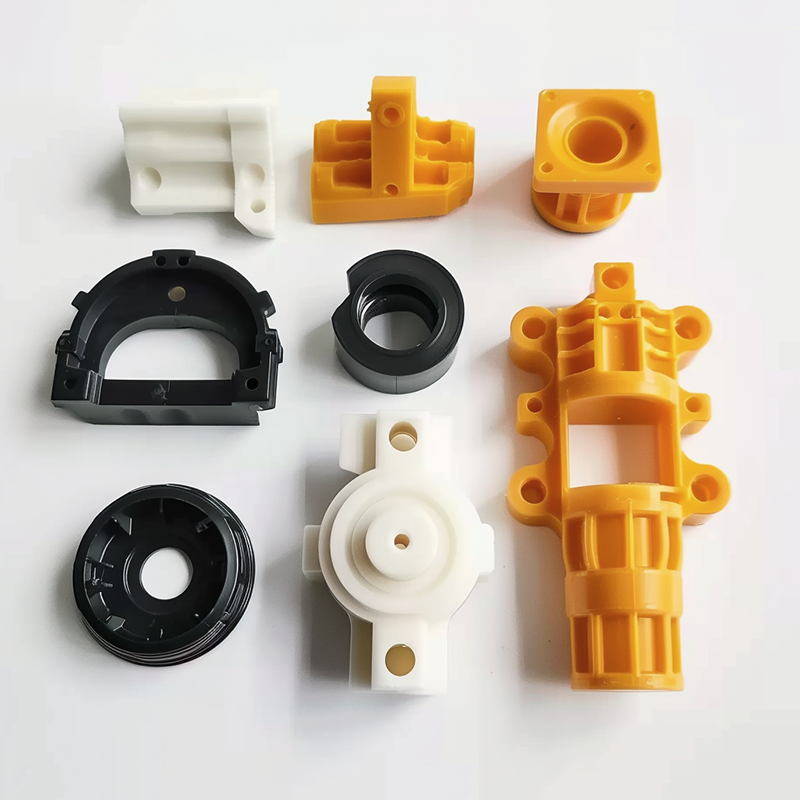
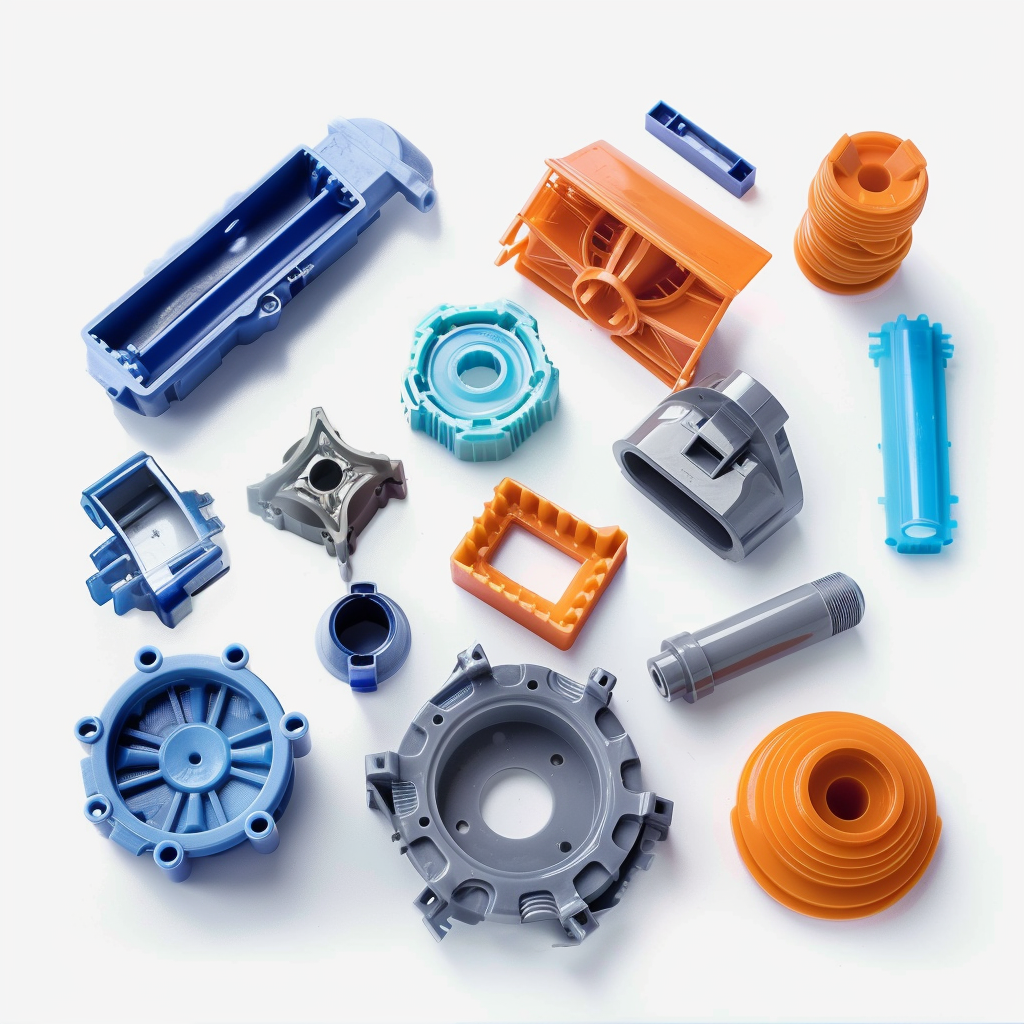
Custom injection molding is a core manufacturing solution for OEMs, industrial buyers, and global brands seeking scalable, repeatable, and cost-efficient production of plastic components. As a professional supplier of custom injection molding services, we support clients across automotive, medical, electronics, industrial equipment, and consumer product sectors. Custom injection molding enables precise control over material selection, mechanical properties, surface finish, dimensional tolerance, and part integration. By leveraging engineering plastics, advanced mold design, and automated injection molding systems, manufacturers can achieve consistent quality at high volumes while maintaining strict compliance with ISO, RoHS, FDA, and industry-specific standards.
Get A Quote

Custom Injection Molding

Custom injection molding provides a unique combination of scalability, precision, and economic efficiency that few manufacturing processes can match. From material formulation to mold engineering and automated production, custom injection molding allows manufacturers to tightly control every variable affecting product performance, appearance, and durability. For B2B customers, the advantages extend beyond cost reduction to include compliance assurance, supply chain stability, and long-term production consistency. With modern electric injection molding machines, advanced CAE simulation, and ISO-certified quality systems, custom injection molding delivers predictable outcomes even in high-volume or high-complexity applications. The following advantages highlight why custom injection molding is widely adopted across regulated and performance-driven industries.

High Dimensional Accuracy and Repeatability

Custom injection molding achieves exceptional dimensional consistency, with typical tolerances controlled within ±0.01–0.05 mm depending on material and part geometry. Once the mold and process parameters are validated, millions of identical parts can be produced with minimal variation. This repeatability is critical for automotive assemblies, medical devices, and electronic housings that must meet ISO 9001 and IATF 16949 quality standards. Statistical process control data from mature injection molding lines shows CpK values consistently above 1.33, ensuring stable mass production and reduced defect rates.

Material Versatility and Performance Optimization

Custom injection molding supports an extensive range of thermoplastics, including PP, ABS, PC, PA, PBT, PPS, and high-performance polymers such as PEEK and LCP. Through compounding with glass fiber, mineral fillers, flame retardants, or UV stabilizers, mechanical strength can increase by over 200 percent, and heat resistance can exceed 260°C. Many materials used in custom injection molding comply with UL94, FDA, and RoHS standards, enabling safe deployment in electrical, medical, and food-contact applications.

Cost Efficiency at Scale

While tooling investment is required upfront, custom injection molding offers one of the lowest per-unit costs in high-volume manufacturing. Automated cycles as short as 8–30 seconds significantly reduce labor dependency, and material utilization rates often exceed 95 percent due to runner recycling and hot runner systems. For annual volumes above 50,000 units, custom injection molding typically delivers cost savings of 30–60 percent compared to CNC machining or additive manufacturing, making it ideal for long-term OEM programs.

Related Products

In practical production environments, custom injection molding demonstrates outstanding stability and process control. During continuous operation, modern electric injection molding machines maintain injection pressure, temperature, and cycle time with minimal deviation, resulting in highly consistent part quality. Mold flow simulations and trial sampling confirm uniform filling, reduced warpage, and controlled shrinkage across complex geometries. In durability testing, injection molded components reinforced with glass fiber show tensile strength improvements of over 150 percent compared to unfilled materials. Surface finishes produced directly from polished molds consistently meet Class A appearance requirements, eliminating secondary coating processes. These performance results validate custom injection molding as a reliable, production-proven solution for demanding industrial and commercial applications.

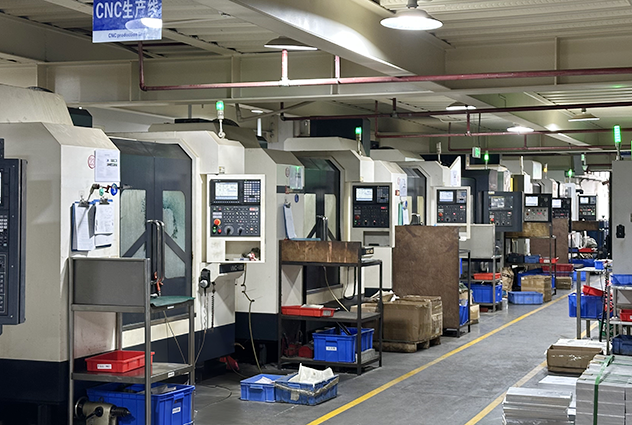
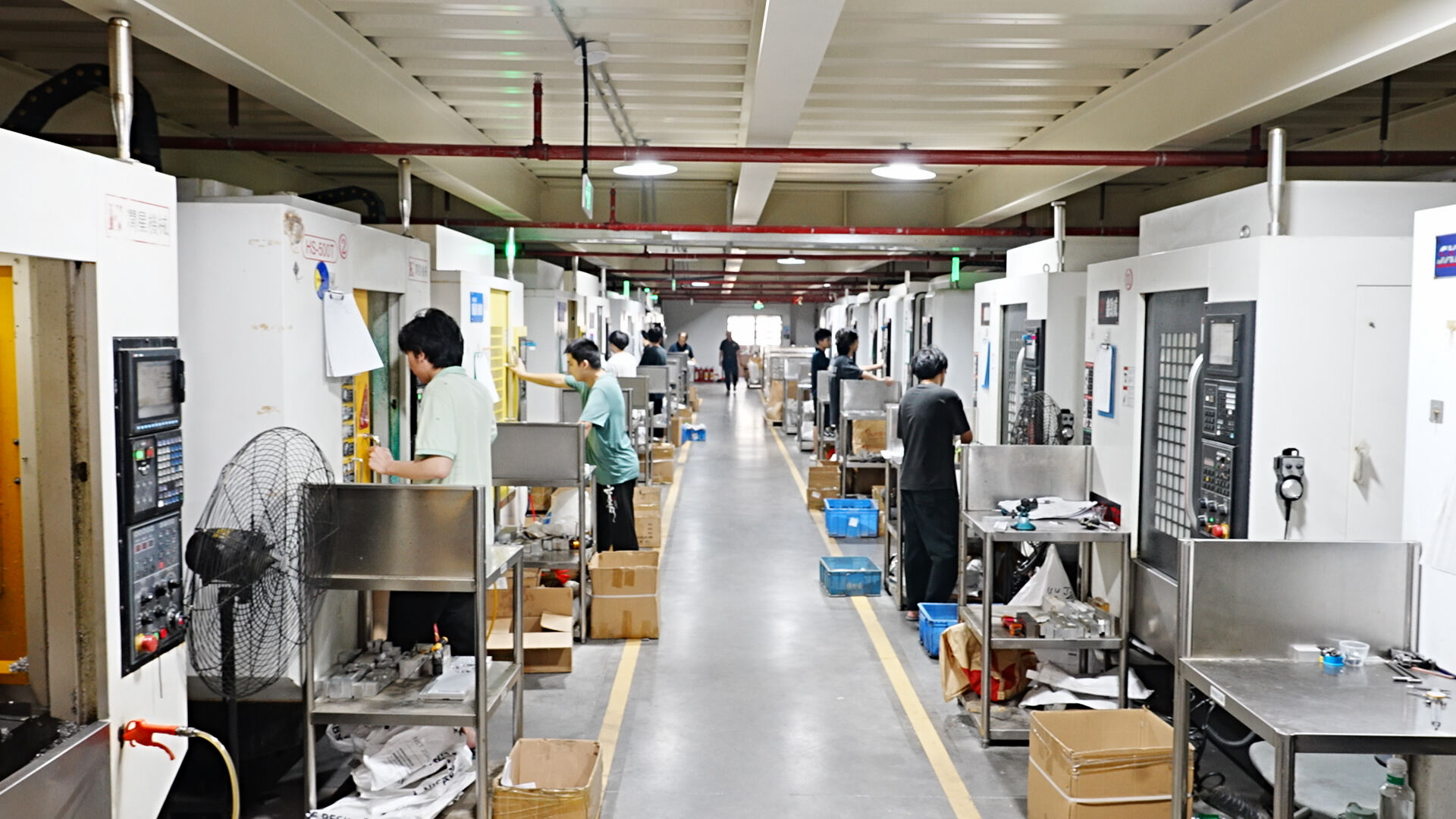
Founded in 2017, Dongguan BIE Hardware Co., Ltd. has grown into a comprehensive precision manufacturing partner specializing in custom injection molding and integrated metal and plastic component production. Located in Fenggang Town, Dongguan, Guangdong Province, BIE operates a modern 3,000 square meter manufacturing facility strategically positioned within China’s advanced manufacturing corridor. This location enables efficient access to mature raw material supply chains, tooling resources, and global logistics networks, ensuring stable lead times and competitive pricing for international customers.

BIE’s core capabilities include custom injection molding, CNC machining, sheet metal fabrication, die casting, surface finishing, and final assembly. By consolidating these processes under one roof, BIE provides true one-stop manufacturing solutions, significantly reducing coordination risk, communication delays, and quality inconsistencies for B2B clients. Our custom injection molding department is equipped with advanced hydraulic and electric injection molding machines ranging from small-tonnage precision presses to large-tonnage systems suitable for structural components.

Quality management is central to BIE’s manufacturing philosophy. The company is certified to ISO 9001:2015, ISO 14001:2015, ISO 45001:2018, and RoHS standards, ensuring that every custom injection molding project meets internationally recognized benchmarks for quality, environmental responsibility, and occupational safety. Incoming materials undergo strict verification, while in-process inspections and final dimensional measurements are conducted using calibrated precision instruments. These systems enable consistent defect rates below industry averages and support full production traceability.

BIE serves customers across automotive, aerospace, medical devices, lighting, consumer electronics, and industrial equipment sectors, with the majority of clients located in Europe and North America. Our engineering team collaborates closely with customers from the early design stage, providing DFM feedback, material recommendations, and tooling optimization to reduce risk and total cost of ownership. Post-production, BIE offers responsive after-sales support, technical consultation, and continuous improvement initiatives, ensuring long-term partnership value and supply stability.

FAQ

What industries benefit most from custom injection molding?

Custom injection molding is widely adopted in automotive, medical devices, consumer electronics, industrial equipment, aerospace interiors, and packaging industries. These sectors require consistent quality, regulatory compliance, and scalable production. Custom injection molding supports ISO, FDA, and RoHS requirements while delivering cost efficiency at high volumes, making it ideal for regulated and performance-driven markets.
Product consistency in custom injection molding is achieved through precision mold engineering, closed-loop machine control, and standardized process parameters. Once validated, the process produces parts with minimal variation over long production runs. Statistical quality control and in-mold sensors further enhance consistency and traceability.
Yes. With rapid tooling, aluminum molds, and modular mold designs, custom injection molding can be economically viable for medium volumes. This approach allows B2B customers to balance tooling cost with production efficiency while maintaining high quality standards.

More Posts

What Should Be Noted When Purchasing cnc turned components manufacturer Cross-Border? Logistics and Customs Guide

31

Jan

What Should Be Noted When Purchasing cnc turned components manufacturer Cross-Border? Logistics and Customs Guide

A Practical Logistics and Customs Guide for Global Buyers In today’s global manufacturing environment, sourcing precision parts across borders has become a strategic necessity rather than a simple cost-saving option. For international buyers, c...
View More
What is the Processing Flow of pressure die casting? Detailed Step-by-Step Analysis

31

Jan

What is the Processing Flow of pressure die casting? Detailed Step-by-Step Analysis

A Detailed Step-by-Step Analysis for Global Buyers When holding a modern smartphone, automotive component, or smart home device, few people realize that many of the lightweight yet structurally complex metal parts inside are produced through pressure...
View More
What Special Requirements Does the Aerospace Industry Have for steel forging? Standard Interpretation

31

Jan

What Special Requirements Does the Aerospace Industry Have for steel forging? Standard Interpretation

An Expert Interpretation of Aerospace Standards and Manufacturing Reality In aerospace engineering, steel forgings are not treated as ordinary structural components. They are regarded as safety-critical load-bearing elements whose failure could direc...
View More
What is the Typical Lead Time for cnc lathe machining parts? How to Shorten Production Time

31

Jan

What is the Typical Lead Time for cnc lathe machining parts? How to Shorten Production Time

In global manufacturing supply chains, lead time is no longer a secondary commercial term—it has become a core competitiveness indicator. For buyers sourcing cnc lathe machining parts, especially in cross-border projects, delivery speed directl...
View More

Customer Reviews

Michael Turner

Our collaboration on custom injection molding projects has been extremely successful. The dimensional consistency and material performance exceeded our expectations, and the supplier demonstrated strong engineering support throughout development and mass production.

Laura Schmidt

The custom injection molding quality was stable across large production batches. Documentation, certifications, and communication met our European compliance requirements, making long-term cooperation reliable and efficient.

David Wilson

We value the supplier’s expertise in custom injection molding and their ability to recommend materials and tooling improvements that reduced our total cost by over 20 percent without compromising quality.

Get a Free Quote

Our representative will contact you soon.
Email
Name
Company Name
Message
0/1000
Attachment
Please upload at least an attachment
Up to 3 files,more 30mb,suppor jpg、jpeg、png、pdf、doc、docx、xls、xlsx、csv、txt、stp、step、igs、x_t、dxf、prt、sldprt、sat、rar、zip
Verified High-Precision Production

Verified High-Precision Production

Custom injection molding production is validated through dimensional inspection reports, CpK analysis, and long-term stability testing. Measured tolerance performance consistently meets ±0.02 mm standards, supporting ISO-certified applications.
Certified Materials and Compliance

Certified Materials and Compliance

Materials used in custom injection molding comply with UL, FDA, and RoHS standards. Flame-retardant grades achieve UL94 V-0 ratings, while medical-grade resins meet biocompatibility requirements.
Energy-Efficient and Sustainable Manufacturing

Energy-Efficient and Sustainable Manufacturing

Electric injection molding machines reduce energy consumption by up to 40 percent compared to hydraulic systems. Recycled and bio-based materials further support sustainability goals without compromising performance.

Copyright © Dongguan BIE Hardware Co., Ltd  -  Privacy policy