Top CNC Milling Manufacturers: Precision, Scalability & ISO Certification

Cnc Milling Manufacturers Delivering Ultra-Precision, Scalable Production for Global Industrial Buyers

Cnc milling manufacturers play a decisive role in modern industrial supply chains by delivering micron-level accuracy, repeatability, and scalable production capacity across aerospace, automotive, medical, electronics, and energy sectors. Professional cnc milling manufacturers integrate multi-axis machining centers, advanced CAM software, automated tool management, and closed-loop inspection systems to ensure consistent dimensional stability, superior surface finish, and predictable lead times. For global B2B buyers, selecting reliable cnc milling manufacturers directly impacts product quality, regulatory compliance, and total cost of ownership. High-end cnc milling manufacturers are capable of machining aluminum, stainless steel, titanium, hardened steel, engineering plastics, composites, and ceramics while maintaining tight tolerances below ±0.005 mm.
Get A Quote

Cnc Milling Manufacturers

Leading cnc milling manufacturers differentiate themselves through measurable performance metrics rather than marketing claims. Precision stability, automation maturity, digital traceability, and regulatory compliance collectively determine long-term supplier reliability. Advanced cnc milling manufacturers typically operate multi-axis machining platforms with thermal compensation systems, adaptive cutting algorithms, and in-process measurement to guarantee consistent tolerances even during long production cycles. Industry certifications such as ISO 9001, ISO 14001, ISO 45001, and RoHS validate operational governance, environmental responsibility, and occupational safety compliance. Data-driven machining strategies reduce cycle time by 20–35%, extend tool life by 25–40%, and decrease scrap rates below 1%.

Micron-Level Accuracy with Proven Process Stability

High-end cnc milling manufacturers routinely achieve dimensional tolerances within ±0.003–0.005 mm using five-axis machining centers, linear motor drives, and closed-loop glass scale feedback. Thermal drift compensation reduces long-cycle deviation by over 60% compared with conventional platforms. Statistical process control demonstrates CpK values exceeding 1.67 on critical features, ensuring stable batch consistency. In aerospace and medical projects, first-pass yield rates commonly exceed 99.2%, minimizing inspection overhead and downstream rework risk.

Broad Material Capability with Certified Quality Compliance

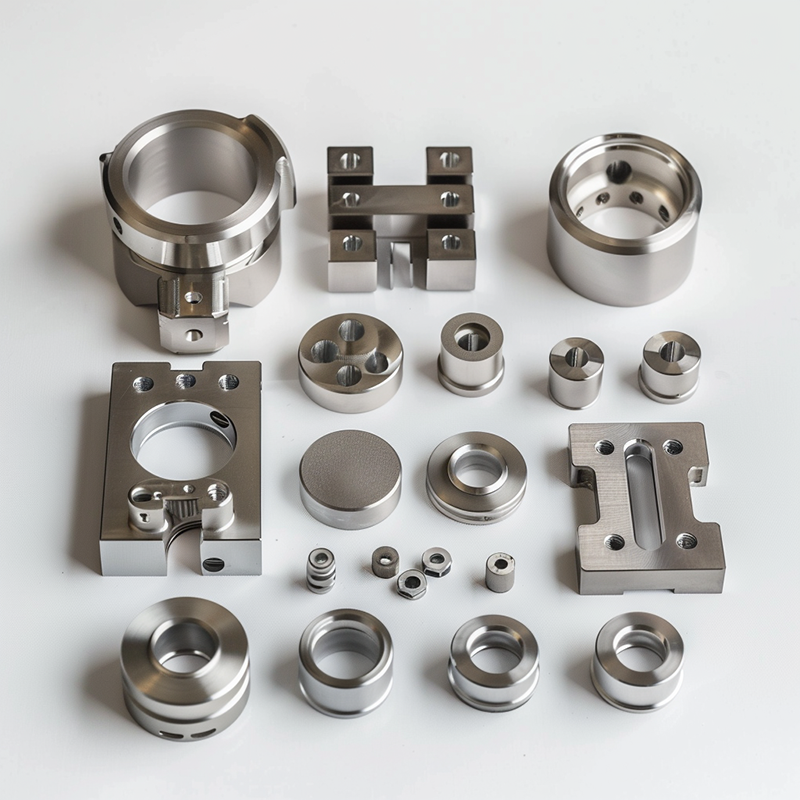
Professional cnc milling manufacturers process aluminum alloys, stainless steels, titanium alloys, hardened tool steel above HRC60, engineering plastics, carbon fiber composites, graphite, and technical ceramics. Material traceability follows ISO documentation standards with full batch records. Surface roughness can reach Ra 0.2 μm directly from machining, eliminating secondary polishing. RoHS compliance ensures material safety for medical, electronics, and export-regulated industries.

Automation-Driven Scalability and Cost Efficiency

Advanced cnc milling manufacturers deploy automated tool changers with 60–240 tool capacity, robotic pallet systems, and MES production monitoring. Lights-out manufacturing increases machine utilization above 85% while reducing labor dependency by 40–55%. Predictive maintenance systems decrease unplanned downtime by approximately 30%, stabilizing delivery schedules and lowering total manufacturing cost per unit for high-volume contracts.

Related Products

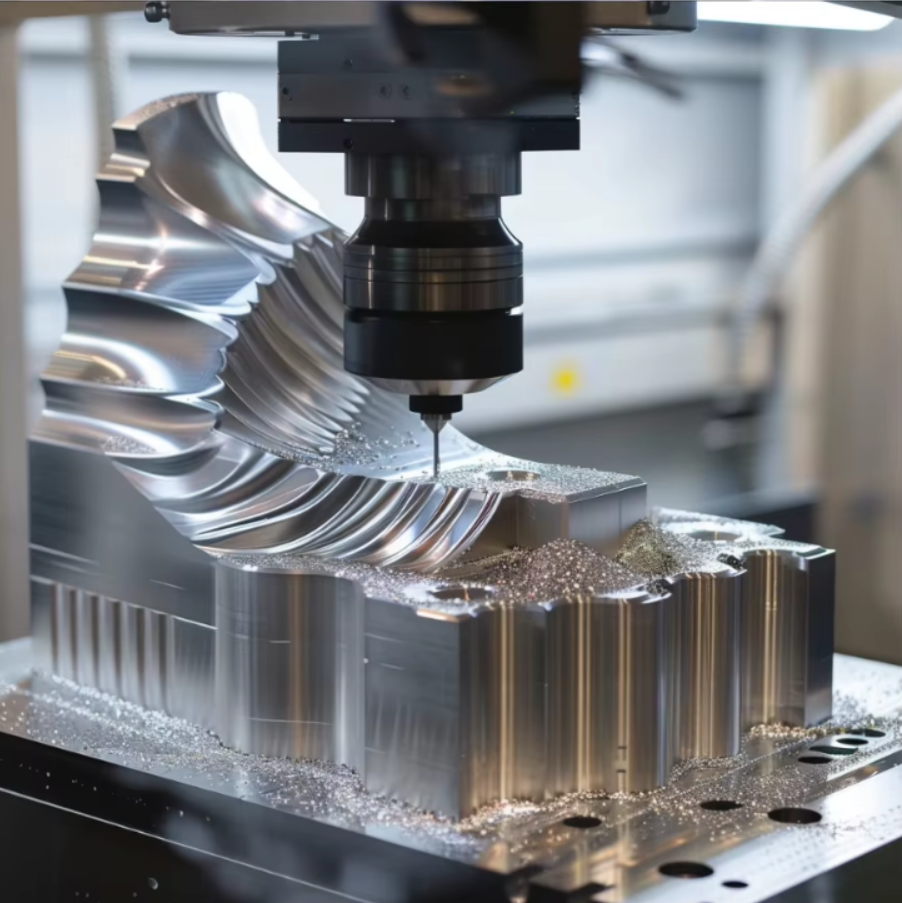
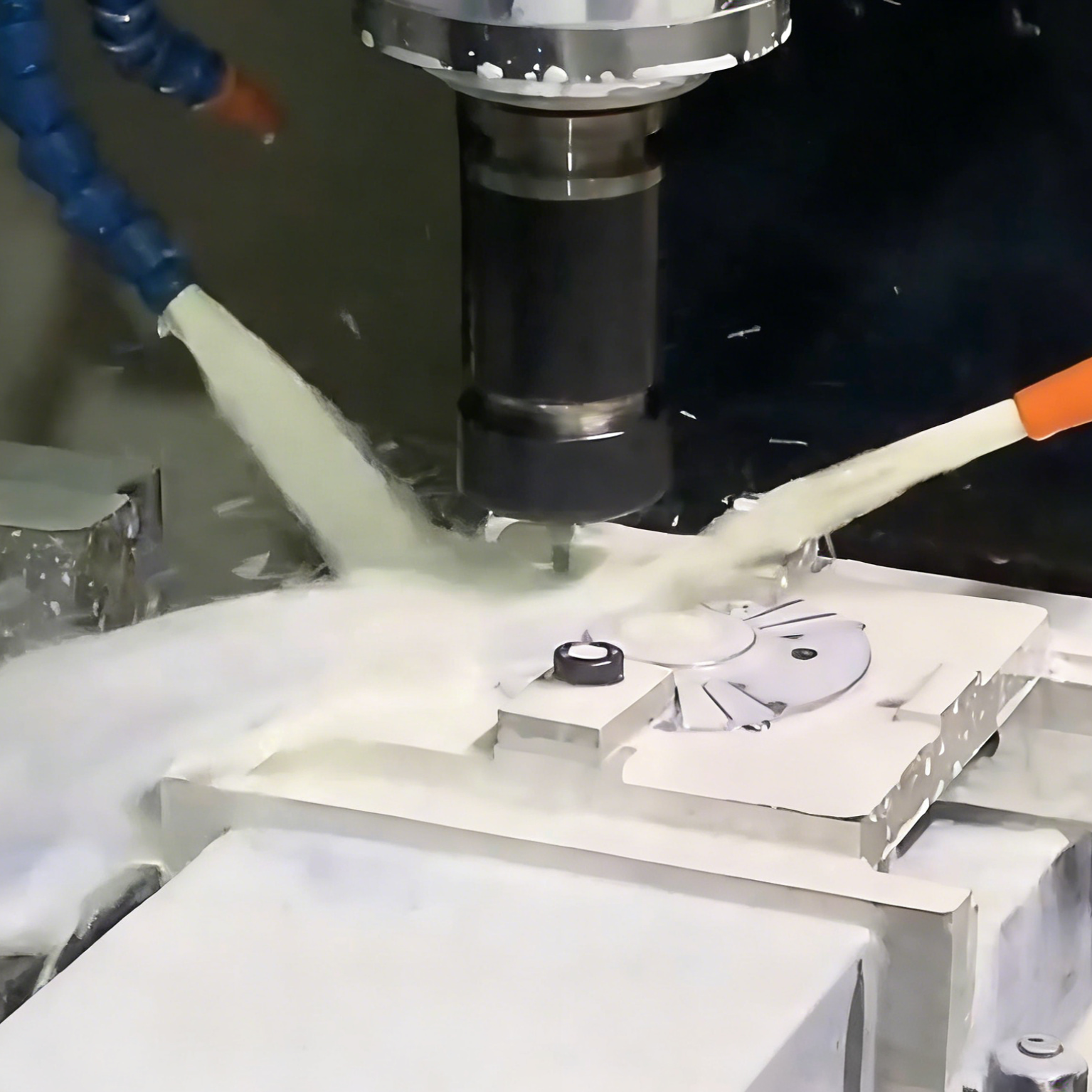
From an engineering validation perspective, working with professional cnc milling manufacturers significantly improves production predictability and product integrity. During multi-axis impeller machining, adaptive feed control maintained consistent spindle load variation below 8%, eliminating chatter and improving surface uniformity. Five-axis simultaneous machining enabled one-time clamping, reducing cumulative positioning error by over 70% compared with multi-fixture setups. In hardened steel mold cavity machining, dynamic milling strategies achieved material removal rates 35% higher than conventional toolpaths while extending cutter life by approximately 28%. Online probing systems corrected dimensional drift in real time, maintaining tolerance stability throughout 24-hour continuous operation. Overall machining repeatability, surface finish consistency, and delivery reliability confirmed that professional cnc milling manufacturers deliver measurable operational value beyond basic

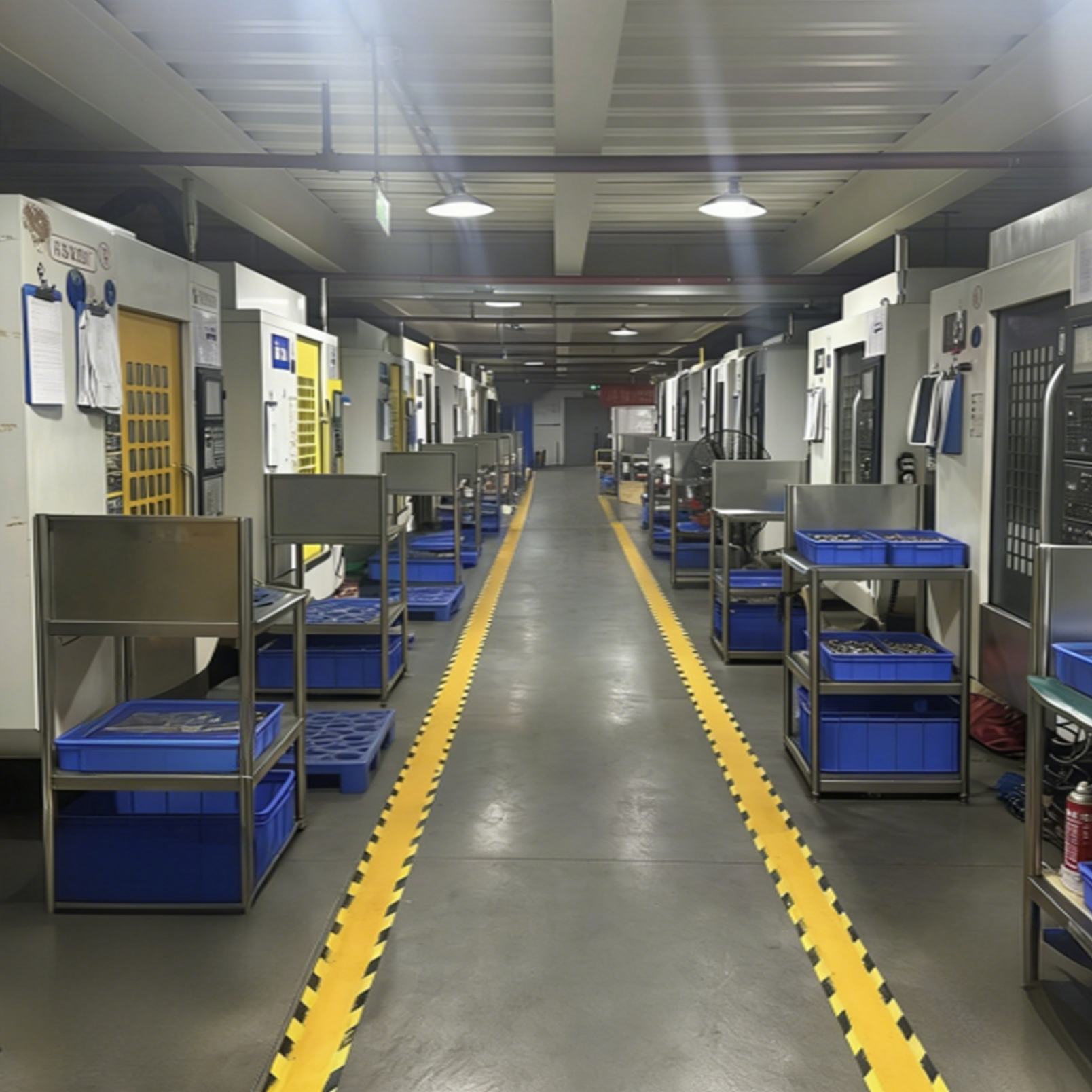
Dongguan BIE Hardware Co., Ltd is a precision manufacturing enterprise established in 2017 and strategically located in Fenggang Town, Dongguan, Guangdong Province. Operating within a modern production facility exceeding 3,000 square meters, BIE has evolved into a vertically integrated manufacturing partner serving global industrial clients across Europe and North America. As one of the technologically driven cnc milling manufacturers in South China, BIE focuses on high-precision CNC machining, sheet metal fabrication, die casting, plastic injection molding, surface finishing, and assembly services under a unified production ecosystem.

BIE’s manufacturing infrastructure includes multi-axis CNC machining centers, high-speed vertical and horizontal milling platforms, precision turning centers, coordinate measuring machines, optical inspection systems, and automated material handling equipment. The production network supports machining tolerances down to ±0.003 mm with consistent surface roughness control below Ra 0.4 μm for functional and cosmetic components. Annual machining capacity exceeds 1.8 million precision parts, supporting both low-volume engineering prototypes and high-volume serial production programs.

Quality governance forms the operational backbone of BIE. The company maintains ISO 9001:2015 quality management certification, ISO 14001:2015 environmental management certification, ISO 45001:2018 occupational health and safety certification, and full RoHS compliance. Every production batch is governed by documented control plans, material traceability records, first article inspection reports, in-process statistical sampling, and final dimensional verification. Measurement systems analysis ensures gage repeatability and reproducibility within international acceptance thresholds, supporting reliable data-driven decision making for global customers.

BIE’s engineering team consists of senior manufacturing engineers, CAM programmers, and quality specialists with extensive experience in multi-axis machining, complex geometry programming, and tolerance optimization. Digital twin simulation platforms enable virtual toolpath validation, collision avoidance, and cycle-time optimization before physical machining begins. This approach reduces commissioning errors by over 90% while shortening program validation cycles by approximately 35%.

From a supply chain perspective, BIE maintains strategic partnerships with certified raw material suppliers to ensure consistent metallurgy, mechanical properties, and regulatory documentation. Material sourcing includes aluminum aerospace grades, medical-grade stainless steels, titanium alloys, tool steels, engineering polymers, and composite laminates. Long-term procurement contracts stabilize pricing volatility and secure uninterrupted material availability for long-term customer programs.

Production efficiency is driven by automation and lean manufacturing methodology. Automated pallet systems enable unattended overnight machining, increasing spindle utilization above 80%. Predictive maintenance algorithms monitor vibration, spindle temperature, and servo load trends to prevent unscheduled downtime. Energy-efficient drives and regenerative braking systems reduce overall power consumption by approximately 18% per production unit compared with legacy equipment.

Customer service is structured around responsiveness, transparency, and lifecycle partnership. Dedicated project managers coordinate technical communication, production scheduling, logistics planning, and continuous improvement feedback. Average quotation turnaround is within 24 hours for standard components, and prototype lead times can be compressed to 72 hours for urgent validation programs. Global logistics networks support door-to-door delivery with full export documentation and customs compliance.

Post-delivery support includes dimensional revalidation, continuous improvement audits, tooling optimization feedback, and annual supplier performance reviews. BIE invests consistently in workforce training, cybersecurity infrastructure, and digital manufacturing upgrades to maintain competitiveness among international cnc milling manufacturers. The company’s long-term objective is to serve as a stable, scalable manufacturing extension for global OEMs seeking quality consistency, cost predictability, and engineering collaboration.

FAQ

How do cnc milling manufacturers guarantee consistent tolerances in mass production?

Professional cnc milling manufacturers implement closed-loop process control using in-process probing, automatic tool offset compensation, and statistical sampling. Machine calibration schedules maintain volumetric accuracy within micron-level limits. Digital SPC dashboards monitor Cp and CpK values in real time, allowing immediate corrective action before deviation escalates. Thermal management systems stabilize spindle and axis temperature, minimizing drift during extended runs. Combined with standardized fixturing and validated CAM programs, batch-to-batch consistency routinely exceeds 99% conformity.
Advanced cnc milling manufacturers handle aluminum alloys, stainless steel, titanium, Inconel, hardened tool steel, engineering plastics, composites, graphite, and ceramics. Each material group follows validated cutting parameter libraries and tooling strategies to ensure surface integrity and dimensional stability. Material certificates, chemical composition reports, and traceability documentation are maintained for regulated industries. Surface roughness control below Ra 0.4 μm is achievable on metallic parts without secondary finishing for most applications.
Cost reduction is achieved through automation-driven cycle optimization, scrap reduction, tool life extension, and logistics consolidation. High spindle utilization lowers per-part overhead. Predictive maintenance minimizes downtime risk. Digital simulation prevents trial-and-error machining. Integrated one-stop manufacturing eliminates subcontracting delays and quality variance. Over long-term programs, total landed cost reductions of 12–25% are commonly realized.

More Posts

Why is There a Big Price Difference in cnc turned parts manufacturer Among Different Suppliers?

31

Jan

Why is There a Big Price Difference in cnc turned parts manufacturer Among Different Suppliers?

In the world of precision machining, procurement professionals often encounter a puzzling scenario: the same part drawing receives wildly different quotes from multiple suppliers. Last week, an engineer sent a 3D CAD file of a connecting shaft to thr...
View More
What is the Processing Flow of pressure die casting? Detailed Step-by-Step Analysis

31

Jan

What is the Processing Flow of pressure die casting? Detailed Step-by-Step Analysis

A Detailed Step-by-Step Analysis for Global Buyers When holding a modern smartphone, automotive component, or smart home device, few people realize that many of the lightweight yet structurally complex metal parts inside are produced through pressure...
View More
What are the Latest aluminum cnc machining service Technologies? Industry Development Trends

31

Jan

What are the Latest aluminum cnc machining service Technologies? Industry Development Trends

As lightweight design becomes a structural requirement rather than an optimization option, aluminum cnc machining service is playing an increasingly critical role across industries such as new energy vehicles, aerospace, industrial automation, and co...
View More
What are the Precision Control Methods for cnc milling and turning? Technical Key Points

31

Jan

What are the Precision Control Methods for cnc milling and turning? Technical Key Points

In the modern manufacturing landscape, precision is no longer optional—it is a fundamental requirement. CNC milling and turning have emerged as cornerstone technologies for producing complex parts with exacting tolerances, particularly in autom...
View More

Customer Reviews

David Reynolds – Operations Director

After migrating our aerospace bracket program to this supplier, dimensional deviation dropped by 62%, and first-pass yield exceeded 99.4%. Their cnc milling manufacturers demonstrated strong documentation discipline, rapid engineering feedback, and reliable lead-time adherence.

Elena Martinez – Medical Device Sourcing Manager

Surface finish quality consistently achieved Ra 0.25 μm without secondary polishing. Traceability documentation and ISO compliance simplified regulatory audits. Their cnc milling manufacturers provided excellent process transparency and risk control.

Kevin Liu – Automotive Program Engineer

Automation capacity supported our volume ramp without quality drift. Cycle time improved by 28% while maintaining tight tolerances. Communication and delivery performance exceeded expectations among cnc milling manufacturers.

Get a Free Quote

Our representative will contact you soon.
Email
Name
Company Name
Message
0/1000
Attachment
Please upload at least an attachment
Up to 3 files,more 30mb,suppor jpg、jpeg、png、pdf、doc、docx、xls、xlsx、csv、txt、stp、step、igs、x_t、dxf、prt、sldprt、sat、rar、zip
Five-Axis One-Clamp Precision Manufacturing

Five-Axis One-Clamp Precision Manufacturing

Five-axis machining eliminates cumulative positioning errors by completing multi-face machining in a single setup. Independent validation shows geometric deviation reduction above 70%. Surface finish stability remains consistent even on complex 3D contours. ISO calibration ensures volumetric accuracy traceability.
Intelligent Adaptive Machining Control

Intelligent Adaptive Machining Control

Real-time load monitoring dynamically adjusts feed and speed, reducing tool breakage incidents by 35%. Vibration suppression enhances surface quality and extends cutter lifespan. Data analytics support continuous process optimization and predictive maintenance.
Certified Digital Manufacturing Traceability

Certified Digital Manufacturing Traceability

Every component is digitally tracked from raw material to final inspection. MES integration enables real-time quality audits, production genealogy, and compliance reporting aligned with ISO and RoHS standards.

Copyright © Dongguan BIE Hardware Co., Ltd  -  Privacy policy