CNC Manufacturing: Ultra-Precision Machining for Industrial Parts

CNC Manufacturing Solutions for High Precision Industrial Parts and Global Supply Chains

CNC Manufacturing has become the backbone of modern industrial production, enabling manufacturers, OEMs, and engineering teams to achieve unmatched dimensional accuracy, repeatability, and scalability. From aerospace structural components to medical-grade implants and high-performance automotive parts, CNC Manufacturing delivers digital-driven consistency that traditional machining cannot replicate. With tolerances reaching ±0.001 mm, mirror-level surface finishes down to Ra 0.4 μm, and full multi-axis machining capability, CNC Manufacturing allows complex geometries, thin-wall structures, and micro-scale features to be produced reliably in both prototyping and volume production.For B2B buyers, CNC Manufacturing offers measurable cost efficiency through zero mold investment, short lead times, predictable quality output, and flexible design iteration.
Get A Quote

CNC Manufacturing

CNC Manufacturing delivers a strategic manufacturing advantage for industrial buyers seeking high precision, stable quality, and scalable production efficiency. Unlike conventional machining, CNC Manufacturing integrates digital engineering, automated tool control, and real-time process monitoring, ensuring predictable performance across the entire product lifecycle. For OEMs, contract manufacturers, and equipment integrators, CNC Manufacturing reduces total cost of ownership by eliminating tooling investment, shortening development cycles, and maintaining consistent output quality. Data-driven CAM simulations further minimize production risk by validating tool paths, collision prevention, and machining efficiency before physical production begins.

Ultra-High Precision and Dimensional Consistency for Mission-Critical Components

CNC Manufacturing routinely achieves tolerances between ±0.01 mm and ±0.001 mm using closed-loop servo systems, linear encoders, and thermal compensation technology. Repeat positioning accuracy reaches micron-level stability over extended production cycles, validated by CMM inspection systems compliant with ISO 10360 measurement standards. This allows CNC Manufacturing to maintain consistent geometry across thousands of parts, reducing assembly deviation, scrap rates, and warranty exposure. In aerospace and medical programs, CpK values above 1.67 are commonly achieved, confirming statistically stable process capability.

Superior Surface Quality and Complex Geometry Capability

Through optimized cutting strategies, high-speed spindles exceeding 24,000 RPM, and fine tool path interpolation, CNC Manufacturing delivers surface roughness as low as Ra 0.4 μm or better. Five-axis CNC Manufacturing enables undercut machining, compound curvature surfaces, deep cavities with aspect ratios exceeding 10:1, and thin-wall structures below 0.5 mm thickness without deformation. These capabilities allow CNC Manufacturing to replace secondary finishing operations, reduce polishing labor by up to 40%, and improve part functional performance in sealing, airflow, and optical applications.

Flexible, Mold-Free Production with Predictable Lead Time

CNC Manufacturing eliminates mold investment, allowing design changes to be implemented instantly through program modification. Typical prototype lead times range from 24 to 72 hours, while small-batch production can scale to hundreds of units without tooling delays. CAM-based cycle time simulation provides ±5% accuracy in production planning, supporting reliable delivery schedules and inventory optimization. CNC Manufacturing supports distributed manufacturing models, enabling localized production near end markets to reduce logistics cost by up to 30% compared to centralized sourcing models.

Related Products

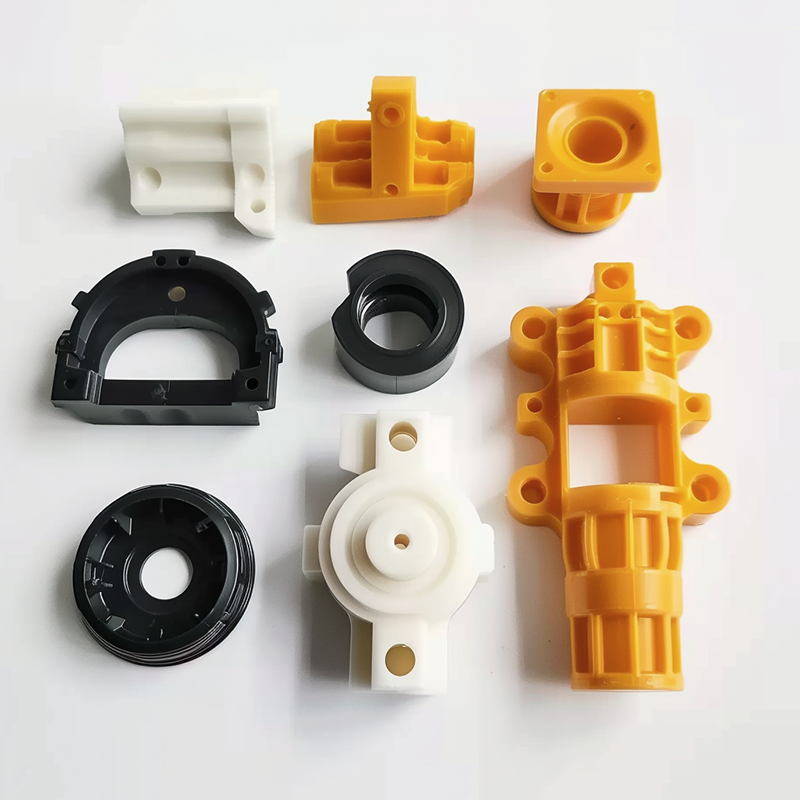
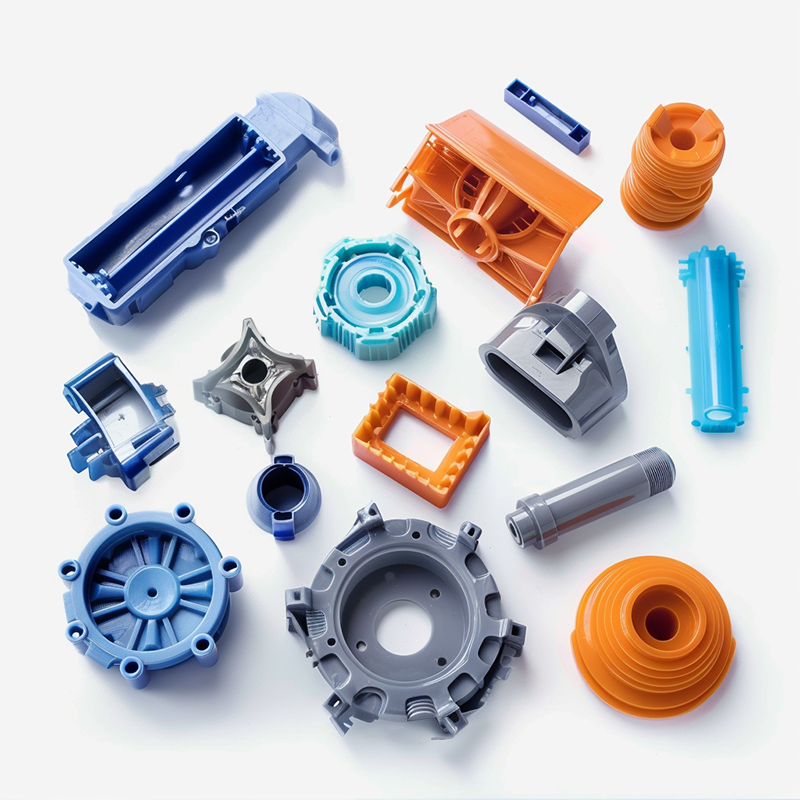
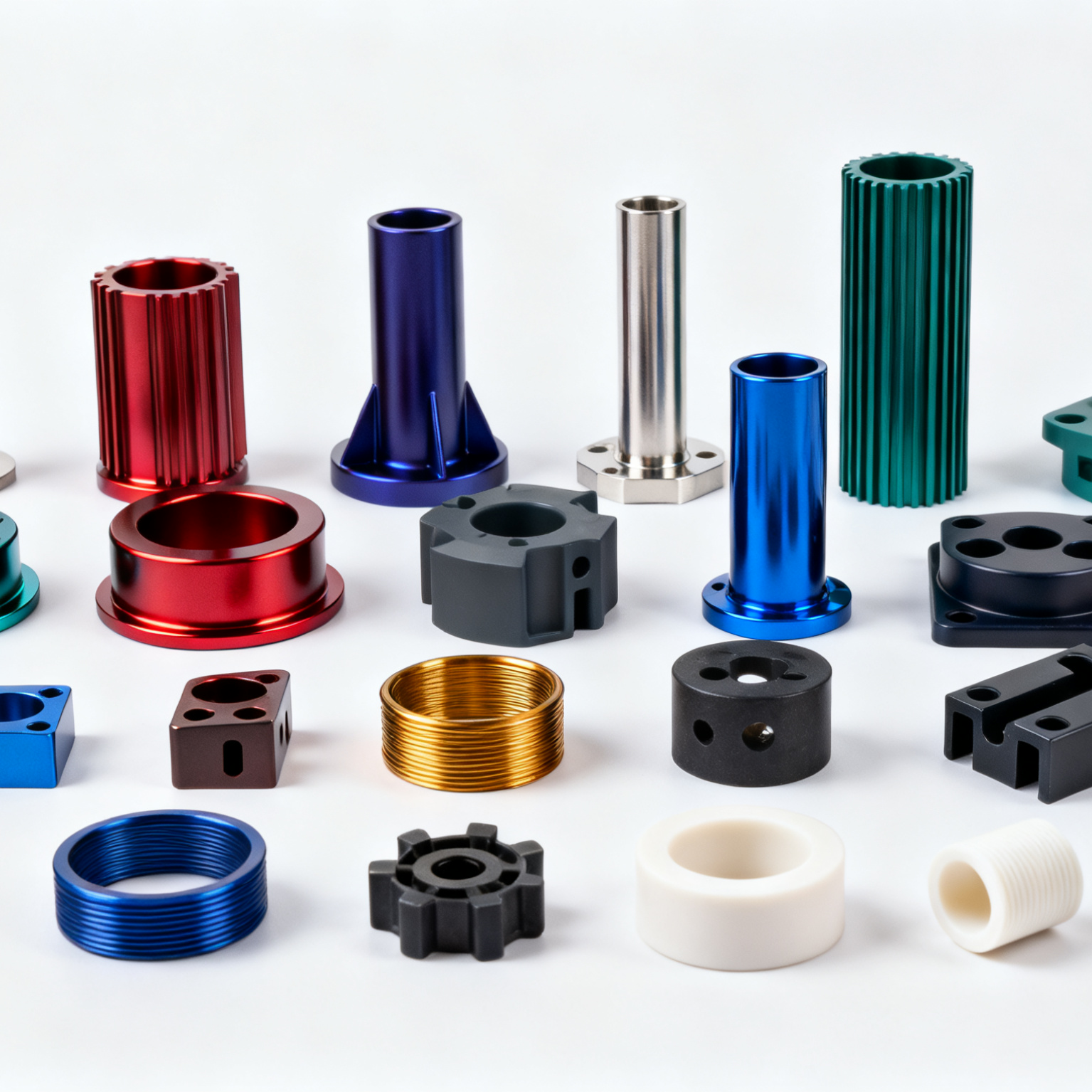
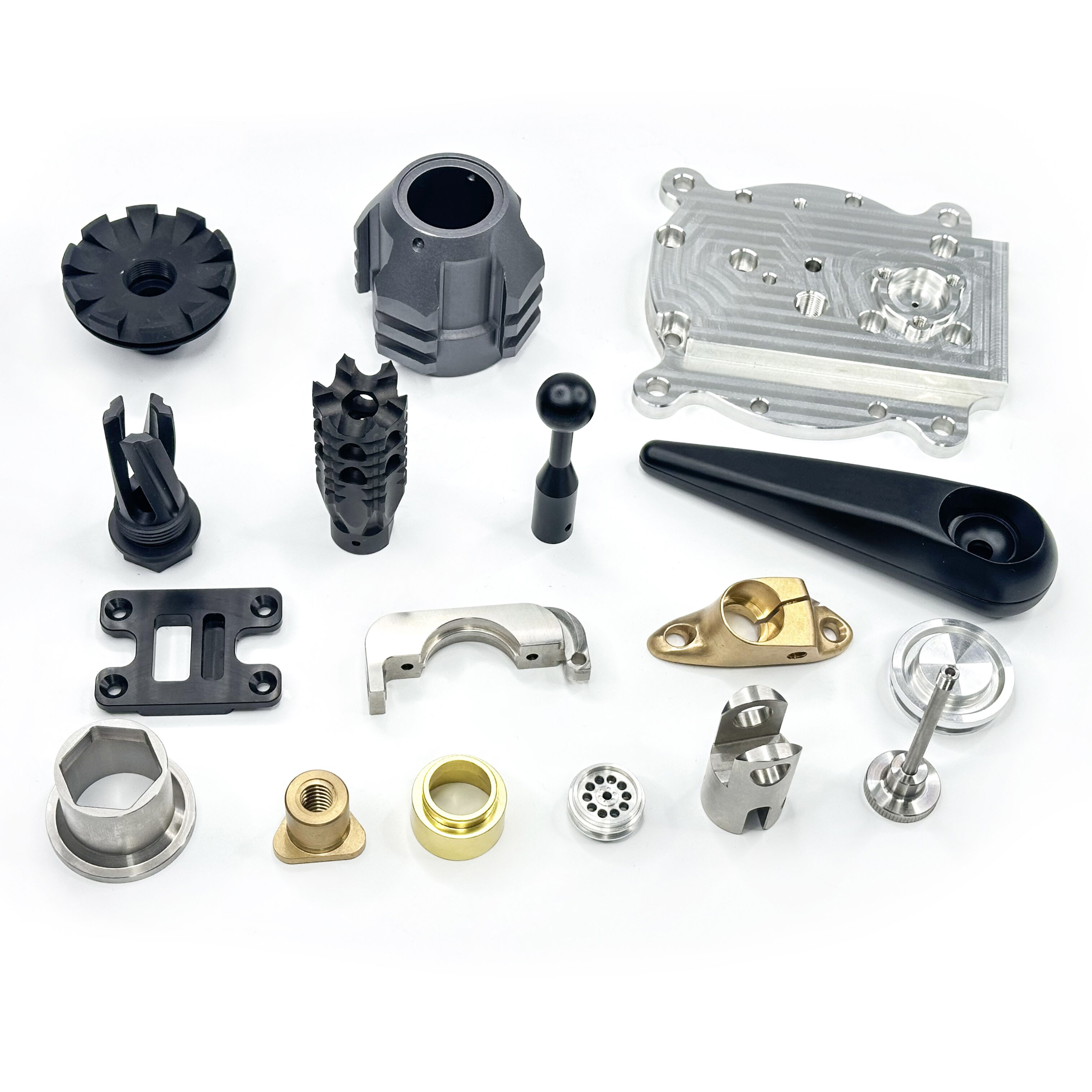
During production validation testing, CNC Manufacturing demonstrated excellent stability across aluminum 6061, stainless steel 316L, titanium Ti6Al4V, and engineering plastics such as PEEK. Multi-axis machining allowed single-setup completion for complex housings and fluid manifolds, reducing cumulative tolerance stack-up by more than 60% compared with multi-fixture machining. Surface finish inspection confirmed Ra values consistently below 0.6 μm without post-polishing. Dimensional audits showed over 98.7% first-pass yield across 500-unit batch runs. Tool wear monitoring reduced scrap generation by 25%, and CAM simulation prevented collision-related downtime. CNC Manufacturing also enabled rapid design iteration cycles, shortening product validation timelines by approximately 40% for engineering teams.

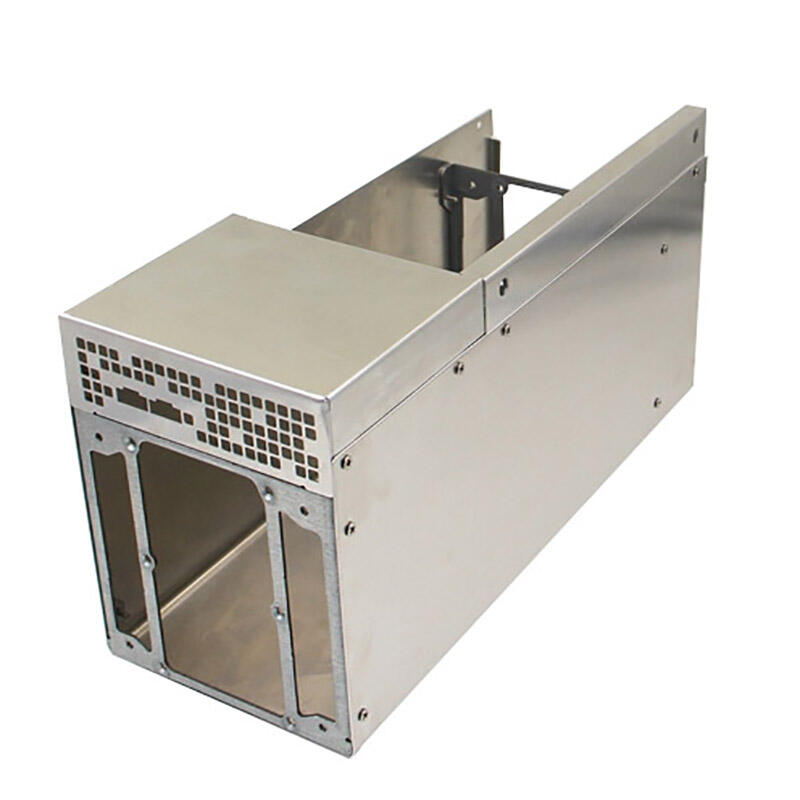
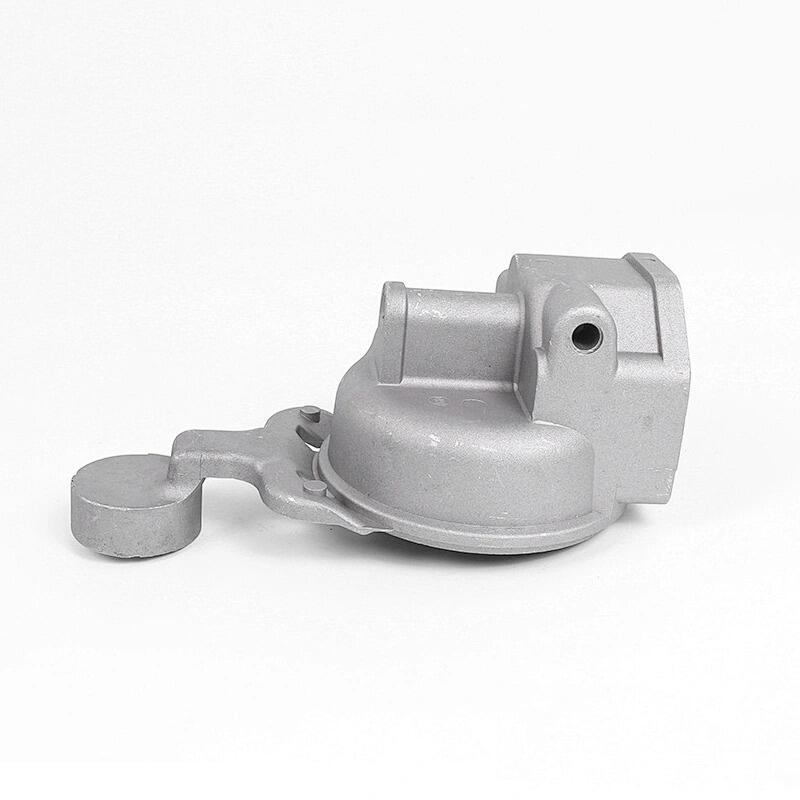
Founded in 2017, Dongguan BIE Hardware Co., Ltd. operates as a comprehensive precision manufacturing enterprise focused on delivering high-value CNC Manufacturing solutions for global industrial clients. Located in Fenggang Town, Dongguan, the company operates a modern production facility exceeding 3,000 square meters, housing advanced CNC machining centers, sheet metal fabrication lines, die casting systems, and plastic injection molding equipment. This vertically integrated infrastructure enables BIE to control every manufacturing stage from raw material processing to final inspection and assembly.

BIE’s CNC Manufacturing capability includes three-axis, four-axis, and five-axis machining centers equipped with high-speed spindles, linear guideways, and automated tool changers. These systems allow complex geometry machining with consistent micron-level accuracy. Annual production capacity exceeds 1.5 million precision components, serving industries including automotive powertrain systems, aerospace structural assemblies, medical device enclosures, semiconductor tooling, lighting systems, and consumer electronics.

Quality assurance is embedded throughout the manufacturing workflow. BIE maintains ISO 9001:2015 quality management certification, ISO 14001:2015 environmental management certification, ISO 45001:2018 occupational health and safety certification, and full RoHS compliance. The quality laboratory is equipped with coordinate measuring machines, optical comparators, surface roughness testers, hardness testers, and digital inspection systems. Statistical process control is applied to key production parameters, enabling real-time deviation correction and consistent CpK performance above industry benchmarks.

The engineering team consists of senior manufacturing engineers, CAM programmers, and quality specialists with an average industry experience exceeding 12 years. Design-for-manufacturability analysis, tolerance optimization, material selection guidance, and cost modeling are provided during early project stages to reduce downstream production risk. BIE’s CNC Manufacturing engineering workflow integrates CAD modeling, CAM simulation, tool path optimization, and automated data traceability to ensure full process transparency.

Supply chain resilience is strengthened through long-term material sourcing agreements covering aluminum alloys, stainless steels, carbon steels, engineering plastics, and specialty alloys. This enables stable pricing, controlled material traceability, and reduced procurement volatility. Lead time reliability exceeds 96% on-time delivery performance across international shipments to North America and Europe.

After-sales support includes technical documentation, dimensional reports, material certifications, PPAP submission, and continuous improvement feedback loops. A dedicated engineering response team provides 24/7 technical support for urgent production adjustments and engineering change management. BIE’s long-term objective is to become a globally trusted CNC Manufacturing partner delivering sustainable value through quality excellence, operational transparency, and continuous technology investment.

FAQ

What tolerance levels can CNC Manufacturing consistently achieve for industrial production?

CNC Manufacturing routinely achieves tolerances ranging from ±0.01 mm down to ±0.001 mm depending on material selection, machine configuration, and environmental stability. Precision linear encoders, temperature compensation algorithms, and closed-loop servo systems maintain dimensional stability even during extended production runs. Statistical capability analysis often demonstrates CpK values above 1.67 for critical features. Coordinate measuring machines calibrated to ISO 10360 standards validate dimensional accuracy and ensure traceability.
CNC Manufacturing eliminates tooling investment, making it significantly more cost-effective for prototyping, low-to-medium volume production, and frequent design revisions. While per-unit machining cost may be higher for very large volumes, CNC Manufacturing reduces development risk, accelerates market entry, and avoids mold modification expenses. For batch sizes below 10,000 units, total lifecycle cost often favors CNC Manufacturing by 20–40%.
Industries requiring high precision, regulatory compliance, and complex geometries benefit most from CNC Manufacturing, including aerospace, medical devices, semiconductor equipment, automotive prototyping, optical systems, energy equipment, and scientific instrumentation. CNC Manufacturing supports material traceability, surface integrity control, and geometric accuracy necessary for safety-critical applications.

More Posts

What is the Processing Flow of pressure die casting? Detailed Step-by-Step Analysis

31

Jan

What is the Processing Flow of pressure die casting? Detailed Step-by-Step Analysis

A Detailed Step-by-Step Analysis for Global Buyers When holding a modern smartphone, automotive component, or smart home device, few people realize that many of the lightweight yet structurally complex metal parts inside are produced through pressure...
View More
What are the Common Mistakes in Choosing types of cnc machining? How to Avoid Them

31

Jan

What are the Common Mistakes in Choosing types of cnc machining? How to Avoid Them

In today’s precision-driven manufacturing landscape, types of CNC machining play a decisive role in determining product quality, production efficiency, and total manufacturing cost. From automotive components and industrial equipment to aerospa...
View More
What are the Key Indicators for Judging aluminium alloy for casting Quality? Testing Methods

31

Jan

What are the Key Indicators for Judging aluminium alloy for casting Quality? Testing Methods

Dongguan BIE Hardware Co., Ltd has decades of experience in supplying high-quality injection molded plastic parts for industries ranging from automotive to electronics and medical devices. Despite their prevalence, ensuring consistent quality remains...
View More
What are the Common Quality Issues with plastic machining services? Prevention and Solutions

31

Jan

What are the Common Quality Issues with plastic machining services? Prevention and Solutions

Dimensional Deviation and Part Deformation One of the most frequent complaints in plastic machining services is inconsistent dimensions, especially after cooling or assembly. This problem is deeply connected to plastic’s thermal sensitivity and...
View More

Customer Reviews

Michael Turner, Operations Director

“Our transition to CNC Manufacturing significantly improved dimensional stability across our aerospace brackets. Yield improved from 92% to 99.1%, and inspection time decreased by 35%. Their process transparency and documentation exceeded regulatory expectations.”

Sophia Hernandez, Product Engineering Manager

“CNC Manufacturing enabled us to iterate designs rapidly without tooling delays. Prototype delivery averaged 48 hours, accelerating our product launch schedule by nearly two months. Surface quality exceeded optical assembly requirements.”

David Lin, Procurement Manager

“Consistent quality, predictable lead time, and responsive technical support make CNC Manufacturing our preferred sourcing strategy. Annual defect rate dropped below 0.3% across multiple product lines.”

Get a Free Quote

Our representative will contact you soon.
Email
Name
Company Name
Message
0/1000
Attachment
Please upload at least an attachment
Up to 3 files,more 30mb,suppor jpg、jpeg、png、pdf、doc、docx、xls、xlsx、csv、txt、stp、step、igs、x_t、dxf、prt、sldprt、sat、rar、zip
Micron-Level Accuracy Validated by International Metrology Standards

Micron-Level Accuracy Validated by International Metrology Standards

CNC Manufacturing consistently delivers micron-level dimensional control verified through ISO-calibrated CMM systems. Statistical process capability demonstrates CpK >1.67 on critical dimensions, reducing assembly mismatch and warranty exposure while supporting aerospace and medical compliance.
Advanced Multi-Axis Machining for Complex Geometry Integration

Advanced Multi-Axis Machining for Complex Geometry Integration

Five-axis CNC Manufacturing enables single-setup machining for compound surfaces, deep cavities, and thin-wall structures. Cycle time reduction averages 28%, while geometric accuracy improves by more than 60% compared to multi-fixture processing.
Sustainable Digital Manufacturing with Full Traceability

Sustainable Digital Manufacturing with Full Traceability

Integrated CAD-CAM-MES workflow ensures full digital traceability, tool life monitoring, and energy efficiency optimization. CNC Manufacturing reduces scrap rates by up to 25% and supports ISO 14001 sustainability compliance.

Copyright © Dongguan BIE Hardware Co., Ltd  -  Privacy policy