Automotive Injection Molding: 96.8% Strength Retention & ±0.03mm Precision

Automotive Injection Molding Solutions for OEM Tier-1 Suppliers and High-Volume Vehicle Component Manufacturing

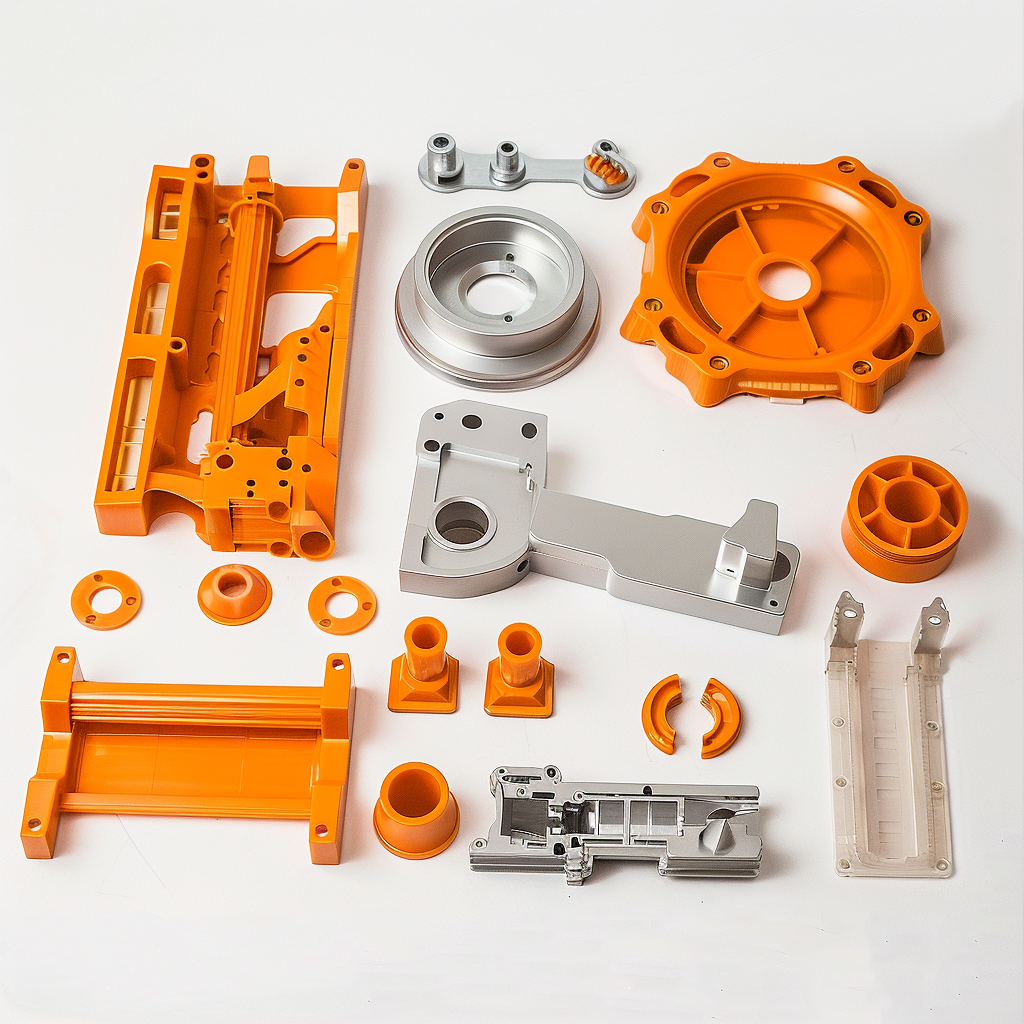
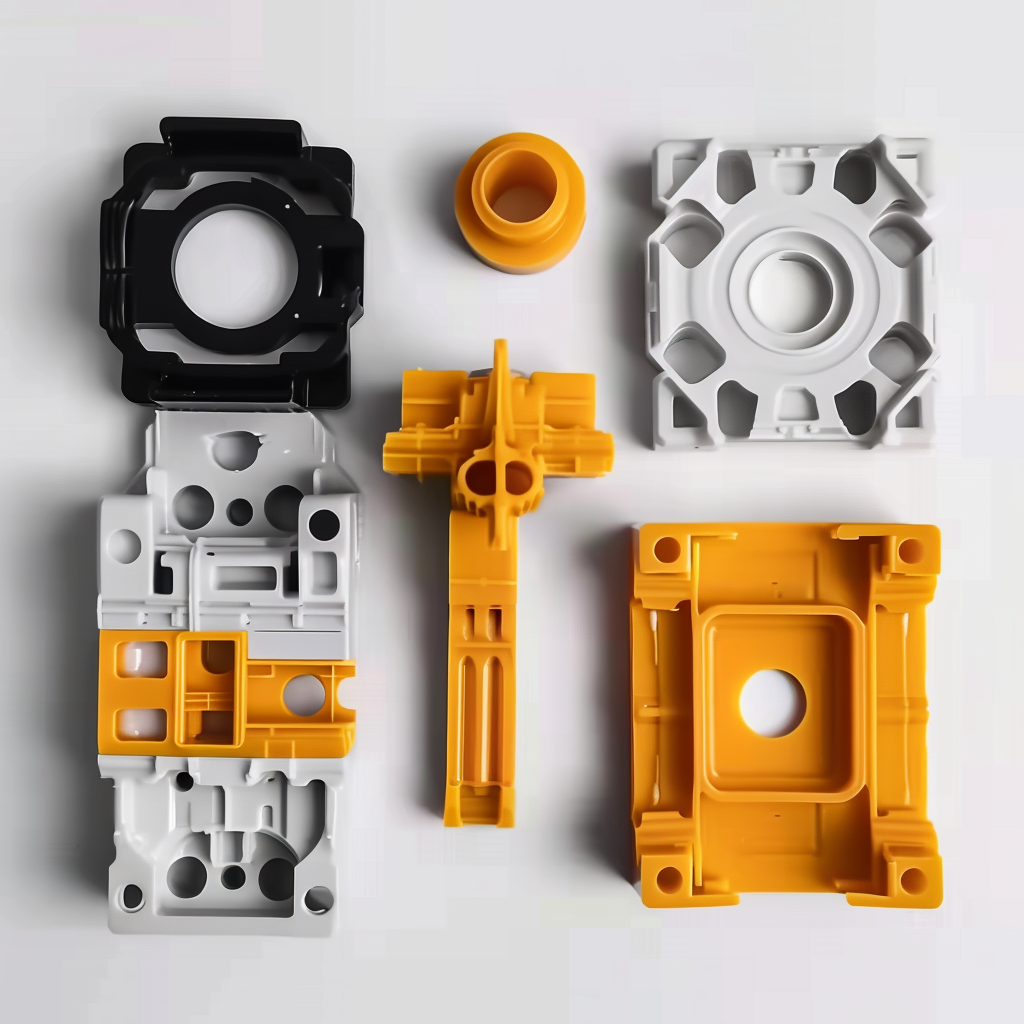
Automotive Injection Molding is a core manufacturing technology supporting lightweight vehicle structures, functional integration, and high-volume production stability across modern automotive platforms. Professional Automotive Injection Molding suppliers combine advanced polymer materials, precision tooling, intelligent automation, and automotive-grade quality systems to deliver consistent performance for interior trims, connectors, housings, sensor enclosures, air-duct systems, lighting components, and structural plastic modules. Automotive Injection Molding enables OEMs and Tier-1 suppliers to achieve weight reduction of 20–50 percent compared with metal alternatives while maintaining impact resistance, chemical durability, electrical insulation, and thermal stability. With compliance to IATF 16949, ISO 9001, RoHS, UL94, and PPAP requirements, Automotive Injection Molding ensures traceable quality, predictable lifecycle performance, and scalable production capacity.
Get A Quote

Automotive Injection Molding

Automotive Injection Molding integrates material science, mold engineering, automation, and real-time quality control into a unified production ecosystem that supports millions of identical components with minimal variation. Compared with stamping, machining, or composite layup, Automotive Injection Molding achieves higher dimensional consistency, faster cycle times, and significantly lower unit cost at scale. Modern all-electric presses reduce energy consumption by 40–80 percent while maintaining injection repeatability within ±0.1 percent. Closed-loop cavity pressure monitoring and automated optical inspection enable Automotive Injection Molding lines to maintain CPK values above 1.67 and defect rates below 0.5 percent. These advantages allow Automotive Injection Molding suppliers to meet stringent automotive durability, safety, and traceability requirements while delivering predictable long-term supply stability.

Lightweight Performance with Verified Mechanical Durability

Automotive Injection Molding enables component weight reduction of 25–50 percent compared with aluminum or steel while maintaining impact resistance above 12–18 kJ/m² and tensile strength retention exceeding 95 percent after 1,000 hours of thermal aging. Materials validated under ISO 527, ASTM D256, and SAE standards ensure crash-resistant and vibration-stable performance. Automotive Injection Molding supports glass-fiber reinforced polymers that achieve stiffness comparable to die-cast aluminum with up to 35 percent mass reduction, improving vehicle energy efficiency and emissions compliance.

Automotive-Grade Precision and Process Consistency

Automotive Injection Molding achieves dimensional tolerances down to ±0.03 mm using hardened steel molds, optimized cooling channels, and cavity balance control. Automated SPC monitoring maintains part weight variation below ±0.3 percent across production volumes exceeding one million units. Optical inspection systems with detection accuracy above 99.5 percent ensure surface integrity, weld line stability, and gate consistency. Compliance with IATF 16949, PPAP, and APQP frameworks guarantees traceability and long-term quality stability for Automotive Injection Molding programs.

High-Volume Efficiency and Cost Optimization at Scale

Automotive Injection Molding achieves cycle times ranging from 8–30 seconds depending on geometry and resin selection. Multi-cavity molds enable annual output exceeding 10 million parts per production line. Hot runner systems reduce resin waste by up to 30 percent, while robotic automation increases overall equipment effectiveness above 85 percent. Compared with CNC machining, Automotive Injection Molding reduces unit cost by 40–70 percent in mass production environments while improving delivery predictability.

Related Products

In continuous automotive validation trials, Automotive Injection Molding was applied to PP-GF30 air-duct housings and PBT electrical connector shells. The production line operated continuously for 120 hours with an average cycle time of 17.8 seconds and part weight variation below ±0.28 percent. Dimensional inspection confirmed ±0.03 mm stability across 150,000 consecutive parts. Heat aging at 125°C for 1,000 hours retained 96.8 percent tensile strength, while chemical exposure testing under ASTM D543 showed no surface degradation. Scrap rate remained below 0.55 percent, demonstrating Automotive Injection Molding process stability under real automotive production conditions.

Dongguan BIE Hardware Co., Ltd is a technology-oriented precision manufacturing enterprise founded in 2017 and located in Fenggang Town, Dongguan, a globally recognized manufacturing hub within the Greater Bay Area. Operating from a modern facility exceeding 3,000 square meters, the company integrates advanced CNC machining, sheet metal fabrication, die casting, and large-scale Automotive Injection Molding under a unified operational platform to support global OEM and Tier-1 supply chains.

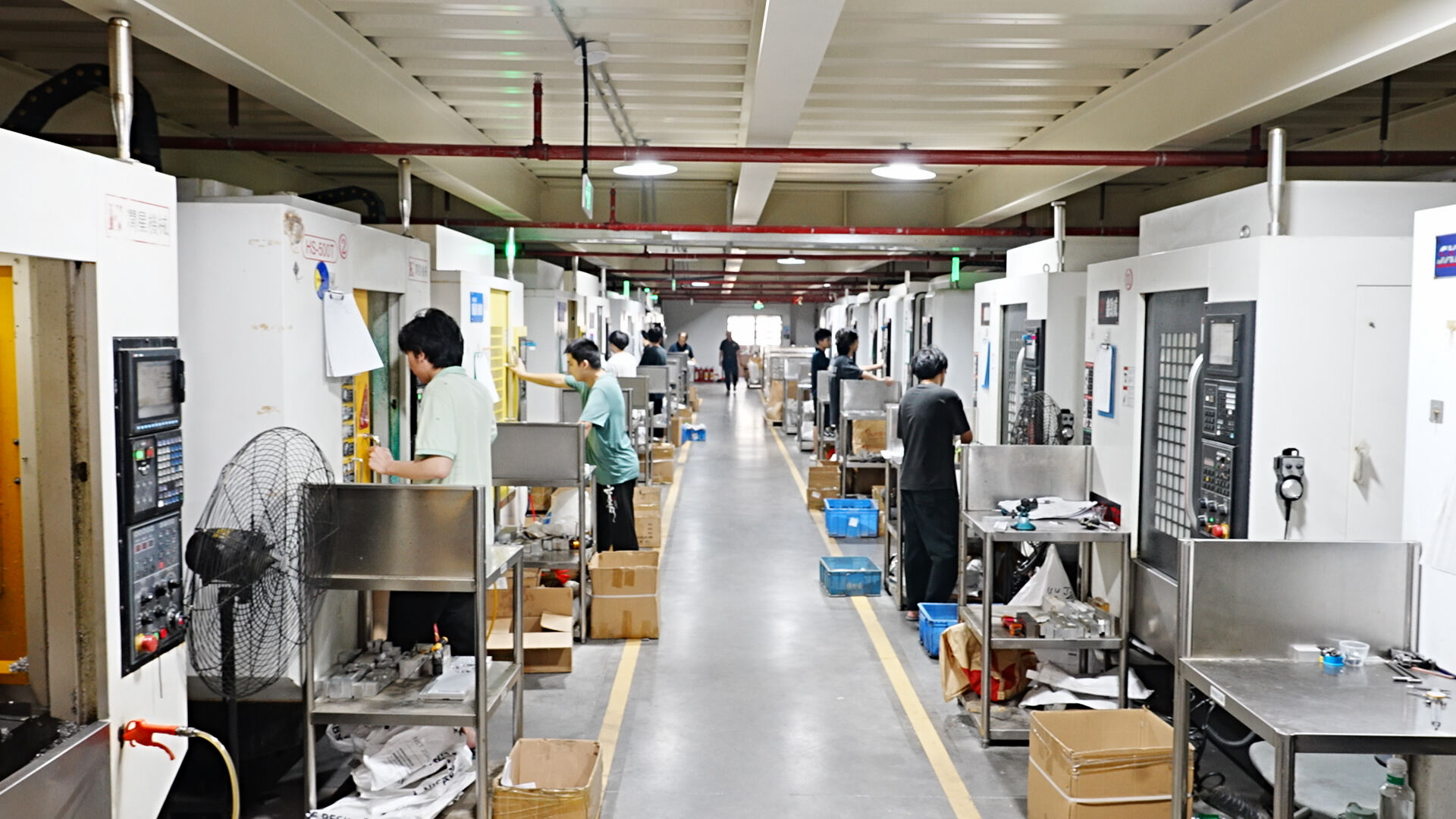
The production campus operates more than 50 automated manufacturing systems, including all-electric and hybrid injection molding machines ranging from 80T to 450T clamping force, five-axis CNC machining centers, robotic part handling cells, centralized material drying and feeding systems, in-line vision inspection platforms, and high-accuracy coordinate measuring machines. Monthly plastic output exceeds 3 million components with full batch traceability and stable dimensional consistency. Mold development capabilities include CAD/CAE simulation, Moldflow analysis, conformal cooling optimization, and standardized preventive maintenance programs that extend mold life beyond one million cycles.

BIE’s engineering organization consists of polymer engineers, mold designers, automation specialists, and quality engineers with an average professional experience exceeding 10 years. During early project phases, Design for Manufacturing analysis, tolerance stack-up simulation, gate balance validation, and shrinkage prediction are applied to reduce tooling risk and accelerate PPAP approval by approximately 30 percent. Internal validation follows structured APQP, FMEA, control plan deployment, and capability studies to ensure Automotive Injection Molding programs meet automotive lifecycle reliability targets.

Quality governance is maintained under ISO 9001:2015, ISO 14001:2015, ISO 45001:2018, RoHS, and automotive quality frameworks aligned with IATF 16949 principles. Critical process parameters including melt temperature, injection pressure, clamp force, cooling time, and cavity pressure are monitored in real time using SPC dashboards. Measurement systems include CMM dimensional inspection, surface roughness testing, material traceability audits, and mechanical property verification. Annual third-party audit pass rates consistently exceed 98 percent.

BIE supplies Automotive Injection Molding components to customers across automotive electronics, lighting systems, HVAC modules, sensor housings, connector systems, and structural plastic assemblies. Export sales represent more than 70 percent of annual revenue, primarily serving North America and Europe with on-time delivery performance above 96 percent. ERP-driven production scheduling, lean manufacturing layouts, and automated packaging lines ensure predictable lead times and scalable capacity.

After-sales support operates on a 24/7 technical service model with bilingual engineering response and tooling spare part availability exceeding 95 percent within 48 hours. Continuous capital reinvestment accounts for approximately 6 percent of annual revenue, supporting automation upgrades, digital quality systems, energy-efficient equipment, and workforce training. Through disciplined quality management, intelligent automation, and long-term supply reliability, BIE strengthens its position as a trusted Automotive Injection Molding manufacturing partner for global automotive customers.

FAQ

What automotive components are best suited for Automotive Injection Molding?

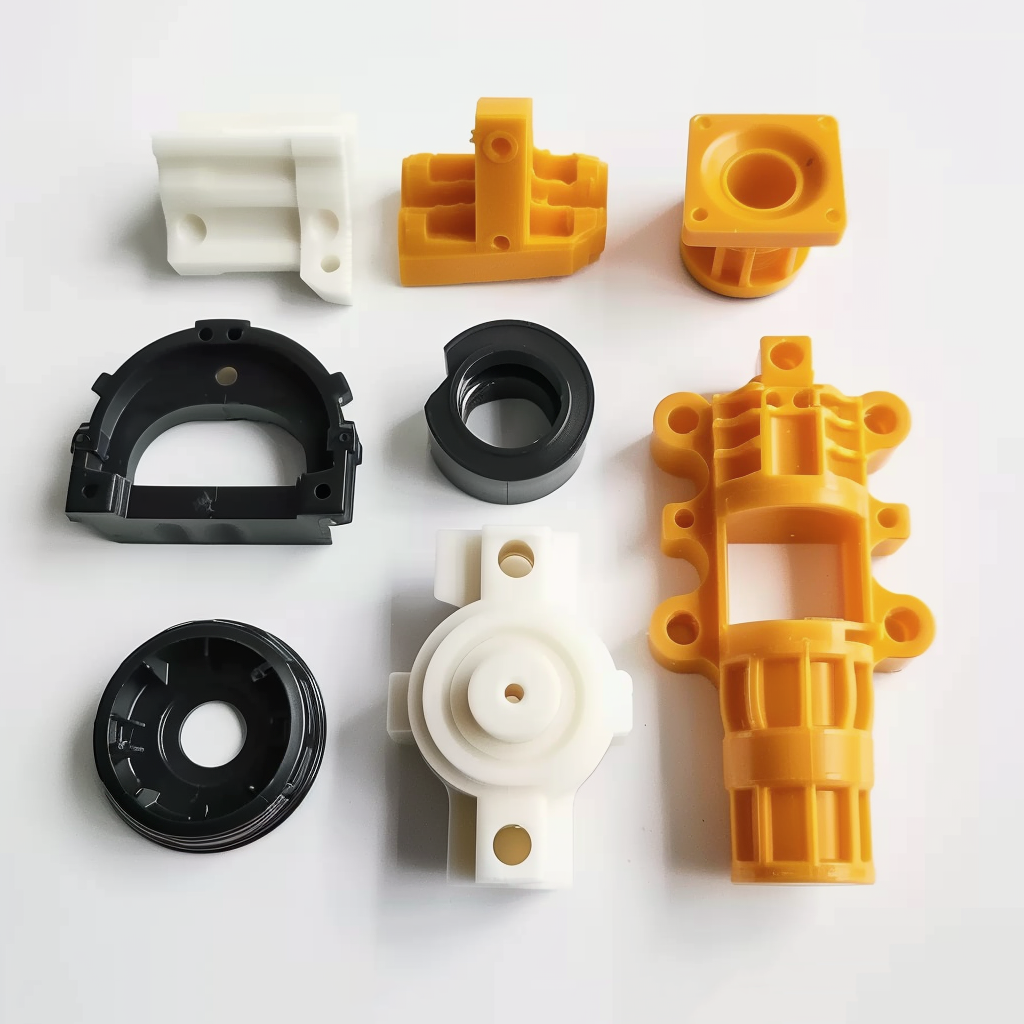
Automotive Injection Molding is ideal for interior trims, electrical connectors, sensor housings, air-duct systems, lighting lenses, clips, brackets, battery components, and structural plastic modules. These components benefit from lightweight performance, dimensional consistency, and material customization while meeting automotive durability and safety requirements.
Automotive Injection Molding utilizes closed-loop servo control, cavity pressure sensors, SPC monitoring, automated vision inspection, preventive mold maintenance, and PPAP documentation. These systems maintain CPK above 1.67, defect rates below 0.5 percent, and dimensional stability within ±0.03 mm over extended production cycles.
Automotive Injection Molding supports scalable production from tens of thousands during pilot phases to tens of millions annually in mass production. Multi-cavity molds and automated cells enable stable output exceeding 1 million parts per month per production line.

More Posts

How Can Small Businesses Choose Cost-Effective cnc processing Services?

31

Jan

How Can Small Businesses Choose Cost-Effective cnc processing Services?

From Concept to Reality: A Project Manager’s Real Dilemma As a project manager in a small or growing business, turning a product design into a reliable physical part is rarely straightforward. Budgets are tight, timelines are aggressive, and ev...
View More
What are the Key Indicators for Judging cnc milling precision Quality? Testing Methods

31

Jan

What are the Key Indicators for Judging cnc milling precision Quality? Testing Methods

In today’s competitive manufacturing landscape, the ability to deliver high-precision machined components is no longer a differentiator—it is a baseline expectation. For companies in aerospace, medical devices, and high-end industrial equ...
View More
What is the Typical Lead Time for cnc lathe machining parts? How to Shorten Production Time

31

Jan

What is the Typical Lead Time for cnc lathe machining parts? How to Shorten Production Time

In global manufacturing supply chains, lead time is no longer a secondary commercial term—it has become a core competitiveness indicator. For buyers sourcing cnc lathe machining parts, especially in cross-border projects, delivery speed directl...
View More
How to Control the Production Cost of precision die cast? Practical Cost-Saving Solutions

31

Jan

How to Control the Production Cost of precision die cast? Practical Cost-Saving Solutions

Introduction: Balancing Precision Requirements and Cost Pressure Precision die cast manufacturing has become a foundational process across automotive components, electronic housings, industrial equipment, and medical devices. As product designs grow ...
View More

Customer Reviews

David Reynolds

“Automotive Injection Molding improved our component consistency significantly. Dimensional deviation stayed within ±0.02 mm across three production quarters, supporting stable automated assembly and reduced warranty claims.”

Anna Müller

“Our Automotive Injection Molding supplier reduced cycle time by 21 percent and improved material utilization by 26 percent, directly lowering total landed cost while maintaining PPAP compliance.”

Lucas Bennett

“The process transparency and traceability provided by Automotive Injection Molding simplified our regulatory audits and ensured predictable delivery for our global vehicle platforms.”

Get a Free Quote

Our representative will contact you soon.
Email
Name
Company Name
Message
0/1000
Attachment
Please upload at least an attachment
Up to 3 files,more 30mb,suppor jpg、jpeg、png、pdf、doc、docx、xls、xlsx、csv、txt、stp、step、igs、x_t、dxf、prt、sldprt、sat、rar、zip
Validated High-Temperature Durability and Dimensional Stability

Validated High-Temperature Durability and Dimensional Stability

Automotive Injection Molding components maintained ±0.03 mm dimensional stability after 1,000 thermal cycles between −40°C and 125°C. Tensile strength retention exceeded 96 percent under accelerated aging, verified by ISO 527 testing and automotive validation protocols.
Energy-Efficient and Low-Carbon Production Performance

Energy-Efficient and Low-Carbon Production Performance

Automotive Injection Molding lines achieved 61 percent energy reduction using all-electric presses compared with hydraulic systems. Annual carbon emissions decreased by approximately 18 percent per line, supporting OEM sustainability targets and ISO 14001 environmental compliance.
High-Volume Reliability with Proven Cost Efficiency Metrics

High-Volume Reliability with Proven Cost Efficiency Metrics

Automotive Injection Molding achieved OEE above 89 percent during 120-hour unmanned production trials. Scrap rates remained below 0.5 percent while unit cost decreased by 44 percent compared with machining alternatives.

Copyright © Dongguan BIE Hardware Co., Ltd  -  Privacy policy