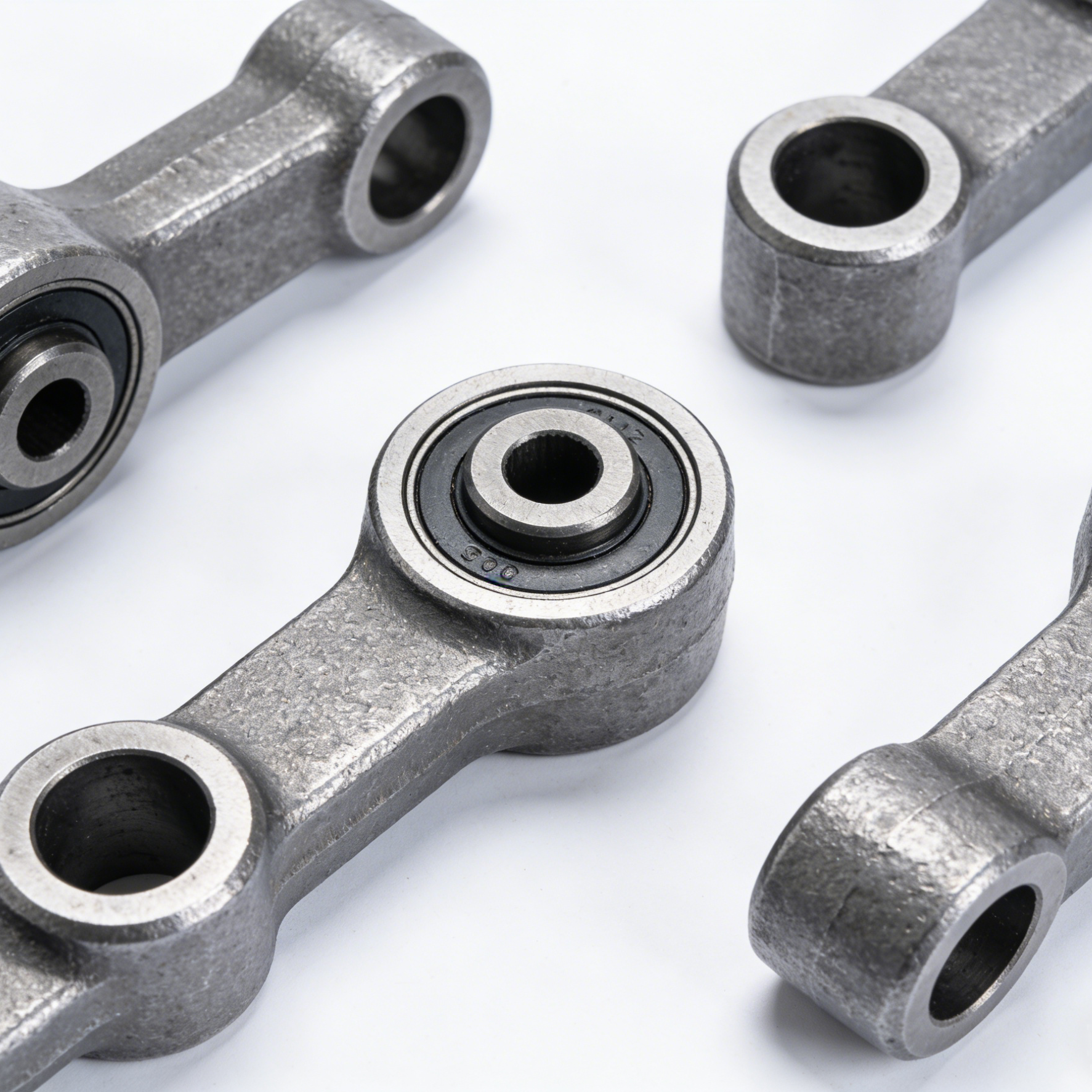
Alloy Forging Manufacturer Custom Forged Alloy Parts

Alloy Forging Manufacturer for High-Strength Industrial Components

Alloy Forging is a critical manufacturing process for producing high-strength, high-reliability metal components used in demanding industrial environments. As a professional Alloy Forging manufacturer, we focus on delivering forged alloy steel parts with superior mechanical performance, structural integrity, and dimensional stability. Compared with casting or machining from bar stock, Alloy Forging ensures continuous metal flow, refined grain structure, and predictable performance under extreme load, fatigue, and impact conditions. Our Alloy Forging solutions are widely applied in automotive powertrains, aerospace structures, energy equipment, heavy machinery, and safety-critical systems. By combining advanced hot forging technology, strict process control, and comprehensive quality inspection, we provide consistent, cost-effective, and scalable Alloy Forging services tailored to OEM and ODM requirements worldwide.
Get A Quote

Alloy Forging

Alloy Forging offers unmatched advantages in strength, reliability, and lifecycle cost control for industrial components. Through controlled plastic deformation, Alloy Forging aligns internal metal grain flow with part geometry, eliminating internal defects while significantly improving fatigue resistance and impact strength. This makes Alloy Forging the preferred choice for components subjected to cyclic loads, shock forces, and harsh operating environments. From a B2B manufacturing perspective, Alloy Forging also delivers superior material utilization, excellent batch consistency, and long-term economic benefits, especially for medium- to high-volume production programs.

Superior Mechanical Performance Through Continuous Grain Flow

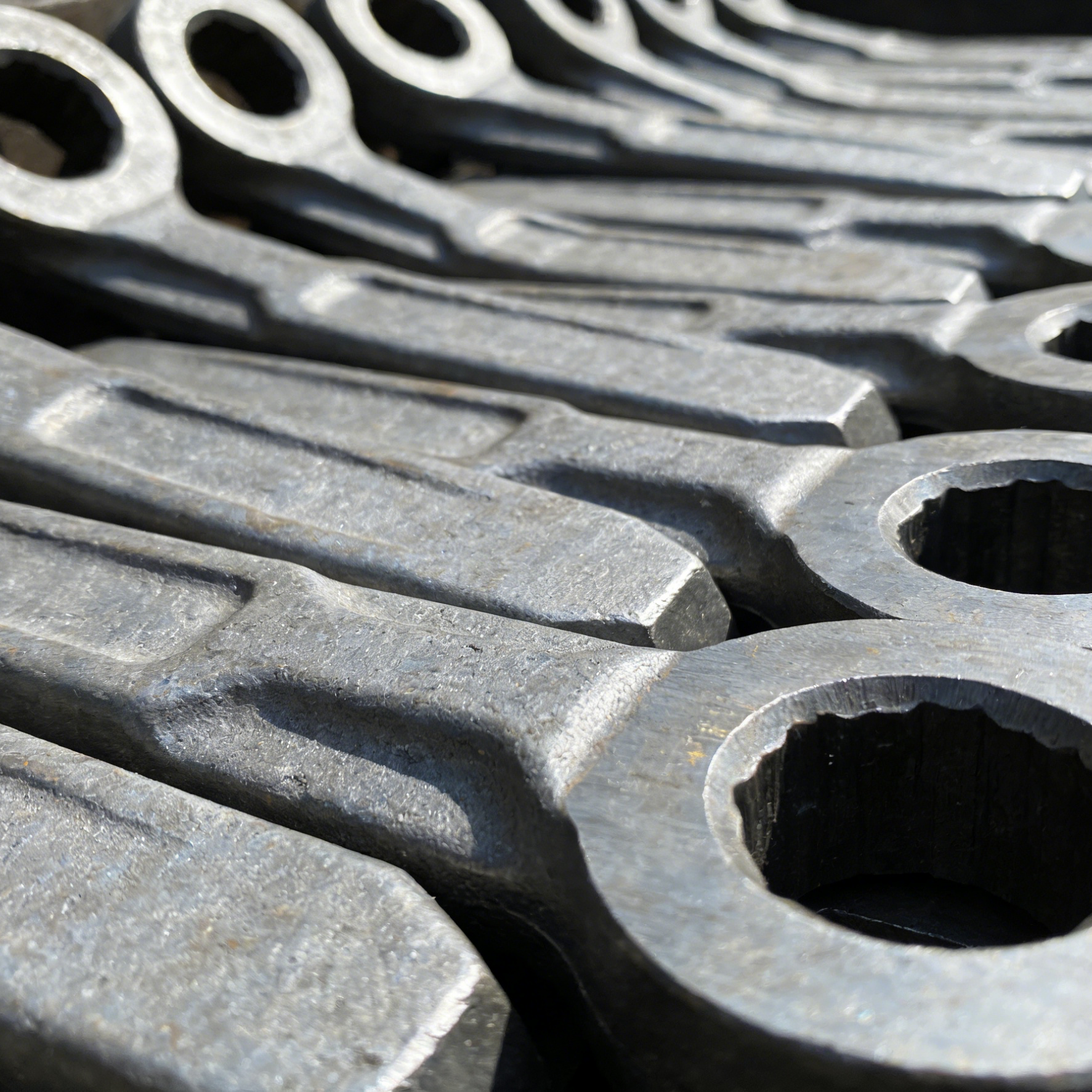
Alloy Forging creates a continuous and uninterrupted fiber flow that follows the contour of the component. This structural characteristic dramatically enhances tensile strength, toughness, and fatigue life compared with cast or machined parts. For Alloy Forging components used in automotive, aerospace, and energy systems, this translates into higher load-bearing capacity, improved impact resistance, and safer failure behavior. Continuous grain flow also minimizes stress concentration, ensuring long-term performance stability under repeated mechanical stress.

Dense and Defect-Free Internal Structure

Unlike casting, Alloy Forging eliminates internal porosity, shrinkage cavities, and inclusions through intense compressive deformation. The forging process welds microscopic voids and refines coarse grains, producing a dense and homogeneous microstructure. This defect-free internal structure significantly improves fracture toughness and reliability, making Alloy Forging ideal for safety-critical applications such as drive shafts, flanges, gears, and structural connectors where internal defects are unacceptable.

High Material Utilization and Cost Efficiency

Alloy Forging achieves near-net-shape geometry, reducing excessive machining and material waste. By forming the component closer to its final shape, Alloy Forging minimizes cutting allowance and lowers total production cost per unit. For OEM buyers, this results in improved material yield, reduced processing time, and consistent part quality across large production batches. Over the product lifecycle, Alloy Forging delivers a lower total cost of ownership through durability, reduced failure rates, and extended service life.

Related Products

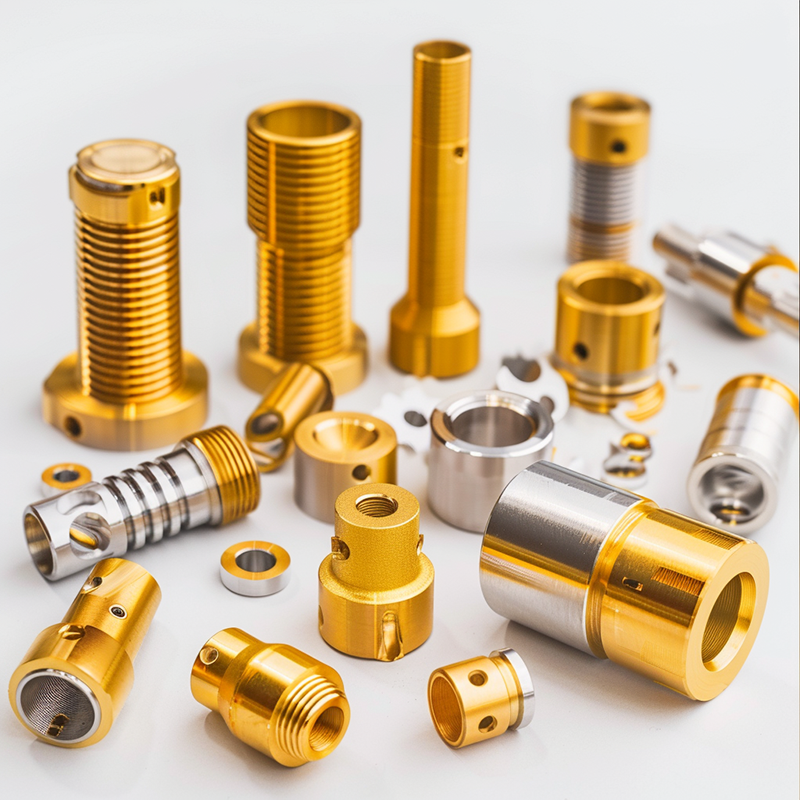
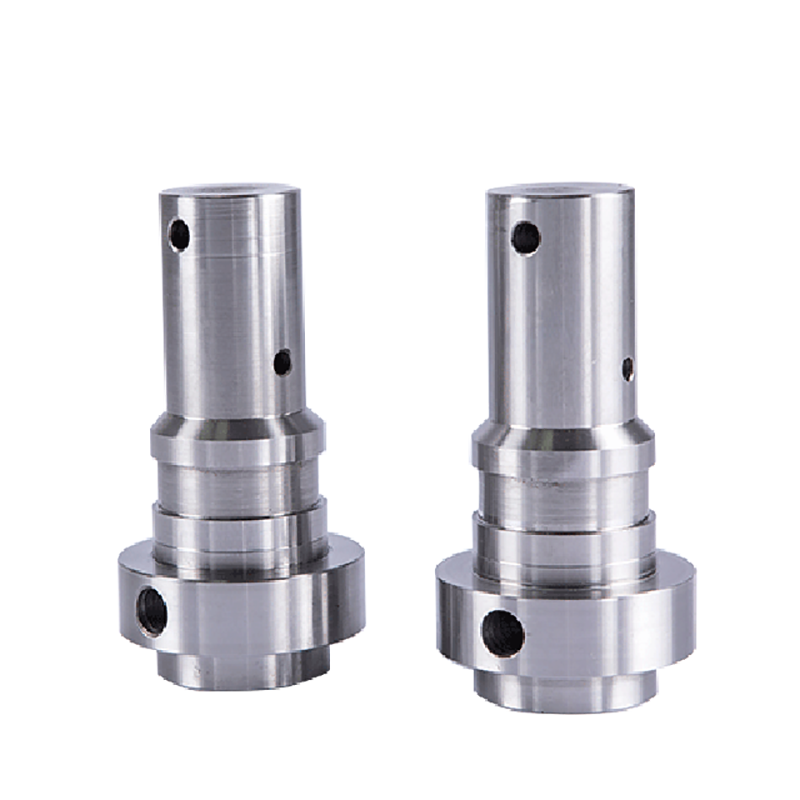
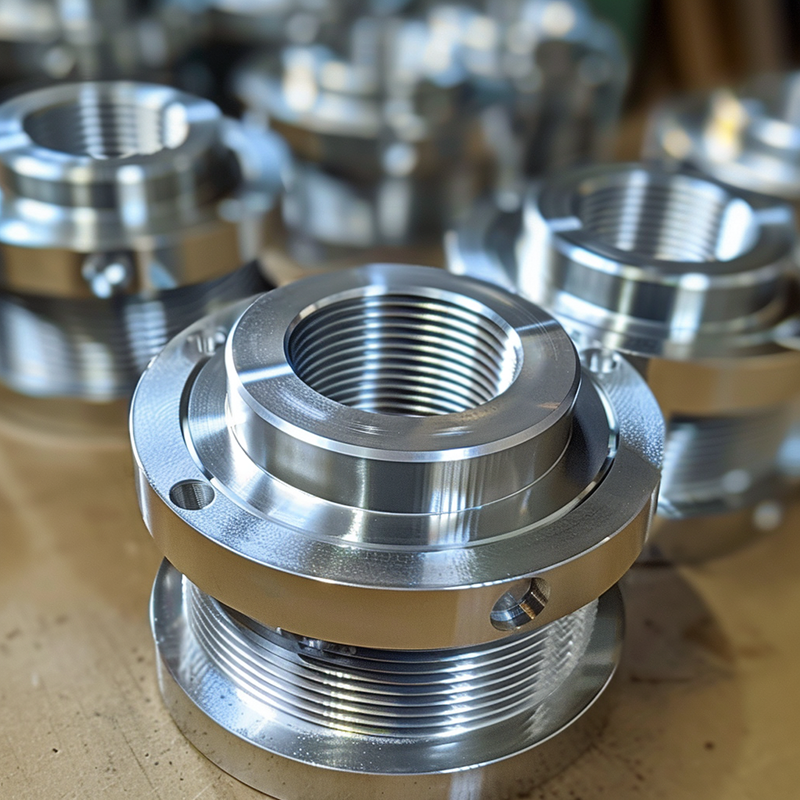
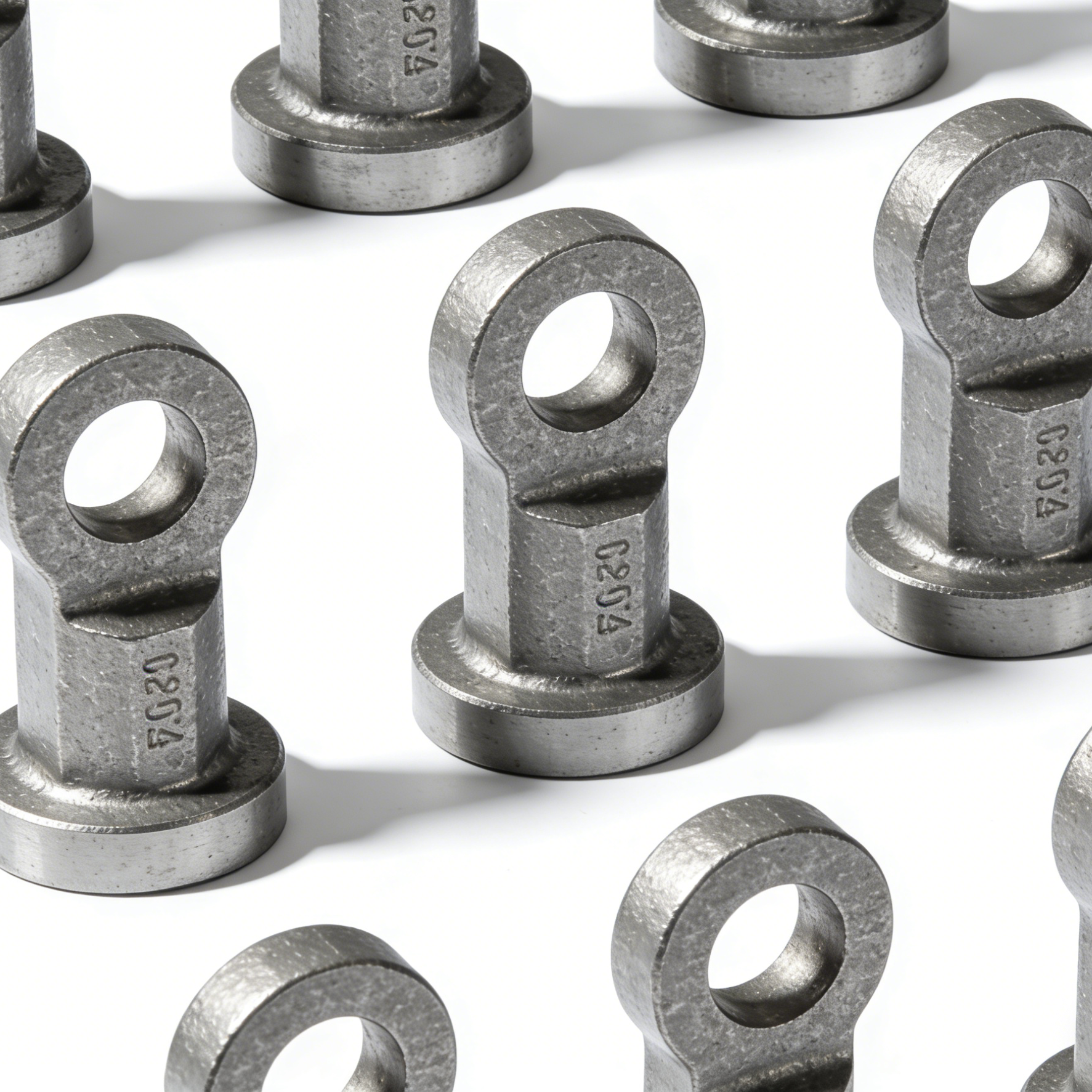
Alloy Forging products are manufactured through controlled hot forging processes using high-quality alloy steel materials. The process involves precise temperature control, optimized die design, and calibrated deformation ratios to achieve refined grain structure and excellent mechanical properties. Each Alloy Forging component undergoes strict inspection, including dimensional measurement, metallographic analysis, and non-destructive testing where required. The result is a forged alloy part with high strength-to-weight ratio, excellent fatigue resistance, and outstanding dimensional stability. Our Alloy Forging products are engineered to meet international standards and customer-specific technical specifications, making them suitable for high-load, high-impact, and long-term service applications.

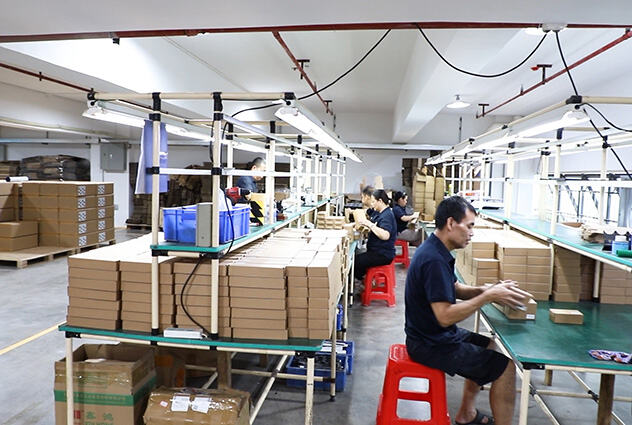
Founded in 2017, Dongguan BIE Hardware Co., Ltd has grown into a reliable precision manufacturing partner specializing in high-performance metal component solutions, including Alloy Forging services for global industrial customers. Located in Fenggang Town, Dongguan, Guangdong Province, our modern 3,000㎡ manufacturing facility integrates advanced production equipment, skilled engineering teams, and standardized management systems to support complex OEM and ODM projects.

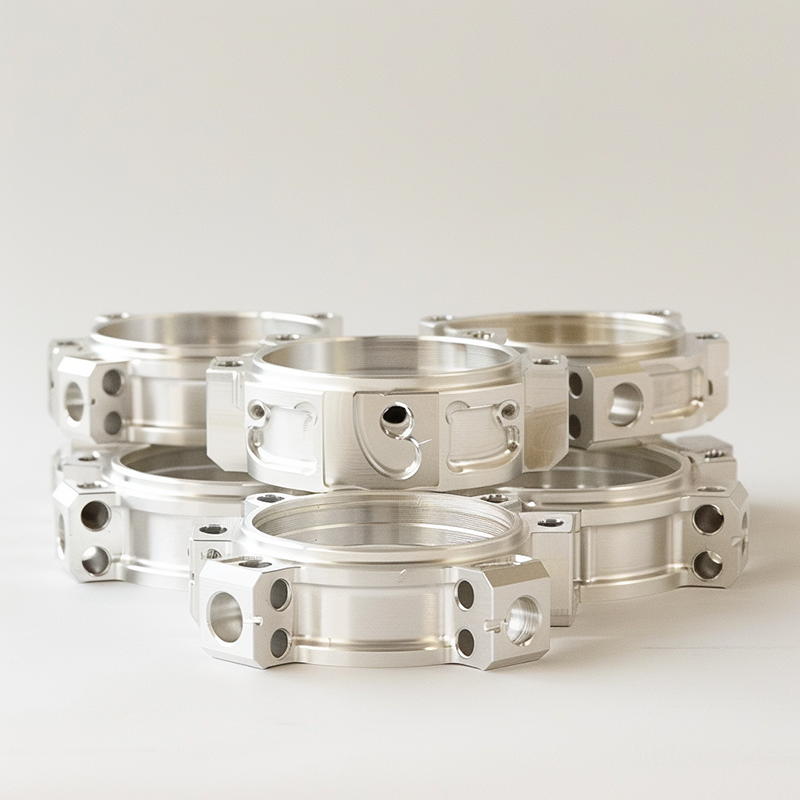
BIE’s manufacturing capabilities extend beyond conventional machining, encompassing Alloy Forging, CNC precision machining, sheet metal fabrication, die casting, plastic injection molding, and comprehensive secondary processing. This vertically integrated model allows us to control every stage of the production cycle—from material selection and forging process design to finishing, inspection, and final delivery—ensuring consistent quality and reliable lead times.

Our Alloy Forging operations are engineered to serve industries with stringent performance and safety requirements, including automotive, aerospace, industrial equipment, energy systems, medical devices, and advanced electronics. By leveraging controlled forging parameters and material science expertise, we produce forged alloy components with excellent structural integrity, predictable mechanical properties, and long service life.

Quality management is central to our operations. BIE is certified to ISO 9001:2015, ISO 14001:2015, ISO 45001:2018, and RoHS standards. These certifications reflect our commitment to product reliability, environmental responsibility, and occupational safety. Our quality control framework includes incoming material verification, in-process monitoring, dimensional inspection, mechanical testing, and non-destructive examination when required by customer specifications.

Beyond manufacturing, BIE emphasizes technical collaboration and responsive service. Our engineering team works closely with customers during design review, material selection, and process optimization to ensure that Alloy Forging components meet functional and cost targets. Supported by experienced project managers, we provide transparent communication, rapid feedback, and 24/7 technical support throughout the project lifecycle.

By adhering to principles of integrity, quality, and long-term partnership, BIE continues to help global customers improve product reliability, reduce manufacturing risk, and achieve sustainable growth through precision Alloy Forging and advanced manufacturing solutions.

FAQ

What makes Alloy Forging superior to casting for industrial components?

Alloy Forging offers superior mechanical properties due to continuous grain flow and a dense internal structure. Unlike casting, which may contain porosity or shrinkage defects, Alloy Forging eliminates internal flaws and improves fatigue strength, impact resistance, and load-bearing capacity. This makes Alloy Forging ideal for safety-critical and high-stress applications.
Alloy Forging is widely used in automotive drivetrains, aerospace structures, energy equipment, heavy machinery, and industrial power transmission systems. Any application requiring high strength, durability, and long-term reliability under cyclic or impact loading can benefit from Alloy Forging solutions.
Yes. Alloy Forging is highly adaptable to custom designs. Through tailored die design, material selection, and controlled forging parameters, manufacturers can produce Alloy Forging components that meet specific dimensional, mechanical, and performance requirements for OEM and ODM customers.

More Posts

How to Choose the Right hot forging Supplier? Evaluation Criteria and Methods

31

Jan

How to Choose the Right hot forging Supplier? Evaluation Criteria and Methods

When it comes to critical components in automotive, aerospace, and industrial applications, selecting the right hot forging supplier is just as crucial as the component design itself. A poor choice can compromise part performance, product reliability...
View More
What Parameters are Needed for Custom cnc lathe machining services Services? Process Guide

31

Jan

What Parameters are Needed for Custom cnc lathe machining services Services? Process Guide

In the highly competitive B2B manufacturing space, custom CNC lathe machining services are often the backbone of product development and industrial production. However, despite their critical role, misunderstandings about process parameters frequentl...
View More
How to Control the Production Cost of precision die cast? Practical Cost-Saving Solutions

31

Jan

How to Control the Production Cost of precision die cast? Practical Cost-Saving Solutions

Introduction: Balancing Precision Requirements and Cost Pressure Precision die cast manufacturing has become a foundational process across automotive components, electronic housings, industrial equipment, and medical devices. As product designs grow ...
View More
What is the Market Price Range of cnc production? Analysis of Key Cost Factors

31

Jan

What is the Market Price Range of cnc production? Analysis of Key Cost Factors

In today’s manufacturing landscape, CNC production has become a cornerstone for precision parts fabrication across industries ranging from automotive to aerospace and electronics. However, a recurring challenge for procurement managers and prod...
View More

Customer Reviews

Michael Turner, Procurement Manager

“The Alloy Forging components supplied demonstrated exceptional consistency and mechanical strength. Batch repeatability and delivery reliability met our automotive production standards perfectly.”

David Chen, Senior Mechanical Engineer

“We selected Alloy Forging for critical load-bearing parts, and the performance exceeded expectations. Fatigue resistance and dimensional stability were significantly better than machined alternatives.”

Laura Simmons, Operations Director

“Working with a professional Alloy Forging supplier reduced our total lifecycle cost. The parts showed excellent durability in harsh operating conditions, minimizing downtime.”

Get a Free Quote

Our representative will contact you soon.
Email
Name
Company Name
Message
0/1000
Attachment
Please upload at least an attachment
Up to 3 files,more 30mb,suppor jpg、jpeg、png、pdf、doc、docx、xls、xlsx、csv、txt、stp、step、igs、x_t、dxf、prt、sldprt、sat、rar、zip
Continuous Fiber Flow for Maximum Structural Integrity

Continuous Fiber Flow for Maximum Structural Integrity

Alloy Forging aligns internal metal grain flow with component geometry, ensuring uniform mechanical performance across the entire cross-section. This continuous fiber structure dramatically improves resistance to crack initiation and propagation, making Alloy Forging indispensable for safety-critical and high-load applications.
Near-Net Shape Precision with Excellent Dimensional Control

Near-Net Shape Precision with Excellent Dimensional Control

Advanced Alloy Forging processes achieve near-net shape results, reducing post-forging machining and improving dimensional accuracy. Tight tolerances, consistent contours, and excellent surface quality enhance assembly efficiency and reduce total manufacturing cost for OEM customers.
Long-Term Reliability in Extreme Operating Environments

Long-Term Reliability in Extreme Operating Environments

Alloy Forging components maintain stable performance under extreme temperature, pressure, and cyclic stress. Enhanced fatigue resistance, impact toughness, and corrosion performance ensure extended service life in automotive, aerospace, and energy systems.

Copyright © Dongguan BIE Hardware Co., Ltd  -  Privacy policy